

 Preview
 Send
Send Share
Share
 Details

 Download
 Similars
 X-Ray
X-Ray Diaporama
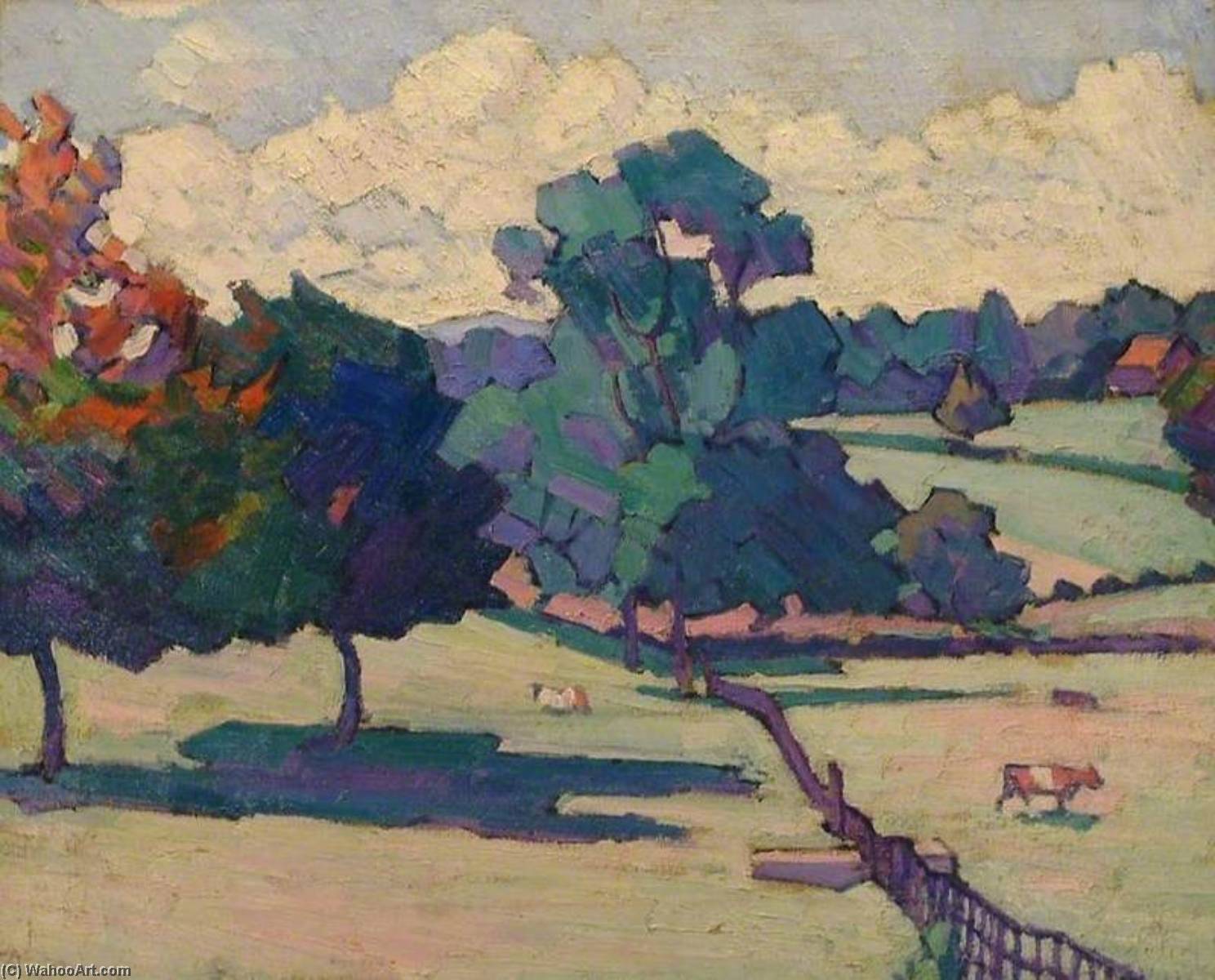
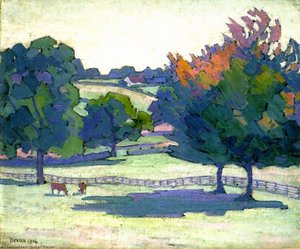
The Town Field, Horsgate, West Sussex
 Acrylic On Canvas
- WallArt
- Impressionism
 1914
1914 68.0 x 78.0 cm
 Reading Museum - Town Hall
 Read More
Purchase a high-resolution, enhanced digital image, far superior to the online preview.
Each file is meticulously prepared by our in-house specialists using advanced tools and expert manual retouching. We ensure every image has exceptional clarity, precise color accuracy, and fine detail.
The final file is delivered via email within 72 hours, optimized for immediate use in professional, editorial, and print environments. This is the same quality trusted by top-tier design studios, publishers, and galleries.
Digital Image
Download a high-resolution file for personal display, printing, and creative projects. ( Buy Print Buy Hand Made Painting)
Included in Every Digital Image Order
Expert Digital Delivery, Guaranteed
When you choose ArtsDot.com, you're not just getting an image - you're receiving a professionally enhanced digital artwork, crafted with precision and backed by a satisfaction guarantee. Here's everything that comes with your order, automatically:

Fast Email Delivery
Your high-resolution digital image file will be emailed to you within 72 hours of ordering - ready for immediate use.

AI-Enhanced Digital File
Your artwork is professionally optimized using advanced AI tools and manual editing, ensuring maximum detail, clarity, and color accuracy.

Free Lifetime Re-Delivery
Accidentally deleted or lost your file? No worries - we'll resend it to you anytime, free of charge.

No Import Fees - Ever
Enjoy your artwork instantly with zero customs, duties, or delivery fees - digital downloads are always tax-free.

Color Accuracy Guarantee
We ensure your digital image reflects the original colors as closely as possible using professional tools and color management.

60-Day Satisfaction Guarantee
If you're not satisfied with your digital image, we'll revise it or refund 100% within 60 days - no questions asked.

100% Money-Back Guarantee
Not satisfied? Get a full refund within 60 days of receiving your digital file - no questions asked.

Bulk Order Discounts
Buy 3 images, save 10% - Buy 5, save 15% - Buy 10+, save 20%. Great for creative projects, galleries, and agencies.
Robert Polhill Bevan: Bridging Impressionism and Modern Expression
Robert Polhill Bevan (1865–1925) stands as an intriguing figure in the burgeoning British modernist movement, a painter who wrestled with stylistic evolution while retaining a profound connection to his artistic roots. Born into a Quaker family steeped in banking heritage – Richard Alexander Bevan and Laura Maria Polhill – Bevan defied societal expectations for his time, embarking on a journey of relentless experimentation that would ultimately solidify his place as one of the pioneers shaping British art’s trajectory.
His formative years at Westminster School of Art under Fred Brown instilled him with foundational skills, yet it was his subsequent immersion in Parisian ateliers, particularly the Académie Julian alongside luminaries like Paul Sérusier and Maurice Denis, that truly catalyzed his artistic breakthrough. This encounter ignited a passion for color and form—influences that would propel Bevan beyond the confines of Impressionism toward bolder explorations of expressive abstraction.
- Early Influences: Bevan’s initial training under Fred Brown provided him with technical proficiency, but it was his Parisian studies that exposed him to the revolutionary ideas circulating amongst European artists. The Académie Julian fostered a dialogue between students and masters, fostering an environment ripe for artistic innovation.
- Brittany and Pont-Aven Synthesis: Bevan’s pilgrimage to Brittany in 1890 coincided with the burgeoning Pont-Aven synthesis movement—a stylistic trend championed by Gauguin and Sérusier that sought to distill Impressionistic color palettes into pure hues, prioritizing emotional resonance over meticulous detail. This formative experience profoundly impacted Bevan's artistic sensibilities.
- Moroccan Exploration: His journey to Morocco in 1897 offered Bevan a chance to study Velázquez and Goya firsthand, immersing himself in the traditions of Spanish painting and broadening his visual vocabulary. The meticulous observation of light and shadow—a hallmark of Baroque art—served as inspiration for his later landscapes.
- The Camden Town Group: Bevan’s membership in the Camden Town Group – alongside artists like Frank Auerbach and Lionel Trilling – represents a crucial step in establishing British Modernism. This collective championed bold brushstrokes and expressive color, rejecting academic conventions in favor of capturing subjective experience.
“The Town Field,” painted in 1914, exemplifies Bevan’s stylistic evolution. Executed in the divisionist technique—characterized by small, punctate dots of pigment applied to create textured surfaces—the canvas captures a tranquil pastoral scene bathed in diffused daylight. The muted greens and browns of the foliage harmonize with the soft blues of the sky, conveying a sense of serenity and timeless beauty.
Bevan’s deliberate use of color isn't merely decorative; it serves as a conduit for emotional expression—a reflection of his Quaker faith’s emphasis on simplicity and contemplation. The composition subtly guides the viewer’s gaze across the field, inviting introspection and fostering an appreciation for the understated grandeur of the natural world.
More than just a depiction of a landscape, “The Town Field” embodies Bevan's commitment to forging a new artistic language—one that prioritized feeling over representation. It stands as a testament to his pioneering spirit and his enduring legacy within British Modernism, securing his place among the artists who irrevocably transformed the visual arts.
Related Artworks
Artist Biography
A Pioneer of British Modernism: The Life and Art of Robert Polhill Bevan
Robert Polhill Bevan, born in Hove in 1865, occupies a pivotal yet often understated position within the narrative of early 20th-century British art. Emerging from a Quaker background steeped in banking connections – his parents were Richard Alexander Bevan and Laura Maria Polhill – he defied conventional expectations to become a daring innovator, a key figure in the transition from Impressionism towards more radical explorations of color and form. His journey was one of constant experimentation, absorbing influences from across Europe while forging a distinctly personal artistic vision that would profoundly impact the development of modern art in Britain. Bevan’s early education at Westminster School of Art under Fred Brown provided a solid foundation, but it was his subsequent studies at the Académie Julian in Paris that truly ignited his creative spark. There, he encountered a constellation of rising stars – Paul Sérusier, Pierre Bonnard, Édouard Vuillard, and Maurice Denis – artists who were challenging academic conventions and embracing new approaches to painting. These encounters proved formative, exposing Bevan to the principles of synthetism and laying the groundwork for his future explorations.Brittany, Fauvism, and the Search for Pure Color
The impact of Brittany on Bevan’s artistic development cannot be overstated. Two significant journeys in 1890 and 1891 immersed him in the atmosphere of Pont-Aven, a small coastal town that had become a magnet for artists seeking an alternative to Parisian salon culture. The bold colors and simplified forms championed by artists like Gauguin resonated deeply with Bevan, influencing his early drawings and prints. However, it was around 1904 that Bevan truly began to distinguish himself, embarking on a path of experimentation with pure color that anticipated the emergence of Fauvism on the continent. His painting “Courtyard” stands as a remarkable example of this proto-Fauvist approach, demonstrating a willingness to abandon naturalistic representation in favor of expressive chromatic intensity – a boldness that set him apart from many of his British contemporaries. This exploration didn’t remain static; Bevan subsequently adopted a divisionist or pointillist technique, evident in works like “Ploughing on the Downs” and “The Turn-Rice Plough,” showcasing his commitment to exploring different methods of applying color and capturing light. Throughout this period, the influence of masters such as Velázquez and Goya remained palpable, alongside more immediate guidance from Renoir regarding the depiction of horses – a testament to Bevan’s broad artistic curiosity and willingness to learn from diverse sources.Collective Visions: The Camden Town Group and Beyond
Bevan was not an artist who worked in isolation. He actively sought connection with like-minded individuals, playing a crucial role in the formation of several influential art groups. As a founding member of the Camden Town Group, he joined forces with artists determined to depict modern urban life and challenge established artistic norms. This collective spirit extended to his involvement with the London Group and the Cumberland Market Group, further demonstrating his commitment to progressive artistic movements. A particularly significant relationship was forged in 1908 when Bevan joined Walter Sickert’s Fitzroy Street group. Sickert's encouragement to focus on everyday subjects proved invaluable, steering Bevan towards a more grounded and socially engaged approach to art. The first Allied Artists’ Association exhibition in 1908 provided another important platform for Bevan, introducing him to the burgeoning world of international modernism – most notably, through his encounter with Wassily Kandinsky. These affiliations were not merely social; they fostered a dynamic exchange of ideas that shaped Bevan's artistic trajectory and contributed to the broader evolution of British art.Landscapes, Urban Scenes, and Lasting Legacy
While Bevan’s subject matter was diverse, encompassing portraits – including notable depictions of his wife, Stanislawa de Karłowska – and urban scenes documenting the decline of the horse cab trade (“The Cab Horse”), he is perhaps best known for his landscapes. His paintings of Sussex and Brittany are imbued with a vibrant energy, capturing the essence of rural life through expressive brushwork and bold color palettes. Works like “In the Downs near Lewes,” “The Chestnut Tree,” and “Landscape in the Blackdown Hills, Devon” exemplify this mastery, showcasing his ability to convey both the physical beauty and emotional resonance of the natural world. Robert Polhill Bevan’s legacy extends far beyond his individual paintings. He is rightfully recognized as a pioneer of modern British art, particularly for his early adoption of Fauvist principles and his fearless experimentation with color. His influence on subsequent generations of painters is undeniable, and his contribution to the Camden Town Group was instrumental in shaping the development of modern art in Britain. A retrospective exhibition at Colnaghi’s in 1961 served as a crucial moment of recognition, solidifying his place in art history and ensuring that his innovative spirit continues to inspire artists today. He remains a vital figure for understanding the complex evolution of British painting in the early twentieth century.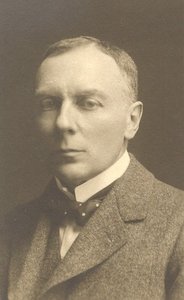
Robert Polhill Bevan
1865 - 1925 , United Kingdom
Quick Facts
- Artistic Movement Or Style: Fauvism, Divisionism
- Artists Or Movements Influenced By This Artist: ['Modern British Art']
- Artists Who Influenced This Artist:
- Paul Gauguin
- Velázquez
- Goya
- Renoir
- Date Of Birth: 1865
- Date Of Death: 1925
- Full Name: Robert Polhill Bevan
- Nationality: British
- Notable Artworks:
- The Farmhouse
- Ploughing on the Downs
- Queen's Grove
- The Cab Horse
- Place Of Birth: Hove, United Kingdom

