 Preview
 Send
Send Share
Share
 Details

 Download
 Similars
 X-Ray
X-Ray Diaporama
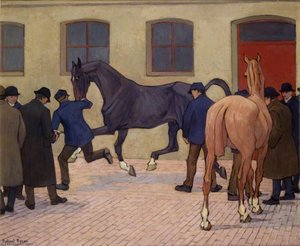
Showing at Tattersall's
 Oil On Panel
- British Modernism
 1919
1919 58.0 x 71.0 cm
 Ashmolean Museum
 Read More
Hand Made Oil Reproduction
Hand-painted oil on canvas in your size and frame, made to order by our artists. ( Buy Print Buy Image)




P118B $10

P118H $10

P118W $10

P438Z $10

P508JH $12

P508YH $12

P805H $10

P805Z $10

P919BZ $10

P919G $10

P919XJ $10

P959ZH $10

P968JZ $12

W106C $8

W218G $10

W218JH $8

W218Y $10

W307PJ $10

W316G $10

W316PJ $8

W316Y $10

W398PJ $8

W4111J $10

W500HY $15

W500JH $15

W692G $12

W849H $8

W940BG $15

W953PJ $8




Pick from our preset sizes that match the artwork's original proportions.

You may enter your own dimensions to fit a specific frame or space. If your selected size does not match the original image's proportions, we will either crop the artwork or extend the painting with additional hand-painted elements. A digital mockup will be sent for your approval before production begins.
Please note that the on-screen preview does not reflect the actual cropping or extension. Only the mockup will accurately show the final composition.
While custom sizes are available, we recommend selecting a dimension from the predefined list to preserve the original proportions.
After order, ArtsDot.com team will email client for instructions and provide a mockup preview
Worldwide Delivery () in 3/4 weeks instead of standard 5 weeks. (16 August). No compromise on quality.

Free Worldwide Express Shipping

High-Quality Linen Canvas

Full Shipping Insurance

Customs Tax Refund Guarantee

True Color Matching Guarantee

60-Day Return Policy (Defects Only)

100% Money-Back Guarantee

Bulk Discount Offer
 Glass option is only available in size under 110 CM

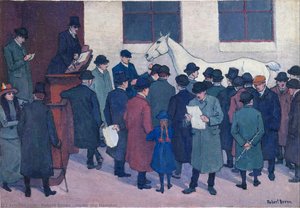
Showing at Tattersall's
Reproduction Medium
Reproduction Size
-


Total Price
$ 263
Artwork Description
A Vibrant Snapshot of Racing Tradition: Examining Robert Bevan’s “Showing at Tattersall’s”
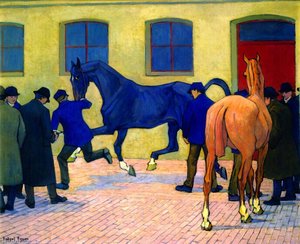
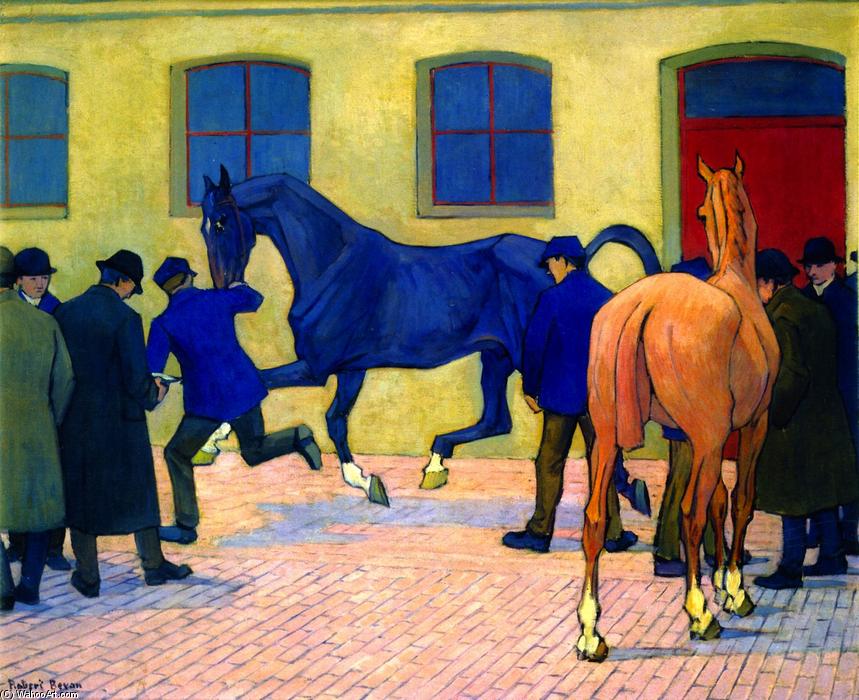
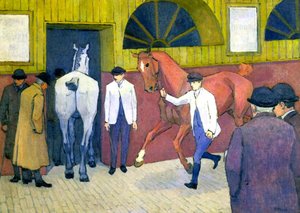
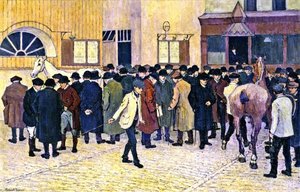
Robert Bevan's "Showing at Tattersall’s," completed in 1919, stands as a remarkable testament to British Modernism and a captivating portrayal of the social fabric surrounding horse racing during its golden age. Currently residing within the Ashmolean Museum’s collection in Oxford, this oil on panel painting transcends mere depiction; it captures an atmosphere brimming with energy and ambition—a feeling palpable even through reproductions. Bevan's masterful use of color and composition elevates the scene beyond a simple record of an event, transforming it into a symbol of dynamism and aspiration.The Scene Unfolds: Composition and Color Palette
At first glance, “Showing at Tattersall’s” presents a bustling tableau—a horse race unfolding against the backdrop of London’s streets. Bevan skillfully employs diagonal lines to guide the viewer's eye across the canvas, emphasizing the movement of the horses as they surge forward. The dominant hue is a striking shade of blue, chosen not just for its visual impact but also perhaps to represent prestige and nobility—associations fitting for Tattersall’s auction house, renowned for its history of selling thoroughbred racehorses. Complementing this bold color are warmer tones – reds and yellows – emanating from the spectators and highlighting the excitement of the competition. These contrasting hues create a harmonious balance that underscores the painting's emotional resonance.Bevan’s Style: Fauvist Influences and Camden Town Group Aesthetic
Bevan’s artistic approach aligns closely with the burgeoning Fauvist movement, spearheaded by artists like Matisse and Derain. Like his contemporaries, Bevan prioritized expressive color over strict realism, prioritizing emotion and sensation above meticulous detail. This stylistic choice is evident in the textured brushstrokes that imbue the canvas with a palpable sense of immediacy. Furthermore, Bevan’s affiliation with the Camden Town Group—a collective dedicated to documenting urban life—is discernible in the painting's depiction of London’s environment. The artist skillfully captures the gritty realism of the city alongside the grandeur of the horse racing spectacle, reflecting the group’s broader ambition to portray modern Britain in all its complexity.Symbolism Beyond the Race Track
Beyond the immediate visual drama of the race itself, “Showing at Tattersall’s” carries deeper symbolic significance. The horses represent not only physical prowess but also status and success—aspirations shared by both participants and observers. The positioning of figures around the horses underscores the importance of social interaction and hierarchy within this cultural institution. Bevan's deliberate framing invites contemplation on themes of ambition, tradition, and the pursuit of excellence – ideas that resonate powerfully even today.Emotional Impact: Capturing a Moment in Time
Ultimately, Bevan’s “Showing at Tattersall’s” succeeds in conveying an unforgettable impression—a snapshot of a pivotal moment in British cultural history. The painting's vibrant colors and dynamic composition evoke feelings of exhilaration and anticipation, transporting the viewer back to 1919 London. It serves as a poignant reminder that art can capture not just what is seen but also what is felt—a legacy cemented by Bevan’s enduring contribution to Modern British Art.Related Artworks
Artist Biography
A Pioneer of British Modernism: The Life and Art of Robert Polhill Bevan
Robert Polhill Bevan, born in Hove in 1865, occupies a pivotal yet often understated position within the narrative of early 20th-century British art. Emerging from a Quaker background steeped in banking connections – his parents were Richard Alexander Bevan and Laura Maria Polhill – he defied conventional expectations to become a daring innovator, a key figure in the transition from Impressionism towards more radical explorations of color and form. His journey was one of constant experimentation, absorbing influences from across Europe while forging a distinctly personal artistic vision that would profoundly impact the development of modern art in Britain. Bevan’s early education at Westminster School of Art under Fred Brown provided a solid foundation, but it was his subsequent studies at the Académie Julian in Paris that truly ignited his creative spark. There, he encountered a constellation of rising stars – Paul Sérusier, Pierre Bonnard, Édouard Vuillard, and Maurice Denis – artists who were challenging academic conventions and embracing new approaches to painting. These encounters proved formative, exposing Bevan to the principles of synthetism and laying the groundwork for his future explorations.Brittany, Fauvism, and the Search for Pure Color
The impact of Brittany on Bevan’s artistic development cannot be overstated. Two significant journeys in 1890 and 1891 immersed him in the atmosphere of Pont-Aven, a small coastal town that had become a magnet for artists seeking an alternative to Parisian salon culture. The bold colors and simplified forms championed by artists like Gauguin resonated deeply with Bevan, influencing his early drawings and prints. However, it was around 1904 that Bevan truly began to distinguish himself, embarking on a path of experimentation with pure color that anticipated the emergence of Fauvism on the continent. His painting “Courtyard” stands as a remarkable example of this proto-Fauvist approach, demonstrating a willingness to abandon naturalistic representation in favor of expressive chromatic intensity – a boldness that set him apart from many of his British contemporaries. This exploration didn’t remain static; Bevan subsequently adopted a divisionist or pointillist technique, evident in works like “Ploughing on the Downs” and “The Turn-Rice Plough,” showcasing his commitment to exploring different methods of applying color and capturing light. Throughout this period, the influence of masters such as Velázquez and Goya remained palpable, alongside more immediate guidance from Renoir regarding the depiction of horses – a testament to Bevan’s broad artistic curiosity and willingness to learn from diverse sources.Collective Visions: The Camden Town Group and Beyond
Bevan was not an artist who worked in isolation. He actively sought connection with like-minded individuals, playing a crucial role in the formation of several influential art groups. As a founding member of the Camden Town Group, he joined forces with artists determined to depict modern urban life and challenge established artistic norms. This collective spirit extended to his involvement with the London Group and the Cumberland Market Group, further demonstrating his commitment to progressive artistic movements. A particularly significant relationship was forged in 1908 when Bevan joined Walter Sickert’s Fitzroy Street group. Sickert's encouragement to focus on everyday subjects proved invaluable, steering Bevan towards a more grounded and socially engaged approach to art. The first Allied Artists’ Association exhibition in 1908 provided another important platform for Bevan, introducing him to the burgeoning world of international modernism – most notably, through his encounter with Wassily Kandinsky. These affiliations were not merely social; they fostered a dynamic exchange of ideas that shaped Bevan's artistic trajectory and contributed to the broader evolution of British art.Landscapes, Urban Scenes, and Lasting Legacy
While Bevan’s subject matter was diverse, encompassing portraits – including notable depictions of his wife, Stanislawa de Karłowska – and urban scenes documenting the decline of the horse cab trade (“The Cab Horse”), he is perhaps best known for his landscapes. His paintings of Sussex and Brittany are imbued with a vibrant energy, capturing the essence of rural life through expressive brushwork and bold color palettes. Works like “In the Downs near Lewes,” “The Chestnut Tree,” and “Landscape in the Blackdown Hills, Devon” exemplify this mastery, showcasing his ability to convey both the physical beauty and emotional resonance of the natural world. Robert Polhill Bevan’s legacy extends far beyond his individual paintings. He is rightfully recognized as a pioneer of modern British art, particularly for his early adoption of Fauvist principles and his fearless experimentation with color. His influence on subsequent generations of painters is undeniable, and his contribution to the Camden Town Group was instrumental in shaping the development of modern art in Britain. A retrospective exhibition at Colnaghi’s in 1961 served as a crucial moment of recognition, solidifying his place in art history and ensuring that his innovative spirit continues to inspire artists today. He remains a vital figure for understanding the complex evolution of British painting in the early twentieth century.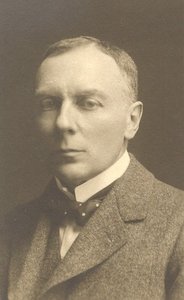
Robert Polhill Bevan
1865 - 1925 , United Kingdom
Quick Facts
- Artistic Movement Or Style: Fauvism, Divisionism
- Artists Or Movements Influenced By This Artist: ['Modern British Art']
- Artists Who Influenced This Artist:
- Paul Gauguin
- Velázquez
- Goya
- Renoir
- Date Of Birth: 1865
- Date Of Death: 1925
- Full Name: Robert Polhill Bevan
- Nationality: British
- Notable Artworks:
- The Farmhouse
- Ploughing on the Downs
- Queen's Grove
- The Cab Horse
- Place Of Birth: Hove, United Kingdom
Related Articles
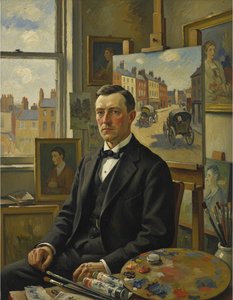
Robert Bevan: Pioneering British Post-Impressionism & the Camden Town Group's Intimate Vision
Explore the life & work of Robert Bevan, a pioneer of British Post-Impressionism and founding member of the Camden Town Group. Discover his vibrant landscapes and lasting impact on early 20th-century art.
The Noble Steed on Canvas: A Historical & Artistic Exploration of Horse Painting Across Cultures
Explore the rich history of horse painting! Discover masterpieces from Stubbs to Munnings & learn about symbolism, techniques & artists. Find museum-quality reproductions at ArtsDot.
The Equine Muse: A Historical & Artistic Exploration of Horses in Painting
Explore the captivating history of horses in painting! Discover Renaissance masterpieces, Baroque grandeur & expert insights for collecting equestrian art. Learn about symbolism, techniques & lasting value with ArtsDot.
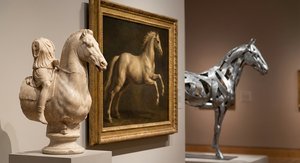
The Noble Steed: A Historical and Artistic Exploration of Horses in Fine Art
Explore the rich history of horses in fine art! From ancient depictions to Renaissance masterpieces & beyond, discover iconic artworks and artists. Learn about symbolism, techniques, and find museum-quality reproductions at ArtsDot.
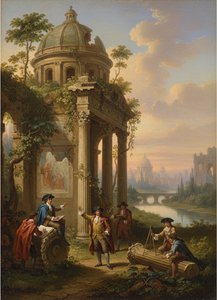
Hubert Robert: Picturing Ruins, Preserving Memory – A Study of Romantic Antiquarianism & Artistic Innovation
Explore the captivating world of Hubert Robert, master of Romantic landscape painting & 'capriccio' ruins. Discover his historical context, artistic innovations, and collecting insights with ArtsDot.