 Preview
 Send
Send Share
Share
 Details

 Download
 Similars
 X-Ray
X-Ray Diaporama
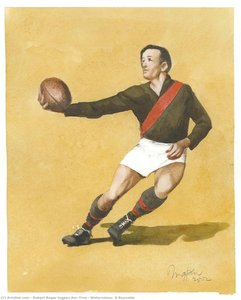
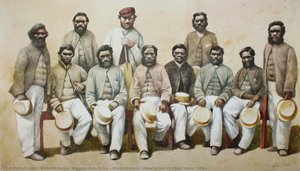
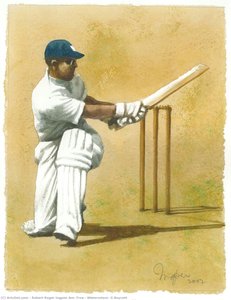
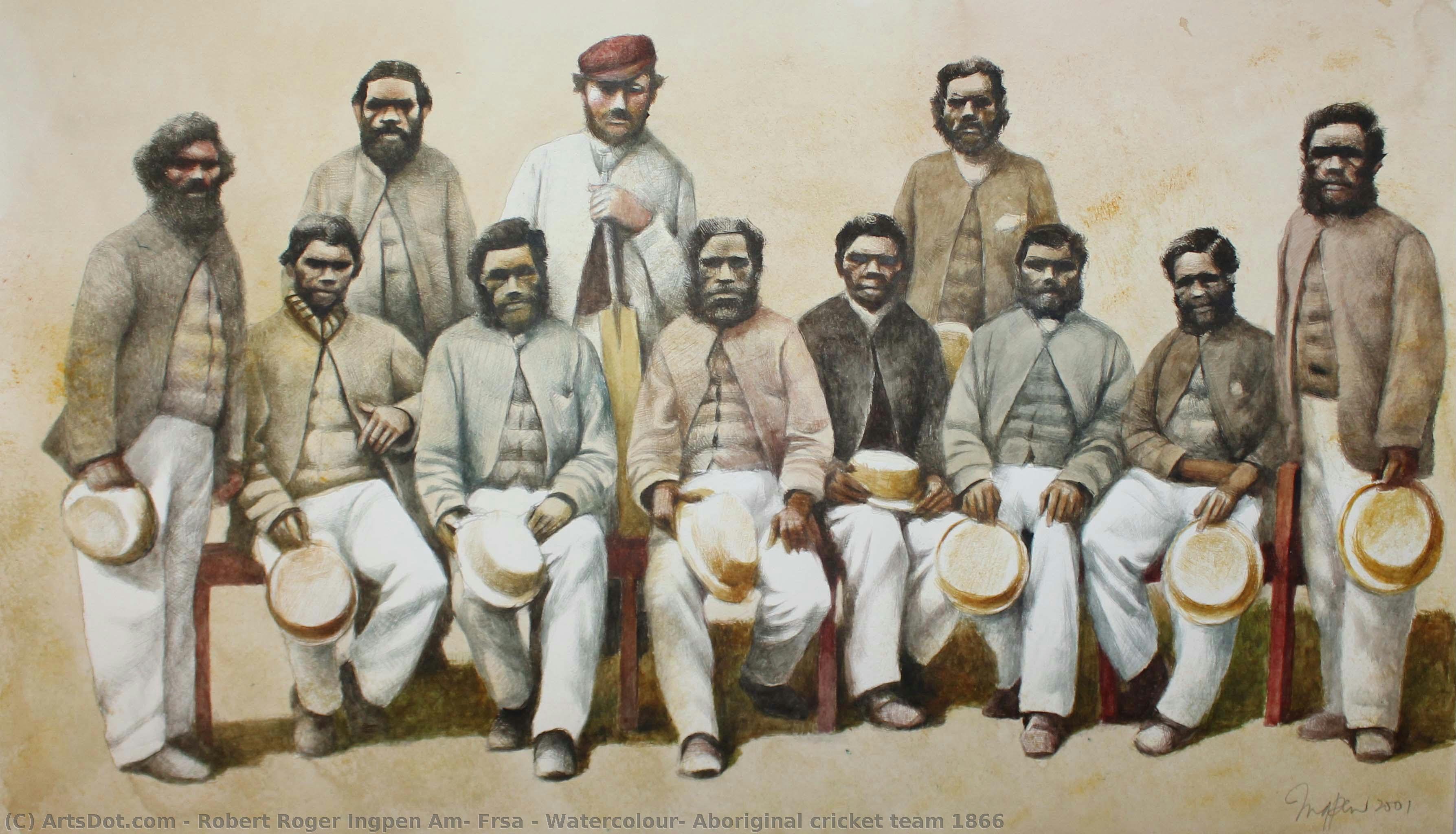
Watercolour, Aboriginal cricket team 1866


 Read More
Hand Made Oil Reproduction
Hand-painted oil on canvas in your size and frame, made to order by our artists. ( Buy Print Buy Image)




































Pick from our preset sizes that match the artwork's original proportions.

You may enter your own dimensions to fit a specific frame or space. If your selected size does not match the original image's proportions, we will either crop the artwork or extend the painting with additional hand-painted elements. A digital mockup will be sent for your approval before production begins.
Please note that the on-screen preview does not reflect the actual cropping or extension. Only the mockup will accurately show the final composition.
While custom sizes are available, we recommend selecting a dimension from the predefined list to preserve the original proportions.
After order, ArtsDot.com team will email client for instructions and provide a mockup preview
Worldwide Delivery () in 3/4 weeks instead of standard 5 weeks. (24 August). No compromise on quality.

Free Worldwide Express Shipping

High-Quality Linen Canvas

Full Shipping Insurance

Customs Tax Refund Guarantee

True Color Matching Guarantee

60-Day Return Policy (Defects Only)

100% Money-Back Guarantee

Bulk Discount Offer
 Glass option is only available in size under 110 CM

Watercolour, Aboriginal cricket team 1866
Reproduction Medium
Reproduction Size
-


Total Price
$ 263
Artwork Description
Related Artworks








Artist Biography
The Visionary Brush of Robert Ingpen
In the vast tapestry of Australian visual culture, few figures possess the multifaceted brilliance of Robert Roger Ingpen AM, FRSA. Born in Geelong, Victoria, in 1936, Ingpen emerged not merely as an artist, but as a master storyteller capable of bridging the gap between the rigorous precision of science and the whimsical wonder of childhood imagination. His journey began with a profound dual passion for mathematics and the visual arts, nurtured during his formative years at Geelong College. This unique intellectual foundation allowed him to approach the canvas with a rare clarity, where every stroke served both an aesthetic purpose and a narrative truth. After honing his craft at RMIT under the guidance of the esteemed Harold Freedman, Ingpen developed a distinctive graphic language that would eventually captivates audiences across the globe.
The essence of Ingpen’s artistry lies in his remarkable ability to translate the invisible into the visible. His early professional tenure with the Commonwealth Scientific and Industrial Research Organisation (CSIRO) served as a crucible for his talent, tasking him with the delicate duty of interpreting complex scientific discoveries for the public eye. Through his illustrations, the microscopic and the ecological became tangible, breathing life into the mysteries of the natural world. This period of scientific inquiry deeply informed his later explorations in Mexico and Peru, where his role within United Nations teams allowed him to document biodiversity and contribute to vital conservation efforts. His work during these expeditions was never merely observational; it was an act of environmental stewardship, using the medium of watercolor to foster a deep-seated reverence for the Earth's fragile ecosystems.
A Legacy of Storytelling and Iconography
Beyond the realms of scientific documentation, Ingpen’s name became synonymous with the golden age of Australian children’s literature. His prolific career, spanning more than a hundred published books, is characterized by an enchanting ability to weave folk tales, historical narratives, and environmental themes into a cohesive visual experience. For his profound and lasting contribution to the world of illustration, he was bestowed with the prestigious Hans Christian Andersen Medal in 1986—an honor often described as the Nobel Prize of children's literature. This recognition solidified his status as an international icon, celebrated for creating imagery that resonates with the innocence of youth while maintaining a sophisticated depth that appeals to the adult soul.
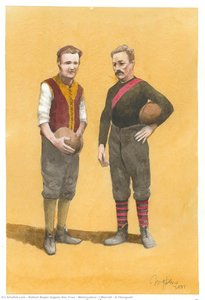
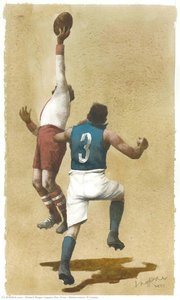
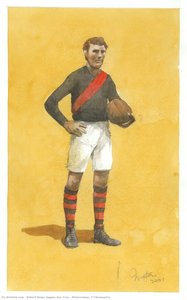
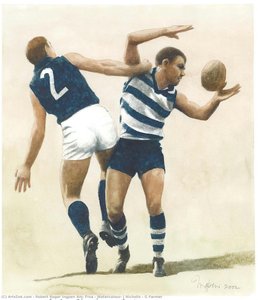
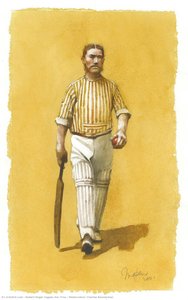
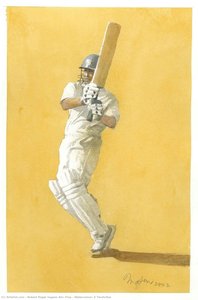
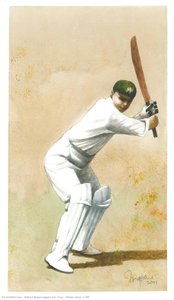
The breadth of his creative output extends far beyond the pages of books, touching the very fabric of Australian national identity. His hand has shaped much of the country's visual iconography, from the intricate designs of postage stamps to the monumental task of creating the flag and coat of arms for the Northern Territory. His fascination with history and sport is perhaps most evocatively captured in his watercolor series depicting cricket—a subject where he masterfully blends historical accuracy with a nostalgic, atmospheric grace. Whether through the bronze doors of the Melbourne Cricket Club or the sweeping public murals found in Geelong and Canberra, Ingpen’s work remains an enduring testament to the power of art to document, preserve, and inspire.
Reflecting on his monumental career, several key pillars define his artistic identity:
- Scientific Precision: A unique ability to communicate complex biological and environmental concepts through accessible visual media.
- Literary Mastery: An internationally acclaimed contribution to children's classics and picture books, marked by the Hans Christian Andersen Medal.
- National Iconography: The creation of significant Australian symbols, including postage stamps and territorial emblems.
- Environmental Advocacy: A lifelong commitment to conservation through the documentation of global biodiversity.
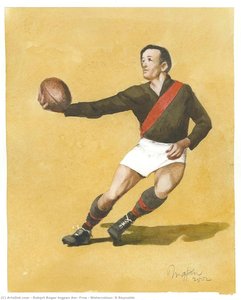
robert roger ingpen am, frsa
1936 - , Australia
Quick Facts
- Artistic Movement Or Style: Watercolor, Graphic Design
- Artists Or Movements Influenced By This Artist: ['Hans Christian Andersen']
- Artists Who Influenced This Artist: ['Harold Freedman']
- Date Of Birth: 13 October 1936
- Date Of Death: Living
- Full Name: Robert Roger Ingpen AM, FRSA
- Nationality: Australian
- Notable Artworks:
- Storm Boy
- River Murray Mary
- Place Of Birth: Geelong, Victoria, Australia