

 Preview
 Send
Send Share
Share
 Details

 Download
 Similars
 X-Ray
X-Ray Diaporama
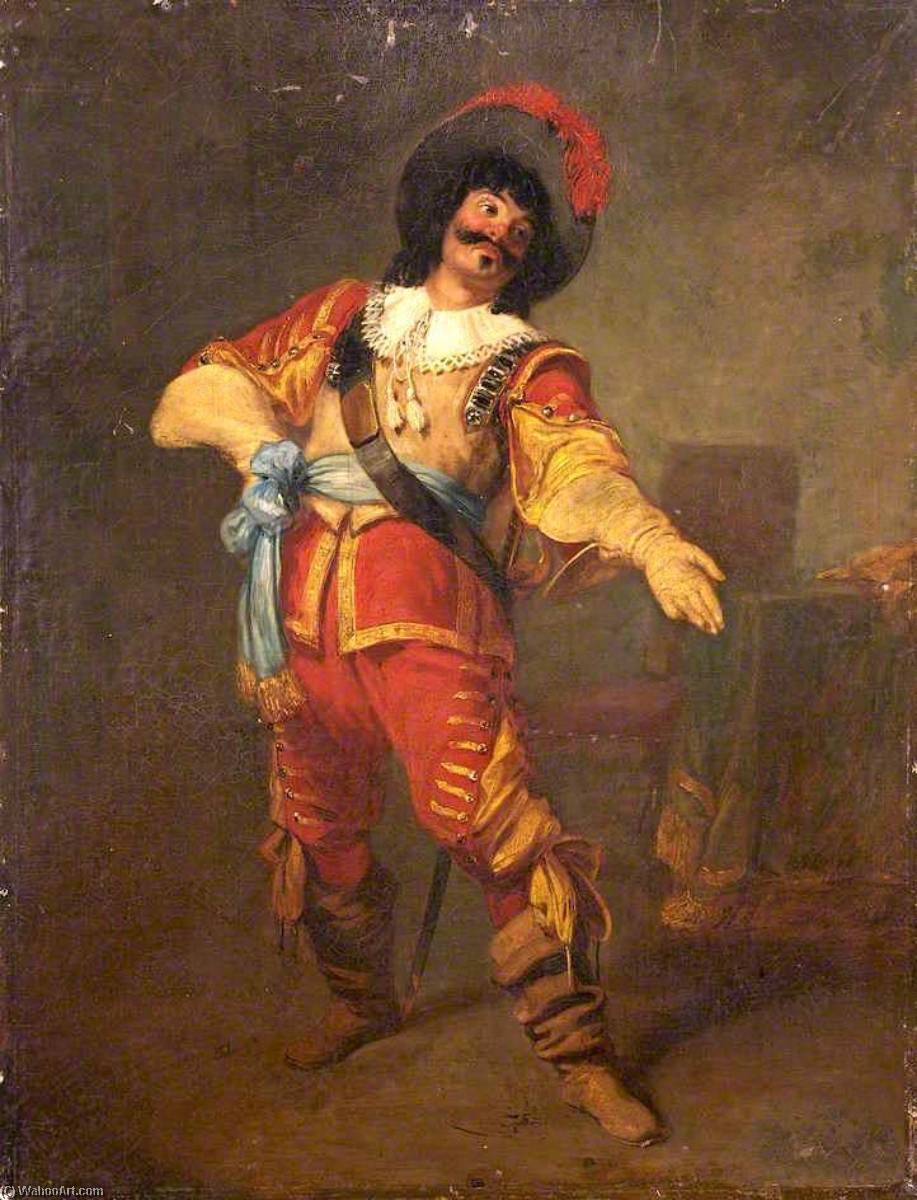
John Cooper as Captain Mouth in 'The Bride of Ludgate'
 Acrylic On Canvas
- WallArt
- Baroque
 56.0 x 43.0 cm
 University of Bristol
 Read More
Purchase a high-resolution, enhanced digital image, far superior to the online preview.
Each file is meticulously prepared by our in-house specialists using advanced tools and expert manual retouching. We ensure every image has exceptional clarity, precise color accuracy, and fine detail.
The final file is delivered via email within 72 hours, optimized for immediate use in professional, editorial, and print environments. This is the same quality trusted by top-tier design studios, publishers, and galleries.
Digital Image
Download a high-resolution file for personal display, printing, and creative projects. ( Buy Print Buy Hand Made Painting)
Included in Every Digital Image Order
Expert Digital Delivery, Guaranteed
When you choose ArtsDot.com, you're not just getting an image - you're receiving a professionally enhanced digital artwork, crafted with precision and backed by a satisfaction guarantee. Here's everything that comes with your order, automatically:

Fast Email Delivery
Your high-resolution digital image file will be emailed to you within 72 hours of ordering - ready for immediate use.

AI-Enhanced Digital File
Your artwork is professionally optimized using advanced AI tools and manual editing, ensuring maximum detail, clarity, and color accuracy.

Free Lifetime Re-Delivery
Accidentally deleted or lost your file? No worries - we'll resend it to you anytime, free of charge.

No Import Fees - Ever
Enjoy your artwork instantly with zero customs, duties, or delivery fees - digital downloads are always tax-free.

Color Accuracy Guarantee
We ensure your digital image reflects the original colors as closely as possible using professional tools and color management.

60-Day Satisfaction Guarantee
If you're not satisfied with your digital image, we'll revise it or refund 100% within 60 days - no questions asked.

100% Money-Back Guarantee
Not satisfied? Get a full refund within 60 days of receiving your digital file - no questions asked.

Bulk Order Discounts
Buy 3 images, save 10% - Buy 5, save 15% - Buy 10+, save 20%. Great for creative projects, galleries, and agencies.
John Cooper as Captain Mouth in 'The Bride of Ludgate' - A Baroque Portrait Steeped in Dramatic Illusion
Robert William Buss’s “John Cooper as Captain Mouth in ‘The Bride of Ludgate’” is a captivating portrait that transcends mere representation, embodying the grandeur and theatricality characteristic of Baroque art. Executed around 1927, this piece hails from the University of Bristol Theatre Collection, offering a glimpse into the artistic sensibilities of the early 20th century amidst a fascination with operatic performance.
The artwork depicts John Cooper as Captain Mouth, a prominent figure in Gilbert and Sullivan’s celebrated opera “The Bride of Ludgate,” rendered in meticulous detail. Buss skillfully captures Cooper's commanding presence through expansive gestures and a theatrical pose—a deliberate choice reflecting the conventions of stagecraft at the time. The artist’s masterful use of chiaroscuro – dramatic lighting – casts strong shadows across Cooper’s face and costume, highlighting his features and emphasizing the drama inherent in the scene.
Style and Technique: Baroque Influence
Buss’s stylistic approach firmly anchors itself within the Baroque tradition. Influenced by artists like George Clint, he employs techniques reminiscent of Caravaggio and Rembrandt, prioritizing emotional intensity over photographic accuracy. The painting utilizes oil paint on canvas with visible brushstrokes—a hallmark of Baroque artistry—creating a textured surface that conveys depth and materiality. Modeling of the form is subtle yet effective, suggesting three-dimensional space despite the flattened perspective typical of portraiture during this period.
Symbolism: Performance and Grandeur
Beyond its technical prowess, “John Cooper as Captain Mouth” resonates with symbolic significance. The theatrical setting underscores the importance of performance and spectacle in Victorian society—a preoccupation that extended into artistic endeavors. Cooper’s posture and costume represent flamboyance and grandeur, mirroring the opulent costumes and elaborate sets prevalent in opera houses. Furthermore, Buss's deliberate use of color contributes to the overall dramatic effect, reinforcing the emotional core of the artwork.
Emotional Impact: Capturing Character
Ultimately, Buss succeeds in conveying Cooper’s character with remarkable nuance. The artist captures not only his physical appearance but also his inner demeanor—a testament to Buss's ability to translate theatrical performance into visual art. “John Cooper as Captain Mouth” remains a striking example of Baroque portraiture, demonstrating how artists can elevate mere likeness into an embodiment of emotion and dramatic illusion.
Dimensions & Reproduction Options
This artwork measures 56 x 43 cm and is housed in the University of Bristol Theatre Collection. ArtsDot.com offers high-quality reproductions in various sizes, from standard to custom dimensions. Explore our selection today!
Related Artworks
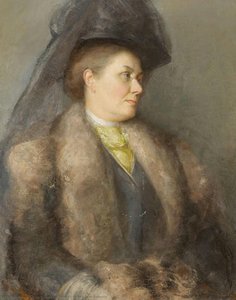
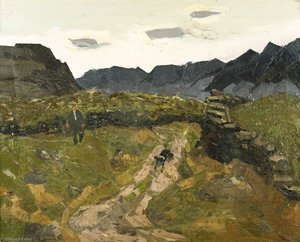
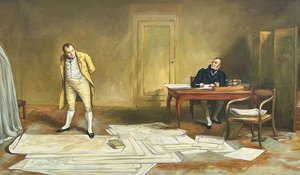
Artist Biography
A Victorian Life in Art: The World of Robert William Buss
Robert William Buss, born in the bustling heart of London in 1804, was a quintessential product of his era – a versatile artist navigating the shifting currents of Victorian taste and ambition. His life story is one woven with threads of artistic dedication, familial support, and a touch of poignant regret. From his earliest days amidst the tools of his father’s engraving workshop to his later explorations of literary illustration, Buss embodied the industrious spirit and diverse skillset valued in 19th-century Britain. He wasn't merely a painter; he was an etcher, a portraitist, a historical scene-setter, and a devoted family man whose legacy extends beyond the canvas into the realm of educational reform.Early Training and Theatrical Beginnings
Buss’s artistic journey began within the family trade. His father, a master engraver and enameller, provided an initial immersion in craftsmanship that would inform his later work. This practical foundation was then augmented by formal training under George Clint, a respected figure known for his miniatures, watercolours, and mezzotint engravings. Clint’s influence instilled in Buss a command of diverse techniques – a crucial asset in a period where artists were expected to be proficient across multiple mediums. Initially, Buss found success capturing the likenesses of prominent actors. The theatre world provided both subject matter and patronage; his portraits of William Charles Macready, John Pritt Harley, and John Baldwin Buckstone demonstrate a keen eye for character and an ability to translate stage presence onto canvas. These early works weren’t simply representations but rather celebrations of Victorian theatrical culture, capturing the glamour and drama of the era's most celebrated performers.The *Pickwick Papers* and Literary Aspirations
A pivotal moment – and a source of lifelong disappointment – arrived with the commission to illustrate Charles Dickens’ *The Pickwick Papers*. Following the untimely death of the original illustrator, Robert Seymour, Buss was approached by Chapman & Hall. While his preliminary sketches were deemed adequate, he lacked expertise in steel plate etching, necessitating the hiring of an external etcher. The resulting printed images failed to meet expectations, leading to his dismissal from the project. This setback deeply affected Buss, yet it didn’t diminish his admiration for Dickens. Instead, it fueled a desire to visually interpret Dickens's work on his own terms. This culminated in *Dickens’ Dream*, an unfinished watercolour now housed at the Charles Dickens Museum. The painting is a remarkable testament to Buss’s literary devotion – a dreamscape populated by characters from Dickens’ novels surrounding the author as he dozes in his study at Gad’s Hill Place. It's not merely an illustration, but a heartfelt tribute, capturing the imaginative power and enduring appeal of Dickens’ storytelling. Beyond *Pickwick Papers*, Buss also lent his illustrative talents to works by Frederick Marryat (*Peter Simple*) and Frances Trollope (*The Widow Married*), showcasing his versatility and adaptability as an artist. He further contributed designs for wood engravings in Charles Knight’s editions of *London*, Shakespeare, and *Old England*.Family, Education, and a Lasting Legacy
Robert William Buss's life wasn't solely defined by artistic pursuits. In 1826, he married Frances Fleetwood, and together they established a home in Camden Town, London, raising ten children – six of whom survived infancy. Their daughter, Frances Mary Buss, would become a pioneering figure in girls’ education, and Robert William actively supported her endeavors. Driven by financial concerns, his wife founded a school for boys and girls in 1845, with Frances Mary subsequently establishing a morning school offering a liberal education to young ladies within the same premises. Robert William contributed to this educational venture, teaching drawing, science, literature, and elocution. He was also an active scholar, researching earlier British printmakers and delivering lectures accompanied by visual examples. In 1874, he published *English Graphic Satire*, a testament to his scholarly interests and a celebration of the artistic predecessors who paved the way for his own work.A Versatile Talent Remembered
Robert William Buss passed away in 1875, leaving behind a legacy as a versatile artist – a skilled portraitist, illustrator, and engraver whose career spanned several decades of Victorian artistic life. While the *Pickwick Papers* incident cast a shadow over his professional path, it ultimately underscored his deep admiration for Dickens and inspired one of his most poignant works. His contributions to girls’ education through his unwavering support of his daughter Frances Mary Buss further solidify his place in history. Today, *Dickens’ Dream* stands as a powerful reminder of his talent, dedication, and the enduring connection between art and literature – a fitting tribute to an artist who embraced the multifaceted nature of Victorian creativity.- Born: Aldersgate, United Kingdom (1804)
- Died: 1875
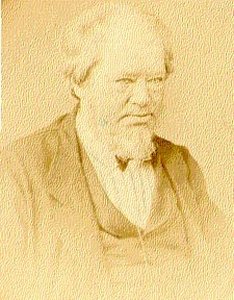
Robert William Buss
1804 - 1875 , United Kingdom
Quick Facts
- Artistic Movement Or Style: Victorian
- Artists Or Movements Influenced By This Artist: ['Frances Buss']
- Artists Who Influenced This Artist: ['George Clint']
- Date Of Birth: 1804
- Date Of Death: 1875
- Full Name: Robert William Buss
- Nationality: British
- Notable Artworks:
- Dickens's Dream
- John Cooper as Captain Mouth
- Richard Bentley
- Place Of Birth: Aldersgate, UK

