 Preview
 Send
Send Share
Share
 Details

 Download
 Similars
 X-Ray
X-Ray Diaporama
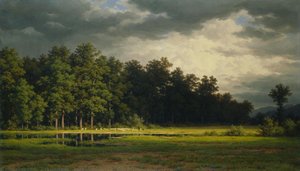
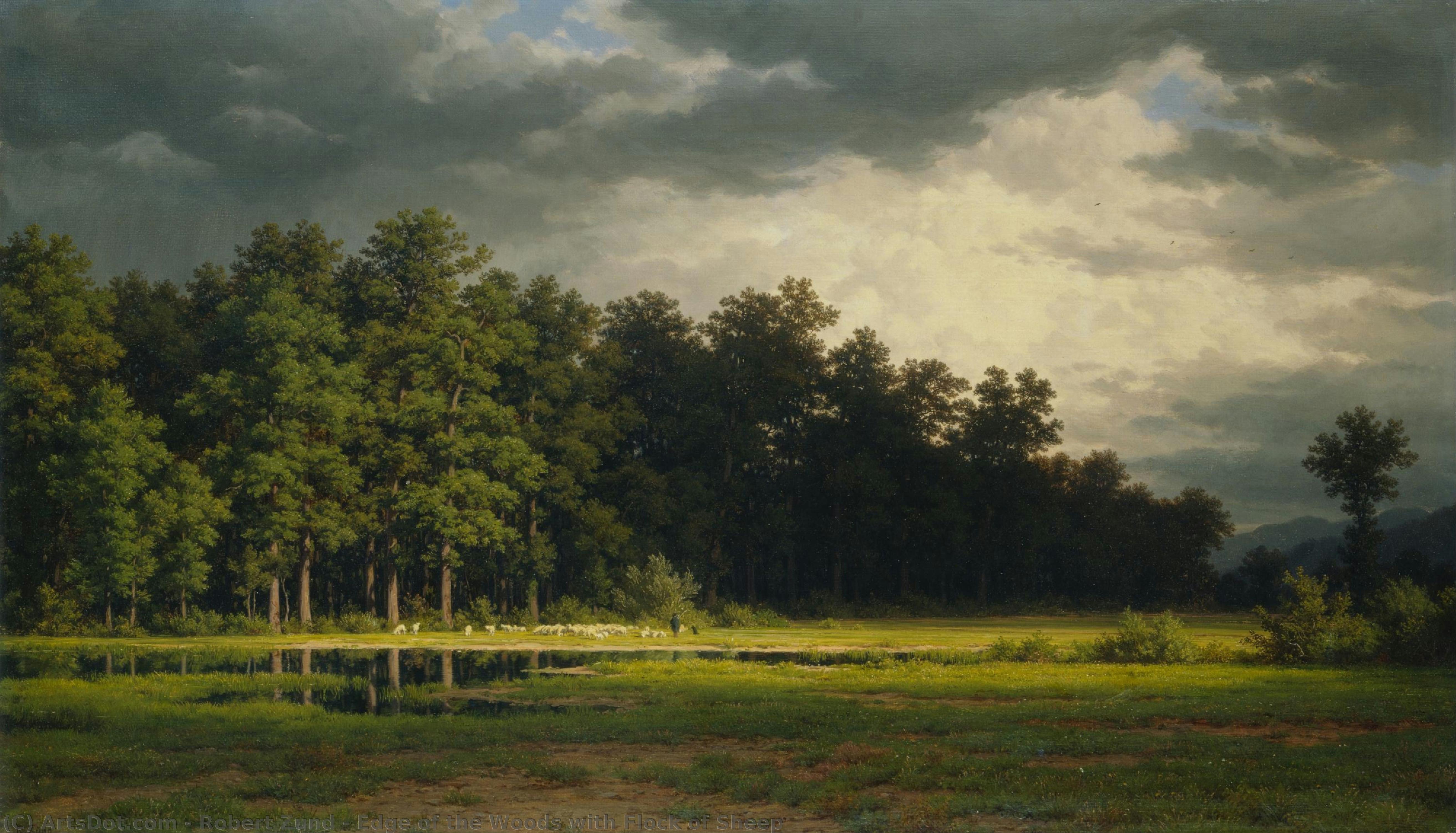
Edge of the Woods with Flock of Sheep
 Oil
Oil- WallArt
- Swiss Realism
 1897
1897- 19th Century
 48.0 x 81.0 cm
 Kunsthaus Zürich
 Read More
Hand Made Oil Reproduction
Hand-painted oil on canvas in your size and frame, made to order by our artists. ( Buy Print Buy Image)




P118B $10

P118H $10

P118W $10

P438Z $10

P508JH $12

P508YH $12

P805H $10

P805Z $10

P919BZ $10

P919G $10

P919XJ $10

P959ZH $10

P968JZ $12

W106C $8

W218G $10

W218JH $8

W218Y $10

W307PJ $10

W316G $10

W316PJ $8

W316Y $10

W398PJ $8

W4111J $10

W500HY $15

W500JH $15

W692G $12

W849H $8

W940BG $15

W953PJ $8




Pick from our preset sizes that match the artwork's original proportions.

You may enter your own dimensions to fit a specific frame or space. If your selected size does not match the original image's proportions, we will either crop the artwork or extend the painting with additional hand-painted elements. A digital mockup will be sent for your approval before production begins.
Please note that the on-screen preview does not reflect the actual cropping or extension. Only the mockup will accurately show the final composition.
While custom sizes are available, we recommend selecting a dimension from the predefined list to preserve the original proportions.
After order, ArtsDot.com team will email client for instructions and provide a mockup preview
Worldwide Delivery () in 3/4 weeks instead of standard 5 weeks. (28 August). No compromise on quality.

Free Worldwide Express Shipping

High-Quality Linen Canvas

Full Shipping Insurance

Customs Tax Refund Guarantee

True Color Matching Guarantee

60-Day Return Policy (Defects Only)

100% Money-Back Guarantee

Bulk Discount Offer
 Glass option is only available in size under 110 CM

Edge of the Woods with Flock of Sheep
Reproduction Medium
Reproduction Size
-


Total Price
$ 263
A Pastoral Symphony in Light and Shadow
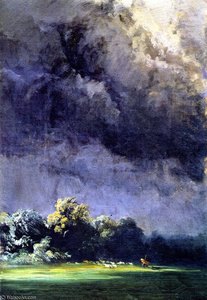
In the quietude of the late nineteenth century, few artists captured the soul of the Swiss countryside with as much tenderness as Robert Zund. His masterpiece, Edge of the Woods with Flock of Sheep, serves as a breathtaking window into an era of profound tranquility. Painted in 1897, this evocative landscape invites the viewer to step away from the frenetic pace of modern life and into a sun-drenched meadow where time seems to stand still. The composition is anchored by a lush, verdant field that stretches toward a dense, protective boundary of trees, creating a sense of sanctuary and seclusion. Within this idyllic setting, a flock of at least thirteen sheep grazes peacefully, their scattered forms adding a rhythmic, organic movement to the stillness of the landscape.
The technique employed by Zund reflects his deep immersion in the traditions of Swiss Realism and the soft influences of French Romanticism. Through masterful brushwork, he achieves a remarkable sense of depth; the sheep in the foreground are rendered with enough detail to suggest the texture of their wool, while those receding toward the treeline become soft, ethereal shapes that melt into the hazy atmosphere of the woods. This use of atmospheric perspective does more than just create dimension—it imbues the painting with a dreamlike quality. The interplay of light filtering through the canopy and illuminating the grassy knolls creates a luminous effect, making the meadow appear as if it is breathing under the warmth of a gentle afternoon sun.
Historical Resonance and Emotional Depth
Beyond its aesthetic beauty, this work carries a poignant historical narrative. The painting was commissioned by Adolf and Mina Tobler-Blumer, who visited Zund’s studio in June 1896, marking a personal connection between the artist and his patrons that transcends mere commerce. To possess such a piece is to hold a fragment of Swiss heritage, a period when the landscape was viewed not just as scenery, but as a symbol of national identity and pastoral purity. The sheep, often symbols of innocence and peace, act as the emotional heartbeat of the work, grounding the grander elements of nature in a scene of humble, everyday grace.
For the discerning collector or interior designer, Edge of the Woods with Flock of Sheep offers more than just decoration; it provides an emotional anchor for a room. Its palette of deep forest greens, soft earth tones, and bright meadow highlights makes it a versatile centerpiece that can breathe life into a classical study or add a touch of serene sophistication to a contemporary living space. A high-quality reproduction of this work allows one to invite the restorative power of the natural world into their home, serving as a constant reminder of the enduring beauty found in the quiet corners of our earth.
Related Artworks
Artist Biography
Robert Zund: A Swiss Master of Idyllic Landscapes
Born in Lucerne, Switzerland, in 1827, Robert Zund emerged as a pivotal figure in 19th-century Swiss landscape painting. His life’s work was deeply rooted in the serene beauty of his native region – particularly the landscapes surrounding Lucerne and the majestic peaks of the Alps – capturing an idealized vision of rural Switzerland that resonated profoundly with audiences. Initially apprenticed to Jakob Schwegler, a respected local artist, Zund's artistic journey took him from his hometown to Geneva, where he honed his skills under the tutelage of François Diday and Alexandre Calame, absorbing influences from both French Romanticism and Swiss Realism.
Zund’s early career was marked by collaboration with Rudolf Koller. Together they initially sought to establish a local artists' association but ultimately decided to pursue their individual paths. This partnership, however, proved formative, fostering a deep friendship and mutual respect that undoubtedly shaped Zund’s artistic development. His relocation to Lucerne in 1863 marked a significant turning point, establishing him as a dedicated observer and interpreter of the landscapes he loved. He deliberately avoided depicting modern elements – railways, buildings—preferring instead to focus on the timeless beauty of nature, creating scenes that felt both familiar and profoundly evocative.
The Development of an Idyllic Style
Zund’s artistic style is immediately recognizable for its meticulous detail, naturalistic approach, and a profound sensitivity to light. He wasn't merely depicting landscapes; he was striving to capture the *feeling* of being within them. Influenced by artists like Claude Lorrain, Ruisdael, and Paulus Potter, whom he studied in Paris, Zund developed a technique characterized by precise observation and a masterful command of color. His compositions often adhered to classical principles of landscape design, creating balanced and harmonious scenes.
A key element of his work is the way he rendered light – particularly in paintings like *Der Eichenwald* (The Oak Forest). Shadows cast by trees create a remarkable sense of depth, while sun-drenched meadows and cornfields shimmer with an almost palpable warmth. This ability to evoke atmosphere through subtle shifts in tone and color elevated his work beyond simple representation, imbuing it with a powerful emotional resonance. His meticulous attention to detail—the texture of bark, the sway of grasses, the play of light on water—created images that felt remarkably real, inviting viewers to step into the scene and experience its tranquility firsthand.
Key Works and Themes
Several paintings stand out as particularly significant examples of Zund’s oeuvre. *Der Eichenwald* (1882), a monumental depiction of an oak forest, is arguably his most celebrated work, showcasing his mastery of light, composition, and detail. The painting's scale and richness of texture are breathtaking, transporting the viewer to the heart of the Swiss wilderness. Other notable works include *The Harvest* (1860), *The Road to Emmaus* (1877) which reflects a period of religious contemplation in his art, and numerous depictions of rural life – farmers tending their fields, horses grazing in meadows, and figures engaged in everyday activities.
Throughout his career, Zund consistently explored themes of nature’s beauty, the rhythms of rural life, and the connection between humanity and the natural world. His paintings are not simply landscapes; they are meditations on the sublime—moments of profound awe and wonder inspired by the grandeur and serenity of Switzerland's alpine scenery.
Historical Significance and Legacy
Robert Zund’s work holds a significant place in Swiss art history. He represents a crucial bridge between Romanticism and Realism, capturing the spirit of his time while forging a distinctly personal style. His meticulous observation and evocative depictions of the Swiss landscape profoundly influenced subsequent generations of artists. His paintings continue to be admired for their beauty, technical skill, and ability to transport viewers to the heart of Switzerland’s idyllic wilderness.
Zund's legacy extends beyond his artistic achievements. He was recognized by the University of Zurich in 1906 with an honorary doctorate, a testament to his contribution to Swiss culture. His name is also associated with a street in Lucerne, ensuring that his memory and work will continue to be celebrated for generations to come. His paintings are now housed in prominent museums such as the Kunsthaus Zürich and the Kunstmuseum Basel, solidifying his position as one of Switzerland’s most beloved landscape painters.
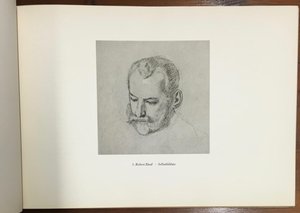
robert zund
1826 - 1909 , Switzerland
Quick Facts
- Artistic Movement Or Style: Swiss Landscape Painting
- Artists Or Movements Influenced By This Artist: ['Romanticism']
- Artists Who Influenced This Artist:
- Jakob Schwegler
- Joseph Zelger
- François Diday
- Alexandre Calame
- Date Of Birth: May 3, 1827
- Date Of Death: January 15, 1909
- Full Name: Robert Zünd
- Nationality: Swiss
- Notable Artworks:
- Der Lauerzersee
- Tellsprung
- Place Of Birth: Lucerne, Switzerland
Related Articles

Grant Wood & American Regionalism: Identity, Myth & the Rural Landscape
Explore the world of Grant Wood & American Regionalism with ArtsDot. Discover the symbolism behind 'American Gothic', recurring themes, and the movement's lasting impact on art history. High-quality reproductions available.
F.A.Q.: Acrylic vs. Wood Framing – A Collector's Guide to Timeless Elegance
Explore framing options for your art collection with . Discover the differences between acrylic & wood frames – expert guidance on preservation, style & investment value.
Ernest Biéler: Navigating Modernity Through Light & Form – A Comprehensive Exploration
Explore the captivating world of Ernest Biéler, a pivotal Swiss painter. Discover his artistic philosophy, technical mastery & lasting legacy. A comprehensive guide for art collectors and enthusiasts.
Ferdinand Hodler: Symbolism, Parallelism & the Quest for Universal Harmony
Explore the captivating world of Ferdinand Hodler, Swiss Symbolist painter renowned for his evocative landscapes & pioneering 'parallelism'. Discover his life, key works, and lasting influence on art history. Own a hand-painted reproduction today!
Oil on Panel: A Historical Survey of Technique, Support, and Aesthetic Impact
Explore the rich history of oil on panel painting! Discover Renaissance techniques, support construction, & the enduring legacy of this masterful art form. Expert insights for collectors and enthusiasts.