 Send
Send Share
Share
 Details

 Download
 Similars
 Diaporama
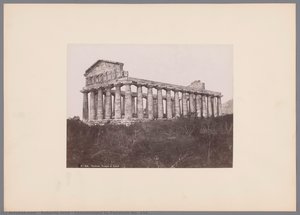
Cerestempel te Paestum No. 256.


 Read More
Hand Made Oil Reproduction
Hand-painted oil on canvas in your size and frame, made to order by our artists. ( Buy Print Buy Image)




































Pick from our preset sizes that match the artwork's original proportions.

You may enter your own dimensions to fit a specific frame or space. If your selected size does not match the original image's proportions, we will either crop the artwork or extend the painting with additional hand-painted elements. A digital mockup will be sent for your approval before production begins.
Please note that the on-screen preview does not reflect the actual cropping or extension. Only the mockup will accurately show the final composition.
While custom sizes are available, we recommend selecting a dimension from the predefined list to preserve the original proportions.
After order, ArtsDot.com team will email client for instructions and provide a mockup preview
Worldwide Delivery () in 3/4 weeks instead of standard 5 weeks. (17 August). No compromise on quality.

Free Worldwide Express Shipping

High-Quality Linen Canvas

Full Shipping Insurance

Customs Tax Refund Guarantee

True Color Matching Guarantee

60-Day Return Policy (Defects Only)

100% Money-Back Guarantee

Bulk Discount Offer
 Glass option is only available in size under 110 CM

Cerestempel te Paestum No. 256.
Reproduction Medium
Reproduction Size
-


Total Price
$ 263
Artwork Description
The Echoes of Antiquity: Paestum in Monochrome
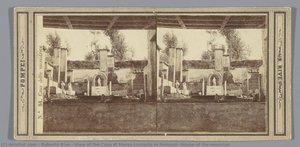
To gaze upon this photograph is to step across the threshold of time itself. Roberto Rive’s depiction of the Temple of Jupiter at Paestum, captured in 1880, is far more than a mere record of stone and foliage; it is a profound meditation on endurance. The composition centers with an almost reverent gravity upon the monumental Greek temple structure, allowing its imposing scale and meticulously rendered architectural details to dominate the frame. Rive masterfully frames this classical marvel within a dense, brooding forest landscape. The interplay between the rigid geometry of the columns and the organic chaos of the surrounding woods creates a visual tension that has captivated admirers for generations.
A Study in Light and Shadow: Technique and Atmosphere
The technical brilliance of this piece lies in its monochromatic presentation. Executed as an albumen print, the resulting black and white tonality strips away the distraction of color, forcing the viewer’s eye to concentrate on form, texture, and contrast. The lighting appears diffused, lending a soft yet dramatic quality that allows the rough grain of the ancient stone and the varied textures of the deep green foliage to emerge with palpable clarity. Notice how the receding lines of the temple's colonnade draw the gaze deep into the picture plane, while the subtle gradations between light and shadow accentuate every carved detail. It is a testament to 19th-century photographic prowess, capturing an atmosphere that feels both grandly documented and deeply atmospheric.
Symbolism: Power Meeting Nature
The subject matter itself speaks volumes about human civilization’s relationship with the eternal. The temple stands as a potent symbol of enduring power—the unwavering legacy of classical thought, religion, and monumental human endeavor. Yet, it is not isolated; it is embraced by nature. This integration suggests that even the most rigid structures of human achievement are ultimately enveloped by the cyclical, persistent life force of the natural world. For the collector or designer, this duality offers a powerful symbolic anchor: the marriage of timeless artistry with untamed beauty.
Evoking Awe: The Emotional Resonance
Emotionally, Rive’s vision evokes a deep sense of awe and quiet reverence. There is a palpable stillness captured here—the hush that falls over sacred ground when history pauses for contemplation. When considering this piece for an interior space or as a focal point in your collection, consider the feeling it imparts: one of profound historical connection. It invites the viewer to pause their modern rush, to breathe deeply, and to feel the weight and wonder of antiquity surrounding them.
Related Artworks

Artist Biography
A Pioneer of Italian Photography: The Life and Legacy of Roberto Rive
The name Roberto Rive resonates within the annals of 19th-century photography, yet his story is one subtly interwoven with transformation and a dedication to capturing a world on the cusp of change. Born in Great Britain around 1825, Rive’s artistic journey took an unexpected turn when he relocated to Italy, eventually adopting the Italianized version of his name—a symbolic shift mirroring his deepening connection to the peninsula's rich history and vibrant landscapes. While initially working as a topographical and portrait photographer, it was in Italy that Rive truly found his calling, becoming renowned for his meticulous documentation of Pompeii and Rome during the 1860s and 1870s.
Early Career and the Italian Embrace
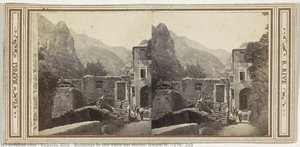
Rive’s early photographic endeavors were rooted in the established practices of portraiture and landscape photography. However, upon settling in Naples, he began to focus on a more ambitious project: visually chronicling the archaeological wonders of Southern Italy. This period coincided with a surge in public fascination with classical antiquity, fueled by ongoing excavations at Pompeii and Herculaneum. Rive’s studio quickly became known for producing high-quality views and stereographs—a popular format that offered viewers an immersive, three-dimensional experience of these ancient sites. His participation in the 1867 Exposition Universelle in Paris brought his work to a wider international audience, establishing him as a significant figure within the burgeoning field of photography.
Pompeii and Rome: A Visual Testament
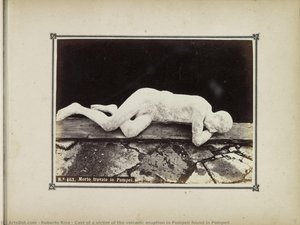
The heart of Rive’s artistic legacy lies in his extensive photographic series of Pompeii and Rome. Unlike many photographers of the time who focused on grand monuments and idealized compositions, Rive adopted a more documentary approach. His images are characterized by their stark realism, capturing not only the architectural splendor but also the poignant details of everyday life frozen in time—the casts of volcanic victims, the crumbling walls of homes, the textures of ancient stone. These photographs weren’t merely aesthetic representations; they were visual testimonies to history, offering a glimpse into a lost civilization and evoking a sense of both awe and melancholy.
Technical Innovation and Artistic Style
Rive wasn't simply a recorder of images; he was also an innovator in photographic techniques. He is credited with patenting a photosensitive paper specifically suited for use in Southern Italy, demonstrating his commitment to refining the medium itself. His style, while rooted in realism, possessed a subtle artistic sensibility. The careful composition of his photographs, the play of light and shadow, and the attention to detail all contribute to their enduring aesthetic appeal. He masterfully used linear perspective to convey depth and scale, drawing viewers into the heart of these ancient spaces. His work often features a sepia tone, lending a timeless quality to the scenes he captured.
Historical Significance and Enduring Influence
Roberto Rive’s contribution to photography extends beyond his captivating images. He played a crucial role in popularizing archaeological sites like Pompeii and Rome, making them accessible to a wider audience through the power of visual representation. His photographs served as invaluable resources for scholars, artists, and historians, providing detailed documentation of these ancient wonders. His work is held in prestigious collections such as the J. Paul Getty Museum and the Musée d'Orsay, cementing his place within the canon of 19th-century photography. Rive’s dedication to realism, combined with his technical skill and artistic vision, continues to inspire photographers today, reminding us of the power of images to preserve history, evoke emotion, and connect us to the past.

roberto rive
United Kingdom
Quick Facts
- Artistic Movement Or Style: Documentary photography
- Date Of Birth: c. 1825
- Date Of Death: c. 1889
- Full Name: Roberto Rive
- Nationality: British/Italian
- Notable Artworks:
- Catania Elephant Fountain
- Pompeii Casts
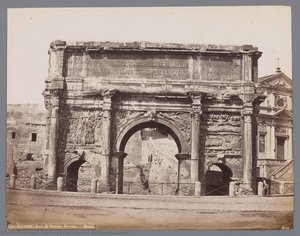
- Arch of Septimius Severus
- Place Of Birth: London, UK
Related Articles
Beyond the Lens: Photography's Enduring Influence on Modern & Contemporary Art
Explore photography's pivotal role in shaping modern & contemporary art. Discover key movements, influential artists like Stieglitz, and expert collecting advice from ArtsDot.

Monochrome Visions: Exploring the Aesthetic & Historical Significance of Black & White Photography
Explore the rich history & artistic power of black and white photography. From early techniques to iconic masters like Ansel Adams, discover why monochrome continues to captivate art lovers today. Expert insights for collectors.

Pictorialism: A Search for Artistic Photography's Soul – Aesthetics, Techniques & Legacy
Explore the captivating world of Pictorialism – a pivotal movement that transformed photography into fine art. Discover key artists like Stieglitz & Käsebier, techniques, and collecting tips from experts.

Witnessing History Through Lens & Light: Documentary Photography's Enduring Legacy
Explore the powerful history of documentary photography – from its origins to contemporary masters like Gordon Parks & W. Eugene Smith. Discover how this art form shapes our understanding of society and witness pivotal moments in time.

Documentary Photography's Defining Moments: 10 Masterpieces for Your Home |
Explore 10 defining documentary photography masterpieces – from Dorothea Lange to Robert Capa. Discover powerful stories, iconic images & timeless art for your home. Museum-quality prints at .