 Preview
 Send
Send Share
Share
 Details

 Download
 Similars
 X-Ray
X-Ray Diaporama
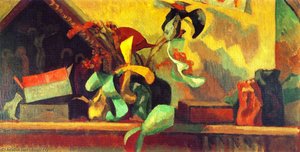
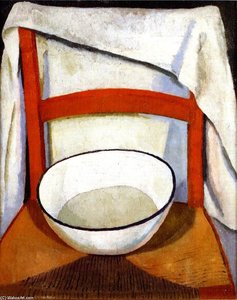
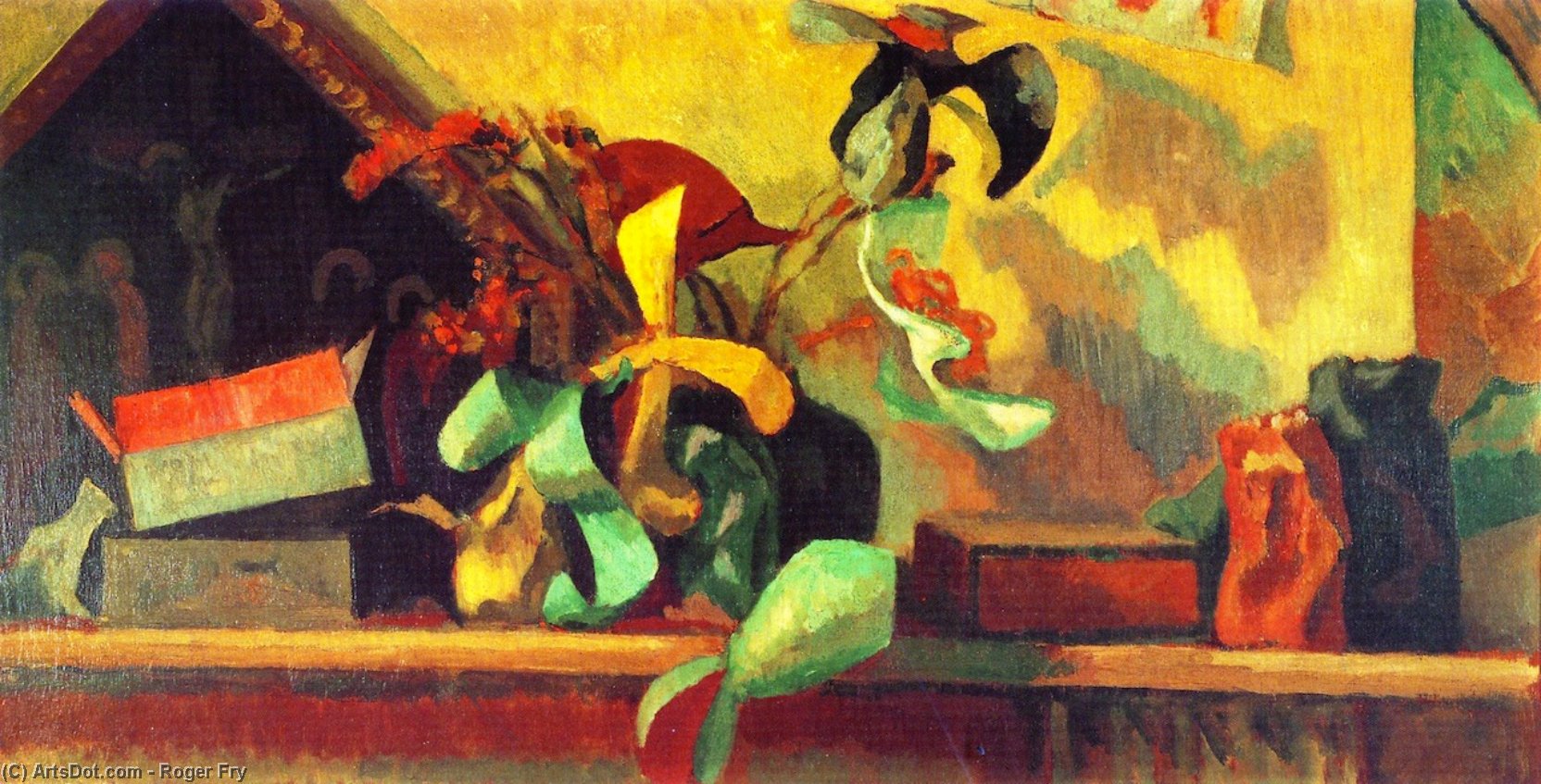
Still LIfe with Italian Painting


 Read More
Hand Made Oil Reproduction
Hand-painted oil on canvas in your size and frame, made to order by our artists. ( Buy Print Buy Image)




P118B $10

P118H $10

P118W $10

P438Z $10

P508JH $12

P508YH $12

P805H $10

P805Z $10

P919BZ $10

P919G $10

P919XJ $10

P959ZH $10

P968JZ $12

W106C $8

W218G $10

W218JH $8

W218Y $10

W307PJ $10

W316G $10

W316PJ $8

W316Y $10

W398PJ $8

W4111J $10

W500HY $15

W500JH $15

W692G $12

W849H $8

W940BG $15

W953PJ $8




Pick from our preset sizes that match the artwork's original proportions.

You may enter your own dimensions to fit a specific frame or space. If your selected size does not match the original image's proportions, we will either crop the artwork or extend the painting with additional hand-painted elements. A digital mockup will be sent for your approval before production begins.
Please note that the on-screen preview does not reflect the actual cropping or extension. Only the mockup will accurately show the final composition.
While custom sizes are available, we recommend selecting a dimension from the predefined list to preserve the original proportions.
After order, ArtsDot.com team will email client for instructions and provide a mockup preview
Worldwide Delivery () in 3/4 weeks instead of standard 5 weeks. (16 August). No compromise on quality.

Free Worldwide Express Shipping

High-Quality Linen Canvas

Full Shipping Insurance

Customs Tax Refund Guarantee

True Color Matching Guarantee

60-Day Return Policy (Defects Only)

100% Money-Back Guarantee

Bulk Discount Offer
 Glass option is only available in size under 110 CM

Still LIfe with Italian Painting
Reproduction Medium
Reproduction Size
-


Total Price
$ 263
Artwork Description
Still LIfe with Italian Painting: A Window Into Bloomsbury Aesthetic
The Roger Fry painting, Still Life with Italian Painting, stands as a cornerstone of early 20th-century British art and embodies the spirit of the Bloomsbury Group’s radical reimagining of artistic expression. Created in 1918, this oil on panel artwork resides at the South African National Gallery in Cape Town, serving as a testament to Fry's unwavering belief in confronting convention and prioritizing formal considerations over narrative content—a stance that profoundly influenced subsequent generations of artists.A Composition Steeped in Symbolism
At first glance, the painting presents a deceptively simple arrangement: flowers – predominantly chrysanthemums and lilies – delicately positioned within a vase against a muted backdrop of draped fabric. However, Fry’s genius lies not merely in depicting beauty but in layering symbolic meaning onto every element. The vase itself represents containment and fragility—a poignant reflection on life's ephemeral nature, mirroring the anxieties prevalent during the turbulent years leading up to World War I. The flowers themselves are laden with symbolism; chrysanthemums traditionally signify mourning and remembrance, while lilies symbolize purity and resurrection – themes interwoven to evoke contemplation about mortality and renewal.Fry’s Innovative Technique: Embracing Color and Texture
Fry's masterful technique distinguishes Still Life with Italian Painting from its contemporaries. He eschewed the Impressionistic preoccupation with capturing fleeting moments of light and instead focused on exploring the inherent qualities of pigment itself. Utilizing a restrained palette dominated by earthy tones—ochres, browns, and muted greens—Fry achieved remarkable textural depth through meticulous layering of glazes. This technique allowed him to convey not just what he saw but how he *felt*, prioritizing visual sensation over representational accuracy. The subtle variations in color and surface sheen contribute significantly to the painting’s overall mood – one of quiet solemnity tempered by an underlying sense of grace.The Bloomsbury Context: Challenging Artistic Conventions
Understanding Still Life with Italian Painting requires appreciating its place within the broader intellectual landscape of the Bloomsbury Group—a collective of writers, artists, and thinkers who rejected Victorian morality and championed experimentation in art and literature. Fry’s insistence on prioritizing formal elements stemmed directly from his admiration for European avant-garde movements like Cubism and Futurism, which challenged traditional perspectival representation and embraced geometric abstraction. He argued passionately that “the painter must not seek to represent the world as it appears to the eye; he must seek to represent what is in the eye.” This conviction fueled debates about artistic purpose and paved the way for a new aesthetic sensibility—one that prioritized intellectual engagement alongside sensory pleasure.A Legacy of Elegance: Reproductions That Capture Essence
Today, ArtsDot offers exceptional reproductions of Still Life with Italian Painting, meticulously crafted to preserve Fry’s original vision. These handmade oil paintings capture not only the visual splendor of the artwork but also its profound emotional resonance—a reminder that art can transcend mere decoration and offer a glimpse into the complexities of human experience. Explore the collection at https://ArtsDot.com and discover how this iconic piece can enrich your home or inspire your artistic endeavors.Related Artworks
Artist Biography
A Pioneer of Modern Vision: The Life and Legacy of Roger Fry
Roger Eliot Fry, a name synonymous with the introduction of modern art to Britain, was far more than simply a painter or critic; he was a cultural catalyst. Born in 1866 into a prosperous Quaker family in Highgate, London, Fry’s early life was steeped in intellectual curiosity and a liberal atmosphere that fostered his burgeoning artistic sensibilities. Though initially directed towards the sciences at Cambridge University – where he engaged with freethinking societies like the Conversazione Society – Fry's true calling lay in the realm of visual expression. He soon abandoned scientific pursuits to study painting in Paris and Italy, honing his skills primarily in landscape work, yet it was not as a practicing artist that he would leave his most indelible mark on the art world.
Championing the New: Post-Impressionism and Beyond
Fry’s enduring legacy rests upon his visionary role as an advocate for what he termed “Post-Impressionism.” Recognizing the profound shift occurring in French painting, he championed artists like Paul Cézanne, Vincent van Gogh, Paul Gauguin, and Henri Matisse – figures largely unknown or misunderstood by the British public at the turn of the 20th century. He perceived within their work a radical departure from traditional representational art, an emphasis on formal qualities—line, color, mass, and design—that resonated with his own evolving aesthetic principles. This wasn’t merely about appreciating beautiful pictures; it was about understanding a new visual language, one that prioritized the artist's subjective experience and the inherent properties of the medium itself.
This conviction culminated in two groundbreaking exhibitions at London’s Grafton Galleries in 1910 and 1912. These shows were nothing short of revolutionary, though initially met with considerable controversy and even ridicule. The British art establishment, accustomed to academic realism, was scandalized by the bold colors, distorted forms, and unconventional compositions on display. Yet, despite the initial uproar, these exhibitions proved instrumental in introducing Post-Impressionist ideas to a wider audience, planting the seeds for a fundamental shift in British taste. Fry didn’t just present these artists; he provided a critical framework for understanding them, articulating their significance in essays and lectures that became foundational texts for modern art appreciation.
A Multifaceted Artistic Voice
While celebrated primarily as a critic and curator, Roger Fry was also an active painter. His artistic output, though less widely recognized than his critical writings, reveals a thoughtful exploration of form and color. Early works often featured straightforward naturalistic portraits or landscapes, demonstrating a solid technical skill. However, influenced by the very artists he championed, Fry’s style gradually evolved towards greater abstraction. He didn't aspire to be a professional portraitist; rather, he sought to capture “the delight of unexpected beauty,” imbuing his subjects with an emotional resonance that transcended mere likeness.
Notable works include "Cowdray Park," which Fry himself considered his most complete artistic statement—a harmonious blend of observation and expressive color. His 1919 painting, “Still Life with T'ang Horse,” stands as a significant foray into abstraction, showcasing the influence of Cubism and Expressionism in its fragmented forms and dynamic composition. Fry also extended his creative energies to ceramics, producing pieces like “Blue glazed side or fruit plate,” demonstrating an interest in craftsmanship and formal design that complemented his broader artistic vision.
Lasting Influence and a Formalist Legacy
Roger Fry’s impact on the British art world is immeasurable. Kenneth Clark famously declared him "incomparably the greatest influence on taste since Ruskin," a testament to his ability to reshape aesthetic preferences within the Anglophone world. His writings, particularly his influential essay “An Essay in Aesthetics,” articulated a formalist approach to art appreciation—emphasizing the importance of visual elements over narrative content—that continues to resonate with scholars and artists today.
Beyond his critical contributions, Fry’s influence extended to the realm of design through his involvement with the Omega Workshops. Founded in 1913, this cooperative venture aimed to create affordable, aesthetically pleasing objects for everyday life, blurring the boundaries between fine art and applied arts. Fry's dedication to promoting modern art paved the way for greater acceptance and understanding of avant-garde movements in Britain, solidifying his place as a pivotal figure in art history—a visionary who dared to challenge conventional norms and open British eyes to the possibilities of a new artistic era.
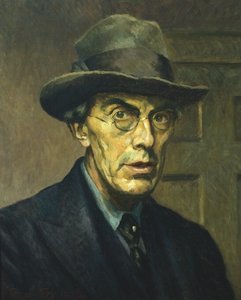
Roger Fry
1866 - 1934 , United Kingdom
Quick Facts
- Artistic Movement Or Style: Post-Impressionism
- Artists Or Movements Influenced By This Artist:
- Bloomsbury Group
- Modern art in Britain
- Date Of Birth: 1866
- Date Of Death: 1934
- Full Name: Roger Eliot Fry
- Nationality: British
- Notable Artworks:
- Cowdray Park
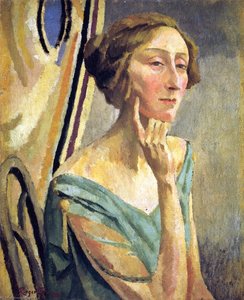
- Edith Sitwell
- Still Life with T'ang Horse
- Place Of Birth: London, UK
Related Articles
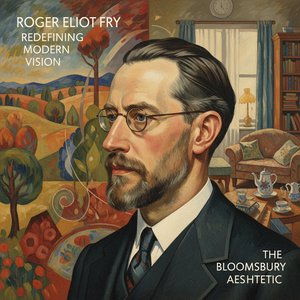
Roger Eliot Fry: Redefining Modern Vision & The Bloomsbury Aesthetic
Explore the revolutionary impact of Roger Fry on modern art & the Bloomsbury Group. Discover his pivotal role in introducing Post-Impressionism to Britain and reshaping aesthetic understanding. Learn about his exhibitions, theories, and lasting legacy.
Beyond Impressionism: Exploring the Emotional Depth of Post-Impressionist Painting
Explore the profound emotional depth & innovative techniques of Post-Impressionism with ArtsDot. Discover Cézanne, Van Gogh, Gauguin & more – and their lasting impact on modern art.

Cézanne's Masterpieces: 25 Iconic Artworks to Transform Your Space
Journey through 25 iconic artworks by Paul Cézanne – a master of Impressionism and Post-Impressionism. Explore his landscapes, still lifes, and the stories behind these timeless masterpieces. Discover museum-quality reproductions & curated decor at ArtsDot.com.
Post-Impressionism's 10 Defining Masterpieces: Art for Your Home |
Journey through Post-Impressionism's 10 defining masterpieces – Van Gogh, Monet & more. Explore iconic paintings, art history & find museum-quality reproductions for your home at . Discover all masterpieces online!
Beyond Light & Color: Impressionism vs. Post-Impressionism for the Discerning Collector
Explore the nuances of Impressionism & Post-Impressionism with . Expert insights for collectors on style, investment, and acquiring museum-quality reproductions.