 Preview
 Send
Send Share
Share
 Details

 Download
 Similars
 X-Ray
X-Ray Diaporama
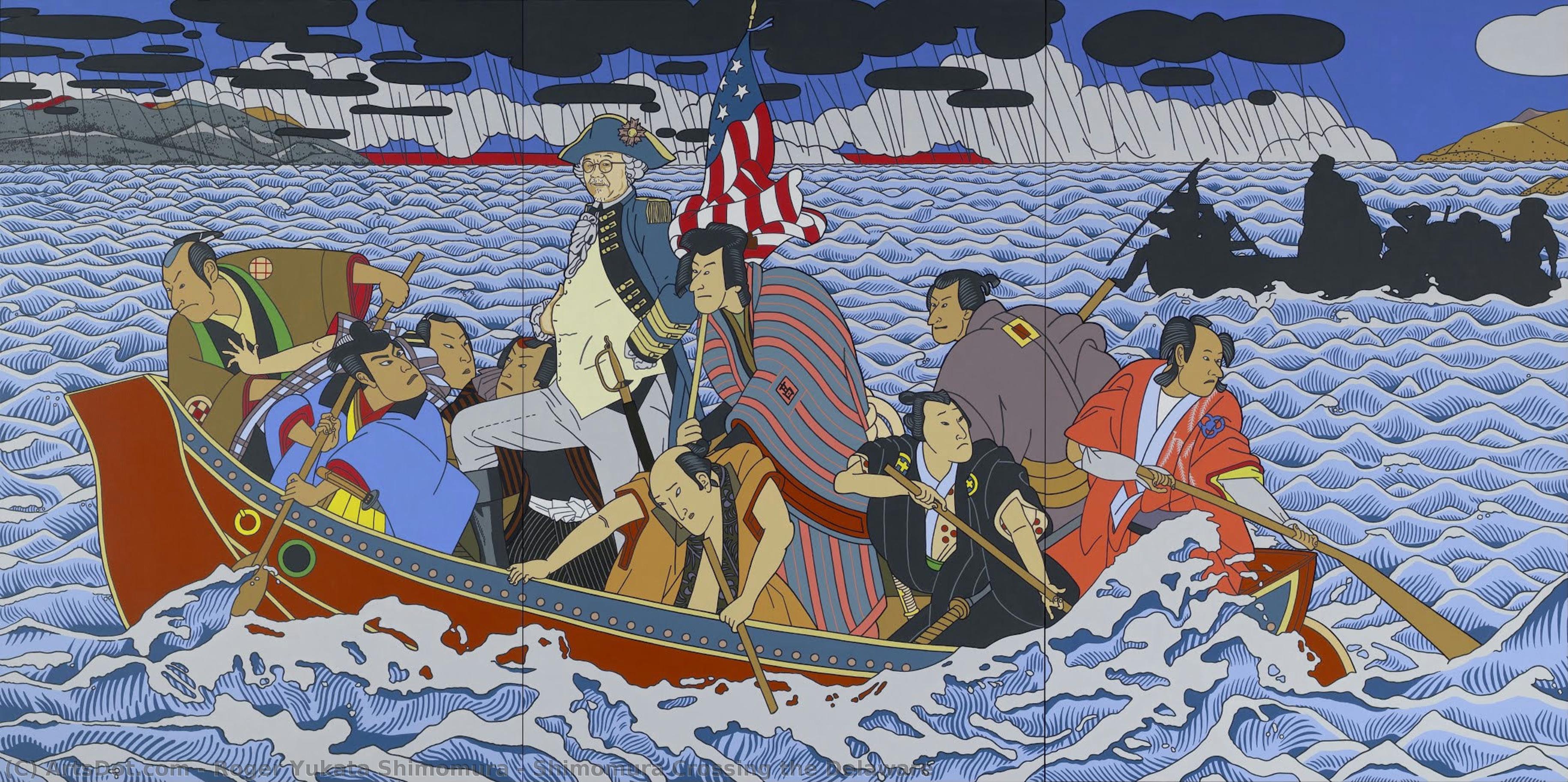
Shimomura Crossing the Delaware
 Painting
- Pop Art
 2010
2010- Contemporary
 365.0 x 182.0 cm
 National Portrait Gallery
 Read More
Giclée / Art Print
Museum-quality giclée or canvas print with fast production and flexible finish options. ( Buy Hand Made Painting Buy Image)




P118B $10

P118H $10

P118W $10

P438Z $10

P508JH $12

P508YH $12

P805H $10

P805Z $10

P919BZ $10

P919G $10

P919XJ $10

P959ZH $10

P968JZ $12

W106C $8

W218G $10

W218JH $8

W218Y $10

W307PJ $10

W316G $10

W316PJ $8

W316Y $10

W398PJ $8

W4111J $10

W500HY $15

W500JH $15

W692G $12

W849H $8

W940BG $15

W953PJ $8




Pick from our preset sizes that match the artwork's original proportions.

You may enter your own dimensions to fit a specific frame or space. If your selected size does not match the original image's proportions, we will either crop the artwork or extend the image with a mirrored or solid-fill edge. A digital mockup will be sent for your approval before production begins.
Please note that the on-screen preview does not reflect the actual cropping or extension. Only the mockup will accurately show the final composition.
While custom sizes are available, we recommend selecting a dimension from the predefined list to preserve the original proportions.
Worldwide Delivery () in 2 weeks instead of standard 4/5 weeks. (25 August)

Free Worldwide Express Shipping

High-Quality Linen Canvas

Full Shipping Insurance

Customs Tax Refund Guarantee

True Color Matching Guarantee

60-Day Return Policy (Defects Only)

100% Money-Back Guarantee

Bulk Discount Offer
 Glass option is only available in size under 110 CM

Shimomura Crossing the Delaware
Giclée / Art Print
Reproduction Size
-


Total Price
$ 63
Collectible Description
A Collision of Histories: Reimagining the American Epic
In his profound masterpiece, Shimomura Crossing the Delaware, Roger Shimomura orchestrates a breathtaking visual dialogue between two vastly different cultural legacies. At first glance, the viewer is met with a scene of monumental scale and turbulent motion, reminiscent of the grand historical canvases of the nineteenth century. However, as the eye settles upon the details, the familiar iconography of American triumph begins to dissolve into something far more complex and subversive. The painting serves as a brilliant, layered reimagining of Emanuel Leutze’s iconic 1851 work, Washington Crossing the Delaware, yet it breathes new life into the composition by infusing it with the poignant realities of the Asian American experience.
The artist masterfully utilizes the weight of historical precedent to explore themes of identity and displacement. While the structural bones of the painting echo the heroic posture of George Washington, Shimomura replaces the colonial troops with samurai warriors, creating a striking juxtaposition between Western revolutionary spirit and Eastern martial tradition. This substitution is not merely aesthetic; it is a profound commentary on the layers of heritage that constitute the American identity. The water, which once represented the Delaware River, is transformed into the churning waters of San Francisco Harbor, with the silhouette of Angel Island looming in the background—a haunting reminder of the processing center that served as the gateway for many Asian immigrants.
Technique and the Fusion of Artistic Traditions
Shimomura’s technical execution is a triumph of stylistic fusion, blending the bold, graphic sensibilities of Pop Art with the delicate, structured elegance of Japanese ukiyo-e woodblock prints. The composition draws significant inspiration from the legendary Katsushika Hokusai, adopting a flattened perspective and a dynamic use of negative space that directs the viewer's gaze through the rhythmic movement of the boat and the cresting waves. This synthesis creates a visual language that feels both modern and ancient, making the piece an extraordinary specimen for collectors who appreciate art that bridges the gap between disparate eras.
The color palette and brushwork contribute to a sense of heightened reality. The painting captures a lively, almost kinetic energy within the vessel, where at least thirteen figures navigate the rough waters. There is a palpable tension between the chaotic environment and the collective resilience of the passengers. For interior designers and curators, this work offers a commanding presence; its large-scale dimensions (365 x 182 cm) and rich, narrative depth make it an ideal centerpiece for spaces that demand intellectual engagement and emotional resonance.
A Legacy of Resilience and Identity
Beyond its formal beauty, the painting is an intimate reflection of Shimomura’s own biography. Having endured the trauma of the Japanese American internment at Minidoka during World War II, the artist imbues this work with a deep understanding of what it means to be "different" within the American landscape. The act of crossing—of navigating through turbulent, uncertain waters toward an unknown shore—becomes a powerful metaphor for the immigrant journey and the struggle for belonging.
To possess a reproduction of Shimomura Crossing the Delaware is to hold a piece of contemporary history that challenges the viewer to reconsider the narratives we hold dear. It is a work of profound empathy, celebrating the strength found in diversity and the enduring spirit of those who navigate the currents of change. Whether displayed in a private collection or a sophisticated professional setting, this painting serves as an evocative conversation starter, inviting all who behold it to contemplate the beautiful, complex tapestry of the human experience.
Related Artworks

Artist Biography
Roger Shimomura: A Fusion of Worlds
Born in Seattle, Washington, in 1939, Roger Shimomura’s artistic journey is inextricably linked to his dual heritage – the vibrant pulse of American culture and the profound echoes of Japanese tradition. His life, marked by both personal tragedy and remarkable creative achievement, has shaped a body of work that continues to challenge perceptions of identity, history, and the complex interplay between East and West. From his early years grappling with the internment experience to his later explorations of pop art and social commentary, Shimomura’s career is a testament to resilience, innovation, and a deeply considered engagement with the world around him.
Early Life and the Shadow of War
Shimomura's childhood was profoundly shaped by the events of World War II. His family, like countless others of Japanese descent in America, were forcibly removed from their homes and incarcerated at Minidoka internment camp in Idaho during 1942-1945. This experience, documented vividly in his grandmother’s diaries – a cornerstone of much of his work – instilled within him a deep awareness of racial prejudice and the devastating impact of injustice. The trauma of this period, coupled with the loss of his sister Carolyn to meningitis during their time at Minidoka, cast a long shadow over his early life, informing his artistic sensibilities and driving a desire to confront difficult truths. Despite these hardships, Shimomura’s upbringing in Seattle's Central District, a thriving Japanese American community, provided him with a rich cultural foundation, fostering an appreciation for both American and Japanese aesthetics.
Artistic Development: Ukiyo-e Meets Pop Art
Shimomura’s artistic education began at the University of Washington, where he honed his skills in fine arts. Early on, he demonstrated a remarkable ability to synthesize seemingly disparate influences – the meticulous techniques of *ukiyo-e* woodblock prints with the bold energy of American pop art. This fusion is most powerfully evident in works like “Shimomura Crossing the Delaware,” a striking painting that reimagines the iconic historical image through a distinctly Asian American lens, subtly challenging conventional narratives of westward expansion and implicitly questioning the dominant narrative of American history. His work frequently incorporates comic book imagery, advertisements, and other elements of popular culture, often juxtaposed with traditional Japanese motifs – masks, landscapes, and figures – creating a dynamic tension between the familiar and the exotic.
Themes and Techniques
Shimomura’s artistic practice is characterized by a willingness to engage with complex social and political issues. He frequently explores themes of identity, cultural fusion, and the legacy of racism in America. His use of *ukiyo-e* techniques – meticulous detail, vibrant colors, and dynamic compositions – provides a powerful visual vocabulary for conveying these themes. However, he doesn’t simply replicate traditional Japanese aesthetics; instead, he adapts them to his own unique vision, imbuing them with contemporary relevance and often injecting a critical perspective. His work is not always overtly political, but it consistently invites viewers to question assumptions and consider alternative viewpoints. The recurring motif of the mask, for example, serves as a potent symbol of hidden identities and suppressed emotions.
Recognition and Legacy
Throughout his distinguished career, Roger Shimomura has received numerous accolades recognizing his significant contributions to American art. He is a three-time recipient of National Endowment for the Arts Fellowships in Painting and Performance Art, as well as a Guggenheim Fellowship. His work is held in prestigious collections including the National Portrait Gallery in London and the Smithsonian American Art Museum in Washington D.C., testament to its enduring appeal and historical significance. He served as Professor Emeritus at the University of Kansas for over three decades, mentoring generations of artists and fostering a vibrant artistic community. Shimomura’s legacy extends beyond his individual achievements; he has played a crucial role in raising awareness about Asian American experiences and promoting cross-cultural understanding through his art. His work continues to resonate with audiences today, prompting dialogue and challenging viewers to confront uncomfortable truths about the past and present.
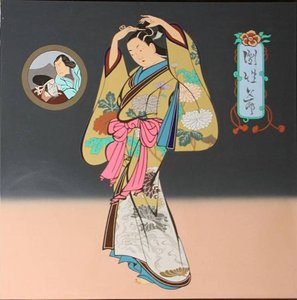
roger yukata shimomura
1939 - , United States of America
Quick Facts
- Artistic Movement Or Style: Asian-American art, Ukiyo-e, Pop Art
- Artists Or Movements Influenced By This Artist: ['Asian American art scene']
- Artists Who Influenced This Artist:
- Ukiyo-e artists
- Pop Art artists
- Date Of Birth: June 26, 1939
- Full Name: Roger Yutaka Shimomura
- Nationality: American
- Notable Artworks:
- Shimomura crossing the Delaware
- Peach mask I
- Place Of Birth: Seattle, USA
Related Articles

Goya's Masterpieces: Explore 25 Iconic Paintings & Art Prints | ArtsDot
Delve into the world of Francisco Goya with ArtsDot. Explore 25 iconic paintings – from 'The Third of May' to his haunting Black Paintings. Discover the stories, techniques & emotions behind these Spanish masterpieces. Find museum-quality art reproductions for your home at ArtsDot.com!
Challenging Conventions: Pop Art's Origins, Evolution & Enduring Legacy
Explore the fascinating history of Pop Art, from its rebellious origins to its enduring influence on contemporary artists. Discover key figures like Warhol & Lichtenstein and learn about collecting this iconic movement.
Pop Art Icons: 10 Masterpieces That Revolutionized Modern Decor |
Explore 10 defining Pop Art masterpieces – from Warhol’s iconic Marilyn to Lichtenstein's bold dots. Discover the stories behind these revolutionary artworks & find museum-quality reproductions for your home at .
Pop Surrealism: A Collision of Culture, Dreams & the Subconscious in Post-War Art
Explore the captivating world of Pop Surrealism with ArtsDot. Discover key artists like George Condo & Robert Williams, investment potential, and the movement's cultural impact. Expert insights for collectors.

Alfred East: Pioneering Plein Air & Evoking Atmospheric Landscapes
Explore the life & work of Alfred East, a pioneer of British plein air painting. Discover his techniques for capturing atmospheric landscapes, Barbizon influences, and lasting legacy. Learn more at ArtsDot.