

 Preview
 Send
Send Share
Share
 Details

 Download
 Similars
 X-Ray
X-Ray Diaporama
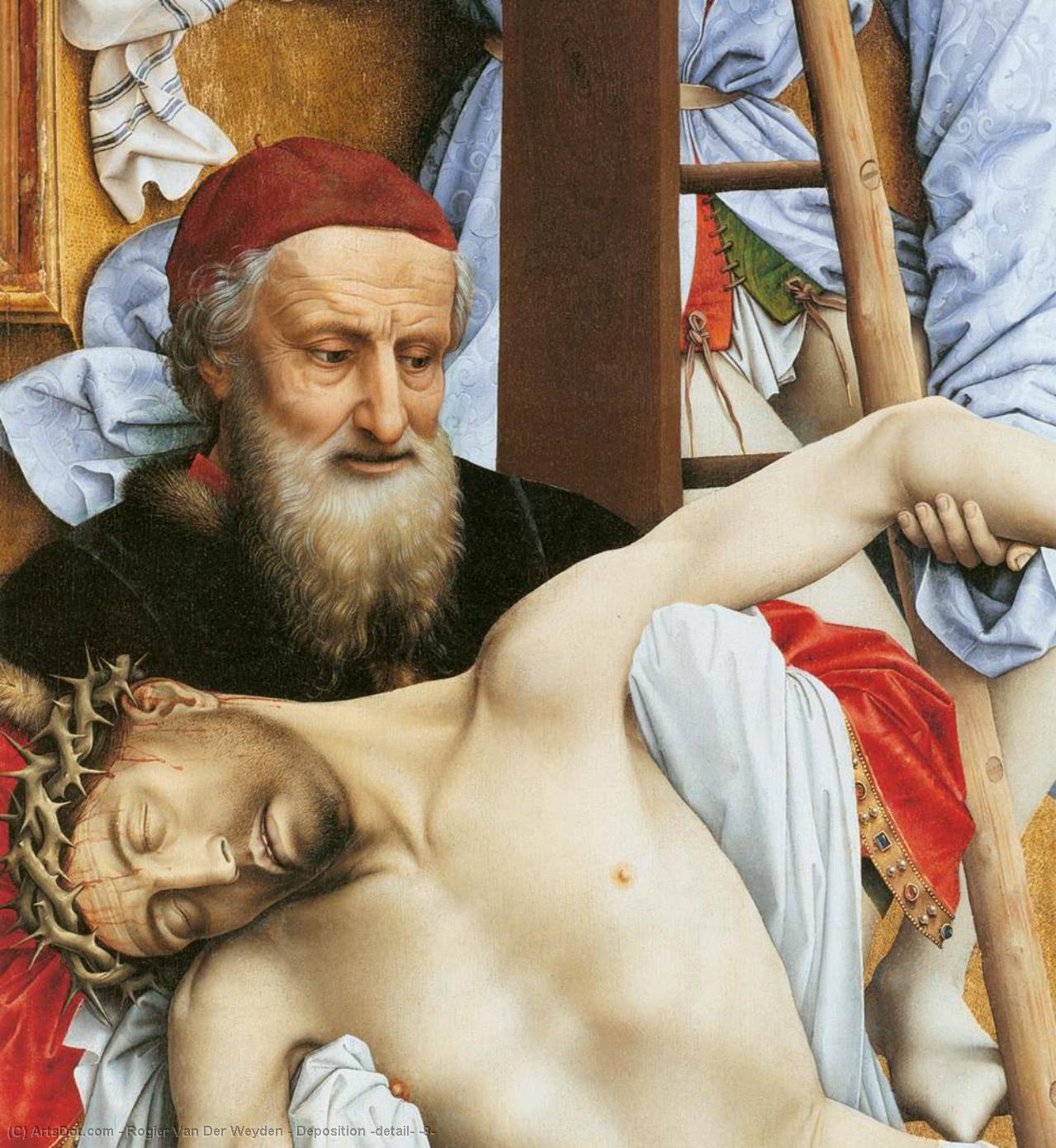
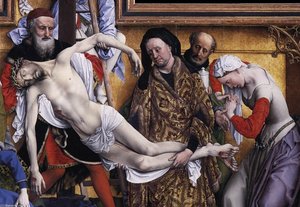
Deposition (detail) (8)


 Read More
Purchase a high-resolution, enhanced digital image, far superior to the online preview.
Each file is meticulously prepared by our in-house specialists using advanced tools and expert manual retouching. We ensure every image has exceptional clarity, precise color accuracy, and fine detail.
The final file is delivered via email within 72 hours, optimized for immediate use in professional, editorial, and print environments. This is the same quality trusted by top-tier design studios, publishers, and galleries.
Digital Image
Download a high-resolution file for personal display, printing, and creative projects. ( Buy Print Buy Hand Made Painting)
Included in Every Digital Image Order
Expert Digital Delivery, Guaranteed
When you choose ArtsDot.com, you're not just getting an image - you're receiving a professionally enhanced digital artwork, crafted with precision and backed by a satisfaction guarantee. Here's everything that comes with your order, automatically:

Fast Email Delivery
Your high-resolution digital image file will be emailed to you within 72 hours of ordering - ready for immediate use.

AI-Enhanced Digital File
Your artwork is professionally optimized using advanced AI tools and manual editing, ensuring maximum detail, clarity, and color accuracy.

Free Lifetime Re-Delivery
Accidentally deleted or lost your file? No worries - we'll resend it to you anytime, free of charge.

No Import Fees - Ever
Enjoy your artwork instantly with zero customs, duties, or delivery fees - digital downloads are always tax-free.

Color Accuracy Guarantee
We ensure your digital image reflects the original colors as closely as possible using professional tools and color management.

60-Day Satisfaction Guarantee
If you're not satisfied with your digital image, we'll revise it or refund 100% within 60 days - no questions asked.

100% Money-Back Guarantee
Not satisfied? Get a full refund within 60 days of receiving your digital file - no questions asked.

Bulk Order Discounts
Buy 3 images, save 10% - Buy 5, save 15% - Buy 10+, save 20%. Great for creative projects, galleries, and agencies.
Collectible Description
A Symphony of Sorrow: The Emotional Depth of the Deposition
In the quiet, hallowed halls of the Museo del Prado, there exists a moment frozen in time, a masterpiece that transcends the boundaries of mere paint and wood to touch the very soul of humanity. Rogier van der Weyden’s Deposition, completed around 1435, is not simply a religious tableau; it is an unparalleled exploration of grief, a visceral encounter with the weight of loss. As we gaze upon this cornerstone of Early Netherlandish painting, we are drawn into a tightly framed, intimate space where the air seems heavy with the scent of mortality and the silent echoes of lamentation. The scene captures the pivotal instant when the lifeless body of Christ is lowered from the cross, a moment that serves as both a theological climax and a profound psychological study.
The composition is a masterclass in emotional architecture. Van der Weyden directs our eyes through a rhythmic arrangement of figures, each embodying a different facet of mourning. The Virgin Mary, cradling her son, becomes the emotional anchor of the work, her sorrow mirrored in the slumped, heavy grace of Christ’s body. This interaction is not merely a depiction of a biblical event but an invitation to empathize with the divine through the lens of human suffering. For the collector or the lover of fine art, the painting offers more than visual beauty; it provides a window into the profound spiritual contemplation that defined the 15th-century Flemish consciousness.
The Alchemy of Light and Texture
What truly elevates this work to the realm of the sublime is Van der Weyden’s revolutionary technical prowess. A former goldsmith by training, the artist brought an exacting, almost obsessive precision to his canvases. He utilized the advanced technique of glazing—applying multiple thin, translucent layers of oil paint over a meticulous underpainting—to achieve a luminosity that seems to radiate from within the panel itself. This method allows for subtle gradations of color and a breathtakingly realistic depiction of light as it dances across varied surfaces.
To observe the Deposition is to embark on a sensory journey through texture. One can almost feel the cool, smooth skin of the deceased Christ, the heavy, tactile weight of the crimson robes, and the intricate, delicate folds of the drapery that cascade like frozen waves. The artist’s ability to render the ruggedness of a beard or the metallic sheen of a tool with such anatomical accuracy creates a sense of hyper-realism that was ahead of its time. For interior designers seeking to bring a sense of historical grandeur and sophisticated detail to a space, the textures present in this work offer endless inspiration, embodying a luxury that is both ancient and eternally modern.
A Legacy of Humanism and Devotion
Emerging from the thriving artistic hub of Bruges during a period of immense innovation, the Deposition reflects the burgeoning humanist ideals of the era. While much of the art preceding this period favored idealized, distant forms, Van der Weyden embraced a raw, unflinching naturalism. He sought to represent the human condition with honesty, capturing the tension in a muscle, the moisture in an eye, and the profound exhaustion of a grieving heart. This commitment to realism serves to bridge the gap between the sacred and the secular, making the divine narrative accessible and deeply personal to the viewer.
The symbolic language within the painting is equally rich, utilizing earthy tones of ochre, brown, and deep red to ground the celestial event in a tangible, earthly reality. Every element, from the wooden scaffolding that suggests the physical labor of the descent to the somber expressions of the onlookers, contributes to a cohesive narrative of sacrifice and remembrance. Owning or displaying a high-quality reproduction of such a masterpiece is an act of preserving this legacy—bringing a piece of the Northern Renaissance's most poignant emotional landscape into the contemporary home, where it continues to inspire awe, reflection, and a deep appreciation for the enduring power of art.
Related Artworks

Artist Biography
A Master of Emotion: The Life and Legacy of Rogier van der Weyden
Born around 1400 in the vibrant city of Tournai, nestled within what is now Belgium, Rogier de la Pasture – known to history as Rogier van der Weyden – emerged as a pivotal figure in the blossoming world of Early Netherlandish painting. While details surrounding his early life remain somewhat elusive, it’s believed he initially honed his skills not with brush and pigment, but as a goldsmith. This formative training instilled within him an unwavering dedication to meticulous detail and a refined sensibility for craftsmanship – qualities that would become hallmarks of his artistic style. The precision demanded by working with precious metals undoubtedly translated into the exquisite rendering of textures, fabrics, and expressions that define his masterpieces. He wasn’t merely depicting reality; he was recreating it with painstaking accuracy, imbued with an almost reverent attention to detail.
From Tournai to Brussels: A Rising Star
By 1427, van der Weyden had ascended to the rank of master within the Guild of Saint Luke in Tournai, a testament to his burgeoning talent and skill. This marked a significant turning point, solidifying his position as a professional artist and opening doors to important commissions. His ascent continued when he entered the service of Philip the Good, Duke of Burgundy, in 1435 – a patronage that would profoundly shape his career for the remainder of his life. Serving as court painter afforded him not only financial security but also access to an elite circle of influence and exposure to some of the most discerning eyes of the era. It was during this period that van der Weyden’s artistic vision truly began to mature, moving away from the somewhat rigid conventions of earlier Netherlandish painters towards a more emotionally resonant and naturalistic approach. He wasn't simply painting religious scenes; he was striving to evoke genuine feeling in the viewer, to create an experience that transcended mere observation.
The Language of Feeling: Style and Technique
Rogier van der Weyden’s artistic signature is immediately recognizable through several defining characteristics. His palette was remarkably rich and diverse, a vibrant tapestry of colors carefully chosen to avoid repetition and create depth and complexity within his compositions. He possessed an extraordinary ability to convey profound emotion – *pathos* – particularly in depictions of religious subjects like the Lamentation, where grief and sorrow are palpable. This emotional intensity wasn’t achieved through dramatic gestures or exaggerated expressions; rather, it was subtly woven into the very fabric of the painting, conveyed through delicate nuances of facial expression, body language, and composition. His figures, while adhering to the conventions of the time, demonstrate a growing interest in realistic representation – not just in anatomy and drapery, but also in capturing the psychological states of his subjects. They possess a dignified, almost sculptural quality, particularly evident in his grand triptychs, lending them an air of solemnity and reverence. He masterfully employed oil paint, building up layers of translucent glazes to achieve luminous effects and create a sense of depth and realism that was revolutionary for its time.
Lasting Influence: A Legacy Forged in Paint
Van der Weyden’s influence extended far beyond the borders of his native Flanders. His works were highly sought after throughout Europe, particularly in Italy and Spain, where they introduced a new level of emotional depth and naturalism to local artistic traditions. Although his fame experienced a period of relative decline in the 17th century, a rediscovery during the 19th century cemented his place as one of the most important painters of the 15th century. He stands alongside Jan van Eyck and Robert Campin as one of the “three great” Early Flemish masters, each contributing uniquely to the development of Northern Renaissance art. His innovative techniques and emotionally charged compositions paved the way for future generations of artists, inspiring countless imitators and influencing the course of Western painting for centuries to come. He helped establish oil painting as the dominant medium and elevated the status of the artist within society, transforming them from skilled craftsmen into revered creators. Rogier van der Weyden’s legacy continues to resonate today, a testament to his enduring genius and his profound understanding of the human condition.
Notable Works and Enduring Masterpieces
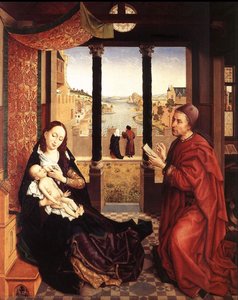
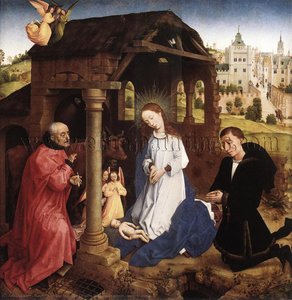
Throughout his prolific career, van der Weyden produced numerous works that stand as testaments to his artistic prowess. St Luke Drawing a Portrait of the Madonna, housed in the Museum of Fine Arts, Boston, showcases his mastery of oil on panel and meticulous observation. The Lamentation, residing in the Musée des Beaux-Arts Tournai, Belgium, is perhaps his most celebrated work – a powerfully emotive depiction of Christ’s mourning, renowned for its dramatic use of *chiaroscuro* and its ability to evoke profound sorrow in the viewer. Multiple versions of The Deposition exist, each demonstrating his skill in conveying grief and drama with breathtaking sensitivity. The Annunciation, a masterpiece of refined style and attention to detail, exemplifies his ability to imbue even the most traditional subjects with a sense of freshness and vitality. And finally, the intricate and richly detailed Bladelin Triptych stands as a monumental achievement – a complex altarpiece that showcases the full range of van der Weyden’s artistic abilities. These works, and many others, continue to captivate audiences today, solidifying his position as one of the most important painters of the 15th century.
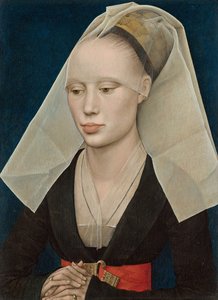
Rogier van der Weyden
1400 - 1464 , Belgium
Quick Facts
- Artistic Movement Or Style: Early Netherlandish painting
- Artists Or Movements Influenced By This Artist:
- Italian Renaissance
- Spanish painting
- Artists Who Influenced This Artist:
- Robert Campin
- Jan van Eyck
- Date Of Birth: c. 1400
- Date Of Death: 1464
- Full Name: Rogier van der Weyden
- Nationality: Belgian
- Notable Artworks:
- St Luke Drawing the Madonna
- Lamentation
- Deposition
- The Annunciation
- Bladelin Triptych
- Place Of Birth: Tournai, Belgium

