

 Preview
 Send
Send Share
Share
 Details

 Download
 Similars
 X-Ray
X-Ray Diaporama
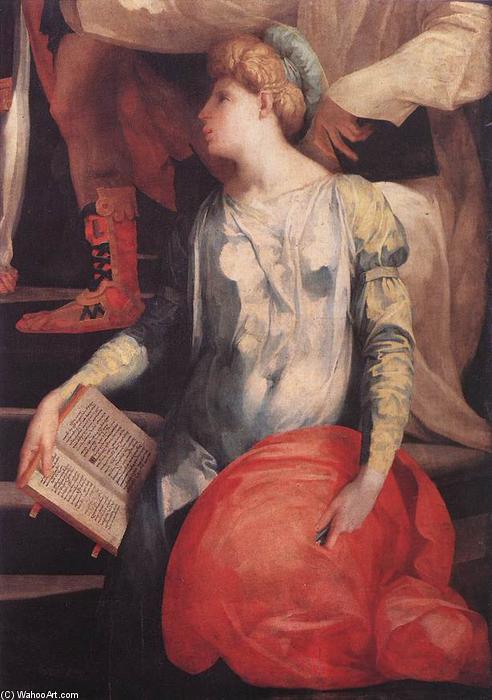
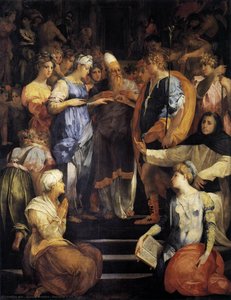
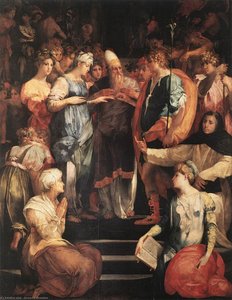
Marriage of the Virgin (detail)


 Read More
Purchase a high-resolution, enhanced digital image, far superior to the online preview.
Each file is meticulously prepared by our in-house specialists using advanced tools and expert manual retouching. We ensure every image has exceptional clarity, precise color accuracy, and fine detail.
The final file is delivered via email within 72 hours, optimized for immediate use in professional, editorial, and print environments. This is the same quality trusted by top-tier design studios, publishers, and galleries.
Digital Image
Download a high-resolution file for personal display, printing, and creative projects. ( Buy Print Buy Hand Made Painting)
Included in Every Digital Image Order
Expert Digital Delivery, Guaranteed
When you choose ArtsDot.com, you're not just getting an image - you're receiving a professionally enhanced digital artwork, crafted with precision and backed by a satisfaction guarantee. Here's everything that comes with your order, automatically:

Fast Email Delivery
Your high-resolution digital image file will be emailed to you within 72 hours of ordering - ready for immediate use.

AI-Enhanced Digital File
Your artwork is professionally optimized using advanced AI tools and manual editing, ensuring maximum detail, clarity, and color accuracy.

Free Lifetime Re-Delivery
Accidentally deleted or lost your file? No worries - we'll resend it to you anytime, free of charge.

No Import Fees - Ever
Enjoy your artwork instantly with zero customs, duties, or delivery fees - digital downloads are always tax-free.

Color Accuracy Guarantee
We ensure your digital image reflects the original colors as closely as possible using professional tools and color management.

60-Day Satisfaction Guarantee
If you're not satisfied with your digital image, we'll revise it or refund 100% within 60 days - no questions asked.

100% Money-Back Guarantee
Not satisfied? Get a full refund within 60 days of receiving your digital file - no questions asked.

Bulk Order Discounts
Buy 3 images, save 10% - Buy 5, save 15% - Buy 10+, save 20%. Great for creative projects, galleries, and agencies.
The Marriage of the Virgin: A Dance of Shadow and Light in Florentine Mannerism
Rosso Fiorentino’s “Marriage of the Virgin,” painted circa 1523, isn't merely a depiction of a biblical scene; it’s a profound exploration of human emotion and spiritual transformation, rendered with the unsettling beauty characteristic of Florentine Mannerism. This intimate panel, once part of the magnificent cycle adorning the chapel of San Lorenzo in Florence, captures a pivotal moment – not the grand ceremony itself, but the quiet contemplation that precedes it. The painting’s power lies not in idealized perfection, but in its deliberate ambiguity and masterful manipulation of light and shadow, creating an atmosphere thick with psychological depth.
The scene unfolds within a richly detailed interior, reminiscent of a Florentine palazzo rather than a sacred space. Columns, arches, and a receding perspective draw the eye into the room, while the muted palette – dominated by ochres, browns, and deep reds – contributes to a sense of subdued drama. The central figure, a young woman seated on a crimson cushion, is not overtly pious but possesses an air of thoughtful melancholy. Her gaze is directed downwards, lost in her own thoughts as she holds an open book—a subtle symbol of knowledge and contemplation, yet also hinting at the weight of expectation and perhaps even sorrow. Her attire, a simple blue garment adorned with delicate white flowers, speaks to both humility and grace.
The Language of Mannerism: Distortion and Emotion
Rosso Fiorentino’s style is deeply rooted in the principles of Mannerism, a movement that emerged in Florence during the High Renaissance. Unlike the classical harmony and balance favored by Leonardo da Vinci and Raphael, Mannerist artists prioritized emotional intensity, stylized forms, and an exploration of psychological states. In “Marriage of the Virgin,” this manifests in several ways. The figures are elongated and distorted, their proportions subtly skewed to heighten their expressiveness. The drapery is rendered with a theatrical flair, swirling and cascading around the figures as if caught in a perpetual dance. This deliberate distortion isn’t intended to deceive; rather, it serves to amplify the emotional impact of the scene.
The use of *chiaroscuro*, the dramatic contrast between light and shadow, is particularly striking. Rosso Fiorentino masterfully employs this technique to sculpt the figures, creating a sense of volume and depth while simultaneously obscuring details and suggesting hidden emotions. The strong directional lighting focuses attention on the central figure, drawing the viewer into her inner world. Notice how the shadows cling to her face, hinting at a quiet sadness or perhaps a premonition of future challenges.
Symbolism and Context: A Window into Renaissance Thought
The painting’s symbolism is layered and complex, inviting multiple interpretations. The open book represents not just learning but also faith—a call to contemplation and spiritual understanding. The presence of the male figure in the background, dressed in yellow and red, suggests a paternal role, perhaps representing Joseph or another guardian figure. However, his detached expression and averted gaze hint at a certain distance, reflecting the complexities of familial relationships within Renaissance society.
“Marriage of the Virgin” was created during a period of significant political and religious upheaval in Florence. The Medici family’s power was waning, and the city was grappling with the challenges posed by the Reformation. Rosso Fiorentino's work reflects this atmosphere of uncertainty and anxiety, capturing a sense of vulnerability and introspection that resonates deeply with viewers today. It is believed to have been commissioned as part of a larger cycle depicting scenes from the life of Mary, intended to adorn the chapel of San Lorenzo – a space central to Florentine religious life.
A Legacy of Emotional Resonance
Despite its relatively small size, “Marriage of the Virgin” possesses an extraordinary emotional resonance. Rosso Fiorentino’s masterful use of light, shadow, and distorted forms creates a world that is both beautiful and unsettling, inviting viewers to contemplate the complexities of human experience. The painting's enduring appeal lies in its ability to capture not just a biblical narrative but also the universal themes of love, loss, faith, and doubt—themes that continue to resonate with audiences centuries later. Reproductions of this captivating work offer a powerful connection to the artistic genius of the Renaissance, allowing us to experience firsthand the profound emotional depth of Rosso Fiorentino’s vision.
Related Artworks

Artist Biography
A Life Painted in Fire: The Dramatic World of Rosso Fiorentino
Giovanni Battista di Jacopo, known to the world as Rosso Fiorentino – “The Red Florentine” – was a name whispered with both admiration and a touch of unease during the Italian Renaissance. Born in Florence on March 8th, 1495, his very nickname alluded to the fiery spirit that would come to define not only his appearance but also his intensely emotional and innovative art. Rosso wasn’t merely a painter; he was a harbinger of change, a pivotal figure bridging the High Renaissance's classical ideals with the burgeoning complexities of Mannerism. His journey, marked by artistic exploration, political upheaval, and ultimately, a premature death in Fontainebleau in 1540, left an indelible mark on the landscape of European art.Formative Years and Florentine Foundations
Rosso’s artistic education began within the esteemed workshop of Andrea del Sarto, one of Florence's leading masters. This environment proved crucial, placing him alongside another rising star, Pontormo. The two artists shared a space for experimentation, fostering a creative rivalry that pushed both to explore beyond conventional boundaries. The influence of the Florentine school was deeply ingrained during these formative years; however, even early works reveal Rosso’s distinct inclination towards dramatic intensity and an expressive use of color – qualities that would set him apart. He absorbed the lessons of perspective and anatomical accuracy but quickly began to imbue his figures with a psychological depth rarely seen in earlier Renaissance art. Early paintings like the *Holy Family with the Infant Saint John the Baptist* demonstrate this emerging style, hinting at the emotional turbulence that would characterize his mature work.The Roman Interlude and the Seeds of Mannerism
In 1523, Rosso ventured to Rome, a city brimming with artistic energy and the monumental achievements of Michelangelo and Raphael. This period proved transformative. He was profoundly impacted by Michelangelo’s powerful figures and dynamic compositions, as well as Raphael's refined grace. However, rather than simply imitating these masters, Rosso synthesized their influences into something uniquely his own. The Sack of Rome in 1527 brought chaos and destruction, forcing Rosso to flee the city and marking a turning point in his career. This traumatic event seems to have intensified the emotional undercurrents within his art, pushing him further away from the High Renaissance’s emphasis on harmony and towards the more unsettling aesthetic of Mannerism.French Patronage and Lasting Legacy
Rosso's journey eventually led him to France in 1530, where he entered the service of King Francis I. This marked a new chapter, as he became a key figure in the decoration of the Château de Fontainebleau, alongside other prominent artists. Here, he was given considerable freedom to experiment and develop his style further. The *Gallery of Francis I* at Fontainebleau stands as a testament to his skill, showcasing allegorical scenes filled with elongated figures, vibrant colors, and complex symbolism. He also created works like *Elephant*, demonstrating an ability to capture the essence of his subjects with remarkable detail. Sadly, Rosso’s time in France was cut short by illness; he died in 1540 at the age of forty-five. Despite his relatively brief career, Rosso Fiorentino's influence resonated throughout Europe. His style profoundly impacted artists like Francesco Primaticcio, who succeeded him at Fontainebleau, and helped to solidify Mannerism as a dominant force in art for decades to come. His paintings, now found in museums worldwide – including the Galleria Nazionale d'Arte Moderna e Contemporanea in Rome, the Pinacoteca Comunale in Volterra, and the Duomo in Città di Castello – continue to captivate viewers with their dramatic power and emotional depth, ensuring that the “Red Florentine” remains a vital and compelling figure in art history.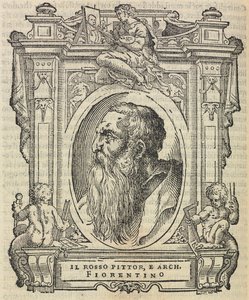
Rosso Fiorentino
1495 - 1540 , Italy
Quick Facts
- Artistic Movement Or Style: Mannerism
- Artists Or Movements Influenced By This Artist: ['Francesco Primaticcio']
- Artists Who Influenced This Artist:
- Michelangelo
- Raphael
- Date Of Birth: March 8, 1495
- Date Of Death: November 14, 1540
- Full Name: Giovanni Battista di Jacopo
- Nationality: Italian
- Notable Artworks:
- The Deposition
- Elephant
- Moses and Jethro's Daughters
- Place Of Birth: Florence, Italy

