 Preview
 Send
Send Share
Share
 Details

 Download
 Similars
 X-Ray
X-Ray Diaporama
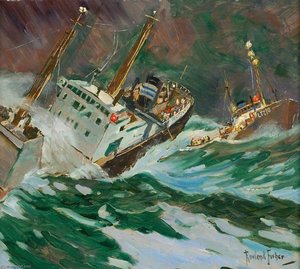
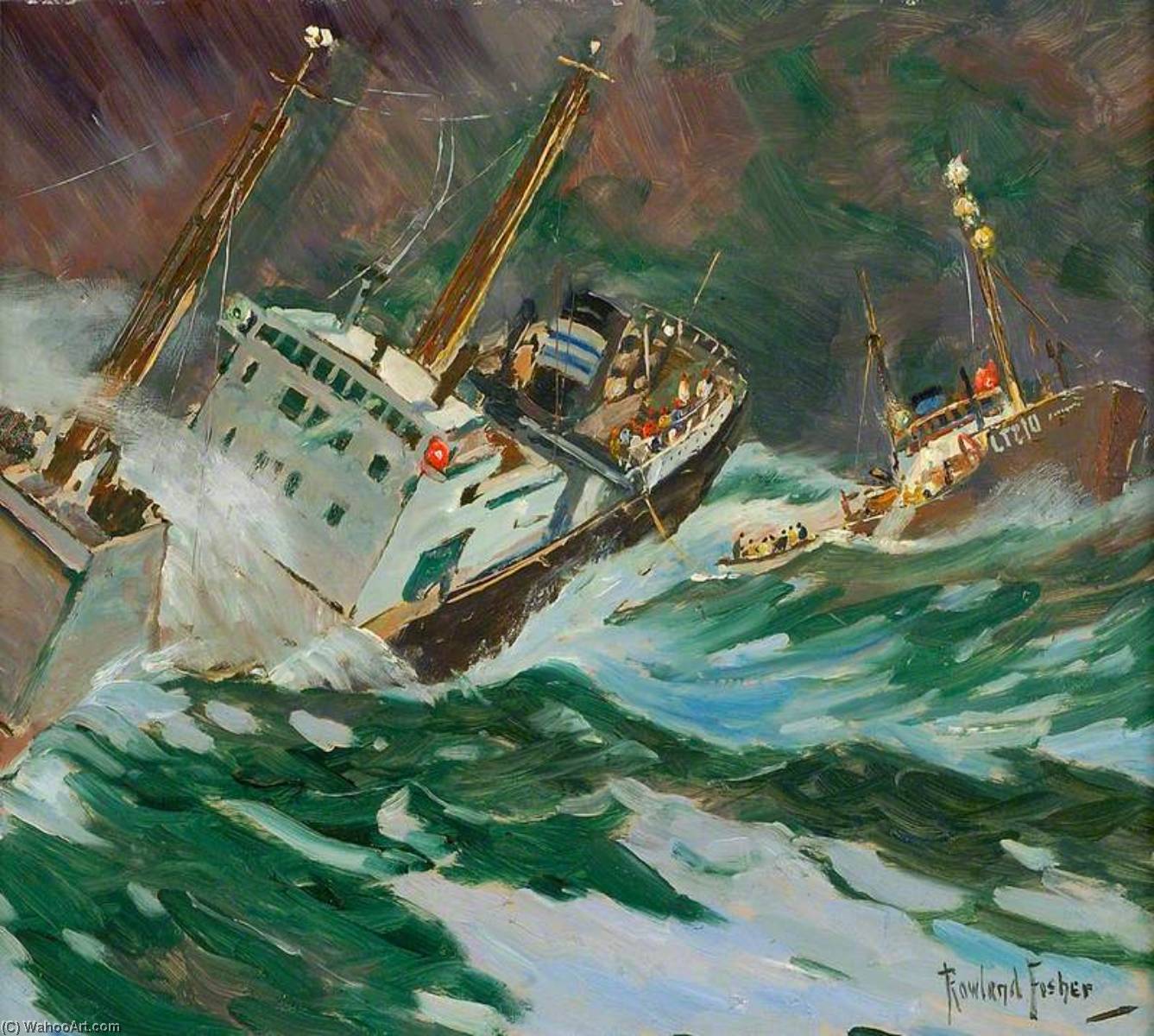
'Trinidad' LT210
 Romanticism
 37.0 x 45.0 cm
 Lowestoft And East Suffolk Maritime Museum
 Read More
Giclée / Art Print
Museum-quality giclée or canvas print with fast production and flexible finish options. ( Buy Hand Made Painting Buy Image)




































Pick from our preset sizes that match the artwork's original proportions.

You may enter your own dimensions to fit a specific frame or space. If your selected size does not match the original image's proportions, we will either crop the artwork or extend the image with a mirrored or solid-fill edge. A digital mockup will be sent for your approval before production begins.
Please note that the on-screen preview does not reflect the actual cropping or extension. Only the mockup will accurately show the final composition.
While custom sizes are available, we recommend selecting a dimension from the predefined list to preserve the original proportions.
Worldwide Delivery () in 2 weeks instead of standard 4/5 weeks. (25 August)

Free Worldwide Express Shipping

High-Quality Linen Canvas

Full Shipping Insurance

Customs Tax Refund Guarantee

True Color Matching Guarantee

60-Day Return Policy (Defects Only)

100% Money-Back Guarantee

Bulk Discount Offer
 Glass option is only available in size under 110 CM

'Trinidad' LT210
Giclée / Art Print
Reproduction Size
-


Total Price
$ 63
Related Artworks
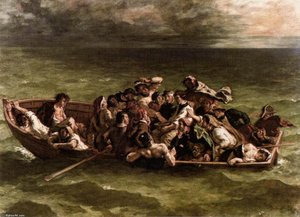

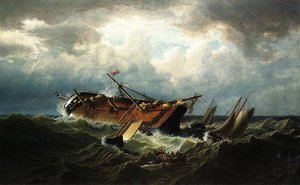
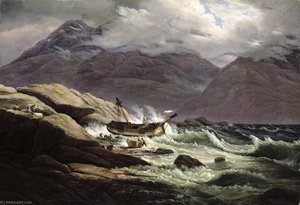
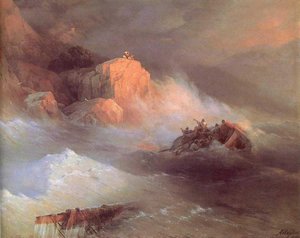

Artist Biography
The Maritime Soul of Norfolk: The Life and Legacy of Rowland Fisher
In the salt-sprayed coastal town of Gorleston, Suffolk, a profound connection to the sea was forged long before a brush ever touched canvas. Born in 1885, Rowland Fisher was destined to be shaped by the rhythmic tides of the English coast. As the son of a master mariner, his childhood was steeped in the lore of the ocean and the intricate craftsmanship of seafaring life. While he initially harbored ambitions of following his father into the maritime trades, destiny led him toward a different kind of mastery. Instead of navigating the high seas, Fisher spent fifty years apprenticed to a timber yard, a vocation that provided him with a unique, grounded perspective on the very vessels he would later immortalize in paint. This period of stability allowed him to cultivate his skills as an expert ship modeler, a discipline that demanded an exacting eye for detail and a deep understanding of naval architecture—traits that would become the hallmark of his mature artistic style.
Fisher’s creative evolution was a delicate dance between the fleeting impressions of light and the enduring weight of reality. His early explorations were touched by the ethereal influence of Impressionist masters such as Claude Monet and Cambrille Pissarro, teaching him to capture the transient atmosphere of the coast—the way mist clings to a harbor or how sunlight fractures across a breaking wave. Yet, he eventually found his true voice in Romantic Realism. This stylistic shift allowed him to move beyond mere observation into the realm of the sublime. His canvases became much more than maritime records; they were emotional landscapes where dramatic lighting and expressive, textured brushwork conveyed the raw power of nature. Whether depicting a tranquil morning in a Norfolk harbor or the terrifying vulnerability of a ship caught in a tempest, Fisher’s work pulsates with a sense of solitude, resilience, and the eternal struggle between human endeavor and the wild elements.
A Legacy Carved in Oil and Watercolor
The breadth of Fisher's contribution to British art is found not only in his technical skill but in his commitment to his local community and the preservation of maritime heritage. He was a pivotal figure in the regional art scene, serving as a founding member of the Great Yarmouth and District Society of Artists and later presiding over the group with distinction. His influence extended beyond the shores of Norfolk; through painting holidays and travels, he became an integral part of the prestigious St Ives Society of Artists in Cornwall, bridging the gap between East Anglian traditions and the coastal movements of the West. His accolades were well-deserved, notably winning the Watts Prize in 1949 for his poignant portrayal of men at work upon the sea, a testament to his ability to blend human narrative with environmental grandeur.
Throughout his prolific career, Fisher produced over 300 works that continue to resonate with collectors and historians alike. His repertoire was diverse, ranging from:
- Masterful Seascapes: Capturing the turbulent beauty of the North Sea and the intricate details of historic vessels.
- Coastal Landscapes: Evocative depictions of Norfolk’s harbors, rural landscapes, and the shifting light of the English countryside.
- Maritime Studies: Highly detailed works that reflect his expertise in shipbuilding and ship modeling.
- Continental Scenes: Expansions of his vision beyond the British Isles, exploring broader European coastal atmospheres.
Today, the significance of Rowland Fisher lies in his ability to have captured a vanishing way of life. His works, held in prestigious collections such as the Great Yarmouth Maritime Collection, serve as vital visual archives of maritime culture. He remains a master of the atmospheric and the authentic, leaving behind a body of work that invites every viewer to stand upon the shore, feel the spray of the salt air, and witness the enduring majesty of the sea.
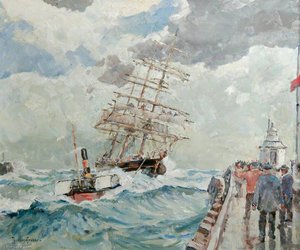
rowland fisher
1885 - 1969
Quick Facts
- Artistic Movement Or Style: Romantic Realism
- Artists Or Movements Influenced By This Artist: ['Great Yarmouth Maritime Collection']
- Artists Who Influenced This Artist: ['Campbell Mellon R.O.I.']
- Date Of Death: 1969
- Full Name: Rowland Fisher
- Nationality: British
- Notable Artworks: ['The Harbour Entrance']
- Place Of Birth: Gorleston, Norfolk, England
Related Articles
Romantic Realism's Finest: 10 Masterpieces for Your Home | ArtsDot
Explore 10 defining masterpieces of Romantic Realism! Discover Courbet, Millet & Daumier's powerful paintings—capturing emotion and social realities. Find museum-quality reproductions for your home at ArtsDot.com.
The Evocative Embrace of Reality: Exploring Romantic Realism in 19th-Century Painting
Explore the captivating world of Romantic Realism! Discover key artists like Courbet & Millet, masterpieces, and the social context behind this influential art movement. Expert insights for collectors at ArtsDot.

Oil on Canvas: A Historical & Technical Exploration of a Timeless Artistic Medium
Explore the rich history & enduring techniques of oil painting on canvas. Discover the science behind its longevity, conservation practices, and contemporary relevance. Expert insights for art enthusiasts.

The Enduring Legacy of Oil on Canvas: Technique, History & Aesthetic Impact
Explore the rich history & techniques of oil painting – from Renaissance masters to Impressionism. Discover pigments, layering methods, and why this timeless medium endures. Expert insights for artists & art enthusiasts.

The Enduring Power of Painting: A Historical & Contemporary Exploration of Form and Emotion
Explore the rich history & enduring techniques of oil painting with ArtsDot. Discover masterpieces, learn about art collecting, and find authentic handmade reproductions crafted by skilled artists.