 Preview
 Send
Send Share
Share
 Details

 Download
 Similars
 X-Ray
X-Ray Diaporama
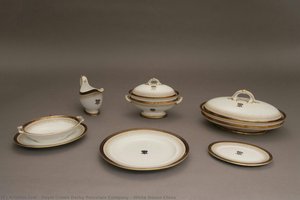
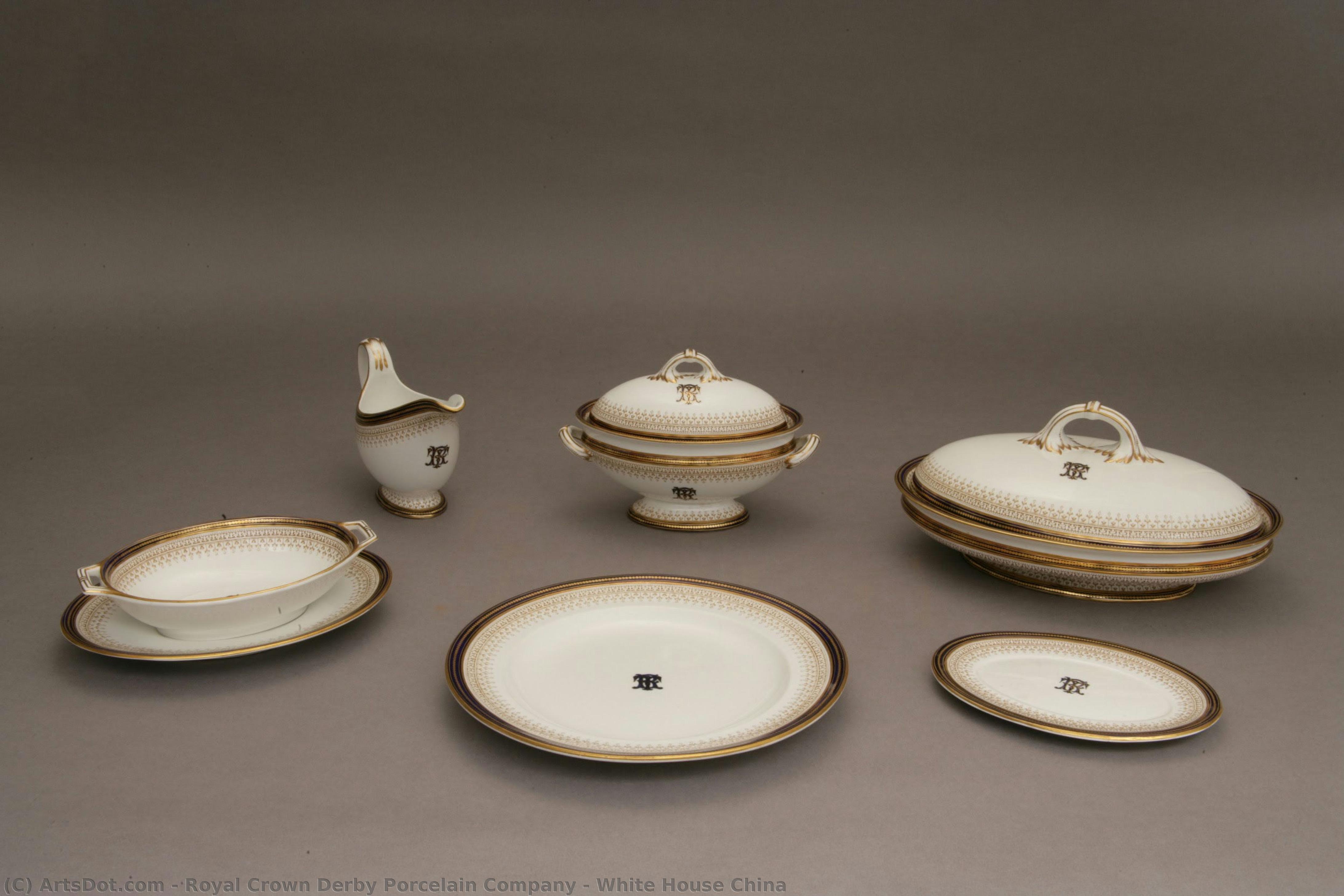
White House China


 Read More
Purchase a high-resolution, enhanced digital image, far superior to the online preview.
Each file is meticulously prepared by our in-house specialists using advanced tools and expert manual retouching. We ensure every image has exceptional clarity, precise color accuracy, and fine detail.
The final file is delivered via email within 72 hours, optimized for immediate use in professional, editorial, and print environments. This is the same quality trusted by top-tier design studios, publishers, and galleries.
Digital Image
Download a high-resolution file for personal display, printing, and creative projects. ( Buy Print Buy Hand Made Painting)
Included in Every Digital Image Order
Expert Digital Delivery, Guaranteed
When you choose ArtsDot.com, you're not just getting an image - you're receiving a professionally enhanced digital artwork, crafted with precision and backed by a satisfaction guarantee. Here's everything that comes with your order, automatically:

Fast Email Delivery
Your high-resolution digital image file will be emailed to you within 72 hours of ordering - ready for immediate use.

AI-Enhanced Digital File
Your artwork is professionally optimized using advanced AI tools and manual editing, ensuring maximum detail, clarity, and color accuracy.

Free Lifetime Re-Delivery
Accidentally deleted or lost your file? No worries - we'll resend it to you anytime, free of charge.

No Import Fees - Ever
Enjoy your artwork instantly with zero customs, duties, or delivery fees - digital downloads are always tax-free.

Color Accuracy Guarantee
We ensure your digital image reflects the original colors as closely as possible using professional tools and color management.

60-Day Satisfaction Guarantee
If you're not satisfied with your digital image, we'll revise it or refund 100% within 60 days - no questions asked.

100% Money-Back Guarantee
Not satisfied? Get a full refund within 60 days of receiving your digital file - no questions asked.

Bulk Order Discounts
Buy 3 images, save 10% - Buy 5, save 15% - Buy 10+, save 20%. Great for creative projects, galleries, and agencies.
Collectible Description
Related Artworks









Artist Biography
The Enduring Legacy of Royal Crown Derby Porcelain
The story of Royal Crown Derby is not that of a single artist, but rather the captivating chronicle of an English manufactory – a beacon of artistry and innovation in porcelain production spanning centuries. Originating in Derby, England, around 1750, its roots lie with Duesbury & Parke, a small workshop initially decorating imported porcelain from East Asia. This early phase was characterized by skillful imitation, but quickly evolved into something uniquely British, driven by the ambition to create porcelain of equal quality and beauty as its Chinese counterparts. The initial success stemmed from their mastery of transfer printing, allowing for intricate designs to be applied with remarkable precision – a technique that proved immensely popular amongst an emerging middle class eager for affordable luxury. Early Innovations and the Rise to Prominence The true turning point arrived with William Duesbury’s acquisition of the factory in 1756-57. A chemist and astute businessman, Duesbury wasn't merely a manager; he was an innovator who relentlessly pursued improvements in porcelain body composition and glaze technology. He sought to move beyond imitation and establish Derby as a creator of original designs. This led to the development of soft-paste porcelain renowned for its delicate translucence and exceptional whiteness. The factory’s reputation soared, attracting talented painters like John Brewer and Peter Fulwood, who brought their skills in enamel painting and gilding to bear on increasingly sophisticated forms. By 1770, Derby had earned royal patronage – a pivotal moment that cemented its status and bestowed the coveted “Crown” designation, forever linking it with the British monarchy. The early pieces from this period often featured charming pastoral scenes, botanical motifs, and depictions of fashionable life, reflecting the Rococo tastes of the aristocracy.The Reign of Chelsea-Derby and Beyond
Duesbury’s ambition didn't stop there. In 1773, he acquired the struggling Chelsea Porcelain Manufactory in London, creating a powerful combined enterprise known as Chelsea-Derby. This merger brought with it access to new markets, skilled artisans, and importantly, the coveted Chelsea molds – renowned for their graceful forms and delicate sculpting. The fusion of Derby’s technical prowess with Chelsea's aesthetic sensibilities resulted in some of the most exquisite porcelain produced during the late 18th century. However, maintaining two factories proved challenging, and after Duesbury’s death in 1786, the Chelsea works were eventually sold. The focus returned to Derby, where the factory continued to flourish under successive owners, adapting its style to reflect changing tastes – from Neoclassicism to Romanticism and Victorian exuberance.- Significant Patterns: Throughout the 19th century, Royal Crown Derby developed a series of iconic patterns that remain in production today. These include Old Imari, known for its vibrant Japanese-inspired designs; King’s Pattern, with its richly gilded borders and floral sprays; and Posies, a delicate pattern featuring an abundance of hand-painted flowers.
- The Bloor Period: The early 19th century saw the rise of Robert Bloor, whose innovative glaze recipes and mastery of Imari decoration revitalized the factory’s fortunes. His work is particularly celebrated for its depth of color and intricate detailing.