 Preview
 Send
Send Share
Share
 Details

 Download
 Similars
 X-Ray
X-Ray Diaporama
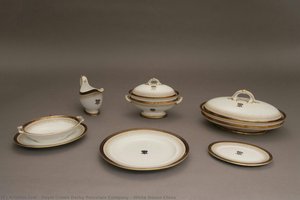
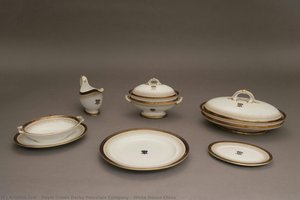
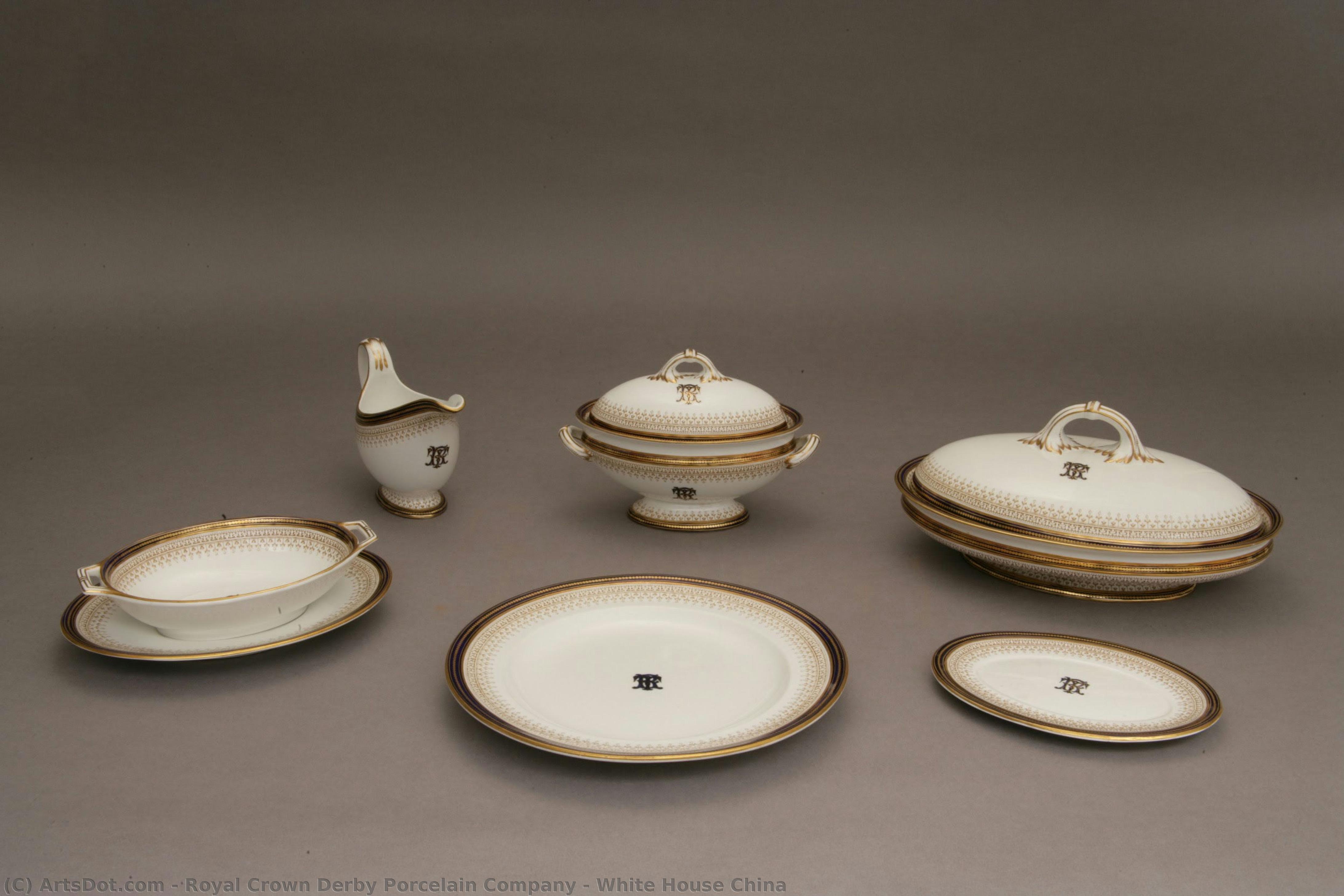
White House China


 Read More
Giclée / Art Print
Museum-quality giclée or canvas print with fast production and flexible finish options. ( Buy Hand Made Painting Buy Image)




































Pick from our preset sizes that match the artwork's original proportions.

You may enter your own dimensions to fit a specific frame or space. If your selected size does not match the original image's proportions, we will either crop the artwork or extend the image with a mirrored or solid-fill edge. A digital mockup will be sent for your approval before production begins.
Please note that the on-screen preview does not reflect the actual cropping or extension. Only the mockup will accurately show the final composition.
While custom sizes are available, we recommend selecting a dimension from the predefined list to preserve the original proportions.
Worldwide Delivery () in 2 weeks instead of standard 4/5 weeks. (26 August)

Free Worldwide Express Shipping

High-Quality Linen Canvas

Full Shipping Insurance

Customs Tax Refund Guarantee

True Color Matching Guarantee

60-Day Return Policy (Defects Only)

100% Money-Back Guarantee

Bulk Discount Offer
 Glass option is only available in size under 110 CM

White House China
Giclée / Art Print
Reproduction Size
-


Total Price
$ 63
Collectible Description
Related Artworks









Artist Biography
The Enduring Legacy of Royal Crown Derby Porcelain
The story of Royal Crown Derby is not that of a single artist, but rather the captivating chronicle of an English manufactory – a beacon of artistry and innovation in porcelain production spanning centuries. Originating in Derby, England, around 1750, its roots lie with Duesbury & Parke, a small workshop initially decorating imported porcelain from East Asia. This early phase was characterized by skillful imitation, but quickly evolved into something uniquely British, driven by the ambition to create porcelain of equal quality and beauty as its Chinese counterparts. The initial success stemmed from their mastery of transfer printing, allowing for intricate designs to be applied with remarkable precision – a technique that proved immensely popular amongst an emerging middle class eager for affordable luxury. Early Innovations and the Rise to Prominence The true turning point arrived with William Duesbury’s acquisition of the factory in 1756-57. A chemist and astute businessman, Duesbury wasn't merely a manager; he was an innovator who relentlessly pursued improvements in porcelain body composition and glaze technology. He sought to move beyond imitation and establish Derby as a creator of original designs. This led to the development of soft-paste porcelain renowned for its delicate translucence and exceptional whiteness. The factory’s reputation soared, attracting talented painters like John Brewer and Peter Fulwood, who brought their skills in enamel painting and gilding to bear on increasingly sophisticated forms. By 1770, Derby had earned royal patronage – a pivotal moment that cemented its status and bestowed the coveted “Crown” designation, forever linking it with the British monarchy. The early pieces from this period often featured charming pastoral scenes, botanical motifs, and depictions of fashionable life, reflecting the Rococo tastes of the aristocracy.The Reign of Chelsea-Derby and Beyond
Duesbury’s ambition didn't stop there. In 1773, he acquired the struggling Chelsea Porcelain Manufactory in London, creating a powerful combined enterprise known as Chelsea-Derby. This merger brought with it access to new markets, skilled artisans, and importantly, the coveted Chelsea molds – renowned for their graceful forms and delicate sculpting. The fusion of Derby’s technical prowess with Chelsea's aesthetic sensibilities resulted in some of the most exquisite porcelain produced during the late 18th century. However, maintaining two factories proved challenging, and after Duesbury’s death in 1786, the Chelsea works were eventually sold. The focus returned to Derby, where the factory continued to flourish under successive owners, adapting its style to reflect changing tastes – from Neoclassicism to Romanticism and Victorian exuberance.- Significant Patterns: Throughout the 19th century, Royal Crown Derby developed a series of iconic patterns that remain in production today. These include Old Imari, known for its vibrant Japanese-inspired designs; King’s Pattern, with its richly gilded borders and floral sprays; and Posies, a delicate pattern featuring an abundance of hand-painted flowers.
- The Bloor Period: The early 19th century saw the rise of Robert Bloor, whose innovative glaze recipes and mastery of Imari decoration revitalized the factory’s fortunes. His work is particularly celebrated for its depth of color and intricate detailing.