

 Preview
 Send
Send Share
Share
 Details

 Download
 Similars
 X-Ray
X-Ray Diaporama
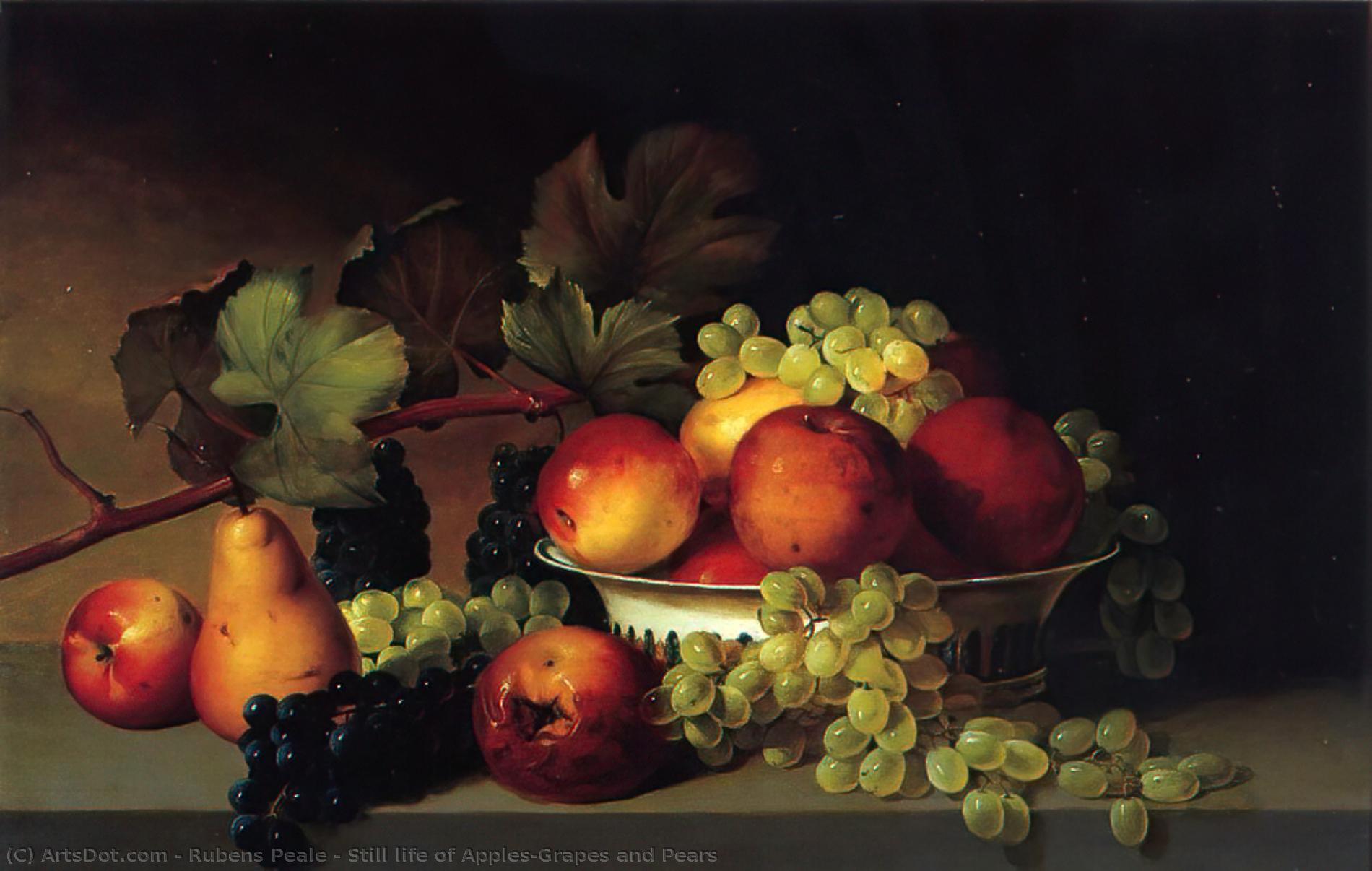
Still life of Apples,Grapes and Pears
 Read More
Purchase a high-resolution, enhanced digital image, far superior to the online preview.
Each file is meticulously prepared by our in-house specialists using advanced tools and expert manual retouching. We ensure every image has exceptional clarity, precise color accuracy, and fine detail.
The final file is delivered via email within 72 hours, optimized for immediate use in professional, editorial, and print environments. This is the same quality trusted by top-tier design studios, publishers, and galleries.
Digital Image
Download a high-resolution file for personal display, printing, and creative projects. ( Buy Print Buy Hand Made Painting)
Included in Every Digital Image Order
Expert Digital Delivery, Guaranteed
When you choose ArtsDot.com, you're not just getting an image - you're receiving a professionally enhanced digital artwork, crafted with precision and backed by a satisfaction guarantee. Here's everything that comes with your order, automatically:

Fast Email Delivery
Your high-resolution digital image file will be emailed to you within 72 hours of ordering - ready for immediate use.

AI-Enhanced Digital File
Your artwork is professionally optimized using advanced AI tools and manual editing, ensuring maximum detail, clarity, and color accuracy.

Free Lifetime Re-Delivery
Accidentally deleted or lost your file? No worries - we'll resend it to you anytime, free of charge.

No Import Fees - Ever
Enjoy your artwork instantly with zero customs, duties, or delivery fees - digital downloads are always tax-free.

Color Accuracy Guarantee
We ensure your digital image reflects the original colors as closely as possible using professional tools and color management.

60-Day Satisfaction Guarantee
If you're not satisfied with your digital image, we'll revise it or refund 100% within 60 days - no questions asked.

100% Money-Back Guarantee
Not satisfied? Get a full refund within 60 days of receiving your digital file - no questions asked.

Bulk Order Discounts
Buy 3 images, save 10% - Buy 5, save 15% - Buy 10+, save 20%. Great for creative projects, galleries, and agencies.
Related Artworks
Artist Biography
A Life Bridging Art, Science, and Museums
Rubens Peale emerged from a uniquely fertile ground – the renowned Peale family of Philadelphia – a lineage synonymous with artistic talent and scientific curiosity in early America. Born on May 4th, 1784, his life was destined to be interwoven with the burgeoning cultural landscape of a new nation. While not achieving the same widespread recognition as his father, Charles Willson Peale, or brothers Raphaelle and Rembrandt, Rubens carved out a significant, if multifaceted, path for himself, one that blended museum administration, entrepreneurial ventures, and ultimately, a late-blooming artistic practice. His story is a testament to adapting to circumstance and finding creative expression even in the face of personal challenges. Unlike his siblings who readily embraced painting, Rubens struggled with impaired vision from an early age, initially hindering any serious pursuit of art. He received a formal education, attending classes at the University of Pennsylvania in 1803, suggesting a broader intellectual curiosity that would define much of his career. Early travels with his family to Europe in 1802 were cut short by political unrest, preventing an extended immersion in European artistic traditions.From Museum Director to Entrepreneur
Despite the limitations imposed by his eyesight, Rubens Peale quickly demonstrated a remarkable aptitude for organization and public engagement, skills that would become central to his professional life. He began his career deeply involved with the family’s most ambitious project: the Peale Museum in Philadelphia. Succeeding his father as director from 1810 to 1821, he skillfully managed this pioneering institution, a veritable cabinet of curiosities dedicated to natural history and art. This experience instilled in him a deep understanding of museum operations and the importance of making knowledge accessible to the public. His ambition didn’t stop there. He co-managed the Peale Museum in Baltimore with his brother Rembrandt, implementing innovative strategies like gas lighting – a revolutionary addition at the time – to attract evening visitors and enhance the viewing experience. This forward-thinking approach underscored his commitment to modernizing the museum experience. In 1825, Rubens ventured out on his own, establishing the New York Museum of Natural History and Science. However, this independent endeavor proved more challenging. Fierce competition from P.T. Barnum’s sensational American Museum, coupled with the economic hardships brought on by the Panic of 1837, ultimately led to financial difficulties and the forced sale of his collection in 1843. This period marked a turning point, prompting a retreat from the bustling world of museum management.A Late Flowering: The Artist Emerges
Following the closure of his New York Museum, Rubens Peale sought solace and a new direction at Woodland Farm near Schuylkill Haven, Pennsylvania. It was here, in retirement, that he unexpectedly rediscovered his artistic inclinations. Having largely abandoned painting due to his vision problems, he now embraced still life as a medium perfectly suited to his capabilities and interests. This late-life artistic awakening was profoundly influenced by the Peale family’s enduring fascination with natural history. His canvases began to blossom with meticulously rendered depictions of fruits, vegetables, and flowers – subjects that allowed him to exercise his keen observational skills and celebrate the beauty of the natural world. He even sought guidance from renowned landscape artist Edward Moran, further refining his technique and expanding his artistic horizons. Remarkably, in just the last ten years of his life (1864-1865), Rubens produced approximately 130 paintings, a testament to his newfound passion and dedication. These works, while not widely known during his lifetime, offer a unique glimpse into the mind of an artist who found his voice late in life.Legacy and Historical Significance
Rubens Peale’s legacy extends far beyond his artistic output. He was a true pioneer in museum management, contributing significantly to the development of public institutions dedicated to science and art education. His innovative use of gas lighting transformed the museum experience, making it more inviting and accessible to a wider audience. While he may not have achieved the same level of fame as his artist brothers, his contributions were vital in shaping the cultural landscape of early America. The substantial price paid for Rembrandt Peale’s portrait of Rubens with a geranium – $4.07 million in 1985 – underscores the growing appreciation for early American art and the enduring fascination with the Peale family. Rubens Peale represents a fascinating intersection of artistic ambition, scientific curiosity, and entrepreneurial spirit. He embodies the multifaceted nature of intellectual life in the young United States, demonstrating that success can take many forms and that creative expression can flourish even under challenging circumstances. His story serves as a reminder that it is never too late to pursue one’s passions and leave a lasting mark on the world.Family Influence
- Charles Willson Peale: Rubens' father, a prominent portrait painter and naturalist who founded Philadelphia's Peale Museum.
- Raphaelle Peale & Rembrandt Peale: His brothers, both accomplished artists in their own right.
- Titian Ramsay Peale: A younger brother distinguished as an explorer and naturalist.
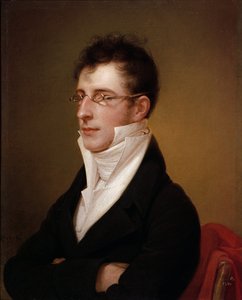
Rubens Peale
1784 - 1865 , United States of America
Quick Facts
- Artistic Movement Or Style: Still Life, Portraiture
- Artists Who Influenced This Artist: ['Charles Willson Peale']
- Date Of Birth: May 4, 1784
- Date Of Death: July 17, 1865
- Full Name: Rubens Peale
- Nationality: American
- Place Of Birth: Philadelphia, USA

