 Preview
 Send
Send Share
Share
 Details

 Download
 Similars
 X-Ray
X-Ray Diaporama
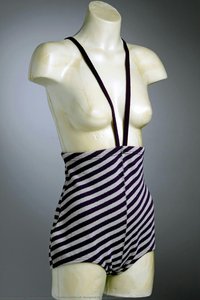
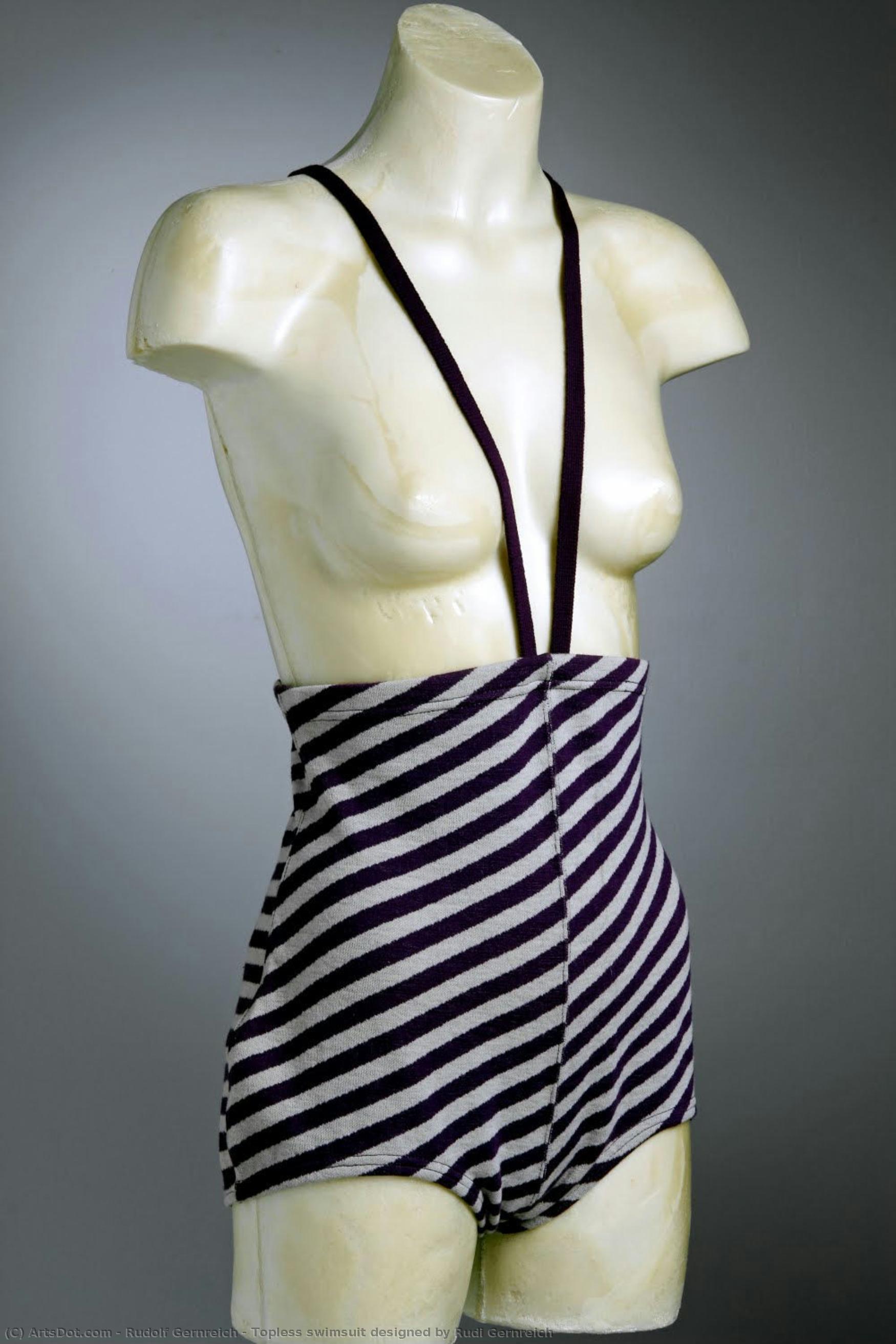
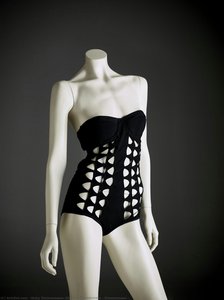
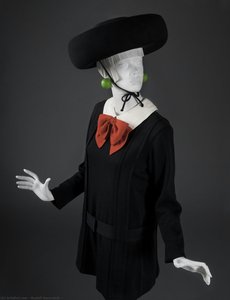
Topless swimsuit designed by Rudi Gernreich


 Read More
Hand Made Oil Reproduction
Hand-painted oil on canvas in your size and frame, made to order by our artists. ( Buy Print Buy Image)




































Pick from our preset sizes that match the artwork's original proportions.

You may enter your own dimensions to fit a specific frame or space. If your selected size does not match the original image's proportions, we will either crop the artwork or extend the painting with additional hand-painted elements. A digital mockup will be sent for your approval before production begins.
Please note that the on-screen preview does not reflect the actual cropping or extension. Only the mockup will accurately show the final composition.
While custom sizes are available, we recommend selecting a dimension from the predefined list to preserve the original proportions.
After order, ArtsDot.com team will email client for instructions and provide a mockup preview
Worldwide Delivery () in 3/4 weeks instead of standard 5 weeks. (25 August). No compromise on quality.

Free Worldwide Express Shipping

High-Quality Linen Canvas

Full Shipping Insurance

Customs Tax Refund Guarantee

True Color Matching Guarantee

60-Day Return Policy (Defects Only)

100% Money-Back Guarantee

Bulk Discount Offer
 Glass option is only available in size under 110 CM

Topless swimsuit designed by Rudi Gernreich
Reproduction Medium
Reproduction Size
-


Total Price
$ 263
Artwork Description
Related Artworks

Artist Biography
The Architect of Sexual Liberation
Rudi Gernreich, an Austrian-born American fashion designer, stands as a singular figure in the annals of mid-century style—a provocateur who dared to challenge societal norms and redefine notions of femininity through his groundbreaking designs. Born in Vienna in 1922, Gernreich’s journey began with formal dance training and honed his artistic sensibilities before relocating to Los Angeles in 1938 amidst escalating anxieties surrounding the Nazi regime. This pivotal move solidified his connection to American culture and propelled him into a career that would forever alter the landscape of haute couture. His early years were marked by a profound immersion in movement, serving as a dancer and costume designer for Lester Horton’s Modern Dance Troupe between 1942 and 1948. This period of visual storytelling and physical expression profoundly impacted his aesthetic sensibilities, instilling in him an appreciation for sculptural form and expressive gesture that he would later translate into innovative clothing silhouettes.
As he established himself within the burgeoning Los Angeles fashion scene, Gernreich’s true legacy began to emerge through his audacious experimentation with materials and construction techniques. He practiced a deliberate rejection of convention, championing freedom and challenging restrictive ideals of beauty. His work was characterized by a futuristic vision that pushed the boundaries of textile innovation; he famously incorporated vinyl and plastic into garments, creating textures previously unheard of in the fashion world. This fascination with synthetic materials allowed him to create pieces that felt both modern and revolutionary, bridging the gap between high-fashion elitism and mass-market accessibility.
A Revolution in Form and Freedom
Gernreich’s most enduring contributions were not merely aesthetic but deeply political, as he used fashion design as a social statement to advance sexual freedom. He sought to create clothes that followed the natural form of the female body, liberating women from the restrictive undergarments and corsetry of previous eras. His designs were often provocative, designed to spark conversation about the changing roles of women in society. Among his most iconic and controversial achievements were:
- The first thong bathing suit (1964): A garment that symbolized a radical departure from conventional swimwear restraints and embraced a new era of bodily autonomy.
- The "No-Bra" revolution: His revolutionary swimsuit and underwear designs, such as the 1960 polyamide bra without underwire or padding, challenged the necessity of structural support and societal expectations regarding female attire.
- Unisex clothing: A bold exploration of gender neutrality that sought to dissolve the rigid boundaries between masculine and feminine dress.
- The use of cutouts: Utilizing negative space within fabric to create a dynamic interplay between skin and textile, further emphasizing the natural human form.
Through these innovations, Gernreich became much more than a designer; he was a visionary who anticipated the cultural shifts of the 1960s. His work embodied the spirit of the era—a period defined by the breaking of taboos and the pursuit of personal emancipation. By treating the human body as a canvas for social change, he ensured that his influence would extend far beyond the runway, leaving an indelible mark on the history of modern identity.
Legacy of a Visionary
Though his career was marked by controversy, the historical significance of Rudi Gernreich cannot be overstated. He remains a cornerstone of avant-garde fashion, remembered as a designer who possessed the rare ability to take advantage of the American fashion system's peculiarities to create with a freedom that was often unavailable in the more traditional European context. His work continues to resonate in contemporary fashion, where the themes of gender fluidity, synthetic innovation, and the use of clothing as a medium for social protest remain as relevant as ever. He died in 1985, but his spirit of rebellion lives on in every silhouette that dares to defy convention.
rudolf gernreich
1922 - 1985 , Austria
Quick Facts
- Artistic Movement Or Style: Avant-garde fashion
- Artists Or Movements Influenced By This Artist: ['Minimalist design']
- Artists Who Influenced This Artist: ['Lester Horton']
- Date Of Birth: Vienna, Austria (1922)
- Full Name: Rudolf Gernreich
- Nationality: Austrian-American
- Notable Artworks:
- Topless swimsuit
- Untitled (D7FFPJ)
- Jumpsuit
- Place Of Birth: Vienna
Related Articles

Echoes of Time: Nostalgia, Technique & Cultural Significance in Vintage Paintings
Explore the captivating world of vintage paintings! Discover key styles, cultural significance & collecting tips from art experts at ArtsDot. Find authentic reproductions and elevate your home décor.

Echoes of Time: Exploring the Enduring Appeal of Vintage Artwork
Explore the captivating world of vintage art! Discover its history, enduring appeal, & how to build your own collection. Expert advice, custom reproductions & museum-quality prints at ArtsDot.

Echoes of Time: Exploring the Enduring Appeal & Historical Context of Vintage Art Prints
Explore the captivating world of vintage art prints! Discover their history, collecting tips & enduring appeal. Expert insights on chromolithography and building a legacy collection with ArtsDot.

Echoes of Eras Past: Exploring Themes & Techniques in Vintage Art Collections
Explore the captivating world of vintage art! Discover historical movements, iconic themes & collecting tips. Find handmade reproductions & expert appraisal at ArtsDot.

Echoes of Arcadia: Nostalgia & Transformation in Vintage Landscape Art
Explore the evocative world of vintage landscape art! Discover the history, artists & emotional power behind masterpieces from the Hudson River School & beyond. Expert insights for collectors & enthusiasts.