The Pastoral Ideal: Roots of Nostalgia in Landscape Painting
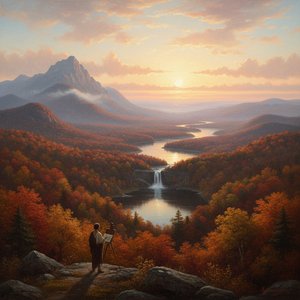
 Landscape
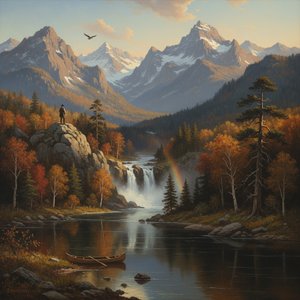
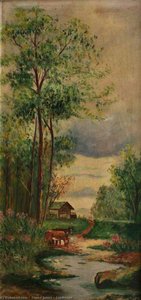
Discover 'Landscape' by Eunice James (1914). A serene oil painting evoking American pastoral beauty & Hudson River School influence. Explore textured brushwork & a nostalgic view of rural life.
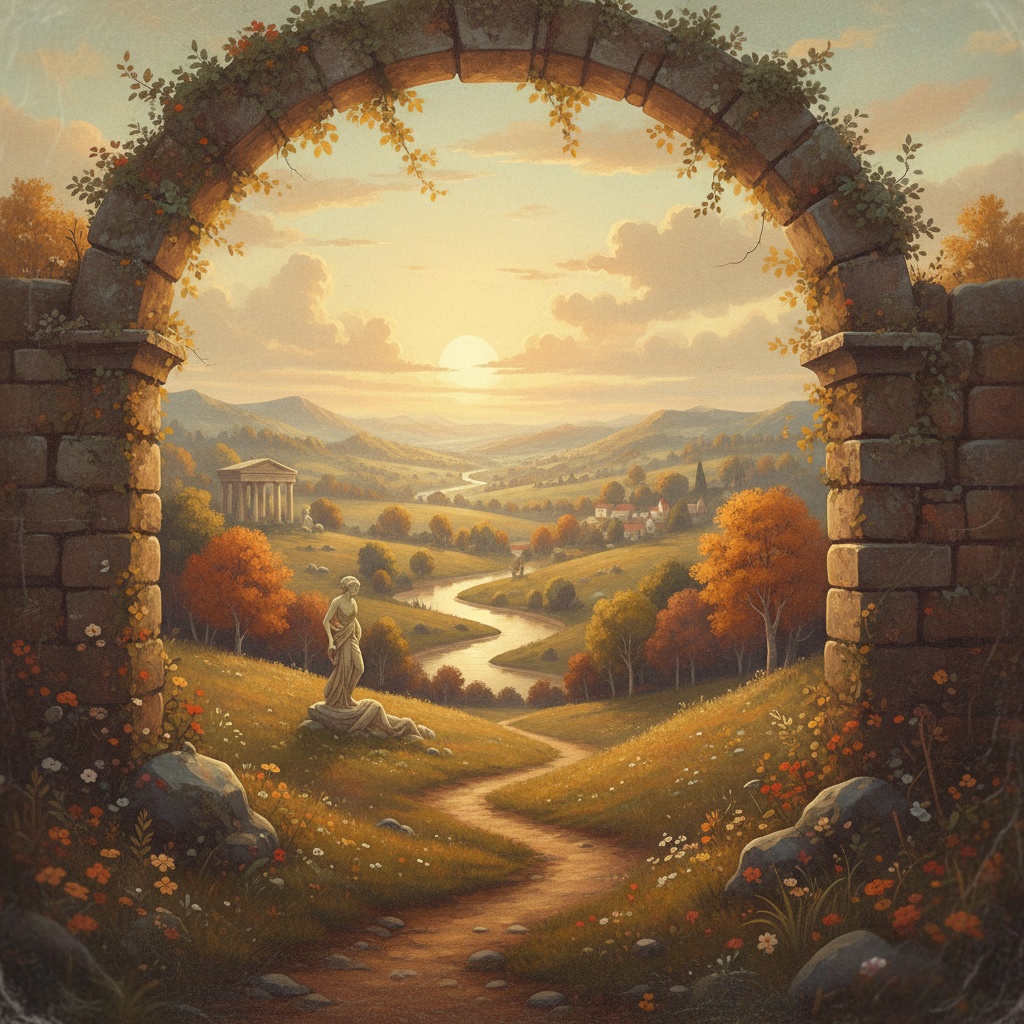
Long before the advent of photography, landscape painting served as a primary conduit for experiencing—and often idealizing—the natural world. But it wasn’t merely about accurate depiction; it was about evoking a feeling, a longing for a simpler existence, a connection to something primal and untamed. This yearning finds its earliest expression in the pastoral tradition, originating in classical literature and blossoming through centuries of artistic interpretation. The genre, as defined by poets like Virgil and later embraced by artists throughout Europe, presented an idealized vision of rural life – shepherds tending flocks under benevolent skies, fertile fields yielding abundant harvests. This wasn’t a realistic portrayal; it was a carefully constructed fantasy, born from the urban dweller's desire for respite from the complexities of civilization. The very act of painting these scenes, even centuries ago, suggests a recognition of something lost or unattainable, a golden age forever receding into memory. Eunice James’ “Landscape” (1914), with its serene depiction of American pastoral beauty and textured brushwork, exemplifies this enduring sentiment, echoing the Hudson River School's commitment to capturing a nostalgic view of rural life.
Hudson River School & the American Sublime: A National Identity Forged in Nature
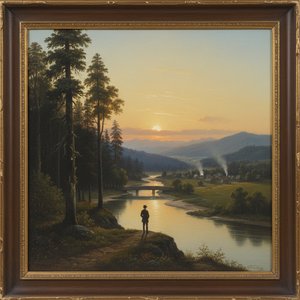
 Landscape Mural
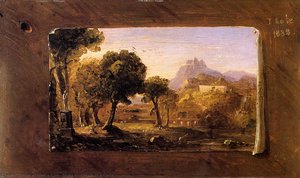
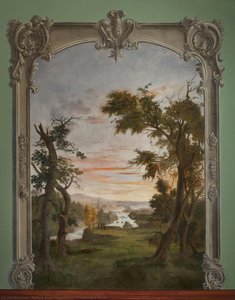
Discover Robert Scott Duncanson’s ‘Landscape Mural,’ a serene 1852 Hudson River School painting. Explore its romantic style, atmospheric perspective & the artist's legacy.
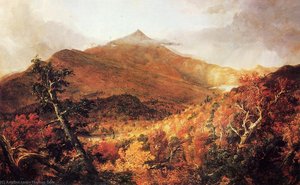
In the mid-19th century, this European tradition found fertile ground in America, giving rise to the Hudson River School. More than just a stylistic movement, it was an expression of national identity, inextricably linked to the burgeoning spirit of Manifest Destiny and the exploration of a vast, untamed continent. Artists like Thomas Cole, often considered the founder of the school, didn’t simply paint what they saw; they imbued their canvases with a sense of awe and reverence for the American landscape. Cole's early journeys up the Hudson River were transformative, inspiring him to capture the dramatic vistas and imposing mountains that would become hallmarks of the style. The “sublime”—that potent combination of beauty and terror—became central to their work. Paintings weren’t just representations of nature; they were moral allegories, reflections on humanity's place within a grand cosmic order. Robert Scott Duncanson’s “Landscape Mural” (1852) beautifully illustrates this romantic style, showcasing atmospheric perspective and the artist’s legacy in portraying the spiritual power of the natural world.
Romantic Visions & Claude Lorrain: European Influences on 19th-Century Landscapes
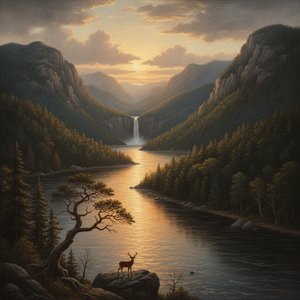
The Festival of the Opening of the Vintage at Mâcon is an 1803 landscape painting by the English artist J.M.W. Turner. It was produced in the wake of Turner's visit to Continental Europe during the Peace of Amiens. The pause in fighting was brief and...
While distinctly American in its subject matter, the Hudson River School was deeply indebted to European artistic traditions. The influence of 17th-century landscape painter Claude Lorrain is particularly pronounced. Artists admired Lorrain’s masterful use of light and shadow, his ability to create a sense of depth and tranquility within his compositions. They studied his techniques for rendering atmospheric effects and idealized pastoral scenes. J.M.W. Turner's “The Festival of the Opening of the Vintage at Mâcon” (1803) provides a fascinating example of this European lineage, explicitly referencing Lorrain’s style while simultaneously capturing a fleeting moment in French rural life. Turner, despite depicting a specific locale, drew heavily from his memories of the River Thames, demonstrating how artists often blended observation with imagination and artistic precedent. This homage to Old Masters wasn't mere imitation; it was a conscious effort to elevate landscape painting to the level of historical or religious art.
Beyond Representation: Atmospheric Perspective and Emotional Resonance
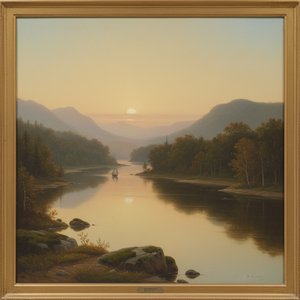
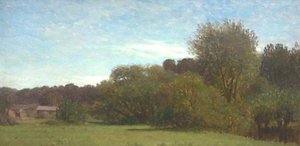 New england landscape
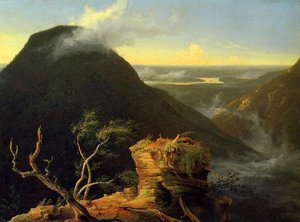
Admire Samuel Coleman Jr.'s "New England Landscape," an Impressionistic oil painting capturing serene beauty & atmospheric light. Explore this timeless piece of American art.
The technical skill employed by these artists went hand-in-hand with their philosophical ambitions. Mastering atmospheric perspective—the technique of rendering distance through subtle shifts in color, tone, and detail—was crucial to conveying the vastness and depth of the American landscape. Artists meticulously layered paint, creating a sense of receding space that drew the viewer into the scene. But beyond technical proficiency, they sought to evoke an emotional response. The soft glow of sunlight filtering through trees, the dramatic play of clouds across mountain peaks—these weren’t simply visual effects; they were carefully orchestrated attempts to stir feelings of awe, tranquility, and spiritual connection. Samuel Coleman Jr.’s “New England Landscape” exemplifies this focus on capturing serene beauty and atmospheric light, inviting contemplation and a sense of peaceful immersion.
The Transient Moment: Capturing Light, Weather, and the Ephemeral Beauty of Rural Life
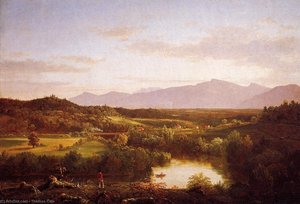
A key characteristic of vintage landscape painting is its attempt to capture the fleeting nature of time. Light changes constantly, weather patterns shift unpredictably, and seasons come and go in an endless cycle. Artists understood that they could never truly *capture* a scene; they could only record a momentary impression, a specific confluence of conditions. This awareness imbued their work with a sense of poignancy and fragility. The paintings serve as reminders of the ephemeral beauty of rural life—a beauty that is constantly changing and ultimately unattainable. The Albany Institute’s collection, featuring works by artists like Thomas Cole and Frederic Church, highlights this theme, revealing a visual history of the United States during a period of rapid transformation, including its aspirations and growing nostalgia for a simpler past.
Collecting Vintage Landscapes: Preserving a Legacy of Artistic Sentiment
Today, collecting vintage landscape paintings is more than just acquiring beautiful objects; it’s about preserving a legacy of artistic sentiment. These works offer a window into a different time—a time when artists sought to connect with nature on a deeply personal level and convey that connection through their art. They remind us of the importance of slowing down, appreciating the beauty around us, and recognizing our place within the natural world. Whether you’re drawn to the dramatic vistas of the Hudson River School or the idyllic scenes of the pastoral tradition, these paintings offer a timeless source of inspiration and solace. At ArtsDot.com, we are dedicated to making these masterpieces accessible to all, offering high-quality reproductions that capture the essence and emotional power of these iconic works. Explore our collection today and discover the enduring beauty of vintage landscape art.