

 Preview
 Send
Send Share
Share
 Details

 Download
 Similars
 X-Ray
X-Ray Diaporama
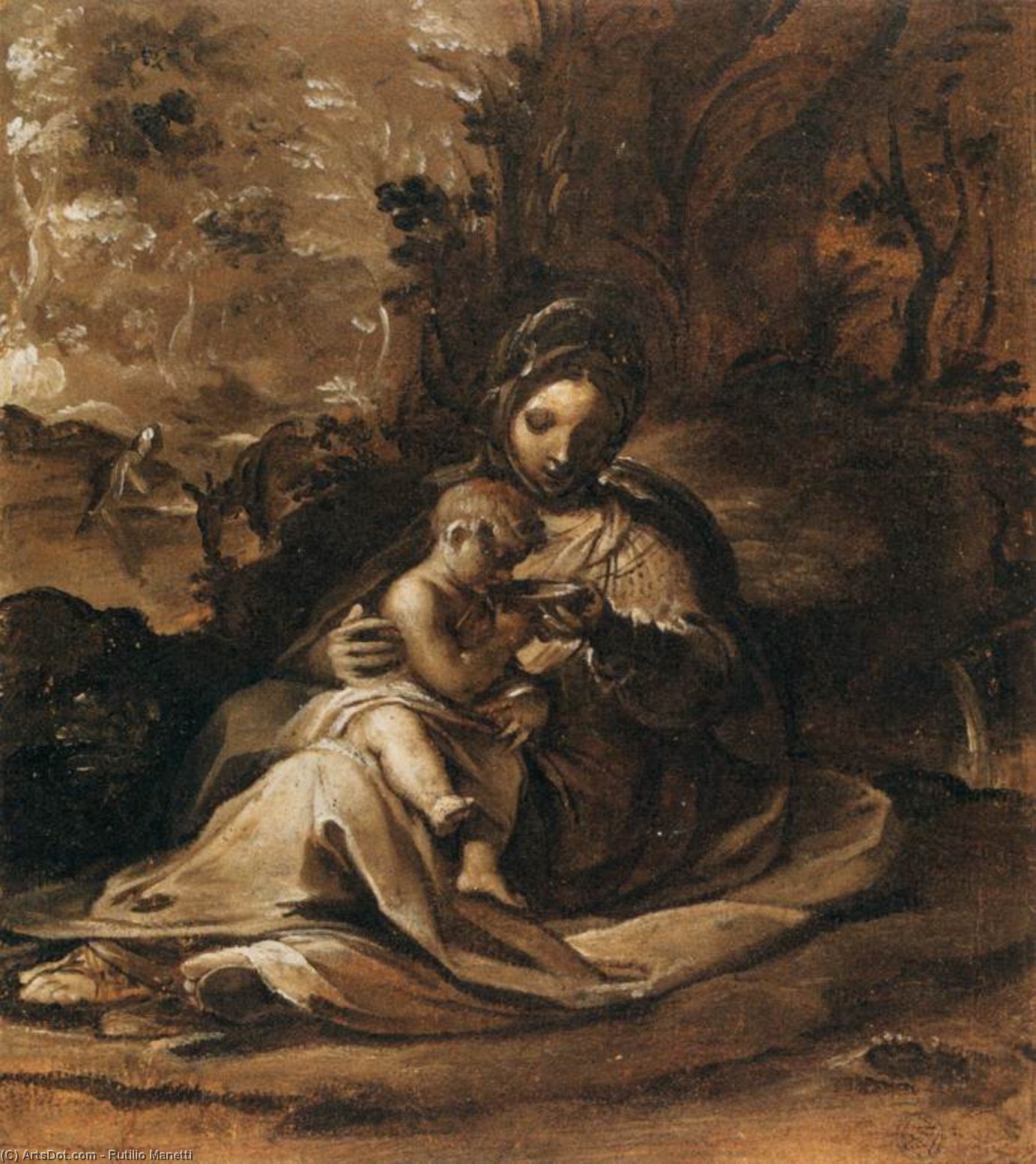
The Rest on the Flight into Egypt
 Oil On Canvas
- WallArt
- Baroque
 23.0 x 20.0 cm
 The Louvre
 Read More
Purchase a high-resolution, enhanced digital image, far superior to the online preview.
Each file is meticulously prepared by our in-house specialists using advanced tools and expert manual retouching. We ensure every image has exceptional clarity, precise color accuracy, and fine detail.
The final file is delivered via email within 72 hours, optimized for immediate use in professional, editorial, and print environments. This is the same quality trusted by top-tier design studios, publishers, and galleries.
Digital Image
Download a high-resolution file for personal display, printing, and creative projects. ( Buy Print Buy Hand Made Painting)
Included in Every Digital Image Order
Expert Digital Delivery, Guaranteed
When you choose ArtsDot.com, you're not just getting an image - you're receiving a professionally enhanced digital artwork, crafted with precision and backed by a satisfaction guarantee. Here's everything that comes with your order, automatically:

Fast Email Delivery
Your high-resolution digital image file will be emailed to you within 72 hours of ordering - ready for immediate use.

AI-Enhanced Digital File
Your artwork is professionally optimized using advanced AI tools and manual editing, ensuring maximum detail, clarity, and color accuracy.

Free Lifetime Re-Delivery
Accidentally deleted or lost your file? No worries - we'll resend it to you anytime, free of charge.

No Import Fees - Ever
Enjoy your artwork instantly with zero customs, duties, or delivery fees - digital downloads are always tax-free.

Color Accuracy Guarantee
We ensure your digital image reflects the original colors as closely as possible using professional tools and color management.

60-Day Satisfaction Guarantee
If you're not satisfied with your digital image, we'll revise it or refund 100% within 60 days - no questions asked.

100% Money-Back Guarantee
Not satisfied? Get a full refund within 60 days of receiving your digital file - no questions asked.

Bulk Order Discounts
Buy 3 images, save 10% - Buy 5, save 15% - Buy 10+, save 20%. Great for creative projects, galleries, and agencies.
Collectible Description
A Moment of Serenity: Exploring Rutilio Manetti’s “The Rest on the Flight into Egypt”
Rutilio di Lorenzo Manetti's "The Rest on the Flight into Egypt," painted around 1628 and now housed in the San Pietro alle Scale church in Siena, Italy, is more than just a depiction of a biblical scene; it’s a profound meditation on maternal love, familial devotion, and the quiet grace found amidst hardship. Manetti, a pivotal figure bridging the late Mannerist and early Baroque periods in Siena, masterfully captures a fleeting moment within the narrative of Mary, Joseph, and the infant Jesus seeking refuge in Egypt – a story steeped in symbolism and enduring emotional resonance.
The painting immediately draws the viewer into a scene of remarkable tranquility. It’s not the dramatic, action-packed portrayal often associated with biblical narratives; instead, Manetti presents a serene tableau of domesticity. Mary, depicted as a young woman radiating gentle serenity, is asleep, cradling the infant Jesus in her arms. Joseph, rendered with a quiet dignity, holds a manuscript – likely a musical score – while an angel, youthful and luminous, plays a viol, offering a hymn to the Virgin Mother. The composition feels intimate, almost voyeuristic, as if we’ve stumbled upon a private moment of respite within this family's perilous journey.
Baroque Realism: Technique and Artistic Influence
Manetti’s style is a compelling blend of influences, reflecting the evolving artistic landscape of his time. While rooted in the traditions of Siena painting – particularly the work of Francesco Vanni – he demonstrates a growing awareness of the dramatic lighting and emotional intensity championed by Caravaggio and other Baroque masters. The use of *chiaroscuro*, the stark contrast between light and shadow, is particularly effective here, sculpting the figures and creating a palpable sense of depth and volume. The impasto technique—the application of thick layers of paint—adds texture to the fabrics, skin tones, and even the landscape, lending a tactile quality to the scene.
Interestingly, scholars have identified a direct influence from Annibale Carracci’s “Choice of Hercules,” completed just a few years prior. The pose of the angel playing the viol is remarkably similar, suggesting that Manetti was exposed to this groundbreaking work and consciously adopted elements of its dynamic composition. This connection highlights the vibrant artistic exchange occurring in Italy during this period.
Symbolism and Spiritual Depth
Beyond its visual beauty, “The Rest on the Flight into Egypt” is rich with symbolic meaning. The angel’s music serves as a direct invocation of Mary's role as the Mother of God, emphasizing her divine grace and maternal compassion. The manuscript held by Joseph could represent the safeguarding of faith and tradition within the family. The very act of resting – a moment of vulnerability and reliance on one another – underscores the profound bond between these figures.
Furthermore, the setting itself—a simple landscape with trees and distant hills—is not merely decorative; it symbolizes the temporary refuge offered by nature, mirroring the divine protection sought by the Holy Family. The scene speaks to themes of hope amidst adversity, faith in the face of danger, and the enduring power of family love – timeless concepts that continue to resonate deeply with viewers today.
A Legacy of Italian Baroque Art
Rutilio Manetti’s “The Rest on the Flight into Egypt” stands as a testament to his artistic skill and his engagement with the evolving currents of the Italian Baroque. It's a poignant portrayal of a biblical narrative, elevated by masterful technique, evocative symbolism, and a profound understanding of human emotion. Reproductions of this captivating artwork offer a window into a pivotal moment in art history—a reminder of the beauty, spirituality, and enduring power of Italian Renaissance and Baroque painting.
Related Artworks
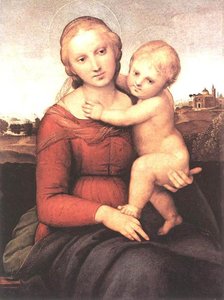
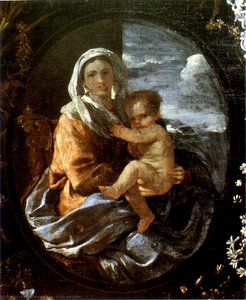
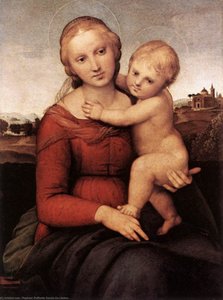
Artist Biography
Rutilio di Lorenzo Manetti: Life and Legacy
Early Life and Influences
Rutilio di Lorenzo Manetti (born Siena, Italy, 1571 – died 1639) was an Italian painter active during the transition from late Mannerism to the early Baroque period. He spent his artistic career primarily in Siena, deeply influenced by the established Sienese painting tradition.
- Manetti received formative training and guidance from prominent local artists Francesco Vanni and Ventura Salimbeni, whose styles significantly shaped his early work.
- He also collaborated with Raffaello Vanni, Francesco’s son, further solidifying his connection to the leading artistic circles in Siena.
Artistic Development and Style
Manetti's early works demonstrate a clear adherence to the Mannerist aesthetic, characterized by elongated figures, elegant compositions, and refined detail. However, over time, his style underwent a notable transformation.
- Around the beginning of the 17th century, Manetti began incorporating elements of the emerging Baroque style, particularly the dramatic use of light and shadow (tenebrism) associated with Caravaggio.
- The exact source of this stylistic shift remains debated – it could have been influenced by other Sienese and Florentine painters or through direct exposure to Roman art.
- His work is marked by a blend of gracefulness inherited from Mannerism and the heightened emotional intensity characteristic of Baroque painting.
Major Works and Achievements
Manetti created numerous paintings for churches and public buildings in Siena and surrounding towns, establishing himself as a leading artist in the region. Some of his most significant works include:
- Story of St Catherine and Pope Gregory (1597; Palazzo Pubblico, Siena) – An early example showcasing his Mannerist training.
- Baptism of Christ (1600; Church of San Giovannino in Pantaneto) – Demonstrates a growing sophistication in composition and color.
- A fresco cycle depicting the Story of St Roch (1605–1610; San Rocco alla Lupa) – A large-scale project showcasing his narrative skills.
- Rest on the Flight to Egypt (San Pietro alle Scale, Siena) - Illustrates his evolving Baroque style with dramatic lighting and emotional depth.
- His contributions to the Casino Mediceo in Siena, alongside artists like Matteo Rosselli and Giovanni Lanfranco, represent a high point in his career.
Historical Significance and Legacy
Rutilio Manetti played an important role in the artistic transition occurring in Siena during the late 16th and early 17th centuries. He successfully navigated the shift from Mannerism to Baroque, adapting his style to meet changing aesthetic preferences.
- His work reflects the religious fervor of the Counter-Reformation, with many paintings depicting scenes from the lives of saints and biblical stories.
- Manetti’s influence extended to a younger generation of artists, including his pupil Stefano Volpi.
- While not as widely recognized internationally as some of his contemporaries, Manetti remains an important figure in the history of Sienese painting and a valuable example of artistic adaptation during a period of significant change.
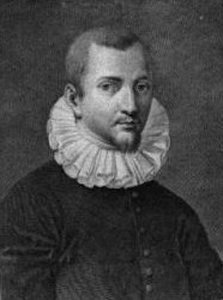
Rutilio Manetti
1571 - 1639 , Italy
Quick Facts
- Birth Date: 1571
- Birth Place: Siena, Italy
- Death Date: 1639
- Influenced: Stefano Volpi
- Influenced By: Francesco Vanni, Ventura Salimbeni
- Movement: Late-Mannerism, Proto-Baroque
- Name: Rutilio di Lorenzo Manetti
- Nationality: Italian
- Notable Works: Story of St Catherine and Pope Gregory, Baptism of Christ, Story of St Roch, Rest on the Flight to Egypt

