 Preview
 Send
Send Share
Share
 Details

 Download
 Similars
 X-Ray
X-Ray Diaporama
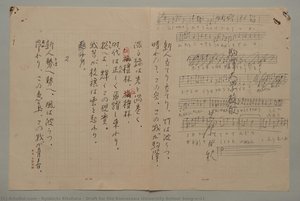
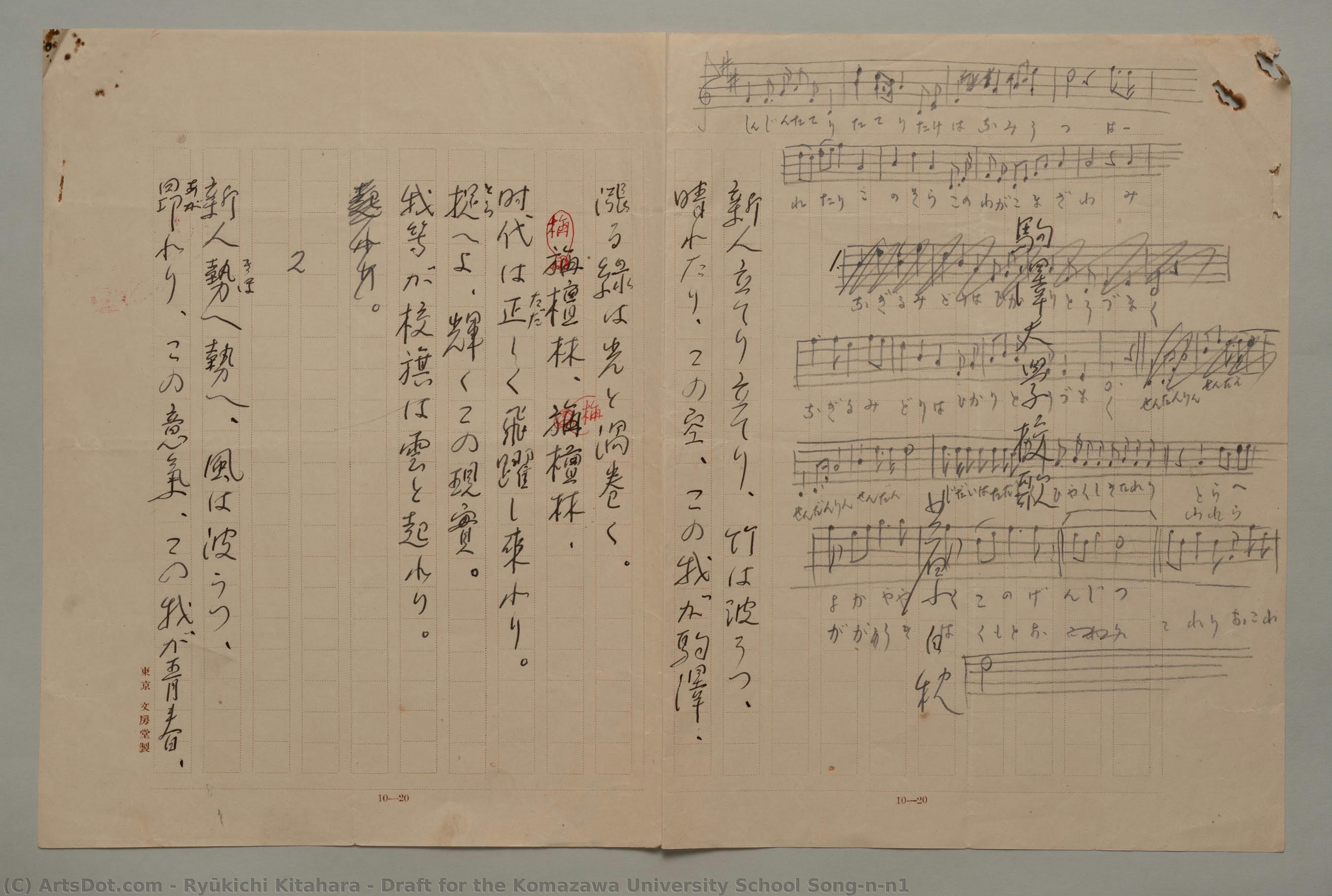
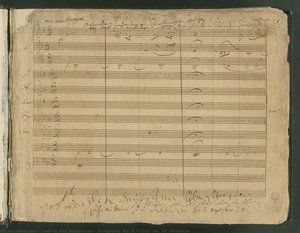
Draft for the Komazawa University School Song\n\n1


 Read More
Hand Made Oil Reproduction
Hand-painted oil on canvas in your size and frame, made to order by our artists. ( Buy Print Buy Image)




































Pick from our preset sizes that match the artwork's original proportions.

You may enter your own dimensions to fit a specific frame or space. If your selected size does not match the original image's proportions, we will either crop the artwork or extend the painting with additional hand-painted elements. A digital mockup will be sent for your approval before production begins.
Please note that the on-screen preview does not reflect the actual cropping or extension. Only the mockup will accurately show the final composition.
While custom sizes are available, we recommend selecting a dimension from the predefined list to preserve the original proportions.
After order, ArtsDot.com team will email client for instructions and provide a mockup preview
Worldwide Delivery () in 3/4 weeks instead of standard 5 weeks. (3 September). No compromise on quality.

Free Worldwide Express Shipping

High-Quality Linen Canvas

Full Shipping Insurance

Customs Tax Refund Guarantee

True Color Matching Guarantee

60-Day Return Policy (Defects Only)

100% Money-Back Guarantee

Bulk Discount Offer
 Glass option is only available in size under 110 CM

Draft for the Komazawa University School Song\n\n1
Reproduction Medium
Reproduction Size
-


Total Price
$ 263
Related Artworks







Artist Biography
The Lyrical Soul of Modern Japan: The Life and Legacy of Ryūkichi Kitahara
In the delicate tapestry of early 20th-century Japanese literature, few threads shine with as much vibrant color and sensory richness as those woven by Ryūkichi Kitahara. Born in 1885 in the tranquil setting of Yanagawa, Fukuoka, Kitahara emerged from a family of sake brewers—a background that perhaps gifted him an early, profound sensitivity to the subtle nuances of fermentation, scent, and the slow, transformative beauty of nature. While his formal education at Waseda University led him toward English Literature, his heart was irrevocably captured by the rhythmic pulse of Japanese verse. This tension between Western academic influence and deep-seated Eastern tradition would become the defining characteristic of his poetic voice, allowing him to bridge the gap between ancient aesthetics and the burgeoning modernism of the Taishō and Shōwa eras.
The trajectory of Kitahara’s career was irrevocably altered by his encounter with the works of Tōson Shimazaki. Immersing himself in the evocative landscapes of Wakanashu, Kitahara found a blueprint for a new kind of poetic expression—one that utilized the Shintaishi (New Style) to capture the fleeting emotions of a changing nation. His arrival in Tokyo in 1904 marked the beginning of a meteoric rise within the literary circles of the capital. By joining the prestigious Shinshisha (New Poetry Association) under the mentorship of Yosano Tekkan, he gained access to a wider world of intellectuals, eventually forming his own innovative group, the Pan no kai (The Society of Pan). This collective was remarkably avant-garde for its time, intentionally blurring the boundaries between different art forms by inviting painters, musicians, and actors into the literary fold, much like the Symbolist movements taking hold in Europe.
A Revolution of Imagery: Jashumon and the Birth of Modernism
The year 1909 stands as a monumental milestone in Japanese letters with the publication of Kitahara’s seminal collection, Jashumon (Heretics). This work did not merely follow the trends of its day; it shattered them. Through an audacious use of imagery and a structural organization that defied the rigid constraints of classical forms, Jashumon introduced a sense of raw, emotional resonance to the Japanese poetic landscape. Kitahara possessed a unique ability to view the world through a lens of childhood wonder, yet he infused this innocence with a sophisticated, almost haunting symbolism. His verses often felt like vivid, dreamlike snapshots—capturing the scent of rain, the texture of light, and the profound spiritual idealism that lay beneath the surface of everyday existence.
Following the seismic impact of Jashumon, Kitahara continued to refine his mastery of the sensory experience. In works such as Omoide (Memories, 1912), he delved deeper into the nostalgic realms of the past, using the perspective of a child to evoke a sense of universal longing and beauty. His poetry became a sanctuary for the ephemeral, a place where the modern struggle for identity could be reconciled with the timeless rhythms of the natural world. This period of his work is characterized by a profound synthesis of Expressionism and traditional Tanka sensibilities, creating a lyrical language that was both startlingly new and comfortingly familiar to a nation navigating the complexities of modernization.
Historical Significance and Enduring Influence
The legacy of Ryūkichi Kitahara extends far beyond the printed page. As a pivotal figure in the development of modern Japanese poetry, he helped establish a new baseline for what the language could achieve in terms of emotional depth and symbolic complexity. His influence can be traced through subsequent generations of poets who sought to balance the weight of tradition with the freedom of individual expression. Even as his personal life faced turbulent moments—including periods of legal hardship that tested his resolve—his commitment to the aesthetic beauty of the Japanese language remained unshakable.
Today, Kitahara is remembered not just as a poet, but as an architect of modern Japanese sensibility. His ability to weave together the following elements remains his greatest achievement:
- The Synthesis of Styles: Merging the formal structures of classical Japanese verse with the experimental spirit of Western Expressionism.
- Sensory Innovation: Utilizing vivid, tactile imagery to evoke deep emotional and spiritual responses in the reader.
- Interdisciplinary Vision: Promoting a holistic view of art through the creation of the Pan no kai, uniting literature with the visual and performing arts.
- Cultural Bridge-Building: Navigating the transition from the traditional Meiji era to the modernizing Taishō and Shōwa periods with grace and poetic brilliance.
In the quiet reading of a Kitahara verse, one still finds the echoes of Yanagawa’s natural beauty and the bold, searching spirit of a man who dared to redefine the very soul of Japanese poetry.
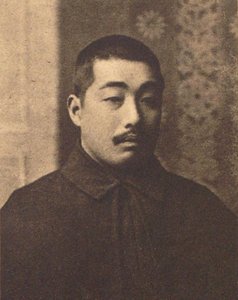
ryūkichi kitahara
1885 - 1942 , Japan
Quick Facts
- Artistic Movement Or Style: Expressionism Japan
- Artists Or Movements Influenced By This Artist: ['Lucian Freud']
- Artists Who Influenced This Artist: ['Tōson Shimazaki']
- Date Of Birth: January 25, 1885
- Date Of Death: November 2, 1942
- Full Name: Ryūkichi Kitahara (Hakushū Kitahara)
- Nationality: Japanese
- Notable Artworks: ['Draft for the Komazawa University School Song']
- Place Of Birth: Yanagawa, Japan