

 Preview
 Send
Send Share
Share
 Details

 Download
 Similars
 X-Ray
X-Ray Diaporama
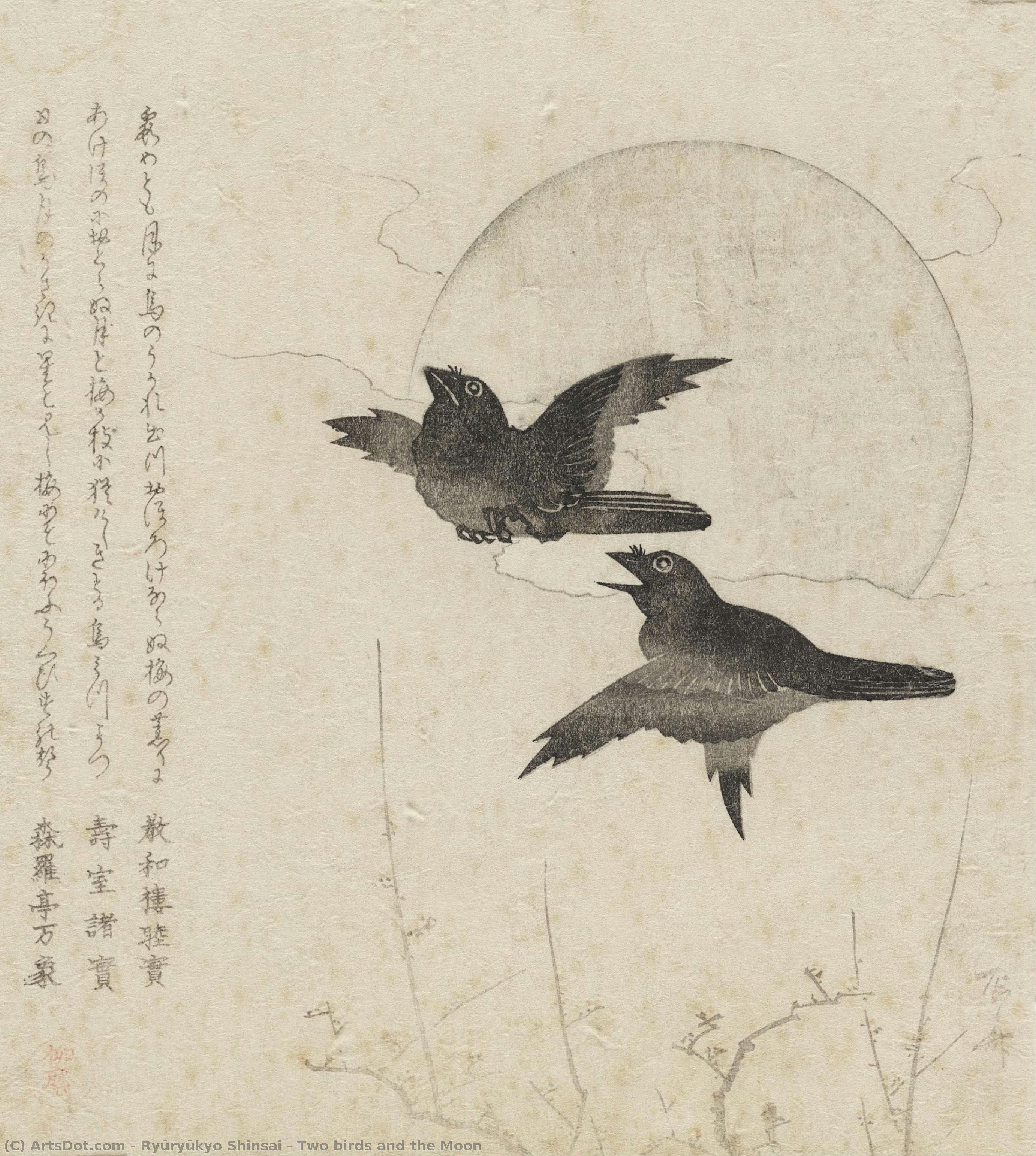
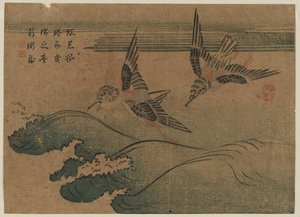
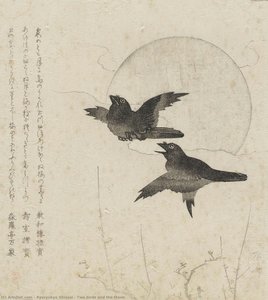
Two birds and the Moon


 Read More
Purchase a high-resolution, enhanced digital image, far superior to the online preview.
Each file is meticulously prepared by our in-house specialists using advanced tools and expert manual retouching. We ensure every image has exceptional clarity, precise color accuracy, and fine detail.
The final file is delivered via email within 72 hours, optimized for immediate use in professional, editorial, and print environments. This is the same quality trusted by top-tier design studios, publishers, and galleries.
Digital Image
Download a high-resolution file for personal display, printing, and creative projects. ( Buy Print Buy Hand Made Painting)
Included in Every Digital Image Order
Expert Digital Delivery, Guaranteed
When you choose ArtsDot.com, you're not just getting an image - you're receiving a professionally enhanced digital artwork, crafted with precision and backed by a satisfaction guarantee. Here's everything that comes with your order, automatically:

Fast Email Delivery
Your high-resolution digital image file will be emailed to you within 72 hours of ordering - ready for immediate use.

AI-Enhanced Digital File
Your artwork is professionally optimized using advanced AI tools and manual editing, ensuring maximum detail, clarity, and color accuracy.

Free Lifetime Re-Delivery
Accidentally deleted or lost your file? No worries - we'll resend it to you anytime, free of charge.

No Import Fees - Ever
Enjoy your artwork instantly with zero customs, duties, or delivery fees - digital downloads are always tax-free.

Color Accuracy Guarantee
We ensure your digital image reflects the original colors as closely as possible using professional tools and color management.

60-Day Satisfaction Guarantee
If you're not satisfied with your digital image, we'll revise it or refund 100% within 60 days - no questions asked.

100% Money-Back Guarantee
Not satisfied? Get a full refund within 60 days of receiving your digital file - no questions asked.

Bulk Order Discounts
Buy 3 images, save 10% - Buy 5, save 15% - Buy 10+, save 20%. Great for creative projects, galleries, and agencies.
Collectible Description
Related Artworks
Artist Biography
Ryūryukyo Shinsai: A Master of Delicate Beauty in Edo Period Prints
Ryūryukyo Shinsai (柳々居辰斎), also known as Hanjirō, Mannō, and Masayuki, remains a captivating figure within the vibrant tapestry of late Edo period Japanese art. Flourishing between 1799 and 1823, he was a prominent *surimono* artist – a specialized form of woodblock print that combined painting and printing techniques – deeply rooted in the Osaka school of Ukiyo-e. His work is characterized by an exquisite delicacy, a profound understanding of nature’s subtleties, and a masterful command of color and detail, earning him considerable renown during his lifetime and solidifying his legacy as a significant contributor to Japanese art history.
Shinsai's early life remains somewhat shrouded in mystery. He was apprenticed to Hokusai, the legendary master of *ukiyo-e*, around 1807, an association that profoundly shaped his artistic development. This mentorship instilled within him a deep appreciation for Hokusai’s dynamic compositions and innovative use of color, but also fostered a desire to forge his own distinct style. Unlike many artists who simply imitated their teachers, Shinsai skillfully absorbed Hokusai's techniques while simultaneously developing a refined aesthetic that prioritized elegance, understatement, and an almost ethereal quality.
The Art of *Surimono* and Shinsai’s Unique Style
*Surimono*, literally “printed pictures,” represented a significant departure from traditional Japanese painting. These prints were often created on expensive mulberry paper and featured elaborate designs incorporating gold leaf, silver foil, and vibrant pigments – elements rarely found in conventional paintings. Shinsai expertly utilized these luxurious materials, elevating his *surimono* to objects of considerable beauty and value. His style is immediately recognizable by its refined color palette—often dominated by pale blues, greens, and pinks—and a meticulous attention to detail, particularly in rendering natural elements like birds, flowers, and water.
Unlike some Ukiyo-e artists who focused on dramatic scenes or popular subjects, Shinsai specialized in depicting serene landscapes and intimate moments of daily life. He frequently portrayed birds – particularly cranes and sparrows – alongside moonlit scenes, a motif laden with symbolic meaning within Japanese culture. The crane, for instance, is associated with longevity and good fortune, while the moon represents tranquility and reflection. His prints often evoke a sense of quiet contemplation, inviting viewers to immerse themselves in the beauty of the natural world.
Notable Works and Influences
Several of Shinsai’s works have achieved iconic status within the Ukiyo-e canon. “Tools for the Carpenter” (1823), currently held at The Metropolitan Museum of Art, exemplifies his signature style—a delicate composition featuring a lone carpenter working amidst a serene landscape. The print is notable for its subtle use of color and the meticulous rendering of textures, from the rough bark of the trees to the smooth surface of the wooden tools.
Beyond Hokusai, Shinsai’s work demonstrates influences from other artistic traditions. The influence of Chinese landscape painting, particularly the *bonshō* style—characterized by misty mountains and flowing water—is evident in his compositions. Furthermore, he was known to study the works of contemporary Japanese painters, incorporating elements of their techniques into his own practice.
Legacy and Historical Significance
Ryūryukyo Shinsai’s contribution to Ukiyo-e is significant not only for the beauty of his individual prints but also for his role in shaping the evolution of *surimono* art. He demonstrated a remarkable ability to seamlessly blend traditional Japanese aesthetics with Western artistic principles, creating works that were both visually stunning and intellectually engaging.
His work continues to be admired by collectors and scholars alike, offering a glimpse into the refined tastes and artistic sensibilities of the late Edo period. Shinsai’s legacy as a master of delicate beauty and a skilled innovator in *surimono* printing ensures that his art will endure for generations to come.
ryūryūkyo shinsai
Japan
Quick Facts
- Artistic Movement Or Style: Ukiyo-e (Surimono)
- Artists Who Influenced This Artist: Hokusai
- Date Of Death: 1823
- Full Name: Ryūryukyo Shinsai
- Nationality: Japanese
- Notable Artworks:
- Tools for the Carpenter
- Two birds and the Moon
- Place Of Birth: Japan

