

 Preview
 Send
Send Share
Share
 Details

 Download
 Similars
 X-Ray
X-Ray Diaporama
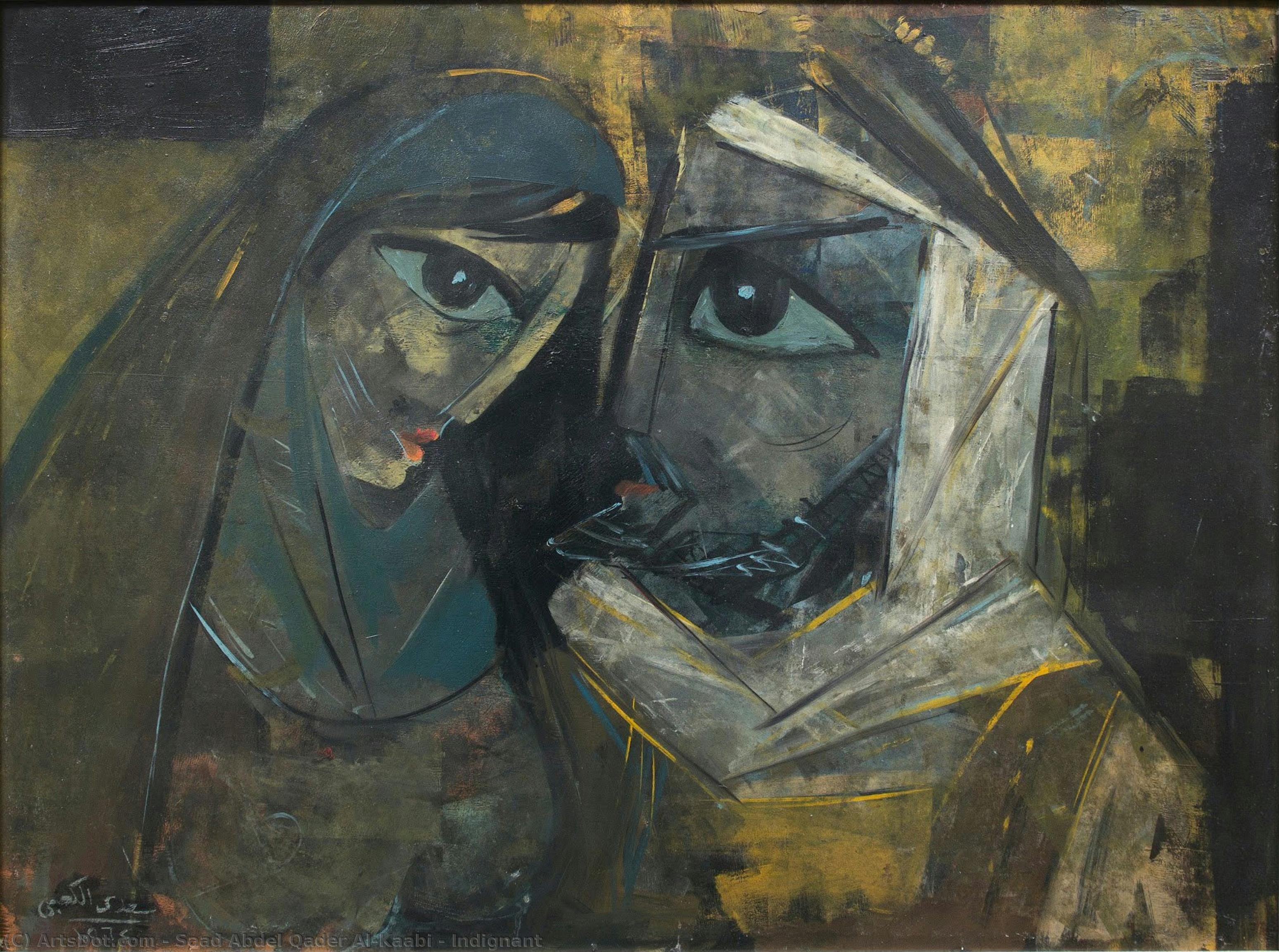
Indignant
 Expressionism
 1962
1962 65.0 x 85.0 cm
 Ibrahimi Collection
 Read More
Purchase a high-resolution, enhanced digital image, far superior to the online preview.
Each file is meticulously prepared by our in-house specialists using advanced tools and expert manual retouching. We ensure every image has exceptional clarity, precise color accuracy, and fine detail.
The final file is delivered via email within 72 hours, optimized for immediate use in professional, editorial, and print environments. This is the same quality trusted by top-tier design studios, publishers, and galleries.
Digital Image
Download a high-resolution file for personal display, printing, and creative projects. ( Buy Print Buy Hand Made Painting)
Included in Every Digital Image Order
Expert Digital Delivery, Guaranteed
When you choose ArtsDot.com, you're not just getting an image - you're receiving a professionally enhanced digital artwork, crafted with precision and backed by a satisfaction guarantee. Here's everything that comes with your order, automatically:

Fast Email Delivery
Your high-resolution digital image file will be emailed to you within 72 hours of ordering - ready for immediate use.

AI-Enhanced Digital File
Your artwork is professionally optimized using advanced AI tools and manual editing, ensuring maximum detail, clarity, and color accuracy.

Free Lifetime Re-Delivery
Accidentally deleted or lost your file? No worries - we'll resend it to you anytime, free of charge.

No Import Fees - Ever
Enjoy your artwork instantly with zero customs, duties, or delivery fees - digital downloads are always tax-free.

Color Accuracy Guarantee
We ensure your digital image reflects the original colors as closely as possible using professional tools and color management.

60-Day Satisfaction Guarantee
If you're not satisfied with your digital image, we'll revise it or refund 100% within 60 days - no questions asked.

100% Money-Back Guarantee
Not satisfied? Get a full refund within 60 days of receiving your digital file - no questions asked.

Bulk Order Discounts
Buy 3 images, save 10% - Buy 5, save 15% - Buy 10+, save 20%. Great for creative projects, galleries, and agencies.
Related Artworks



Artist Biography
Richard Estes: The Architect of Reflection
Richard Estes, born in Chicago on May 14, 1932, emerged as a pivotal figure in the late 20th-century art world, largely due to his groundbreaking contributions to photorealism. His career, spanning several decades and marked by an unwavering dedication to capturing the essence of urban landscapes, represents a fascinating intersection of observation, technical skill, and artistic vision. Estes’s work isn't merely photographic reproduction; it’s a carefully constructed meditation on light, reflection, and the inherent beauty found within the mundane details of city life. His journey began with a solid foundation in traditional fine arts training at the Art Institute of Chicago, where he immersed himself in the works of masters like Edgar Degas, Edward Hopper, and Thomas Eakins – artists who meticulously rendered reality with an acute eye for detail and atmosphere. This early exposure to realism profoundly influenced his later approach, shaping his understanding of composition, value, and color.Early Years and Transition to Photography
Estes’s formative years were spent in Chicago, a city that would become the primary subject of much of his work. After graduating from the Art Institute, he embarked on a career as a graphic artist for various magazines and advertising agencies in New York City and Spain. This period proved crucial, providing him with invaluable experience in visual communication and honing his skills in working with projectors – a technique he would later master to create his signature photorealistic paintings. It was during this time that Estes began experimenting with photographic images as the basis for his art, initially drawn to the precision and clarity of photographs. He found himself increasingly captivated by the way photography could capture fleeting moments and reveal hidden details within familiar environments. This shift marked a deliberate departure from traditional painting methods, embracing a new approach rooted in observation and reproduction. His move to Spain further broadened his artistic horizons, exposing him to different cultural perspectives and influencing his aesthetic sensibilities.The Rise of Photorealism
Estes’s work gained significant recognition as one of the founding figures of the international photorealist movement in the late 1960s. Artists like John Baeder, Chuck Close, Robert Cottingham, and Audrey Flack were all exploring similar themes – the intersection of photography and painting – and Estes's meticulous attention to detail and his innovative use of projection techniques quickly established him as a leading voice within this burgeoning movement. His paintings typically depict reflective surfaces—telephone booths, storefront windows, mirrored walls—transforming ordinary urban scenes into shimmering, almost surreal compositions. The key to Estes’s success lies not in simply copying photographs but in translating them onto canvas with an extraordinary level of skill and artistry. He meticulously adjusted colors, values, and textures to create paintings that possess a remarkable sense of depth and realism, while simultaneously retaining a distinctly painted quality. Graham Thompson aptly describes his work as “one demonstration of the way photography became assimilated into the art world,” highlighting Estes’s pivotal role in this transformative shift within the art landscape.Technique and Style
Estes's technique is characterized by its painstaking precision and a remarkable understanding of light and reflection. He typically worked from black-and-white photographs, carefully selecting images that possessed strong compositional elements and interesting patterns of light and shadow. The use of the projector was central to his process; he would project the photograph onto the canvas, tracing the outlines with charcoal and then meticulously building up layers of paint to recreate the image with astonishing accuracy. He wasn’t interested in creating mere copies but rather in capturing the *essence* of the scene – its mood, atmosphere, and underlying structure. His paintings are often described as “architectural,” reflecting his deep appreciation for the geometry and spatial relationships within urban environments. The use of subtle gradations of color and texture creates a sense of depth and realism that is both captivating and unsettling.Legacy and Influence
Richard Estes’s impact on contemporary art extends far beyond his contributions to photorealism. His work has influenced generations of artists, demonstrating the power of observation and the potential for painting to engage with photographic imagery in innovative ways. His meticulous approach to detail and his masterful manipulation of light and reflection continue to inspire artists today. While he largely avoided explicit statements about his artistic intentions, Estes’s paintings speak volumes about the changing relationship between art and photography, and the evolving role of the artist as a visual interpreter of the modern world. He passed away in 2014, leaving behind a substantial body of work that remains both technically impressive and aesthetically compelling—a testament to his dedication, skill, and artistic vision. His paintings are now held in prestigious collections worldwide, ensuring that his legacy as one of the most important artists of the late 20th century will endure for years to come.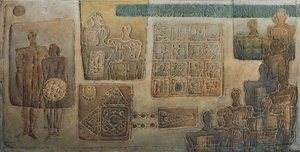
saad abdel qader al-kaabi
1932 - 2014 , Iraq
Quick Facts
- Artistic Movement Or Style: Photorealism
- Artists Or Movements Influenced By This Artist:
- John Baeder
- Chuck Close
- Gerhard Richter
- Artists Who Influenced This Artist:
- Edgar Degas
- Edward Hopper
- Thomas Eakins
- Date Of Birth: May 14, 1932
- Date Of Death: 2014
- Full Name: Richard Estes
- Nationality: American
- Notable Artworks: ['Telephone Booths']
- Place Of Birth: Chicago, USA

