 Preview
 Send
Send Share
Share
 Details

 Download
 Similars
 X-Ray
X-Ray Diaporama
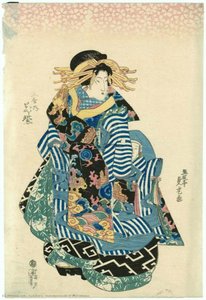
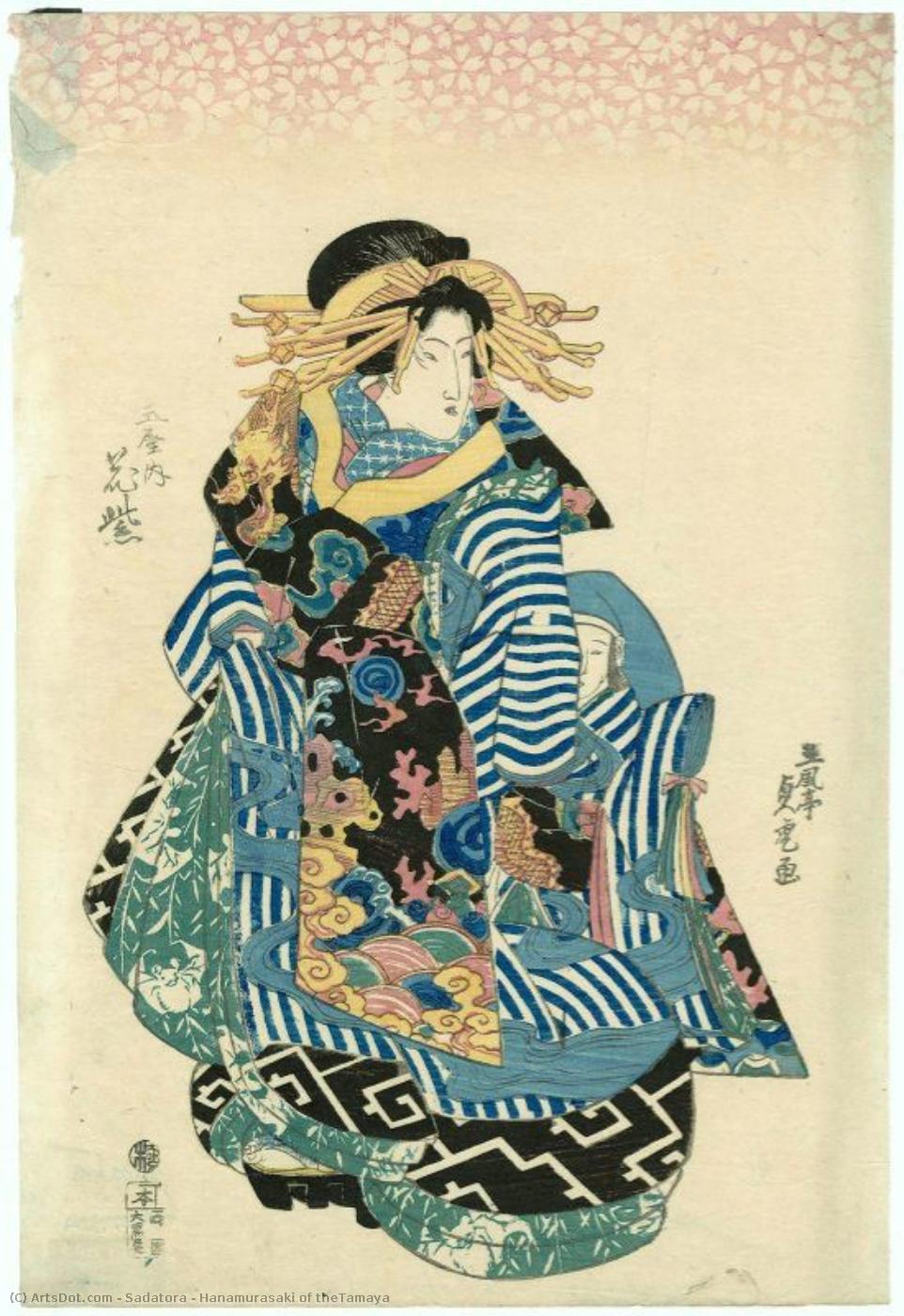
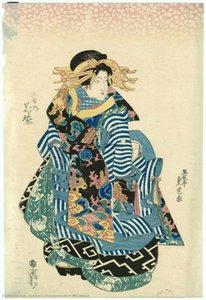
Hanamurasaki of theTamaya

 Read More
Giclée / Art Print
Museum-quality giclée or canvas print with fast production and flexible finish options. ( Buy Hand Made Painting Buy Image)




































Pick from our preset sizes that match the artwork's original proportions.

You may enter your own dimensions to fit a specific frame or space. If your selected size does not match the original image's proportions, we will either crop the artwork or extend the image with a mirrored or solid-fill edge. A digital mockup will be sent for your approval before production begins.
Please note that the on-screen preview does not reflect the actual cropping or extension. Only the mockup will accurately show the final composition.
While custom sizes are available, we recommend selecting a dimension from the predefined list to preserve the original proportions.
Worldwide Delivery () in 2 weeks instead of standard 4/5 weeks. (26 August)

Free Worldwide Express Shipping

High-Quality Linen Canvas

Full Shipping Insurance

Customs Tax Refund Guarantee

True Color Matching Guarantee

60-Day Return Policy (Defects Only)

100% Money-Back Guarantee

Bulk Discount Offer
 Glass option is only available in size under 110 CM

Hanamurasaki of theTamaya
Giclée / Art Print
Reproduction Size
-


Total Price
$ 63
Related Artworks

Artist Biography
The Ethereal Vision of Utagawa Sadatora
In the vibrant, pulsing heart of Edo-period Japan, where the concept of ukiyo—the floating world—defined the very essence of existence, Utagawa Sadatora emerged as a master of capturing the ephemeral. Born around 1825 in the bustling metropolis of Tokyo, Sadatora was more than just a practitioner of woodblock printing; he was a poet of the atmospheric and the transient. Operating under the evocative pseudonym Gofûtei, which translates to “Five Winds Pavilion,” his artistic identity was inextricably linked to the subtle shifts of nature. This name itself serves as a testament to his preoccupation with the breeze, the changing light, and the seasonal rhythms that define the Japanese landscape, suggesting an artist deeply attuned to the breath of the natural world.
Sadatora’s journey into the heights of ukiyo-e artistry was shaped by the prestigious lineage of the Utagawa school, a powerhouse of creativity during the 19th century. His formative years were spent under the rigorous and inspiring tutelage of masters such as Utagawa Yoshitora and Kunisada. From these mentors, he inherited a profound technical foundation in the collaborative process of printmaking—the delicate dance between designer, carver, and printer. However, while his training provided him with the structural language of his predecessors, Sadatora possessed an individualistic spirit that sought to transcend mere imitation. He absorbed the grand narrative styles of Kunisada and the landscape prowess of Hiroshige, yet he distilled these influences into a style that felt uniquely intimate and sensory.
A Symphony of Light and Seasonal Grace
What distinguishes the work of Sadatora from the vast sea of his contemporaries is his remarkable ability to translate atmospheric conditions into visual splendor. While many artists of the era focused on the static beauty of subjects, Sadatora embraced a proto-impressionistic sensibility, prioritizing the way light dances across a silk kimono or how mist clings to a distant mountain peak. His technique was characterized by an exquisite sensitivity to color and a mastery of the subtle gradations that suggest movement and mood. This approach allowed him to breathe life into his subjects, making the viewer feel the dampness of a spring rain or the crisp chill of an autumn evening.
His repertoire was remarkably diverse, yet unified by a recurring fascination with the delicate nuances of the natural world and human elegance. His oeuvre frequently explored several key themes:
- Female Portraiture: Sadatora possessed a rare gift for portraying women not merely as icons of fashion, but as beings imbued with quiet emotion and grace, often set against serene or evocative backdrops.
- Landscape and Atmosphere: Through his mastery of the woodblock medium, he captured sweeping vistas and intimate natural corners, utilizing light and shadow to evoke the "floating" quality of time.
- Seasonal Motifs: Much of his work celebrated the cyclical beauty of Japan, from the delicate petals of cherry blossoms to the structured elegance of autumn plants, reinforcing the philosophical connection between humanity and the seasons.
Legacy within the Floating World
The career of Utagawa Sadatora, spanning roughly from 1818 to 1844, coincided with a period of profound cultural transition in Japan. As the Edo period reached its zenith, his prints served as both a mirror to the hedonistic joys of urban life and a window into the spiritual tranquility of nature. His ability to blend the meticulous detail required by the Utagawa tradition with an expressive, almost atmospheric lightness ensured that his work resonated deeply with the contemporary audience of the time.
Today, the significance of Sadatora lies in his role as a bridge between the established traditions of ukiyo-e and a more modern, sensory-driven approach to art. He remains a vital figure for scholars and art lovers alike, representing a moment in history when the artist’s eye turned inward to capture not just what was seen, but how it was felt. Through works such as Women Visiting a Shrine or his celebrated seasonal studies, Sadatora continues to invite us into a world where beauty is most potent precisely because it is fleeting, reminding us to find stillness within the ever-changing winds of life.
sadatora
Japan
Quick Facts
- Artistic Movement Or Style: Ukiyo-e
- Artists Or Movements Influenced By This Artist: ['']
- Artists Who Influenced This Artist: ['Utagawa Toyoshige']
- Date Of Birth: c. 1825
- Full Name: Utagawa Sadatora
- Nationality: Japanese
- Notable Artworks:
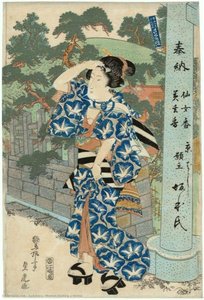
- Women Visiting a Shrine
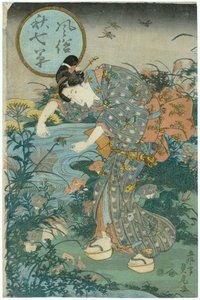
- Fashionable Seven Autumn Plants
- Place Of Birth: Tokyo, Japan