 Preview
 Send
Send Share
Share
 Details

 Download
 Similars
 X-Ray
X-Ray Diaporama
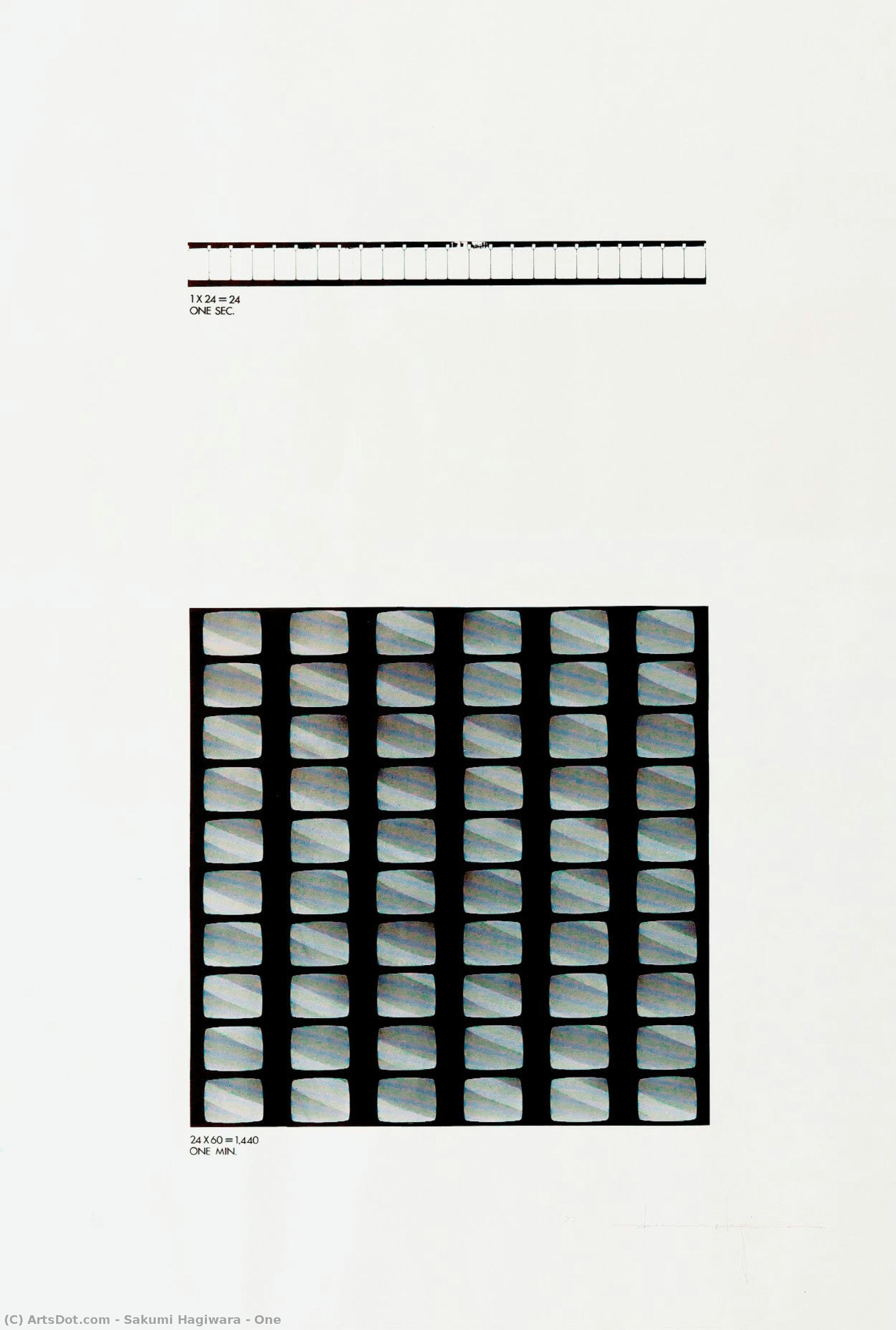
One
 Contemporary
 79.0 x 110.0 cm
 Gyeonggi Museum of Modern Art
 Read More
Giclée / Art Print
Museum-quality giclée or canvas print with fast production and flexible finish options. ( Buy Hand Made Painting Buy Image)




































Pick from our preset sizes that match the artwork's original proportions.

You may enter your own dimensions to fit a specific frame or space. If your selected size does not match the original image's proportions, we will either crop the artwork or extend the image with a mirrored or solid-fill edge. A digital mockup will be sent for your approval before production begins.
Please note that the on-screen preview does not reflect the actual cropping or extension. Only the mockup will accurately show the final composition.
While custom sizes are available, we recommend selecting a dimension from the predefined list to preserve the original proportions.
Worldwide Delivery () in 2 weeks instead of standard 4/5 weeks. (18 August)

Free Worldwide Express Shipping

High-Quality Linen Canvas

Full Shipping Insurance

Customs Tax Refund Guarantee

True Color Matching Guarantee

60-Day Return Policy (Defects Only)

100% Money-Back Guarantee

Bulk Discount Offer
 Glass option is only available in size under 110 CM

One
Giclée / Art Print
Reproduction Size
-


Total Price
$ 63
Related Artworks
Artist Biography
A Life Interwoven with the Currents of Japanese Expression
Sakumi Hagiwara, born in Tokyo in 1946, is a figure whose artistic journey mirrors the dynamic shifts within post-war Japan. He didn’t emerge from a vacuum; his early life was steeped in the avant-garde spirit of the 1960s underground theatre scene. This formative period wasn't merely a career stepping stone but a crucible where Hagiwara first learned to challenge conventions, to dissect societal norms through performance and collaborative creation. His involvement with Tenjo Sajiki, an independent theatre group, instilled in him a deep understanding of the power of live expression, a foundation that would later inform his explorations into film, video, and ultimately, visual art. This initial foray wasn’t about polished productions; it was about raw emotion, direct engagement, and questioning established structures—a rebellious energy that became a hallmark of his work.From Stage Direction to Citizen Media
The transition from actor to stage director in the late 1960s marked a pivotal moment for Hagiwara. He wasn’t content with simply performing stories; he wanted to *shape* them, to imbue them with his own vision. This desire led him to experiment with film and video in the 1970s, coinciding with a growing interest in citizen media. He recognized the potential of these new technologies not as tools for mass consumption but as avenues for individual expression and community empowerment. Hagiwara became a key promoter of this movement, actively fostering opportunities for ordinary citizens to create their own narratives through video art. This commitment culminated in his role as Representative Director of NPO Shimin ga Tsukuru TVF (Community-made TVF), an organization dedicated to running the annual Tokyo Video Festival—a platform that continues to champion independent and grassroots filmmaking. His work wasn’t simply about creating art *for* the community; it was about empowering the community *to create* art, a radical shift in perspective for the time.Silkscreen Prints: A Visual Language of Time and Memory
While deeply involved in performance and video, Hagiwara simultaneously began to explore silkscreen printing as another means of artistic expression. These prints aren’t grand statements; they are often minimalist, employing geometric forms and subtle textures. A recurring motif is the scan of sheet music scores—a fascinating intersection of visual art and musical notation. This choice isn't accidental. Hagiwara’s work frequently grapples with themes of time and memory, and music, with its inherent temporal structure and evocative power, serves as a potent symbol for these concepts. The prints often feel like fragments of recollection, echoes of past experiences translated into a visual language. They invite contemplation, prompting viewers to consider the fleeting nature of moments and the ways in which they are preserved—or lost—over time.Teaching and Collective Exploration
Hagiwara’s influence extends beyond his own artistic output. From 1992 to 2010, he shared his knowledge and passion as a teacher at Seian University of Art and Design, nurturing the next generation of artists. Currently affiliated with the Video Hiroba collective, he continues to collaborate and explore new avenues in video and sculpture. This ongoing engagement with other creatives underscores Hagiwara’s belief in the power of artistic exchange and the importance of collective exploration. He doesn't operate in isolation; his work is enriched by dialogue, experimentation, and a willingness to embrace diverse perspectives.A Legacy of Citizen Expression
Sakumi Hagiwara’s historical significance lies not only in his individual contributions to silkscreen printing and video art but also in his unwavering commitment to citizen media. He challenged the traditional hierarchies of artistic production, empowering individuals to become active participants in shaping their own cultural landscape. His work continues to resonate today, reminding us of the importance of independent expression, community engagement, and the enduring power of art to reflect—and transform—the world around us. He is a testament to the idea that art isn’t confined to galleries or museums; it exists wherever there is creativity, collaboration, and a willingness to question the status quo.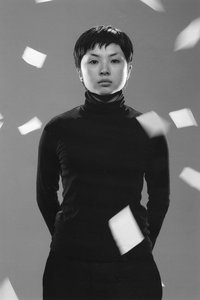
sakumi hagiwara
1946 - , Japan
Quick Facts
- Artistic Movement Or Style: Experimental video art
- Date Of Birth: 1946
- Full Name: Sakumi Hagiwara
- Nationality: Japanese
- Notable Artworks: ['One']
- Place Of Birth: Tokyo, Japan
Related Articles
Digital Painting 101: A Collector's Guide to the New Era of Digital Mastery and Algorithmic Art
Master the new era of art with our expert guide to digital painting. Discover how modern aesthetics like Glitch Pop meet traditional mastery, offering sophisticated insights for collectors looking to curate meaningful, high-value contemporary works for their home.

Geometric Abstraction's 10 Defining Masterpieces | Art for Your Home - ArtsDot
Explore 10 defining masterpieces of Geometric Abstraction! Discover Kandinsky, Mondrian & Malevich’s iconic works. Find museum-quality art reproductions and curated decor ideas to elevate your home at ArtsDot.com.
The Art of Calm: Transforming Your First Shared Space with the Serenity of Minimalist Art
Transform your first shared home into a serene sanctuary with the beauty of minimalist art. From geometric abstractions to bespoke oil paintings, ArtsDot.com offers expert curation and hand-painted masterpieces to help you design a timeless, peaceful space.
Minimalist Masterpieces: 10 Artworks for Serene Home Decor | ArtsDot
Find serenity with 10 minimalist masterpieces! Explore Agnes Martin, Rothko & more. Discover the stories behind iconic abstract art, neutral palettes & calming designs. Museum-quality reproductions at ArtsDot.com – elevate your home decor today!