 Preview
 Send
Send Share
Share
 Details

 Download
 Similars
 X-Ray
X-Ray Diaporama
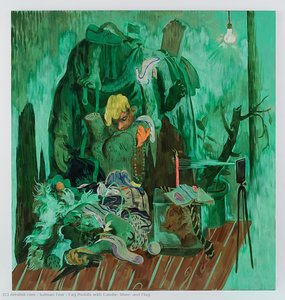
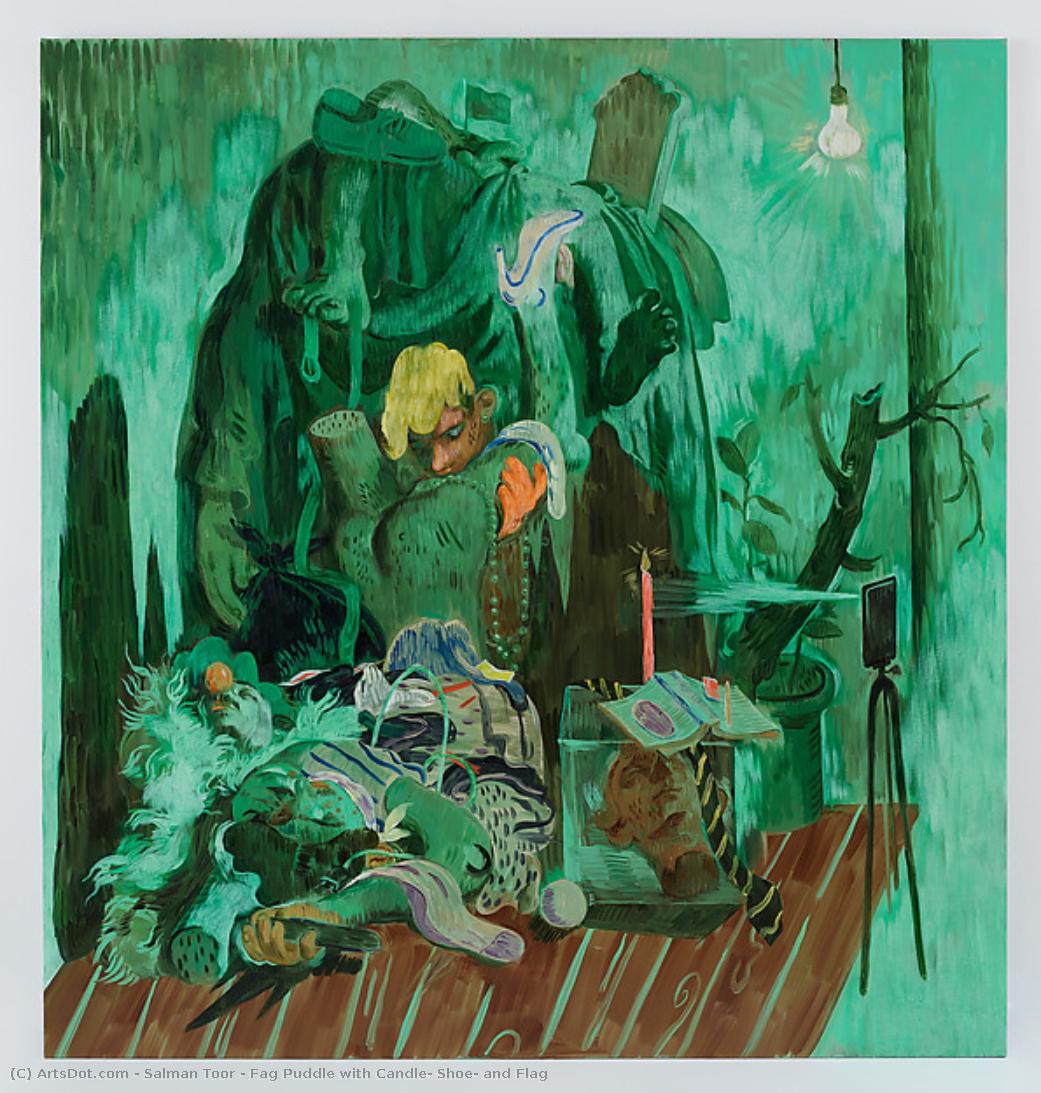
Fag Puddle with Candle, Shoe, and Flag
 Acrylic On Canvas
- WallArt
- Contemporary Realism
 2022
2022- Late Medieval
 242.0 x 229.0 cm
 Metropolitan Museum of Art
 Read More
Hand Made Oil Reproduction
Hand-painted oil on canvas in your size and frame, made to order by our artists. ( Buy Print Buy Image)




P118B $10

P118H $10

P118W $10

P438Z $10

P508JH $12

P508YH $12

P805H $10

P805Z $10

P919BZ $10

P919G $10

P919XJ $10

P959ZH $10

P968JZ $12

W106C $8

W218G $10

W218JH $8

W218Y $10

W307PJ $10

W316G $10

W316PJ $8

W316Y $10

W398PJ $8

W4111J $10

W500HY $15

W500JH $15

W692G $12

W849H $8

W940BG $15

W953PJ $8




Pick from our preset sizes that match the artwork's original proportions.

You may enter your own dimensions to fit a specific frame or space. If your selected size does not match the original image's proportions, we will either crop the artwork or extend the painting with additional hand-painted elements. A digital mockup will be sent for your approval before production begins.
Please note that the on-screen preview does not reflect the actual cropping or extension. Only the mockup will accurately show the final composition.
While custom sizes are available, we recommend selecting a dimension from the predefined list to preserve the original proportions.
After order, ArtsDot.com team will email client for instructions and provide a mockup preview
Worldwide Delivery () in 3/4 weeks instead of standard 5 weeks. (24 August). No compromise on quality.

Free Worldwide Express Shipping

High-Quality Linen Canvas

Full Shipping Insurance

Customs Tax Refund Guarantee

True Color Matching Guarantee

60-Day Return Policy (Defects Only)

100% Money-Back Guarantee

Bulk Discount Offer
 Glass option is only available in size under 110 CM

Fag Puddle with Candle, Shoe, and Flag
Reproduction Medium
Reproduction Size
-


Total Price
$ 263
Artwork Description
The Enigmatic Stillness of Salman Toor’s “Fag Puddle”
Salman Toor's "Fag Puddle with Candle, Shoe, and Flag" isn’t merely a painting; it’s an immersion. Completed in 2022, this monumental work—a staggering 95 x 90 inches of oil on canvas—pulls the viewer into a meticulously constructed tableau of queer intimacy, melancholic reflection, and unsettling beauty. Toor, rooted in both Pakistani heritage and the vibrant energy of New York City, has crafted an image that simultaneously feels deeply personal and universally resonant. It’s a space where the familiar – a shoe, a candle, a flag – are imbued with layers of symbolic weight, hinting at unspoken narratives and challenging conventional notions of representation.
The painting immediately arrests attention with its saturated palette dominated by velvety greens—a color Toor himself describes as “velvety, nocturnal, and comforting.” These shades aren’t simply decorative; they evoke a sense of both intimacy and unease, mirroring the complex emotions at play within the scene. The composition is deliberately cluttered, yet remarkably balanced. A figure, rendered in a loose, almost sketch-like style reminiscent of classical portraiture, sits slumped on the floor beside a table laden with objects: a clown mask, a leg adorned with a flamboyant high heel, a vintage telephone, and a meticulously placed tombstone. These seemingly disparate elements coalesce into a potent symbol of queer experience—a collection of “sissy things” that were once sources of shame and exclusion.
Echoes of the Masters: A Dialogue Across Time
Toor’s artistic lineage is strikingly evident, yet he doesn't simply replicate historical styles. Instead, he engages in a deliberate dialogue with the Old Masters—Van Dyck, Rubens, Caravaggio, and Watteau—whose techniques and sensibilities inform his own approach. The composition of “Fag Puddle” owes a clear debt to Van Dyck’s portraits, particularly his use of light and shadow to create a sense of depth and intimacy. Similarly, the painting echoes the dramatic lighting and theatricality found in Caravaggio's works. However, Toor subverts these influences by placing them within a distinctly contemporary context, imbuing them with queer sensibilities.
The inclusion of the tombstone, for instance, is a direct reference to traditional Mughal miniature paintings—a genre often associated with depictions of death and mourning. By juxtaposing this element with the playful clutter of the table, Toor creates a poignant meditation on loss, memory, and the construction of identity. The painting’s scale further amplifies its impact, drawing the viewer into the scene and inviting them to contemplate the complexities of the depicted narrative.
Symbolism and Queer Identity: A Layered Narrative
Beyond its formal elements, “Fag Puddle” is profoundly layered with symbolism. The title itself—a provocative and slightly unsettling phrase—immediately signals a departure from conventional representations of queer identity. Toor’s use of the term "fag puddle" – referencing his childhood experiences of shame and exclusion – speaks to a history of marginalization and discrimination. The objects on the table, each carrying its own symbolic weight, contribute to this layered narrative. The shoe, for example, can be interpreted as a symbol of vulnerability and fragility, while the high heel represents both glamour and constraint.
Crucially, Toor’s work is rooted in his personal experience as a queer Pakistani-American artist navigating the intersection of cultural heritage, identity, and artistic expression. He has spoken about growing up in a homophobic environment and grappling with feelings of shame and alienation. “Fag Puddle” can be seen as an act of reclamation—a defiant assertion of selfhood in the face of societal pressures.
A Timeless Reflection: Emotional Resonance and Artistic Merit
“Fag Puddle with Candle, Shoe, and Flag” is more than just a visually arresting image; it’s a deeply moving meditation on identity, memory, and the complexities of human experience. Toor's masterful command of color, composition, and symbolism creates an atmosphere of both melancholy and hope. The painting invites viewers to confront uncomfortable truths about themselves and society while simultaneously offering a glimpse into the beauty and resilience of the queer community. It’s a work that lingers in the mind long after it has been viewed, prompting reflection and sparking conversation. A reproduction captures much of this power, allowing its evocative imagery to be appreciated by a wider audience.
Related Artworks



Artist Biography
Early Life and Formation in Lahore
Salman Toor, born in 1983 in Lahore, Pakistan, carries within his canvases a palpable sense of displacement and longing – emotions deeply rooted in his upbringing. His early years were steeped in the rich cultural tapestry of Lahore, a city brimming with historical weight and artistic tradition. However, this idyllic setting was also shadowed by political instability and societal constraints, factors that would later subtly inform his artistic vision. Toor’s family immigrated to the United States when he was relatively young, settling initially in Ohio before eventually relocating to New York City. This transition proved pivotal, creating a liminal space between two worlds – the remembered warmth of Pakistan and the often-alienating realities of American life. He pursued formal art training, earning a Bachelor of Fine Arts from School of the Art Institute of Chicago in 2009 and later an MFA from Yale University School of Art in 2013.
The Emergence of a Distinct Visual Language
Toor’s artistic breakthrough didn't arrive as a sudden revelation, but rather through a gradual refinement of his unique aesthetic. Initially experimenting with various styles, he found himself increasingly drawn to figurative painting, specifically portraiture. However, these weren’t portraits in the traditional sense; they were intimate glimpses into the lives of young men of South Asian descent, often depicted in domestic settings or public spaces imbued with a quiet vulnerability. His early works already hinted at his signature style: a blend of realism and stylization, characterized by soft lighting, muted color palettes, and an almost photographic quality. He began to develop a narrative approach, suggesting stories without explicitly revealing them, inviting viewers to fill in the gaps and project their own experiences onto the canvas.
Influences and Artistic Dialogue
While Toor’s work is undeniably contemporary, it resonates with echoes of art history. He frequently cites Baroque masters like Caravaggio and Fragonard as key influences, admiring their ability to capture both psychological depth and sensual beauty. The dramatic chiaroscuro of Caravaggio informs the lighting in his paintings, creating a sense of intimacy and emotional intensity. Fragonard’s Rococo style, with its emphasis on leisure and pleasure, subtly surfaces in Toor's depictions of social gatherings and moments of quiet contemplation. Beyond the Old Masters, he draws inspiration from Edward Hopper’s ability to convey loneliness and alienation in urban landscapes, as well as the work of contemporary artists like Marlene Dumas and Elizabeth Peyton, who similarly explore themes of identity and representation. His paintings are not mere imitations, however; they represent a sophisticated synthesis of these influences, filtered through his own unique cultural lens.
Themes of Identity, Desire, and Diaspora
The core of Toor’s artistic practice lies in exploring the complexities of identity, desire, and diaspora. His subjects are almost exclusively young men of South Asian descent, often queer or questioning their sexuality. He portrays them not as exoticized figures, but as individuals grappling with universal emotions – love, loss, loneliness, belonging. His paintings challenge conventional representations of masculinity and sexuality within both Western and South Asian contexts.
- He subtly subverts traditional power dynamics,
- depicting moments of tenderness and vulnerability that are rarely seen in mainstream art.
Major Achievements and Historical Significance
Salman Toor has rapidly ascended to prominence within the contemporary art world. His first solo museum exhibition at the Whitney Museum of American Art in 2020 solidified his reputation as a major emerging artist. The show, titled “How Will I Explain It on Sunday?”, was met with critical acclaim and garnered widespread attention for its sensitive portrayal of queer South Asian life. He has been included in numerous group exhibitions at prestigious institutions worldwide, including the Sharjah Biennial 14 and the Venice Biennale. Toor’s work is significant not only for its aesthetic qualities but also for its groundbreaking representation of marginalized communities. He has opened up a space for conversations about queer identity within South Asian art, challenging traditional norms and paving the way for future generations of artists. His paintings are more than just beautiful images; they are powerful statements about belonging, desire, and the enduring search for home in a world that often feels fragmented and alienating.
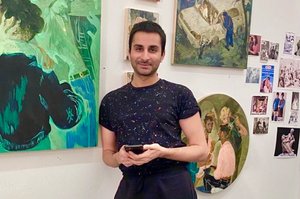
salman toor
1983 - , Pakistan
Related Articles
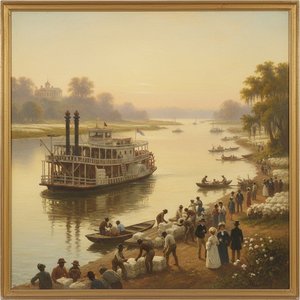
William Aiken Walker: A Southern Luminist's Vision of River Life & Antebellum Society
Explore the evocative paintings of William Aiken Walker, a master of Southern Luminism. Discover his poignant depictions of post-Civil War life, African American culture & antebellum landscapes. Learn about this important artist's legacy.