 Preview
 Send
Send Share
Share
 Details

 Download
 Similars
 X-Ray
X-Ray Diaporama
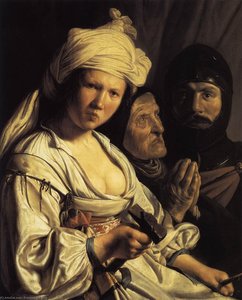
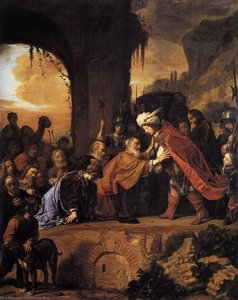
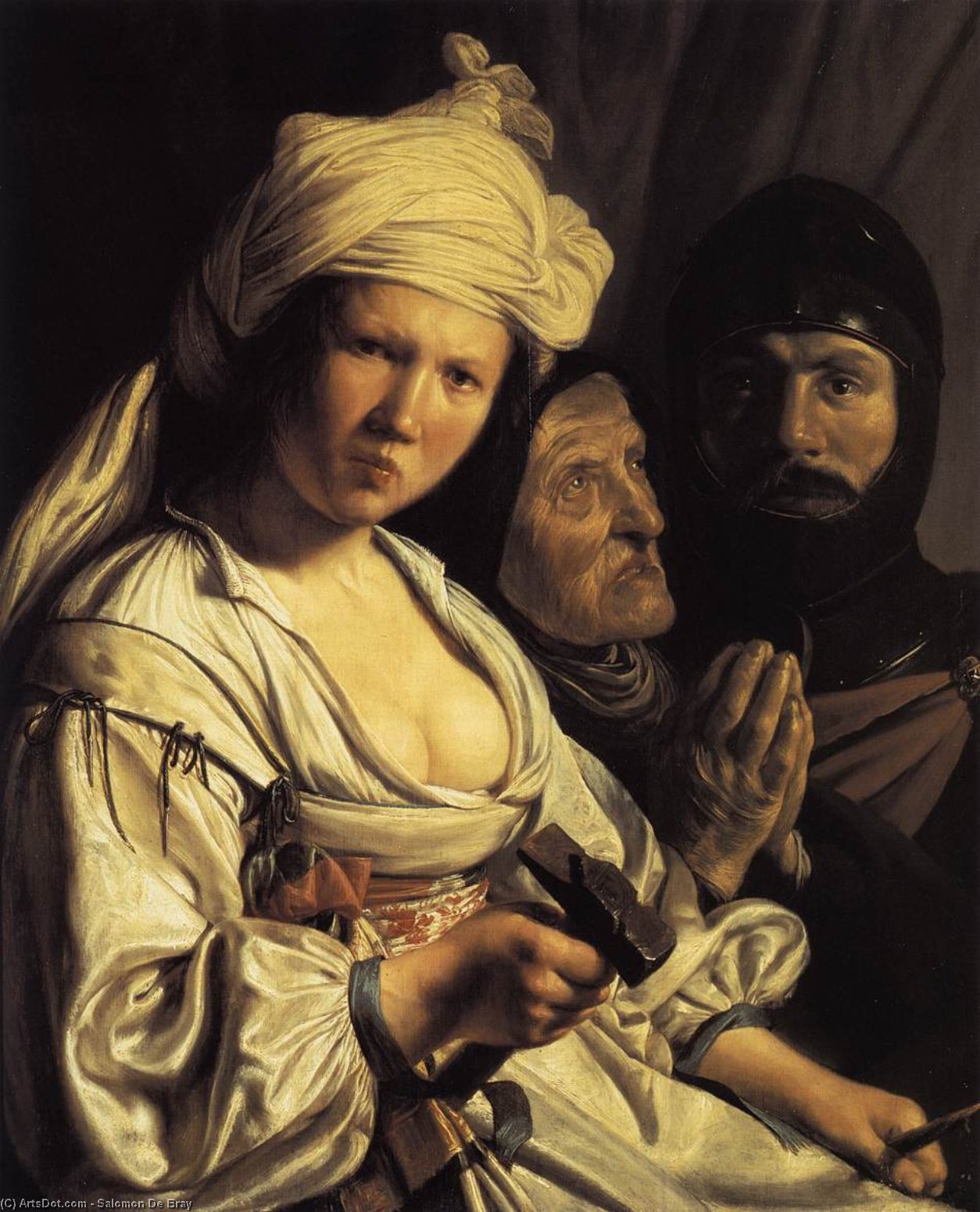
Jael, Deborah and Barak
 Oil
Oil- WallArt
- Baroque
 1635
1635- Early Modern
 87.0 x 72.0 cm
 Museum Catharijneconvent
 Read More
Hand Made Oil Reproduction
Hand-painted oil on canvas in your size and frame, made to order by our artists. ( Buy Print Buy Image)




P118B $10

P118H $10

P118W $10

P438Z $10

P508JH $12

P508YH $12

P805H $10

P805Z $10

P919BZ $10

P919G $10

P919XJ $10

P959ZH $10

P968JZ $12

W106C $8

W218G $10

W218JH $8

W218Y $10

W307PJ $10

W316G $10

W316PJ $8

W316Y $10

W398PJ $8

W4111J $10

W500HY $15

W500JH $15

W692G $12

W849H $8

W940BG $15

W953PJ $8




Pick from our preset sizes that match the artwork's original proportions.

You may enter your own dimensions to fit a specific frame or space. If your selected size does not match the original image's proportions, we will either crop the artwork or extend the painting with additional hand-painted elements. A digital mockup will be sent for your approval before production begins.
Please note that the on-screen preview does not reflect the actual cropping or extension. Only the mockup will accurately show the final composition.
While custom sizes are available, we recommend selecting a dimension from the predefined list to preserve the original proportions.
After order, ArtsDot.com team will email client for instructions and provide a mockup preview
Worldwide Delivery () in 3/4 weeks instead of standard 5 weeks. (17 August). No compromise on quality.

Free Worldwide Express Shipping

High-Quality Linen Canvas

Full Shipping Insurance

Customs Tax Refund Guarantee

True Color Matching Guarantee

60-Day Return Policy (Defects Only)

100% Money-Back Guarantee

Bulk Discount Offer
 Glass option is only available in size under 110 CM

Jael, Deborah and Barak
Reproduction Medium
Reproduction Size
-


Total Price
$ 263
Artwork Description
A Dramatic Encounter in the Dutch Golden Age
In the evocative masterpiece Jael, Deborah and Barak, painted in 1635, Salomon de Bray invites viewers into a moment of profound tension and biblical drama. This striking composition captures a pivotal intersection of three legendary figures from Hebrew scripture, rendered with the psychological depth characteristic of the Dutch Golden Age. The scene is not merely a static portrait but a captured breath—a fleeting second where surprise, resolve, and perhaps even trepidation collide. On the left, a woman’s face is caught in an expression of raw emotion, her mouth parted as if mid-gasp, while her companion behind her mirrors this sense of startled realization. To the right, the presence of a man in dark attire, partially obscured by a mask or shadow, adds an air of mystery and impending action that keeps the observer perpetually on edge.
The interplay of light and shadow, a hallmark of seventeenth-century mastery, serves to heighten the theatricality of the encounter. De Bray utilizes a sophisticated chiaroscuro technique to sculpt the figures from the darkness, pulling the luminous white fabrics of the women into sharp relief against the somber tones of the background. This contrast does more than create depth; it directs the eye through a choreographed movement across the canvas, tracing the invisible threads of conversation and conflict that bind these three souls together. For the discerning collector or interior designer, this painting offers a sophisticated focal point, bringing a sense of historical gravity and intellectual intrigue to any curated space.
Symbolism and the Art of Narrative
Beyond its visual splendor, the work is steeped in the complex religious and humanist symbolism prevalent in the Netherlands during de Bray’s era. The figures of Jael, Deborah, and Barak represent more than just historical archetypes; they embody the themes of divine justice, leadership, and the unexpected turns of fate. The stark white clothing worn by the women can be interpreted as symbols of purity or perhaps the vulnerability of those caught in the crossfire of war, while the darkened, masked figure introduces a layer of ambiguity regarding identity and the hidden motives that drive human history. De Bray, a man who bridged the gap between architectural precision and poetic sentiment, imbues each gesture with a weight that transcends the canvas.
The emotional resonance of the piece lies in its ability to evoke empathy for characters caught in a moment of monumental change. There is an undeniable kinetic energy in the way the figures interact—a silent dialogue expressed through tilted heads and parted lips. This sense of movement makes the artwork feel remarkably modern, as if the drama is unfolding in real-time before our very eyes. For those seeking to adorn a home or gallery with art that stimulates conversation and emotional reflection, this reproduction serves as a window into a world where faith, courage, and human frailty are inextricably linked.
A Timeless Addition to the Fine Art Collection
Owning a high-quality reproduction of such a significant work allows for the preservation of history within a contemporary setting. The meticulous attention to detail in de Bray’s brushwork—from the delicate folds of the headscarves to the subtle textures of the skin—is captured with breathtaking fidelity. This piece is an ideal selection for those who appreciate the academic rigor of the Dutch masters but desire a work that possesses a visceral, emotional impact. Whether placed in a formal study, a grand dining room, or a modern living space, Jael, Deborah and Barak acts as a profound anchor, offering a sophisticated blend of classical storytelling and timeless aesthetic beauty.
Related Artworks

Artist Biography
Salomon de Bray: Bridging Faith and Form in the Dutch Golden Age
Salomon de Bray (1597-1664) stands as a compelling figure within the vibrant tapestry of the Dutch Golden Age, an artist whose career seamlessly intertwined religious devotion with classical aesthetics. Born in Amsterdam but establishing his artistic presence in Haarlem, De Bray’s legacy extends beyond mere portraiture and landscape; he was a pivotal architect, designer, and poet, embodying the multifaceted spirit of his era. His work reflects a profound engagement with both the burgeoning humanist ideals of the time and the deeply held Catholic faith that shaped much of Dutch society during a period of religious tension.
De Bray’s early artistic training remains somewhat shrouded in the mists of history, though it undoubtedly involved a confluence of influential figures. While officially registered as a pupil of Hendrick Goltzius and Cornelis van Haarlem, his formative years likely included instruction within the small academy initiated by Karel van Mander, a renowned art historian and biographer. This environment, steeped in the study of classical antiquity and Renaissance masters, provided him with a foundational understanding of draftsmanship, painting techniques, and artistic theory. Crucially, he was married to Anna Westerbaen, sister of the poet Jan and Jacob Westerbaen – members of the esteemed “De Wijngaertranken” rhetoric chamber, fostering an intellectual atmosphere that enriched his creative output.
His early career saw him producing a diverse body of work encompassing history paintings, intimate portraits, and evocative landscapes. Notably, De Bray’s Catholic faith deeply informed his artistic practice, leading to speculation about the creation of altar pieces for Haarlem's clandestine Catholic missions – “staties” – hidden within the city’s underground churches. This clandestine activity speaks volumes about the resilience of Catholicism in a predominantly Protestant Netherlands and highlights De Bray’s commitment to expressing his beliefs through art. Beyond painting, he was also a poet, with one of his verses finding musical expression by his friend, composer Cornelis Padbrué, suggesting a rich interplay between artistic disciplines within his life.
Architectural Contributions and Civic Engagement
De Bray’s talents extended far beyond the canvas. He transitioned into architecture and design, demonstrating an exceptional ability to integrate artistic vision with practical considerations. His architectural projects reveal a sophisticated understanding of classical principles, tempered by a distinctly Dutch sensibility. He played a key role in the decoration of Huis ten Bosch in The Hague, collaborating closely with fellow guild member Jacob van Campen – a partnership that exemplifies the cross-pollination of ideas within the artistic community.
His architectural endeavors included significant contributions to Haarlem’s civic landscape. He was involved in the design and construction of the City Hall, the new consistory of St. Bavokerk, and the Zijlpoort gate – all reflecting a commitment to enhancing the city's beauty and functionality. Furthermore, he designed a new entrance for the Huis te Warmond, showcasing his mastery of pilasters and pediments. Beyond Haarlem, De Bray’s influence extended to Nijmegen, where he conceived plans for an orphanage, demonstrating his dedication to public service and civic improvement.
Perhaps most remarkably, De Bray prepared a new charter for the Guild of St. Luke in 1631, a document that aimed to elevate painting within the guild’s hierarchy. This ambitious proposal, signed by prominent figures including Pieter de Molijn and Outgert Ariss Akersloot, ultimately faced strong opposition from the Haarlem council, who prioritized other crafts like engraving and tapestry-making. The charter's rejection underscores the complex social and economic dynamics of the time, revealing tensions between artistic aspirations and established guild traditions.
A Portraitist’s Legacy: Family and Technique
De Bray’s family played a significant role in shaping his artistic trajectory. His brother, Dirck de Bray, transitioned into monastic life as a flower painter, while Joseph de Bray followed in his father's footsteps as a painter. This familial connection fostered an exchange of ideas and techniques, contributing to the development of their individual styles. Jan de Bray, his son, inherited his father’s artistic talent and became a renowned portraitist in his own right, influenced by masters such as Bartholomeus van der Helst and Frans Hals.
De Bray's portraits are characterized by a remarkable realism and psychological depth. He skillfully captured the nuances of human expression, imbuing his subjects with a sense of personality and character. His use of light and shadow creates dramatic effects, while his attention to detail – particularly in rendering fabrics and textures – is truly exceptional. Notably, he frequently employed the “portrait historié” technique, blending historical narratives with contemporary figures, often incorporating himself and his family into the scenes. The "Banquet of Cleopatra" paintings, housed at the Royal Collection and the Currier Museum of Art, exemplify this approach, showcasing a poignant blend of history, portraiture, and familial connection.
The Enduring Significance of a Dutch Master
Salomon de Bray’s career spanned several decades, witnessing significant shifts in artistic styles and cultural attitudes. His work stands as a testament to the dynamism of the Dutch Golden Age, embodying both classical ideals and religious conviction. He was not merely a painter or architect; he was a polymath – an artist, poet, and civic leader who left an indelible mark on the visual landscape of Haarlem and beyond.
His untimely death in 1664, amidst a devastating plague outbreak, tragically cut short a prolific career. However, his legacy endures through his paintings, architectural designs, and the influence he exerted on subsequent generations of artists. De Bray’s work continues to be studied and admired for its technical brilliance, emotional resonance, and profound engagement with the complexities of his time – solidifying his place as a key figure in Dutch art history.
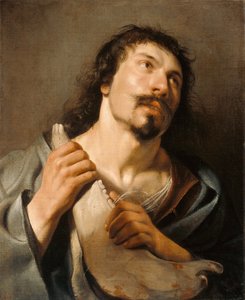
Salomon de Bray
1597 - 1664 , Netherlands
Quick Facts
- Artistic Movement Or Style: Dutch Classicism
- Artists Or Movements Influenced By This Artist:
- Pieter de Grebber
- Dutch Classicism
- Artists Who Influenced This Artist:
- Jan Pynas
- Nicolaes Moeyaert
- Pieter Lastman
- Date Of Birth: 1597-03-28 Amsterdam
- Date Of Death: 1664-05-11 Haarlem
- Full Name: Salomon de Bray
- Nationality: Dutch Golden Age
- Notable Artworks:
- Banquet of Cleopatra
- Deborah
- Portrait of a Man
- Place Of Birth: Amsterdam, Netherlands
Related Articles

Dutch Masters: 10 Golden Age Paintings That Still Inspire |
Journey into the Dutch Golden Age! Explore 10 iconic paintings by Rembrandt, Vermeer & Hals. Discover the stories behind these Baroque masterpieces and find museum-quality art reproductions to elevate your home decor on .

White on Canvas: 10 Masterpieces & Timeless Elegance for Your Home Decor
Explore 10 iconic white paintings by Monet, Whistler & Rothko! Discover the stories behind these serene masterpieces and their impact on art history. Find museum-quality reproductions for your home decor at .

Golden Age Reflections: Dutch Baroque Painting & Cultural Innovation
Explore the Dutch Golden Age of painting! Discover key artists like Vermeer & ter Borch, their innovative techniques, and the rich cultural context behind these Baroque masterpieces. Learn about collecting & appreciating this iconic art period.

Illuminating Innovation: Exploring the Dutch Golden Age of Painting
Explore the Dutch Golden Age of painting with ArtsDot. Discover Rembrandt, Vermeer & other Masters. Learn about key characteristics, iconic artworks, and lasting influence. Expert insights for collectors & enthusiasts.

Illuminating Realism: Exploring the Dutch Golden Age of Painting (1600-1700)
Explore the Dutch Golden Age of painting (1600-1700) with ArtsDot. Discover Rembrandt, Vermeer & other masters. Learn about techniques, history & find museum-quality reproductions.