

 Preview
 Send
Send Share
Share
 Details

 Download
 Similars
 X-Ray
X-Ray Diaporama
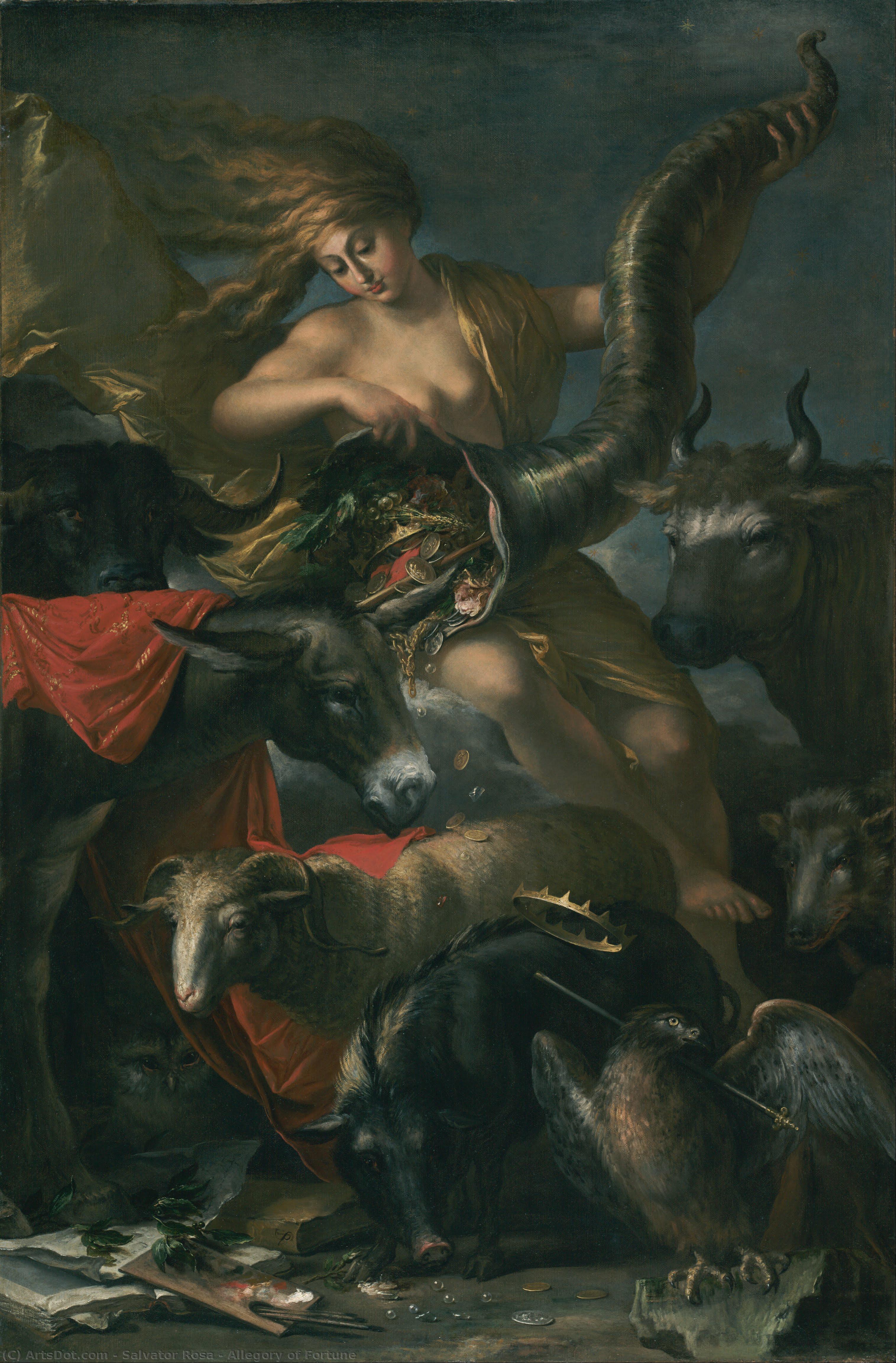
Allegory of Fortune


 Read More
Purchase a high-resolution, enhanced digital image, far superior to the online preview.
Each file is meticulously prepared by our in-house specialists using advanced tools and expert manual retouching. We ensure every image has exceptional clarity, precise color accuracy, and fine detail.
The final file is delivered via email within 72 hours, optimized for immediate use in professional, editorial, and print environments. This is the same quality trusted by top-tier design studios, publishers, and galleries.
Digital Image
Download a high-resolution file for personal display, printing, and creative projects. ( Buy Print Buy Hand Made Painting)
Included in Every Digital Image Order
Expert Digital Delivery, Guaranteed
When you choose ArtsDot.com, you're not just getting an image - you're receiving a professionally enhanced digital artwork, crafted with precision and backed by a satisfaction guarantee. Here's everything that comes with your order, automatically:

Fast Email Delivery
Your high-resolution digital image file will be emailed to you within 72 hours of ordering - ready for immediate use.

AI-Enhanced Digital File
Your artwork is professionally optimized using advanced AI tools and manual editing, ensuring maximum detail, clarity, and color accuracy.

Free Lifetime Re-Delivery
Accidentally deleted or lost your file? No worries - we'll resend it to you anytime, free of charge.

No Import Fees - Ever
Enjoy your artwork instantly with zero customs, duties, or delivery fees - digital downloads are always tax-free.

Color Accuracy Guarantee
We ensure your digital image reflects the original colors as closely as possible using professional tools and color management.

60-Day Satisfaction Guarantee
If you're not satisfied with your digital image, we'll revise it or refund 100% within 60 days - no questions asked.

100% Money-Back Guarantee
Not satisfied? Get a full refund within 60 days of receiving your digital file - no questions asked.

Bulk Order Discounts
Buy 3 images, save 10% - Buy 5, save 15% - Buy 10+, save 20%. Great for creative projects, galleries, and agencies.
Collectible Description
Allegory of Fortune - A Baroque Masterpiece Reflecting Fate’s Paradoxical Embrace
Salvator Rosa's "Allegory of Fortune," completed around 1658-1659, stands as a testament to the turbulent spirit of the Italian Baroque era and embodies its fascination with philosophical contemplation intertwined with dramatic visual storytelling. Painted on canvas in oil pigment, this monumental work immediately commands attention with its dark palette—primarily deep browns and blacks—creating an atmosphere of solemn grandeur that underscores the weighty subject matter: the capricious goddess Fortuna dispensing rewards to a collection of lifeless animals. This unsettling juxtaposition is precisely what elevates “Allegory of Fortune” beyond mere decorative art; it’s a profound meditation on mortality, illusion, and the inescapable influence of chance upon human destiny. Rosa's stylistic approach aligns closely with the naturalistic tendencies championed by artists like Andrea Pozzo and Guido Reni, yet distinguishes itself through an expressive dynamism that anticipates Caravaggio’s revolutionary realism. The artist meticulously renders textures—the decaying flesh of the animals, the rough surface of the canvas—demonstrating a remarkable command of technique honed over decades of artistic practice. Notice particularly Rosa's masterful use of chiaroscuro – dramatic contrasts between light and dark – which sculpts the figures and imbues the scene with palpable emotional intensity. The spotlight illuminates Fortuna’s face, highlighting her blindfold symbolizing ignorance of future events, while plunging the surrounding animals into shadow, representing those who are undeserving of fortune's blessings. The historical context is crucial to appreciating “Allegory of Fortune.” Created during a period marked by religious upheaval and political instability—the Thirty Years’ War raged across Europe—the painting reflects anxieties about divine providence and the precariousness of human existence. Rosa draws upon classical allegorical tradition, referencing Virgil’s Georgics to explore themes of cyclical renewal and the triumph of virtue over vice. Fortuna herself embodies the ambivalent nature of fortune – she offers rewards but also delivers ruin – mirroring the broader philosophical concerns of the Baroque period regarding free will versus determinism. Symbolically, the dead animals serve as potent emblems of vanity and folly. They represent individuals who cling to worldly possessions and ambitions without acknowledging their ultimate insignificance in the face of death. The snake held by Fortuna symbolizes deceit and temptation, reminding viewers that even those who appear successful may harbor hidden flaws. Furthermore, Rosa’s inclusion of a dove—a traditional symbol of peace—offers a glimmer of hope amidst the pervasive darkness, suggesting that divine grace can ultimately prevail over earthly suffering. Ultimately, “Allegory of Fortune” transcends its formal conventions to deliver an emotionally resonant experience for the viewer. Its unsettling imagery confronts us with uncomfortable truths about human mortality and challenges us to contemplate the role of fate in shaping our lives. Rosa’s masterpiece continues to inspire artists and collectors alike, serving as a timeless reminder that beauty can coexist with profound philosophical inquiry—a hallmark of the Baroque spirit and an enduring legacy of artistic genius.Jan Witdoeck: The Flemish Printer Who Illuminated Rubens' Vision
Jan Witdoeck (c. 1593 – 1648), a prolific Flemish engraver working primarily for Peter Paul Rubens, stands as a pivotal figure in the dissemination of Baroque art and exemplifies the collaborative spirit characteristic of the era’s artistic landscape. Witdoeck’s meticulous reproductions of Rubens’ monumental canvases—particularly “The Descent from Calvary”—transformed these masterpieces into accessible prints that captivated audiences across Europe. His unparalleled skill in capturing Rubens' dynamic compositions and vibrant colors ensured that his paintings reached a wider public than would have otherwise been possible, solidifying Rubens’ reputation as the foremost painter of his time. Witdoeck’s engravings weren’t merely copies; they were interpretations informed by Witdoeck’s own artistic sensibilities. He skillfully manipulated tonal values and textures to convey Rubens' expressive vision—a feat that demanded exceptional technical prowess. Unlike Rosa, Witdoeck favored a more restrained aesthetic, prioritizing clarity of line and precision of detail—techniques honed through years of apprenticeship under Rubens himself. This stylistic convergence underscores the importance of patronage in shaping artistic trends and demonstrates how artists could collaborate effectively to achieve shared goals. Witdoeck’s prints played an indispensable role in establishing Rubens' fame as a painter and securing his legacy as one of the greatest artists of the Baroque period. His engravings allowed Rubens’ monumental canvases—such as “The Descent from Calvary”—to reach audiences far beyond Rubens’ immediate circle, fostering admiration for Rubens’ artistic achievements throughout Europe. Witdoeck’s dedication to faithfully reproducing Rubens' paintings ensured that Rubens’ vision endured beyond his lifetime, cementing Rubens’ place in art history as a visionary artist who captivated the imaginations of generations. Witdoeck’s contribution extends beyond mere reproduction; he elevated Rubens’ paintings into objects of scholarly contemplation and aesthetic appreciation. His engravings facilitated the study of Rubens’ artistic techniques—particularly his masterful use of color and composition—inspiring subsequent artists to emulate Rubens' stylistic innovations. Witdoeck’s prints served as a conduit for disseminating Rubens’ ideas about art and spirituality, fostering dialogue between artists and intellectuals during the Baroque period. Witdoeck’s legacy resides not only in his technical achievements but also in his role as a champion of Rubens’ artistic vision—a testament to the transformative power of collaboration and the enduring influence of patronage on shaping artistic trends. Witdoeck's engravings solidified Rubens' reputation as the foremost painter of his time, ensuring that Rubens' paintings resonated with audiences across Europe for centuries to come. His meticulous reproductions captured Rubens' dynamic compositions and vibrant colors, fostering admiration for Rubens’ artistic achievements throughout Europe.Related Artworks
Artist Biography
**early life and training**
salvator rosa, an italian baroque painter, poet, and printmaker, was born in arenella, naples, on either june 20 or july 21, 1615. his mother, giulia greca rosa, was a member of one of the greek families of sicily. despite his father's wishes for him to become a lawyer or priest, salvator showed a preference for the arts from an early age.**artistic career**
salvator rosa's artistic career was marked by his unorthodox and extravagant style, which set him apart from his contemporaries. he was active in naples, rome, and florence, and his work was influenced by the naturalism of ribera and the classicism of poussin. however, he refused to be tied down by any particular style or movement.- pythagoras emerging from the underworld (kimbell art museum, fort worth, united states), one of his most famous works, showcases his unique blend of philosophical and artistic themes.
- his the baptism of the eunuch (chrysler museum of art, norfolk, united states) demonstrates his ability to infuse high drama into even minor bible stories.
**influences and legacy**
salvator rosa's work had a significant impact on the development of baroque art. his influence can be seen in the works of later artists, such as luca giordano, who continued to push the boundaries of artistic expression. **important links:** salvator rosa's profile on ArtsDot wikipedia: salvator rosa pythagoras emerging from the underworld on ArtsDot**conclusion**
salvator rosa's life and work continue to fascinate art lovers and historians alike. his unorthodox style and perpetual rebellion against the norms of his time have cemented his place in the annals of baroque art. as a painter, poet, and printmaker, he remains an enigmatic figure, and his work continues to inspire new generations of artists and art enthusiasts.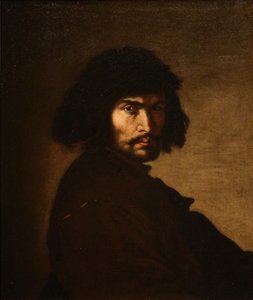
Salvator Rosa
1615 - 1673 , Italy
Quick Facts
- Artistic Movement Or Style: Baroque art
- Artists Or Movements Influenced By This Artist: ['Luca Giordano']
- Artists Who Influenced This Artist: ['José de Ribera']
- Date Of Birth: June 20, 1615
- Full Name: Salvator Rosa
- Nationality: Italian
- Notable Artworks:
- View of the Gulf of Salerno
- Study for 'Il Genio di Rosa
- Grotto with Cascades
- Place Of Birth: Arenella, Sicily

