 Preview
 Send
Send Share
Share
 Details

 Download
 Similars
 X-Ray
X-Ray Diaporama
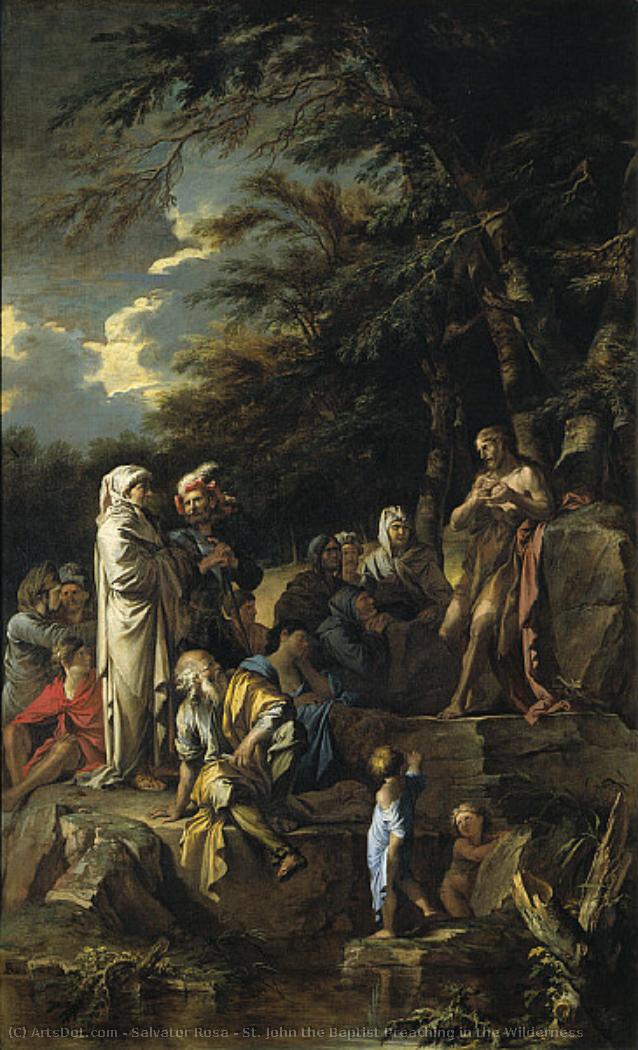
St. John the Baptist Preaching in the Wilderness


 Read More
Hand Made Oil Reproduction
Hand-painted oil on canvas in your size and frame, made to order by our artists. ( Buy Print Buy Image)




P118B $10

P118H $10

P118W $10

P438Z $10

P508JH $12

P508YH $12

P805H $10

P805Z $10

P919BZ $10

P919G $10

P919XJ $10

P959ZH $10

P968JZ $12

W106C $8

W218G $10

W218JH $8

W218Y $10

W307PJ $10

W316G $10

W316PJ $8

W316Y $10

W398PJ $8

W4111J $10

W500HY $15

W500JH $15

W692G $12

W849H $8

W940BG $15

W953PJ $8




Pick from our preset sizes that match the artwork's original proportions.

You may enter your own dimensions to fit a specific frame or space. If your selected size does not match the original image's proportions, we will either crop the artwork or extend the painting with additional hand-painted elements. A digital mockup will be sent for your approval before production begins.
Please note that the on-screen preview does not reflect the actual cropping or extension. Only the mockup will accurately show the final composition.
While custom sizes are available, we recommend selecting a dimension from the predefined list to preserve the original proportions.
After order, ArtsDot.com team will email client for instructions and provide a mockup preview
Worldwide Delivery () in 3/4 weeks instead of standard 5 weeks. (21 August). No compromise on quality.

Free Worldwide Express Shipping

High-Quality Linen Canvas

Full Shipping Insurance

Customs Tax Refund Guarantee

True Color Matching Guarantee

60-Day Return Policy (Defects Only)

100% Money-Back Guarantee

Bulk Discount Offer
 Glass option is only available in size under 110 CM

St. John the Baptist Preaching in the Wilderness
Reproduction Medium
Reproduction Size
-


Total Price
$ 263
Artwork Description
Salvator Rosa’s Wilderness Sermon: A Baroque Masterpiece of Dramatic Intensity
Salvator Rosa's "St. John the Baptist Preaching in the Wilderness," painted around 1660, is not merely a depiction of a biblical scene; it’s a visceral experience—a plunge into the heart of raw emotion and untamed nature. Housed within the Saint Louis Art Museum, this oil-on-canvas work transcends its religious subject matter to become a profound meditation on humanity's relationship with both the divine and the natural world. Rosa, a pivotal figure in the transition from Mannerism to Baroque, masterfully employs dramatic lighting, dynamic composition, and a palpable sense of urgency to capture a moment of intense spiritual confrontation.
The painting centers around St. John the Baptist, powerfully rendered against a backdrop of imposing wilderness. He stands on a rugged, rocky outcrop—a deliberate choice that immediately establishes his position as both vulnerable and resolute. Dressed in the traditional attire of the prophet – a worn camel’s skin cloak and a simple leather girdle adorned with locusts (symbolizing repentance), he raises his right hand, not in a gesture of blessing, but in a forceful declaration. His face is etched with determination, reflecting the gravity of his message. Around him, figures—men, women, and children—listen intently, their postures conveying a mixture of awe, curiosity, and perhaps even apprehension. Rosa’s skill lies in imbuing these secondary characters with distinct personalities; some appear deeply absorbed in John's words, while others seem lost in contemplation, suggesting the diverse ways faith can manifest.
Baroque Drama: Light, Shadow, and a Sense of Imminent Action
Rosa’s technique is characterized by a dramatic use of chiaroscuro—the stark contrast between light and shadow. This isn't simply an aesthetic choice; it serves to heighten the emotional intensity of the scene. The strong directional lighting illuminates John and his immediate audience, casting the surrounding wilderness in deep, ominous shadows. These shadows aren’t merely decorative; they represent the unknown, the dangers inherent in straying from established paths, and perhaps even the potential consequences of rejecting divine guidance. The artist's brushwork is loose and expressive, contributing to a sense of movement and immediacy—as if we are witnessing this pivotal moment unfold before our eyes.
Furthermore, Rosa’s composition is deliberately dynamic. The figures aren’t arranged in a static tableau; they are scattered across the canvas, creating a feeling of restless energy. The jagged rocks, the towering trees, and the swirling clouds all contribute to this sense of instability, mirroring the turbulent nature of faith itself. The inclusion of children at the river's edge is particularly significant, symbolizing the potential for renewal and rebirth through baptism—a key element in John’s message.
Historical Context: A Prophet Amidst a Changing World
To understand "St. John the Baptist Preaching in the Wilderness," it’s crucial to consider the historical context of 17th-century Italy, where Rosa was working. The Baroque period was marked by religious fervor, political upheaval, and a growing interest in naturalism. Rosa himself was a complex figure—a soldier turned artist, known for his unconventional methods and willingness to depict subjects that were often considered taboo. His work reflects this duality – blending religious themes with elements of realism and even a touch of melancholy. The painting can be seen as a commentary on the challenges faced by individuals seeking spiritual truth in a world beset by uncertainty.
Symbolism and Emotional Resonance
Beyond its immediate narrative, "St. John the Baptist Preaching in the Wilderness" is rich in symbolism. The wilderness itself represents temptation, isolation, and the arduous path to salvation. The locusts symbolize repentance and purification, while the lamb—a recurring motif in depictions of John the Baptist—represents innocence and sacrifice. Rosa’s masterful use of color – predominantly earthy tones punctuated by the vibrant white of John's skin – further enhances the painting’s emotional impact. The overall effect is one of profound contemplation, inviting viewers to reflect on their own relationship with faith, nature, and the enduring power of human conviction.
Related Artworks
Artist Biography
**early life and training**
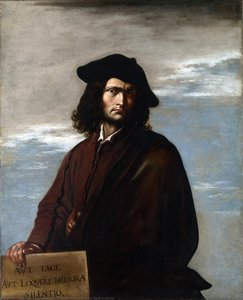
salvator rosa, an italian baroque painter, poet, and printmaker, was born in arenella, naples, on either june 20 or july 21, 1615. his mother, giulia greca rosa, was a member of one of the greek families of sicily. despite his father's wishes for him to become a lawyer or priest, salvator showed a preference for the arts from an early age.**artistic career**
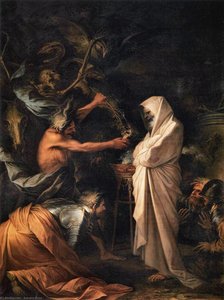
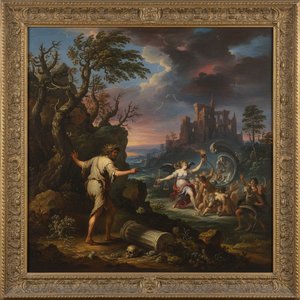
salvator rosa's artistic career was marked by his unorthodox and extravagant style, which set him apart from his contemporaries. he was active in naples, rome, and florence, and his work was influenced by the naturalism of ribera and the classicism of poussin. however, he refused to be tied down by any particular style or movement.- pythagoras emerging from the underworld (kimbell art museum, fort worth, united states), one of his most famous works, showcases his unique blend of philosophical and artistic themes.
- his the baptism of the eunuch (chrysler museum of art, norfolk, united states) demonstrates his ability to infuse high drama into even minor bible stories.
**influences and legacy**
salvator rosa's work had a significant impact on the development of baroque art. his influence can be seen in the works of later artists, such as luca giordano, who continued to push the boundaries of artistic expression. **important links:** salvator rosa's profile on ArtsDot wikipedia: salvator rosa pythagoras emerging from the underworld on ArtsDot**conclusion**
salvator rosa's life and work continue to fascinate art lovers and historians alike. his unorthodox style and perpetual rebellion against the norms of his time have cemented his place in the annals of baroque art. as a painter, poet, and printmaker, he remains an enigmatic figure, and his work continues to inspire new generations of artists and art enthusiasts.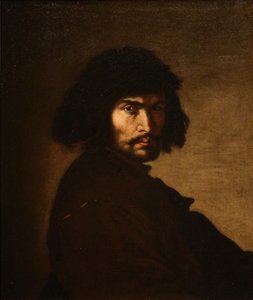
Salvator Rosa
1615 - 1673 , Italy
Quick Facts
- Artistic Movement Or Style: Baroque art
- Artists Or Movements Influenced By This Artist: ['Luca Giordano']
- Artists Who Influenced This Artist: ['José de Ribera']
- Date Of Birth: June 20, 1615
- Full Name: Salvator Rosa
- Nationality: Italian
- Notable Artworks:
- View of the Gulf of Salerno
- Study for 'Il Genio di Rosa
- Grotto with Cascades
- Place Of Birth: Arenella, Sicily
Related Articles

John Constable's Masterpieces: Explore 25 Iconic Landscapes for Your Home
Journey through John Constable's 25 most celebrated landscapes. Explore Romanticism, Dedham Vale & his masterful use of light in iconic paintings like 'Hay Wain'. Find museum-quality art reproductions and elevate your home decor on ArtsDot.com.

John Singer Sargent's 25 Masterpieces: Portraits & Beyond | ArtsDot
Explore 25 iconic John Singer Sargent paintings – from dazzling portraits to Impressionist landscapes. Discover the stories behind Madame X, El Jaleo & more! Find museum-quality art reproductions and elevate your home decor with ArtsDot.com.
Salvator Rosa: A Baroque Rebel's Vision of Landscape, Allegory & the Human Condition
Explore the captivating world of Salvator Rosa, a rebellious Baroque master. Discover his dramatic landscapes, allegorical paintings & lasting influence on Romanticism. Hand-painted reproductions available at ArtsDot.

Baroque Drama: Bringing Opulence & Emotion into Contemporary Interiors
Explore the opulent world of Baroque interior design! Discover key elements, modern applications & how to bring dramatic elegance into your home with 's authentic reproductions.

The Dramatic Flourish: Exploring the Baroque Movement's Enduring Legacy in Art History
Explore the dramatic world of Baroque art! Discover iconic artists like Caravaggio & Rubens, defining techniques, and its lasting impact on art history. Expert insights for collectors & enthusiasts at ArtsDot.