 Preview
 Send
Send Share
Share
 Details

 Download
 Similars
 X-Ray
X-Ray Diaporama
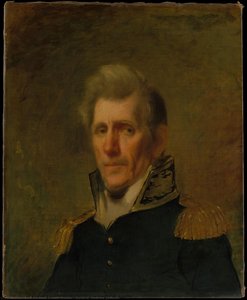
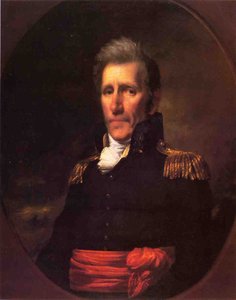
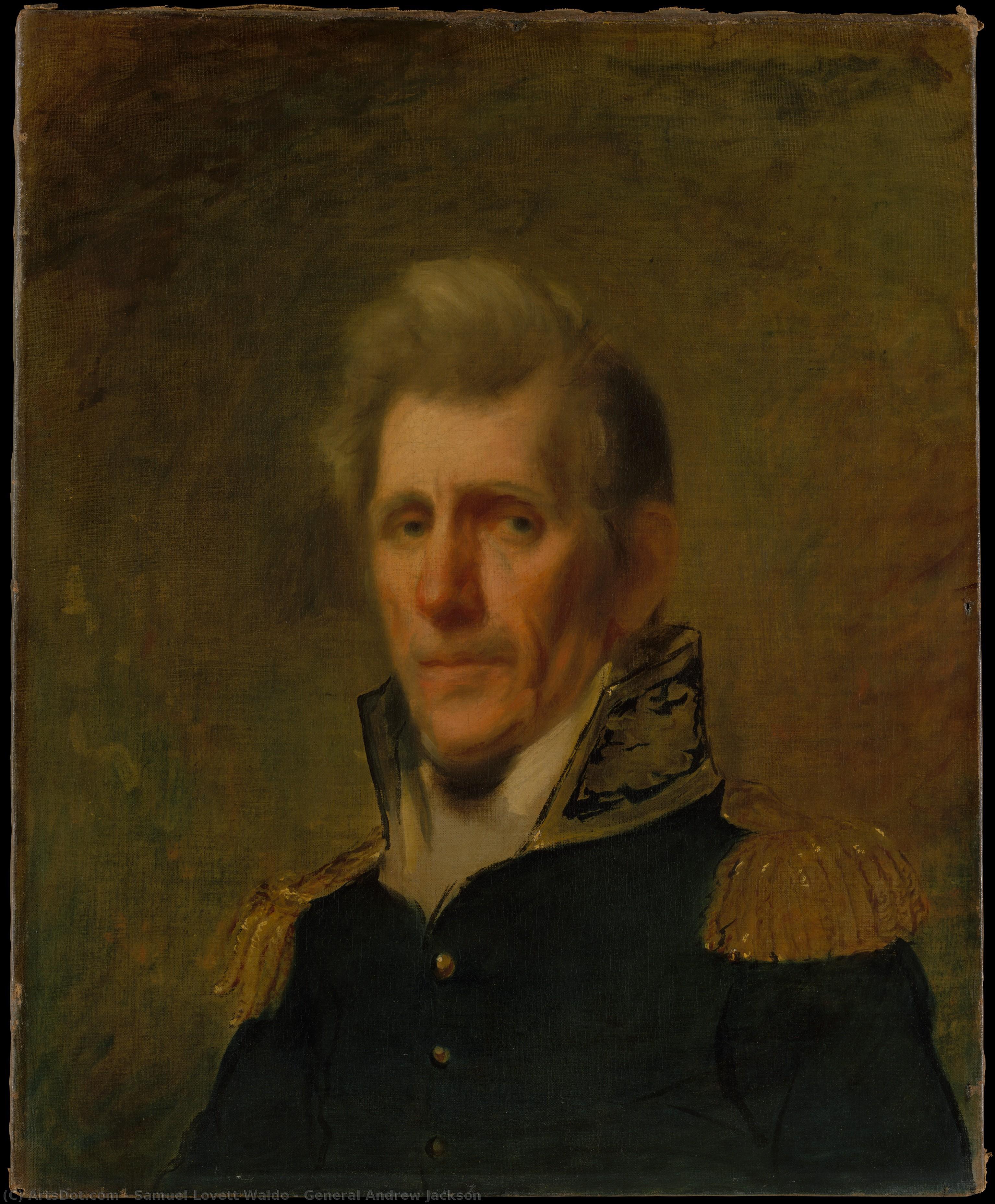
General Andrew Jackson
 Oil On Canvas
- WallArt
- Neoclassical Portraiture
 1819
1819 64.0 x 53.0 cm
 Metropolitan Museum of Art
 Read More
Hand Made Oil Reproduction
Hand-painted oil on canvas in your size and frame, made to order by our artists. ( Buy Print Buy Image)




P118B $10

P118H $10

P118W $10

P438Z $10

P508JH $12

P508YH $12

P805H $10

P805Z $10

P919BZ $10

P919G $10

P919XJ $10

P959ZH $10

P968JZ $12

W106C $8

W218G $10

W218JH $8

W218Y $10

W307PJ $10

W316G $10

W316PJ $8

W316Y $10

W398PJ $8

W4111J $10

W500HY $15

W500JH $15

W692G $12

W849H $8

W940BG $15

W953PJ $8




Pick from our preset sizes that match the artwork's original proportions.

You may enter your own dimensions to fit a specific frame or space. If your selected size does not match the original image's proportions, we will either crop the artwork or extend the painting with additional hand-painted elements. A digital mockup will be sent for your approval before production begins.
Please note that the on-screen preview does not reflect the actual cropping or extension. Only the mockup will accurately show the final composition.
While custom sizes are available, we recommend selecting a dimension from the predefined list to preserve the original proportions.
After order, ArtsDot.com team will email client for instructions and provide a mockup preview
Worldwide Delivery () in 3/4 weeks instead of standard 5 weeks. (17 August). No compromise on quality.

Free Worldwide Express Shipping

High-Quality Linen Canvas

Full Shipping Insurance

Customs Tax Refund Guarantee

True Color Matching Guarantee

60-Day Return Policy (Defects Only)

100% Money-Back Guarantee

Bulk Discount Offer
 Glass option is only available in size under 110 CM

General Andrew Jackson
Reproduction Medium
Reproduction Size
-


Total Price
$ 263
Artwork Description
The Stoic Commander: Samuel Lovett Waldo’s Portrait of General Andrew Jackson
Samuel Lovett Waldo's 1819 painting of General Andrew Jackson is more than just a likeness; it’s a carefully constructed embodiment of the man who would become the seventh President of the United States. This remarkable portrait, now housed at The Metropolitan Museum of Art, offers a compelling glimpse into the character and political ambitions of a figure whose legacy remains both revered and fiercely debated. Waldo, a prominent American painter known for his meticulous attention to detail and ability to capture personality, skillfully rendered Jackson not as a battlefield hero alone, but as a complex individual grappling with the weighty responsibilities of leadership.
The painting itself is executed in oil on canvas, showcasing Waldo’s mastery of light and shadow. The composition is remarkably balanced, drawing the viewer's eye to Jackson’s stern yet commanding gaze. His posture—straight, resolute, and slightly forward—projects an air of authority and unwavering determination. Notice how Waldo subtly emphasizes Jackson’s military bearing through the precise arrangement of his uniform: the crisp lines of the coat, the buttons gleaming under the light, and the carefully rendered details of his boots all contribute to a sense of disciplined strength. The muted palette – dominated by browns, grays, and deep blues – reinforces this impression of seriousness and gravitas, reflecting the somber nature of Jackson’s military career.
A Man Forged in War
Jackson's rise to prominence was inextricably linked to the American Wars of 1812 and, most notably, the Battle of New Orleans. This victory cemented his reputation as a brilliant strategist and a national hero. However, Waldo’s portrait doesn’t simply celebrate military triumph; it hints at the internal struggles that likely accompanied such success. Jackson's face is etched with lines of experience – a subtle network of wrinkles around his eyes and mouth suggesting years spent in harsh conditions and facing immense pressure. These details invite speculation about the burdens he carried, beyond the battlefield.
The backdrop—a simple, verdant field—provides a neutral canvas that allows Jackson’s figure to dominate the scene. It's reminiscent of the landscapes where he commanded troops, grounding him in the realities of his military life. The lack of elaborate ornamentation or luxurious surroundings further emphasizes his humble origins and reinforces the idea that his power stemmed from his own capabilities rather than inherited wealth or social status.
Symbolism and the Image of Leadership
Waldo’s skillful use of symbolism elevates this portrait beyond a mere representation. The general's hand resting upon his sword is a potent visual metaphor for authority and readiness to defend the nation. It speaks to Jackson’s commitment to preserving the Union and upholding the Constitution, even in the face of opposition. The direct gaze—a hallmark of Waldo’s portraits—forces the viewer to confront Jackson directly, demanding attention and conveying an undeniable sense of self-assurance.
Furthermore, consider the subtle details: the slight furrow of his brow, the set of his jaw – these elements contribute to a portrait that is not simply admiring but profoundly insightful. Waldo doesn’t offer a romanticized vision of Jackson; instead, he presents a man of action, burdened by responsibility and determined to shape the destiny of a young nation. The painting invites us to contemplate the complexities of leadership—the sacrifices required, the burdens carried, and the enduring impact on those who wield power.
A Legacy in Oil
Samuel Lovett Waldo’s portrait of General Andrew Jackson remains a powerful testament to the man's military prowess and political ambition. It is a work that continues to fascinate art historians and collectors alike, offering a rare glimpse into the mind and character of one of America’s most controversial yet undeniably influential figures. Reproductions of this iconic image are highly sought after, providing an opportunity to bring this compelling portrait into any home or office—a reminder of a pivotal moment in American history and the enduring legacy of Andrew Jackson.
Related Artworks
Artist Biography
Thomas Sully: The American Lawrence
Born in Horncastle, Lincolnshire, England, on June 19, 1783, Thomas Sully’s artistic journey began within the vibrant world of his family – actors Matthew and Sarah Chester. His early life was steeped in theatrical performance, a formative experience that instilled a keen eye for character and movement, qualities he would later translate into his celebrated portraiture. The young Sully received informal instruction from Jean Belzons, a French miniaturist, before a falling out led him to pursue his own path. This initial exposure to artistic techniques laid the groundwork for his future success, shaping his understanding of composition, light, and shadow – elements he would master with remarkable precision.
Sully’s family emigrated to Charleston, South Carolina, in 1792, where they joined Matthew's uncle, Thomas Wade West, who managed a theater. This relocation marked a significant shift in his life, exposing him to the burgeoning American art scene and providing opportunities for early artistic development. He quickly demonstrated talent, beginning his career as a tumbler at the age of eleven, a testament to his natural charisma and stage presence. Recognizing his potential, a family friend secured an apprenticeship with an insurance broker, allowing Sully to hone his skills while simultaneously gaining valuable business acumen. This period proved crucial in developing his observational abilities and understanding of human psychology – essential qualities for a successful portraitist.
A Philadelphia Master
By 1805, Sully and his brother Lawrence established themselves in Richmond, Virginia, where they continued to work together as artists. However, it was in Philadelphia, Pennsylvania, that Sully truly flourished, becoming one of the city’s most sought-after portrait painters during the early 19th century. He quickly gained a reputation for capturing not just likenesses but also the very essence of his subjects – their personalities, social standing, and inner lives. Sully's style was heavily influenced by Thomas Lawrence, the renowned English portraitist, whom he admired greatly. This influence is evident in Sully’s elegant compositions, refined brushwork, and penchant for flattering poses.
His studio became a hub of artistic activity, attracting wealthy patrons from across Pennsylvania and Maryland. He produced over 2,300 paintings throughout his long career, ranging from grand portraits of presidents like Thomas Jefferson, John Quincy Adams, and Andrew Jackson to intimate depictions of Revolutionary War heroes such as Marquis de Lafayette. Beyond these prominent figures, Sully painted a diverse array of subjects – socialites, military officers, and members of Philadelphia’s elite. His ability to capture the nuances of human expression and create works that were both aesthetically pleasing and psychologically insightful cemented his position as a leading portraitist in America.
Royal Recognition and European Travels
Sully's career reached a pivotal moment in 1837 when he received an unexpected commission: to paint a full-length portrait of Queen Victoria. This extraordinary request, prompted by a philanthropic society of English emigrants in Philadelphia, led him on a lengthy sojourn to London. The commission demanded meticulous adherence to protocol and etiquette, significantly extending his stay and introducing him to the highest echelons of British society. During this time, Sully immersed himself in the artistic landscape of London, studying the works of other painters and absorbing the atmosphere of the era. He was described as being “introduced to distinguished people, and kind friends, enabled to converse familiarly with the Sovereign of the present greatest empire in the world.”
This experience profoundly impacted Sully’s artistic development, broadening his perspective and refining his technique. He continued to paint portraits throughout his life, producing works that reflected both his American roots and his newfound appreciation for European artistic traditions. He returned to Philadelphia in 1837, bringing with him a wealth of knowledge and inspiration.
Legacy and Influence
Thomas Sully’s legacy extends far beyond the numerous portraits he created. He played a crucial role in establishing portraiture as a popular art form in America, shaping the visual culture of his time. His works are now housed in major museums across the United States and Europe, including the Metropolitan Museum of Art and the Smithsonian American Art Museum. Sully’s influence can be seen in the work of subsequent generations of American painters, who admired his technical skill, his ability to capture personality, and his commitment to portraying subjects with dignity and grace.
Sully died on November 5, 1872, at the age of 89, leaving behind a remarkable body of work that continues to captivate audiences today. He is remembered as “The American Lawrence,” a testament to his enduring contribution to the history of American art.
samuel lovett waldo
1783 - 1861 , United States of America
Quick Facts
- Artistic Movement Or Style: Portraiture, Romanticism
- Artists Or Movements Influenced By This Artist: ['Sir Thomas Lawrence of America']
- Artists Who Influenced This Artist:
- Benjamin West
- Thomas Lawrence
- Date Of Birth: June 19, 1783
- Date Of Death: November 5, 1872
- Full Name: Thomas Sully
- Nationality: English-American
- Notable Artworks:
- The Passage of the Delaware
- Queen Victoria portrait
- Place Of Birth: Horncastle, England
Related Articles
Benny Andrews: A Life Painted in Layers – Narrative, Identity & the American Experience
Explore the powerful life & art of Benny Andrews – a pivotal figure in African American expressionism. Discover his unique collage style, activism, and poignant depictions of identity & social justice. A must-read for collectors.
Grant Wood & American Regionalism: Identity, Myth & the Rural Landscape
Explore the world of Grant Wood & American Regionalism with ArtsDot. Discover the symbolism behind 'American Gothic', recurring themes, and the movement's lasting impact on art history. High-quality reproductions available.

Frederick William Jackson: Capturing the American West Through Luminist Vision & Narrative Detail
Explore the captivating works of Frederick William Jackson, a pioneer of Western realism & Luminist painting. Discover his atmospheric landscapes, depictions of Native American life, and lasting legacy. Learn more at ArtsDot.
American Realism's Defining Works: 10 Masterpieces for Your Home
Explore 10 defining American Realism masterpieces – Hopper, Homer & more. Discover the stories behind these iconic paintings and bring timeless art to your home with ArtsDot's museum-quality reproductions. Explore the full collection online.
American Regionalism: A Crucible of Identity – Exploring Themes of Place, Labor & Social Commentary
Explore American Regionalism's powerful depiction of the American heartland during the Great Depression. Discover Grant Wood, Thomas Hart Benton & more. Expert analysis & high-quality art reproductions at ArtsDot.