 Preview
 Send
Send Share
Share
 Details

 Download
 Similars
 X-Ray
X-Ray Diaporama
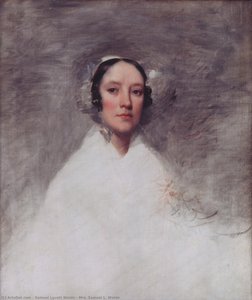
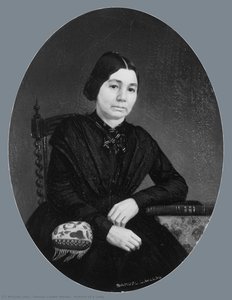
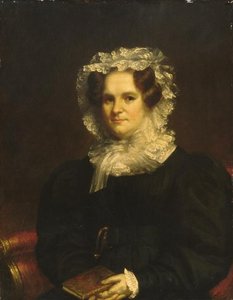
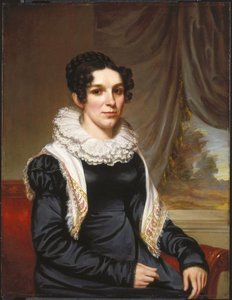
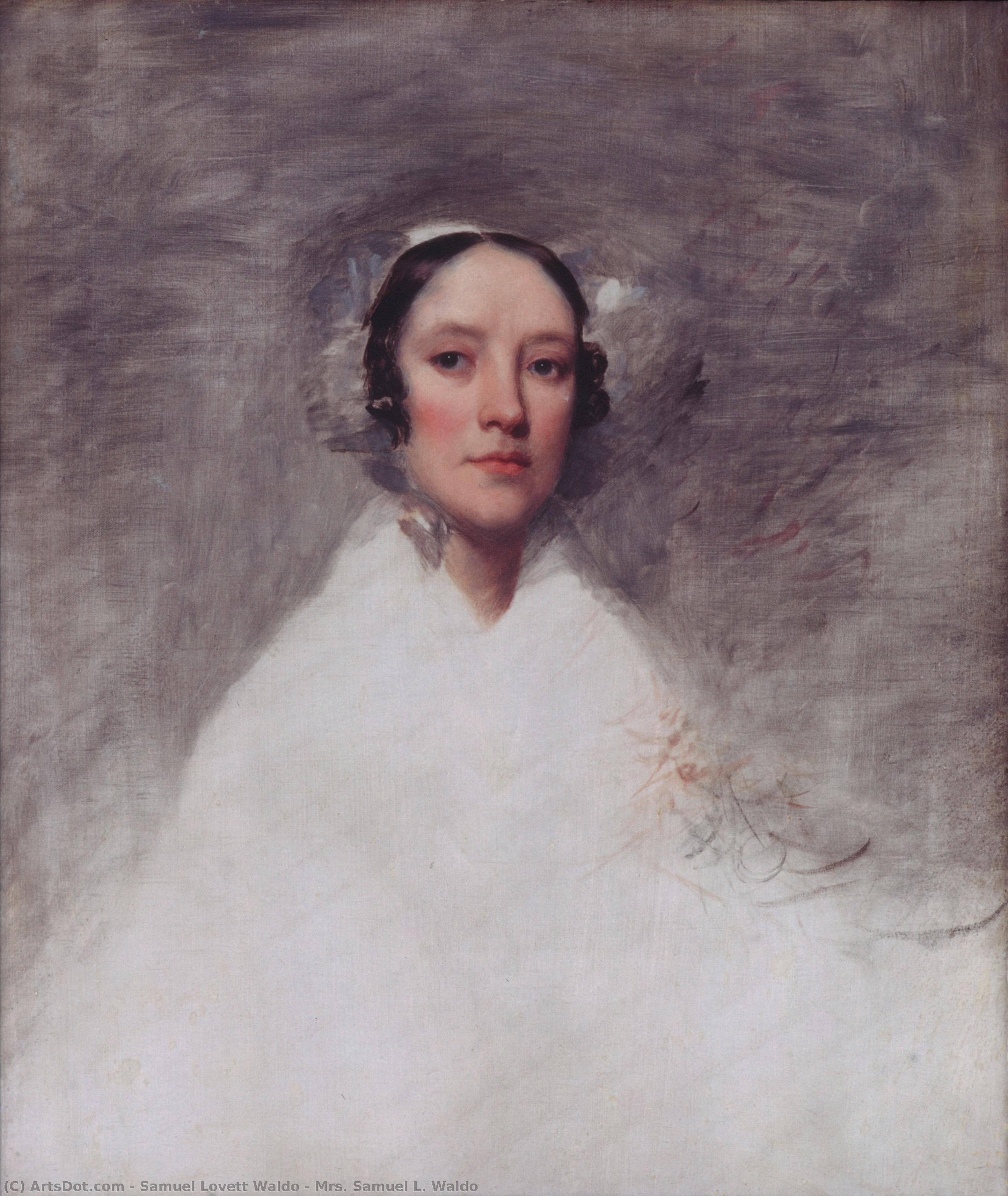
Mrs. Samuel L. Waldo
 Neoclassical Portraiture
 1826
1826 77.0 x 65.0 cm
 Metropolitan Museum of Art
 Read More
Hand Made Oil Reproduction
Hand-painted oil on canvas in your size and frame, made to order by our artists. ( Buy Print Buy Image)




P118B $10

P118H $10

P118W $10

P438Z $10

P508JH $12

P508YH $12

P805H $10

P805Z $10

P919BZ $10

P919G $10

P919XJ $10

P959ZH $10

P968JZ $12

W106C $8

W218G $10

W218JH $8

W218Y $10

W307PJ $10

W316G $10

W316PJ $8

W316Y $10

W398PJ $8

W4111J $10

W500HY $15

W500JH $15

W692G $12

W849H $8

W940BG $15

W953PJ $8




Pick from our preset sizes that match the artwork's original proportions.

You may enter your own dimensions to fit a specific frame or space. If your selected size does not match the original image's proportions, we will either crop the artwork or extend the painting with additional hand-painted elements. A digital mockup will be sent for your approval before production begins.
Please note that the on-screen preview does not reflect the actual cropping or extension. Only the mockup will accurately show the final composition.
While custom sizes are available, we recommend selecting a dimension from the predefined list to preserve the original proportions.
After order, ArtsDot.com team will email client for instructions and provide a mockup preview
Worldwide Delivery () in 3/4 weeks instead of standard 5 weeks. (16 August). No compromise on quality.

Free Worldwide Express Shipping

High-Quality Linen Canvas

Full Shipping Insurance

Customs Tax Refund Guarantee

True Color Matching Guarantee

60-Day Return Policy (Defects Only)

100% Money-Back Guarantee

Bulk Discount Offer
 Glass option is only available in size under 110 CM

Mrs. Samuel L. Waldo
Reproduction Medium
Reproduction Size
-


Total Price
$ 263
Artwork Description
A Portrait of Quiet Dignity: Samuel Lovett Waldo’s “Mrs. Samuel L. Waldo”
Samuel Lovett Waldo's "Mrs. Samuel L. Waldo," painted in 1826, is more than a simple likeness; it’s a carefully constructed tableau of domestic serenity and understated elegance, capturing the essence of early American gentility. The portrait depicts Mrs. Samuel L. Waldo, likely a woman of considerable social standing within her community, seated with an air of quiet contemplation. Her posture is relaxed yet dignified, her gaze direct and engaging – she seems to hold the viewer’s attention with a subtle, almost knowing expression. Waldo masterfully employs a restrained palette of soft blues, creams, and muted greens, creating a harmonious atmosphere that reflects the refined sensibilities of the era. The painting isn't merely a representation of a woman; it’s an embodiment of the ideals of domesticity and social grace so prized in 19th-century America.
Waldo’s technique is deeply rooted in the neoclassical tradition, a style that was flourishing in the United States during this period. This influence is evident in the painting's balanced composition, symmetrical arrangement, and meticulous attention to detail. He skillfully renders textures – from the delicate folds of her elaborate dress, likely crafted from fine silk or wool, to the sheen of her pearl necklace and the subtle texture of her hair. Note the masterful use of light and shadow, a technique known as chiaroscuro, which creates a sense of volume and depth, drawing the viewer’s eye to Mrs. Waldo's face and highlighting her features with an almost ethereal quality. The brushstrokes are smooth and controlled, contributing to the painting’s polished appearance and conveying a sense of quiet confidence.
A Window into a Changing America
To fully appreciate “Mrs. Samuel L. Waldo,” it’s crucial to understand the historical context in which it was created. The early 1820s marked a period of significant transformation in the United States – a burgeoning republic grappling with questions of identity, expansion, and social change. Portraiture during this time served not only as a means of commemorating individuals but also as a reflection of societal values and aspirations. Wealthy families commissioned portraits to solidify their status and leave a lasting legacy, and artists like Wald were tasked with capturing the very essence of their family’s position within society. The painting speaks volumes about the growing emphasis on social standing, familial piety, and the importance of presenting an image of respectability – all hallmarks of early American culture.
Furthermore, Waldo's work reflects a shift away from the more overtly dramatic styles prevalent in earlier portraiture. The restraint in color and composition suggests a move towards a more understated elegance, mirroring the growing emphasis on domesticity and refinement within the home. The painting can be seen as a visual embodiment of the ideals of republican virtue – quiet dignity, self-control, and a commitment to family values – qualities that were considered essential for the success of the new nation.
Symbolism and Intimacy
Beyond its technical brilliance, “Mrs. Samuel L. Waldo” is rich in symbolic meaning. The seated pose itself conveys an air of authority and composure, suggesting a woman who commands respect within her social circle. Her direct gaze invites engagement, creating a sense of intimacy between the viewer and the subject. The pearl necklace, a symbol of wealth and status, subtly underscores Mrs. Waldo’s privileged position. Even the carefully chosen background – likely a glimpse of a refined parlor or drawing room – contributes to the overall impression of domestic tranquility and social grace.
The painting isn't simply about depicting a woman; it’s about constructing an image—a carefully curated representation of her identity, her role within her family, and her place in society. It is a testament to the power of portraiture to shape perceptions and convey complex social messages.
A Legacy Preserved
Today, “Mrs. Samuel L. Waldo” stands as a remarkable example of early American art, offering a fascinating glimpse into the lives and values of a bygone era. Its quiet dignity, refined elegance, and masterful technique continue to captivate viewers, reminding us of the enduring power of portraiture to capture not just likenesses but also the very spirit of its subject. Reproductions of this exquisite painting offer an opportunity to bring a touch of 19th-century grace into any setting, serving as both a beautiful work of art and a poignant reminder of America’s rich cultural heritage.
Related Artworks
Artist Biography
Thomas Sully: The American Lawrence
Born in Horncastle, Lincolnshire, England, on June 19, 1783, Thomas Sully’s artistic journey began within the vibrant world of his family – actors Matthew and Sarah Chester. His early life was steeped in theatrical performance, a formative experience that instilled a keen eye for character and movement, qualities he would later translate into his celebrated portraiture. The young Sully received informal instruction from Jean Belzons, a French miniaturist, before a falling out led him to pursue his own path. This initial exposure to artistic techniques laid the groundwork for his future success, shaping his understanding of composition, light, and shadow – elements he would master with remarkable precision.
Sully’s family emigrated to Charleston, South Carolina, in 1792, where they joined Matthew's uncle, Thomas Wade West, who managed a theater. This relocation marked a significant shift in his life, exposing him to the burgeoning American art scene and providing opportunities for early artistic development. He quickly demonstrated talent, beginning his career as a tumbler at the age of eleven, a testament to his natural charisma and stage presence. Recognizing his potential, a family friend secured an apprenticeship with an insurance broker, allowing Sully to hone his skills while simultaneously gaining valuable business acumen. This period proved crucial in developing his observational abilities and understanding of human psychology – essential qualities for a successful portraitist.
A Philadelphia Master
By 1805, Sully and his brother Lawrence established themselves in Richmond, Virginia, where they continued to work together as artists. However, it was in Philadelphia, Pennsylvania, that Sully truly flourished, becoming one of the city’s most sought-after portrait painters during the early 19th century. He quickly gained a reputation for capturing not just likenesses but also the very essence of his subjects – their personalities, social standing, and inner lives. Sully's style was heavily influenced by Thomas Lawrence, the renowned English portraitist, whom he admired greatly. This influence is evident in Sully’s elegant compositions, refined brushwork, and penchant for flattering poses.
His studio became a hub of artistic activity, attracting wealthy patrons from across Pennsylvania and Maryland. He produced over 2,300 paintings throughout his long career, ranging from grand portraits of presidents like Thomas Jefferson, John Quincy Adams, and Andrew Jackson to intimate depictions of Revolutionary War heroes such as Marquis de Lafayette. Beyond these prominent figures, Sully painted a diverse array of subjects – socialites, military officers, and members of Philadelphia’s elite. His ability to capture the nuances of human expression and create works that were both aesthetically pleasing and psychologically insightful cemented his position as a leading portraitist in America.
Royal Recognition and European Travels
Sully's career reached a pivotal moment in 1837 when he received an unexpected commission: to paint a full-length portrait of Queen Victoria. This extraordinary request, prompted by a philanthropic society of English emigrants in Philadelphia, led him on a lengthy sojourn to London. The commission demanded meticulous adherence to protocol and etiquette, significantly extending his stay and introducing him to the highest echelons of British society. During this time, Sully immersed himself in the artistic landscape of London, studying the works of other painters and absorbing the atmosphere of the era. He was described as being “introduced to distinguished people, and kind friends, enabled to converse familiarly with the Sovereign of the present greatest empire in the world.”
This experience profoundly impacted Sully’s artistic development, broadening his perspective and refining his technique. He continued to paint portraits throughout his life, producing works that reflected both his American roots and his newfound appreciation for European artistic traditions. He returned to Philadelphia in 1837, bringing with him a wealth of knowledge and inspiration.
Legacy and Influence
Thomas Sully’s legacy extends far beyond the numerous portraits he created. He played a crucial role in establishing portraiture as a popular art form in America, shaping the visual culture of his time. His works are now housed in major museums across the United States and Europe, including the Metropolitan Museum of Art and the Smithsonian American Art Museum. Sully’s influence can be seen in the work of subsequent generations of American painters, who admired his technical skill, his ability to capture personality, and his commitment to portraying subjects with dignity and grace.
Sully died on November 5, 1872, at the age of 89, leaving behind a remarkable body of work that continues to captivate audiences today. He is remembered as “The American Lawrence,” a testament to his enduring contribution to the history of American art.
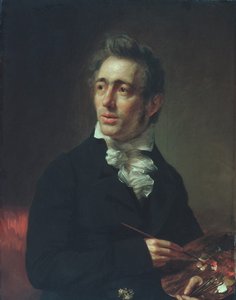
samuel lovett waldo
1783 - 1861 , United States of America
Quick Facts
- Artistic Movement Or Style: Portraiture, Romanticism
- Artists Or Movements Influenced By This Artist: ['Sir Thomas Lawrence of America']
- Artists Who Influenced This Artist:
- Benjamin West
- Thomas Lawrence
- Date Of Birth: June 19, 1783
- Date Of Death: November 5, 1872
- Full Name: Thomas Sully
- Nationality: English-American
- Notable Artworks:
- The Passage of the Delaware
- Queen Victoria portrait
- Place Of Birth: Horncastle, England
Related Articles
The Ashcan School: Realism, Urban Life & the Democratization of American Art
Explore the revolutionary Ashcan School! Discover how artists like Henri & Sloan challenged tradition with gritty realism, capturing urban life in early 20th-century America. Learn about their impact on American art history.
Emanuel Leutze: Transatlantic Identity & the Iconography of American Progress
Explore the life & art of Emanuel Leutze, famed for 'Washington Crossing the Delaware.' Discover his Romantic historical paintings, transatlantic influences, and powerful depictions of American identity & progress. Expert analysis at ArtsDot.

Oil on Canvas Masters: 10 Paintings That Redefined Art History |
Journey through art history with our guide to 10 legendary oil on canvas masterpieces! Explore iconic works by Van Gogh, Monet & Rembrandt. Find museum-quality reproductions and elevate your home decor at . Discover all masterpieces online.
Echoes of Time: A Comprehensive Exploration of Vintage Portrait Art – Styles, Techniques & Enduring Appeal
Explore the captivating world of vintage portrait art! Discover styles, techniques & the enduring appeal of 19th-century masterpieces. Expert restoration, custom reproductions & appraisal services at ArtsDot.

Benjamin West: Transatlantic Ambition & Shaping American Art
Explore the life & legacy of Benjamin West, pioneering American artist and Royal Academy president. Discover his Neoclassical masterpieces, transatlantic influence, and lasting impact on art history. Learn more at ArtsDot.