 Preview
 Send
Send Share
Share
 Details

 Download
 Similars
 X-Ray
X-Ray Diaporama
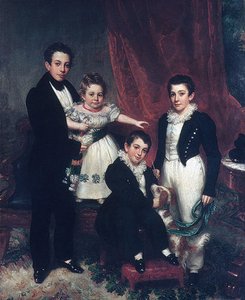
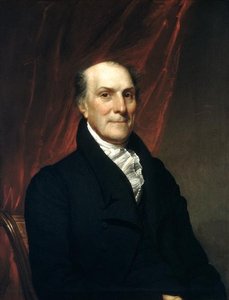
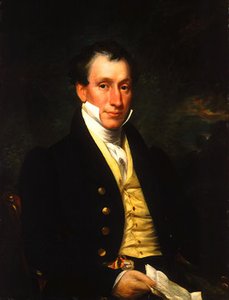
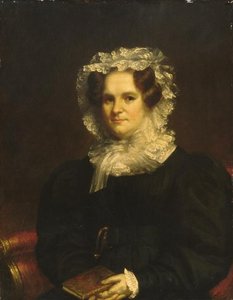
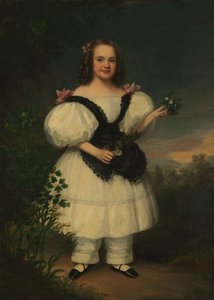
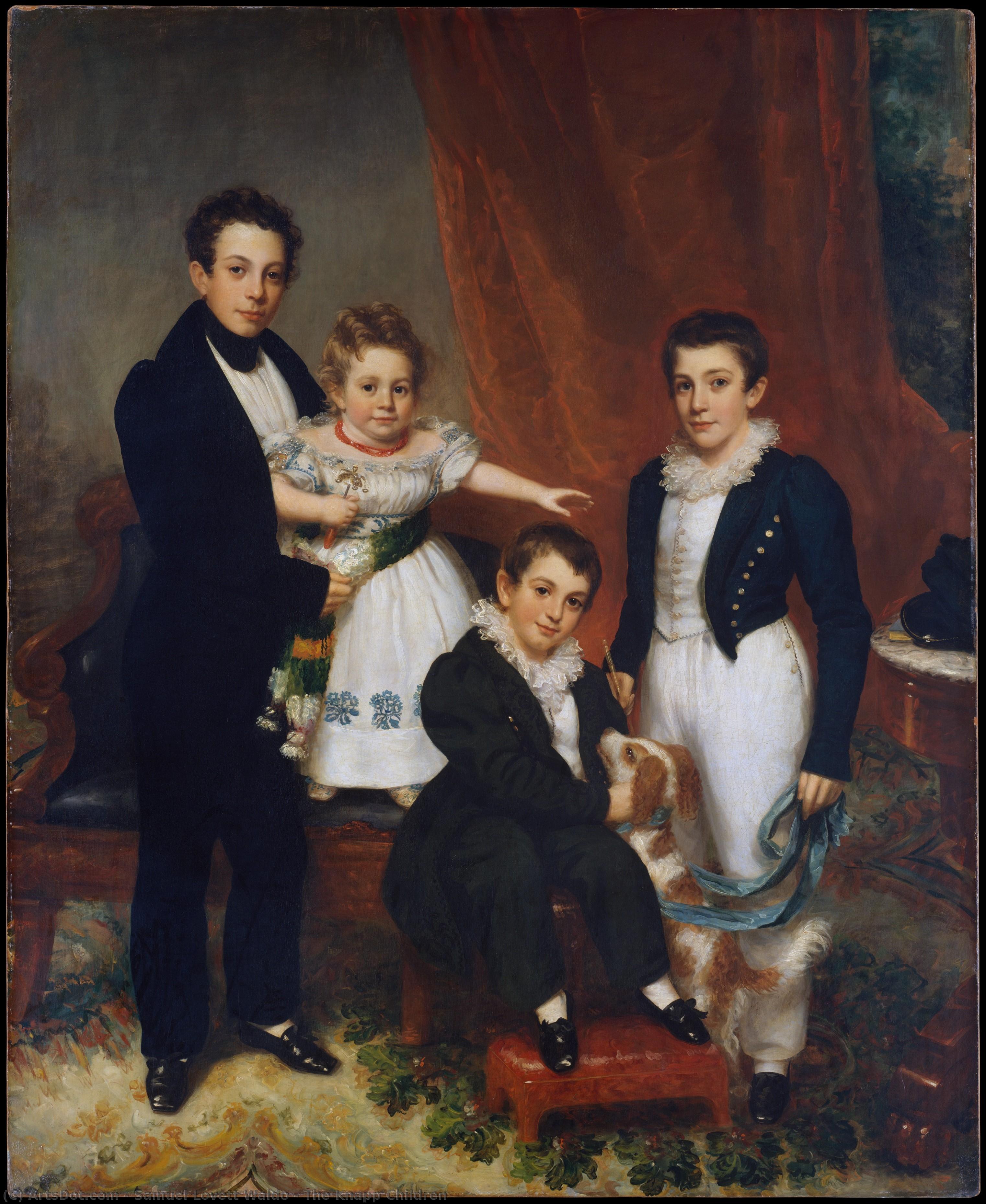
The Knapp Children
 Oil On Canvas
- WallArt
- Neoclassical
 1833
1833- 19th Century
 178.0 x 146.0 cm
 Metropolitan Museum of Art
 Read More
Hand Made Oil Reproduction
Hand-painted oil on canvas in your size and frame, made to order by our artists. ( Buy Print Buy Image)




P118B $10

P118H $10

P118W $10

P438Z $10

P508JH $12

P508YH $12

P805H $10

P805Z $10

P919BZ $10

P919G $10

P919XJ $10

P959ZH $10

P968JZ $12

W106C $8

W218G $10

W218JH $8

W218Y $10

W307PJ $10

W316G $10

W316PJ $8

W316Y $10

W398PJ $8

W4111J $10

W500HY $15

W500JH $15

W692G $12

W849H $8

W940BG $15

W953PJ $8




Pick from our preset sizes that match the artwork's original proportions.

You may enter your own dimensions to fit a specific frame or space. If your selected size does not match the original image's proportions, we will either crop the artwork or extend the painting with additional hand-painted elements. A digital mockup will be sent for your approval before production begins.
Please note that the on-screen preview does not reflect the actual cropping or extension. Only the mockup will accurately show the final composition.
While custom sizes are available, we recommend selecting a dimension from the predefined list to preserve the original proportions.
After order, ArtsDot.com team will email client for instructions and provide a mockup preview
Worldwide Delivery () in 3/4 weeks instead of standard 5 weeks. (17 August). No compromise on quality.

Free Worldwide Express Shipping

High-Quality Linen Canvas

Full Shipping Insurance

Customs Tax Refund Guarantee

True Color Matching Guarantee

60-Day Return Policy (Defects Only)

100% Money-Back Guarantee

Bulk Discount Offer
 Glass option is only available in size under 110 CM

The Knapp Children
Reproduction Medium
Reproduction Size
-


Total Price
$ 338
Artwork Description
A Glimpse into Victorian Lineage: The Knapp Children
To stand before this portrait is to step directly into the polished drawing rooms of mid-nineteenth-century America. The Knapp Children is far more than a mere record of faces; it is a carefully constructed tableau vivant, an opulent testament to burgeoning American wealth and the enduring importance of lineage during the Victorian era. The sitters—the four sons of Shepherd Knapp and Catherine Louisa Kumbel—are presented not just as individuals, but as representatives of a successful mercantile family whose standing in society was meticulously curated for posterity. The very act of commissioning such a grand portrait speaks volumes about their aspirations: to freeze a moment of prosperity and secure their place within the annals of local history.
Mastery of Form and Atmosphere
Technically, the painting showcases the sophisticated hand of Samuel Lovett Waldo, whose training in London exposed him to the grandeur of eighteenth-century English portraiture. The execution is characterized by a remarkable blend of realism and idealized formality. Observe the handling of the textiles: the rich red velvet curtain serves as a dramatic backdrop, its deep folds catching the soft, diffused light, while the patterned carpet beneath suggests an almost palpable sense of luxury underfoot. Waldo employs a linear perspective that draws the eye across the composition, anchoring the viewer's gaze upon the central figures. The artist achieves this depth through subtle gradations of shadow and highlight, giving the illusion that the polished wood and heavy fabrics possess genuine weight.
Symbolism of Status and Succession
The symbolism woven into this piece is rich and deeply resonant for the collector. Every element—from the tailored jackets and vests to the formal arrangement of the figures—speaks to social stratification. The grouping itself suggests not just brotherhood, but a carefully managed succession of status. In an age where one's reputation was everything, this portrait functions as a visual guarantee of enduring family bonds and established social standing. Even the inclusion of younger children alongside the young men speaks to the continuity of the bloodline, a silent promise whispered across generations.
A Timeless Aesthetic for Modern Interiors
For those seeking art that anchors a grand space or adds an air of cultivated history to a modern dwelling, this reproduction offers unparalleled depth. The warm palette—dominated by deep browns, muted reds, and aged golds—allows the piece to harmonize beautifully with both traditional mahogany furnishings and more contemporary, richly textured décor. It brings an immediate sense of gravitas and narrative weight to any room. Owning such a work is not merely decorating; it is curating an atmosphere steeped in history, sophistication, and enduring familial pride.
Related Artworks

Artist Biography
Thomas Sully: The American Lawrence
Born in Horncastle, Lincolnshire, England, on June 19, 1783, Thomas Sully’s artistic journey began within the vibrant world of his family – actors Matthew and Sarah Chester. His early life was steeped in theatrical performance, a formative experience that instilled a keen eye for character and movement, qualities he would later translate into his celebrated portraiture. The young Sully received informal instruction from Jean Belzons, a French miniaturist, before a falling out led him to pursue his own path. This initial exposure to artistic techniques laid the groundwork for his future success, shaping his understanding of composition, light, and shadow – elements he would master with remarkable precision.
Sully’s family emigrated to Charleston, South Carolina, in 1792, where they joined Matthew's uncle, Thomas Wade West, who managed a theater. This relocation marked a significant shift in his life, exposing him to the burgeoning American art scene and providing opportunities for early artistic development. He quickly demonstrated talent, beginning his career as a tumbler at the age of eleven, a testament to his natural charisma and stage presence. Recognizing his potential, a family friend secured an apprenticeship with an insurance broker, allowing Sully to hone his skills while simultaneously gaining valuable business acumen. This period proved crucial in developing his observational abilities and understanding of human psychology – essential qualities for a successful portraitist.
A Philadelphia Master
By 1805, Sully and his brother Lawrence established themselves in Richmond, Virginia, where they continued to work together as artists. However, it was in Philadelphia, Pennsylvania, that Sully truly flourished, becoming one of the city’s most sought-after portrait painters during the early 19th century. He quickly gained a reputation for capturing not just likenesses but also the very essence of his subjects – their personalities, social standing, and inner lives. Sully's style was heavily influenced by Thomas Lawrence, the renowned English portraitist, whom he admired greatly. This influence is evident in Sully’s elegant compositions, refined brushwork, and penchant for flattering poses.
His studio became a hub of artistic activity, attracting wealthy patrons from across Pennsylvania and Maryland. He produced over 2,300 paintings throughout his long career, ranging from grand portraits of presidents like Thomas Jefferson, John Quincy Adams, and Andrew Jackson to intimate depictions of Revolutionary War heroes such as Marquis de Lafayette. Beyond these prominent figures, Sully painted a diverse array of subjects – socialites, military officers, and members of Philadelphia’s elite. His ability to capture the nuances of human expression and create works that were both aesthetically pleasing and psychologically insightful cemented his position as a leading portraitist in America.
Royal Recognition and European Travels
Sully's career reached a pivotal moment in 1837 when he received an unexpected commission: to paint a full-length portrait of Queen Victoria. This extraordinary request, prompted by a philanthropic society of English emigrants in Philadelphia, led him on a lengthy sojourn to London. The commission demanded meticulous adherence to protocol and etiquette, significantly extending his stay and introducing him to the highest echelons of British society. During this time, Sully immersed himself in the artistic landscape of London, studying the works of other painters and absorbing the atmosphere of the era. He was described as being “introduced to distinguished people, and kind friends, enabled to converse familiarly with the Sovereign of the present greatest empire in the world.”
This experience profoundly impacted Sully’s artistic development, broadening his perspective and refining his technique. He continued to paint portraits throughout his life, producing works that reflected both his American roots and his newfound appreciation for European artistic traditions. He returned to Philadelphia in 1837, bringing with him a wealth of knowledge and inspiration.
Legacy and Influence
Thomas Sully’s legacy extends far beyond the numerous portraits he created. He played a crucial role in establishing portraiture as a popular art form in America, shaping the visual culture of his time. His works are now housed in major museums across the United States and Europe, including the Metropolitan Museum of Art and the Smithsonian American Art Museum. Sully’s influence can be seen in the work of subsequent generations of American painters, who admired his technical skill, his ability to capture personality, and his commitment to portraying subjects with dignity and grace.
Sully died on November 5, 1872, at the age of 89, leaving behind a remarkable body of work that continues to captivate audiences today. He is remembered as “The American Lawrence,” a testament to his enduring contribution to the history of American art.
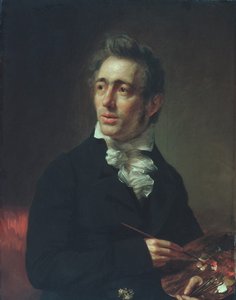
samuel lovett waldo
1783 - 1861 , United States of America
Quick Facts
- Artistic Movement Or Style: Portraiture, Romanticism
- Artists Or Movements Influenced By This Artist: ['Sir Thomas Lawrence of America']
- Artists Who Influenced This Artist:
- Benjamin West
- Thomas Lawrence
- Date Of Birth: June 19, 1783
- Date Of Death: November 5, 1872
- Full Name: Thomas Sully
- Nationality: English-American
- Notable Artworks:
- The Passage of the Delaware
- Queen Victoria portrait
- Place Of Birth: Horncastle, England
Related Articles
American Realism's Defining Works: 10 Masterpieces for Your Home
Explore 10 defining American Realism masterpieces – Hopper, Homer & more. Discover the stories behind these iconic paintings and bring timeless art to your home with ArtsDot's museum-quality reproductions. Explore the full collection online.
19th Century Masterpieces: 10 Paintings That Defined an Era | ArtsDot
Journey through 19th century art with ArtsDot! Explore 10 iconic paintings – from Monet & Renoir to Courbet – and discover the stories behind Romanticism, Realism & Impressionism. Find museum-quality reproductions for your home decor. Explore the full collection online!

Grant Wood & American Regionalism: Identity, Myth & the Rural Landscape
Explore the world of Grant Wood & American Regionalism with ArtsDot. Discover the symbolism behind 'American Gothic', recurring themes, and the movement's lasting impact on art history. High-quality reproductions available.

Samuel Walters: Capturing Victorian Maritime Life with Precision & Artistry
Explore the exquisite maritime paintings of Samuel Walters (1811-1882). Discover his mastery of detail, historical scenes & influence on Victorian art. Learn about collecting his works and find high-quality reproductions at ArtsDot.
John George Brown: Capturing American Life & Sentiment in 19th-Century Genre Painting
Explore the captivating genre paintings of John George Brown, celebrated for his realistic depictions of 19th-century American life. Discover his legacy & find museum-quality reproductions at ArtsDot.