 Preview
 Send
Send Share
Share
 Details

 Download
 Similars
 X-Ray
X-Ray Diaporama
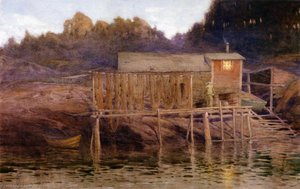
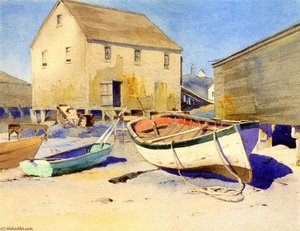
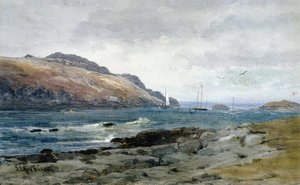
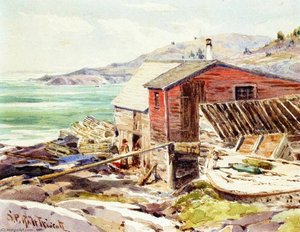
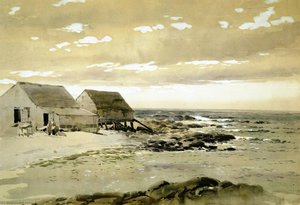
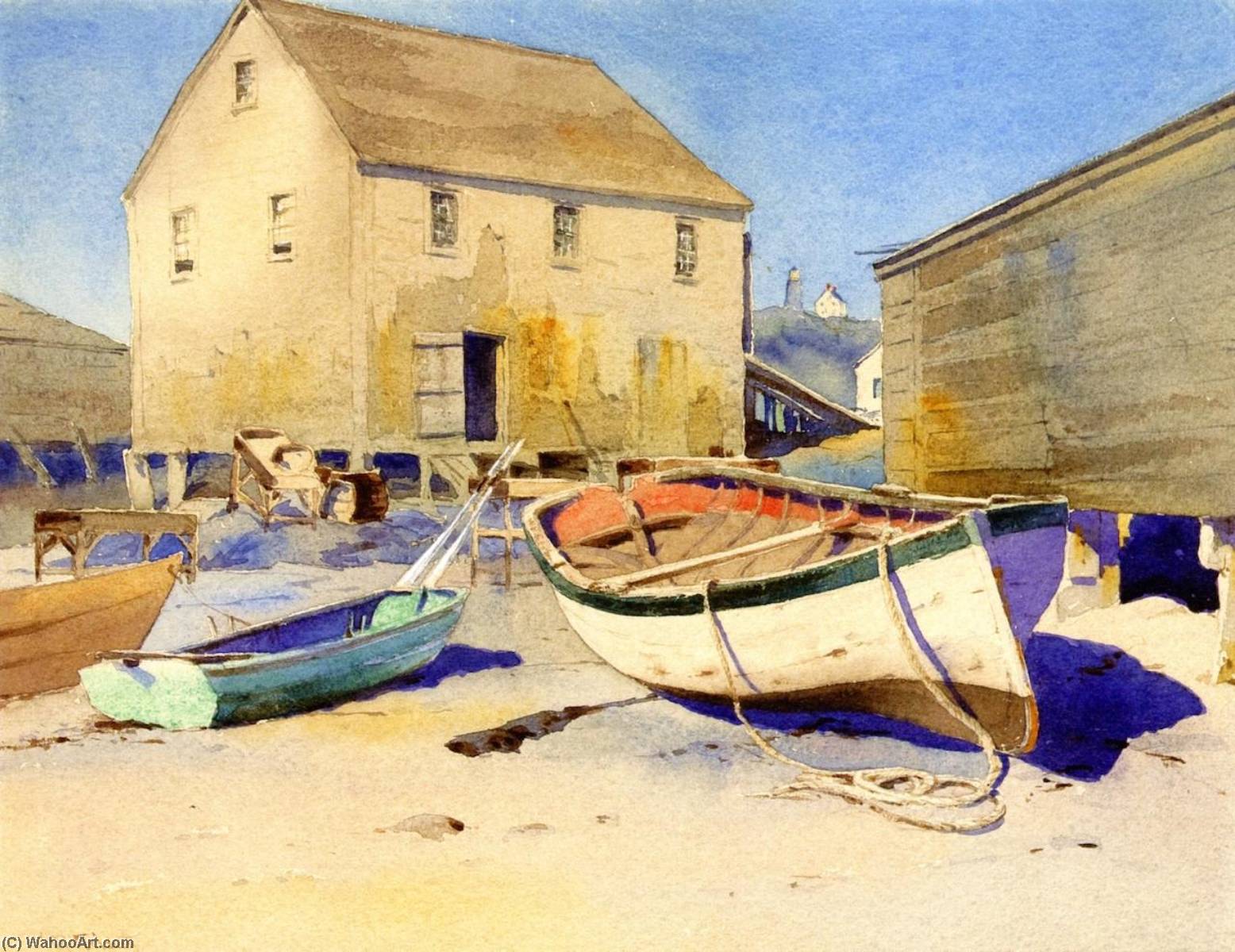
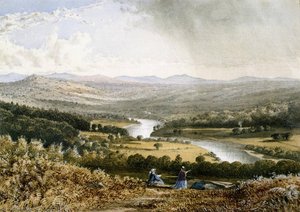
Fish Beach, Monhegan Island
 Read More
Hand Made Oil Reproduction
Hand-painted oil on canvas in your size and frame, made to order by our artists. ( Buy Print Buy Image)




































Pick from our preset sizes that match the artwork's original proportions.

You may enter your own dimensions to fit a specific frame or space. If your selected size does not match the original image's proportions, we will either crop the artwork or extend the painting with additional hand-painted elements. A digital mockup will be sent for your approval before production begins.
Please note that the on-screen preview does not reflect the actual cropping or extension. Only the mockup will accurately show the final composition.
While custom sizes are available, we recommend selecting a dimension from the predefined list to preserve the original proportions.
After order, ArtsDot.com team will email client for instructions and provide a mockup preview
Worldwide Delivery () in 3/4 weeks instead of standard 5 weeks. (20 August). No compromise on quality.

Free Worldwide Express Shipping

High-Quality Linen Canvas

Full Shipping Insurance

Customs Tax Refund Guarantee

True Color Matching Guarantee

60-Day Return Policy (Defects Only)

100% Money-Back Guarantee

Bulk Discount Offer
 Glass option is only available in size under 110 CM

Fish Beach, Monhegan Island
Reproduction Medium
Reproduction Size
-


Total Price
$ 263
Related Artworks
Artist Biography
The Visionary Brush of Samuel P. R. Triscott: Chronicler of Biblical Narrative
Samuel P. R. Triscott (1846-1925) remains a compelling, yet often overlooked figure in the landscape of 19th and early 20th-century religious art. While not widely celebrated during his lifetime as some of his contemporaries, Triscott’s dedication to depicting scenes from the Old Testament offers a unique window into Victorian interpretations of scripture and a fascinating study in narrative painting. His work isn't characterized by flamboyant technique or groundbreaking stylistic innovation; rather, it is defined by a profound reverence for the biblical text and a commitment to bringing its stories to life with meticulous detail and emotional sincerity. Born in 1846, Triscott’s artistic journey unfolded during a period of heightened religious fervor and growing interest in historical accuracy – influences that deeply shaped his oeuvre. Though biographical details surrounding his early life are scarce, it is evident he possessed a strong theological grounding which permeated every canvas. He wasn't merely illustrating stories; he was attempting to visually embody the spiritual weight and moral lessons contained within them.A Life Dedicated to Sacred History
The available records suggest Triscott dedicated his career almost exclusively to biblical subjects, a testament to his unwavering faith and artistic purpose. He eschewed the popular portraiture or landscape painting of his time, choosing instead to focus on the dramatic episodes and pivotal characters of the Old Testament. This singular dedication speaks volumes about his personal convictions and his desire to serve as a visual interpreter of scripture for a broad audience. While he wasn’t associated with any particular art school or movement, it's plausible that Triscott benefited from the widespread availability of engravings and reproductions of works by earlier masters like Rembrandt and Rubens – artists who also excelled in dramatic religious scenes. However, his style is distinctly his own, marked by a restrained palette, careful attention to costume and setting, and a focus on conveying psychological depth within his figures. He appears to have worked primarily as an independent artist, creating paintings for private collectors and likely commissioned works for churches or religious institutions. The lack of extensive documentation adds to the mystique surrounding Triscott, making each discovered work all the more valuable as a glimpse into his artistic process and worldview.Themes and Techniques: Bringing Scripture to Canvas
Triscott’s paintings are characterized by their focus on key moments of transition and divine intervention within the Old Testament narrative. He frequently depicted scenes involving Samuel, the prophet, judge, and kingmaker – a subject that clearly held particular significance for him. Paintings such as his depictions of Samuel anointing David, or Samuel rebuking Saul, showcase his ability to capture both the grandeur and intimacy of these biblical events. His compositions are typically balanced and symmetrical, reflecting a sense of order and divine purpose. He employed a realistic style, striving for accuracy in depicting clothing, architecture, and landscapes – often drawing inspiration from archaeological findings and historical research available at the time. The use of light and shadow is particularly noteworthy, creating dramatic effects that emphasize the emotional intensity of each scene. Triscott’s color palette tends to be muted, dominated by earth tones and rich reds and blues, which contribute to the solemn and reverent atmosphere of his work. He wasn't interested in flashy displays of virtuosity; instead, he prioritized clarity of narrative and emotional resonance. His figures are often portrayed with a sense of quiet dignity and inner strength, reflecting their roles as instruments of God’s will.Historical Significance and Legacy
While Triscott may not be a household name, his work offers valuable insights into the Victorian era's engagement with biblical history and religious art. His paintings reflect the prevailing theological concerns of the time – an emphasis on moral instruction, the importance of prophecy, and the divine origins of kingship. They also demonstrate a growing interest in historical accuracy and archaeological research, as artists sought to create more realistic and believable depictions of biblical events.- Triscott’s work provides a visual counterpoint to the more sensational or romanticized religious paintings of his era.
- His dedication to depicting scenes from the Old Testament helps to illuminate the cultural and spiritual values of Victorian society.
- The meticulous detail and emotional sincerity of his paintings offer a unique perspective on the biblical narrative.
samuel p. r triscott
1846 - 1925
Quick Facts
- Artists Or Movements Influenced By This Artist: ['']
- Artists Who Influenced This Artist: ['']
- Date Of Birth: 1846
- Date Of Death: 1925
- Full Name: Samuel P. R Triscott
- Notable Artworks: ['']