 Preview
 Send
Send Share
Share
 Details

 Download
 Similars
 X-Ray
X-Ray Diaporama
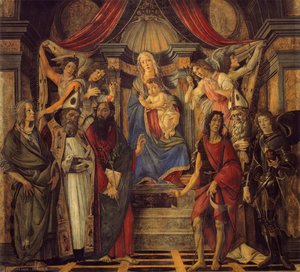
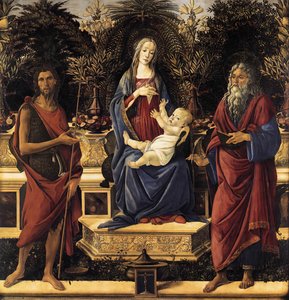
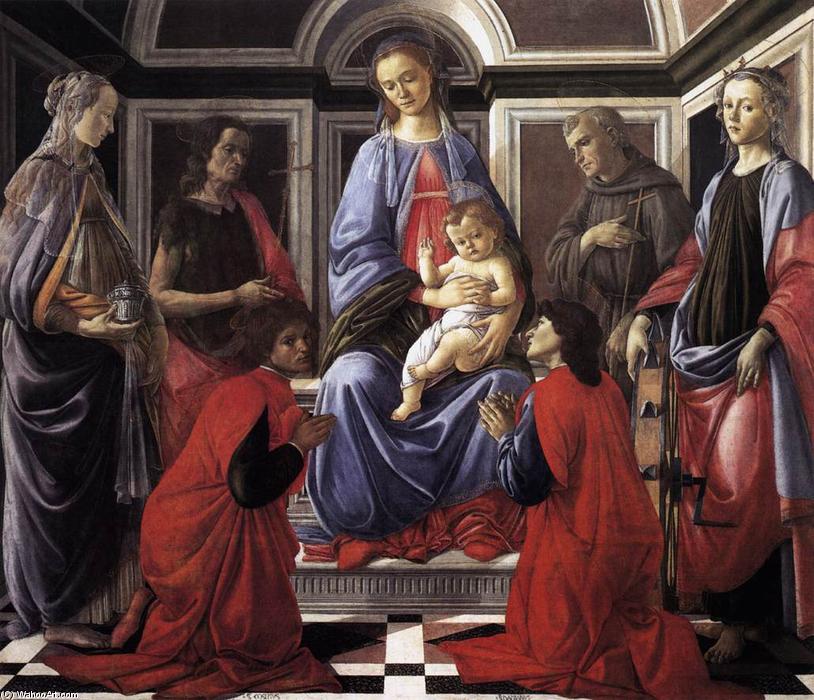
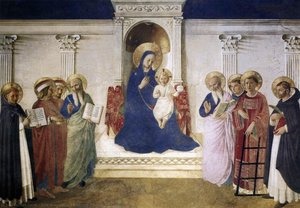
Madonna and Child with Six Saints (Sant'Ambrogio Altarpiece)
 Acrylic On Canvas
- WallArt
- Early Renaissance
 1470
1470- Renaissance
 170.0 x 194.0 cm
 Galleria degli Uffizi
 Read More
Giclée / Art Print
Museum-quality giclée or canvas print with fast production and flexible finish options. ( Buy Hand Made Painting Buy Image)




P118B $10

P118H $10

P118W $10

P438Z $10

P508JH $12

P508YH $12

P805H $10

P805Z $10

P919BZ $10

P919G $10

P919XJ $10

P959ZH $10

P968JZ $12

W106C $8

W218G $10

W218JH $8

W218Y $10

W307PJ $10

W316G $10

W316PJ $8

W316Y $10

W398PJ $8

W4111J $10

W500HY $15

W500JH $15

W692G $12

W849H $8

W940BG $15

W953PJ $8




Pick from our preset sizes that match the artwork's original proportions.

You may enter your own dimensions to fit a specific frame or space. If your selected size does not match the original image's proportions, we will either crop the artwork or extend the image with a mirrored or solid-fill edge. A digital mockup will be sent for your approval before production begins.
Please note that the on-screen preview does not reflect the actual cropping or extension. Only the mockup will accurately show the final composition.
While custom sizes are available, we recommend selecting a dimension from the predefined list to preserve the original proportions.
Worldwide Delivery () in 2 weeks instead of standard 4/5 weeks. (16 August)

Free Worldwide Express Shipping

High-Quality Linen Canvas

Full Shipping Insurance

Customs Tax Refund Guarantee

True Color Matching Guarantee

60-Day Return Policy (Defects Only)

100% Money-Back Guarantee

Bulk Discount Offer
 Glass option is only available in size under 110 CM

Madonna and Child with Six Saints (Sant'Ambrogio Altarpiece)
Giclée / Art Print
Reproduction Size
-


Total Price
$ 63
Collectible Description
Madonna and Child with Six Saints (Sant'Ambrogio Altarpiece): A Renaissance Vision of Faith
The Madonna and Child with Six Saints, also known as Sant’Ambrogio Altarpiece, stands as one of Sandro Botticelli’s most celebrated works—a testament to his mastery of tempera paint on a wooden panel and an emblem of the burgeoning Early Renaissance aesthetic. Completed around 1470, this masterpiece currently resides within the hallowed halls of the Galleria degli Uffizi in Florence, Italy, inviting viewers to immerse themselves in its serene beauty and profound symbolism.Composition and Symbolism: Harmony Within Sacred Space
Botticelli’s genius lies in his ability to orchestrate a complex visual narrative into an exquisitely balanced composition. At its core is Mary, seated gracefully on a chair—a deliberate choice reflecting the Virgin’s dignity and importance within Christian iconography. Beside her rests Jesus Christ Child, held tenderly close to her breast, embodying divine innocence and compassion. Surrounding them are six saints—each meticulously positioned around Mary and Jesus—representing figures revered for their piety and virtue. These saints include Saint John the Baptist, identifiable by his flowing robes and scroll bearing scripture; Saint Francis of Assisi, depicted in monastic garb with a crucifix; Saint Catherine of Alexandria, adorned with a laurel wreath symbolizing wisdom; Saint Jerome, shown reading scripture; Saint Eustache—a saint known for his devotion to Mary—and Saint Lucius—who is portrayed holding a chalice. The inclusion of these saints underscores the multifaceted nature of Christian faith and highlights the interconnectedness of spiritual figures. Notably, the dining table with two cups serves as an element of domesticity within this sacred setting, subtly reminding us of the human dimension of divine grace. One saint holds an instrument—possibly a lute or harp—adding to the richness of the visual tapestry and hinting at musical contemplation.Artistic Significance: Tempera’s Delicate Brilliance
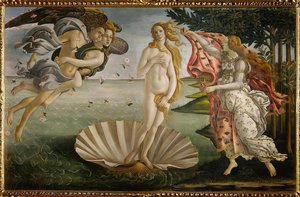
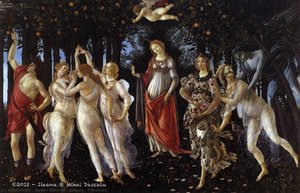
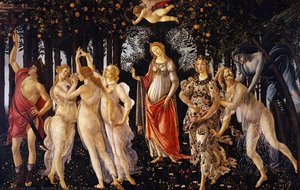
Botticelli's skillful use of tempera paint on a wooden panel is itself remarkable, demonstrating his command of technique and contributing significantly to the painting’s luminous quality. Tempera—a mixture of pigment bound with egg yolk—allowed for unparalleled detail and vibrancy, capturing the subtle nuances of color and texture that characterize Botticelli’s style. Measuring 170 x 194 cm, Sant'Ambrogio Altarpiece exemplifies the stylistic trends of its time—characterized by linear grace and a harmonious blend of Gothic and Renaissance influences. It represents Botticelli’s early artistic development, showcasing his ability to create balanced compositions and imbue them with spiritual depth. The painting aligns perfectly with Botticelli’s broader oeuvre, which includes iconic works like “The Birth of Venus” and “Primavera,” cementing his place as a pivotal figure in the Renaissance canon.Historical Context: Rediscovery and Recognition
Botticelli's reputation endured a period of obscurity until the late 19th century when he was revived by the Pre-Raphaelites—a movement dedicated to reviving artistic ideals preceding Raphael’s influence. This rediscovery sparked renewed scholarly interest in Botticelli’s work, prompting a reassessment of its aesthetic merit and historical significance. Today, Sant'Ambrogio Altarpiece is universally recognized as an emblem of Florentine Renaissance art—inspiring admiration for its beauty and stimulating ongoing research into its artistic innovations. Its presence within the Galleria degli Uffizi ensures that future generations can appreciate Botticelli’s contribution to Western artistic heritage.Relevance at ArtsDot.com: Bringing Renaissance Beauty Home
At ArtsDot.com, we offer exceptional reproductions of Sandro Botticelli's masterpieces—including Sant’Ambrogio Altarpiece—crafted by skilled artisans who meticulously recreate these iconic artworks to preserve their original splendor. Explore our collection and discover the transformative power of owning a piece of Renaissance history! For more information about Sandro Botticelli and his artistic legacy, visit Wikipedia or browse his extensive catalog. Experience the enduring beauty of Botticelli’s art through ArtsDot.com reproductions—a celebration of Florentine artistic excellence!Related Artworks

Artist Biography
Early Life and Florentine Beginnings
Sandro Botticelli, born Alessandro di Mariano di Vanni Filipepi around 1445 in Florence, Italy, emerged during a period of extraordinary cultural ferment—the Early Renaissance. His life was deeply rooted in the city’s artistic and social fabric; he never strayed far from his neighborhood of Ognissanti, a testament to both familial ties and the vibrant creative ecosystem that nurtured him. His father, Mariano Filipepi, initially a goldsmith and later a tanner, provided an early exposure to craftsmanship and meticulous detail—qualities that would profoundly influence Botticelli’s artistic approach. Though initial reports suggested training as a goldsmith, he soon found his calling under the tutelage of Fra Filippo Lippi, a leading painter of the time. This apprenticeship proved pivotal, immersing him in the techniques and aesthetics of the Florentine school while also connecting him to influential patrons like the Medici family.
A Style Defined by Grace and Myth
Botticelli’s artistic style is instantly recognizable for its lyrical beauty, characterized by elegant linearity, flowing contours, and a delicate use of color. He masterfully bridged the gap between the late Gothic traditions and the burgeoning Renaissance aesthetic, absorbing influences from masters like Fra Angelico and Paolo Uccello yet forging a uniquely personal vision. His figures possess an ethereal quality, often depicted with elongated proportions and graceful poses that convey both serenity and a subtle melancholy. A defining feature of his work is the frequent incorporation of classical mythology—a reflection of the humanist interests sweeping through Renaissance Florence. He didn’t merely illustrate these ancient tales; he imbued them with new layers of meaning, exploring themes of love, beauty, and spiritual longing.
Botticelli's technique was innovative for its time. He often employed a silverpoint drawing method underpainting his canvases, contributing to the luminosity and delicate detail seen in his finished works. His use of tempera paint allowed for precise rendering and vibrant colors, while his later experiments with oil paints broadened his expressive possibilities.
Iconic Masterpieces and Artistic Development
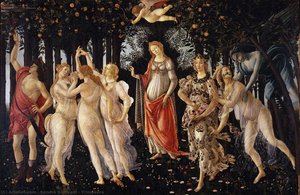
Botticelli’s legacy rests upon a handful of iconic paintings that continue to captivate audiences centuries later. The Birth of Venus, completed around 1486, stands as perhaps his most celebrated work—an allegorical depiction of the goddess emerging from a seashell, embodying Renaissance ideals of beauty and harmony. Its graceful composition, delicate color palette, and evocative symbolism have made it an enduring symbol of the era. Equally renowned is Primavera, created around 1482, a complex and enigmatic painting celebrating spring and love, populated with symbolic figures drawn from classical mythology. These works showcase Botticelli’s mastery of composition, his ability to create atmospheric depth, and his profound understanding of human emotion.
His artistic journey unfolded in distinct phases. The early 1470s saw him focusing on religious subjects, honing his technical skills and establishing a reputation for skillful execution. The 1480s marked the peak of his creative powers, with the creation of his most famous mythological paintings. However, the late 1490s witnessed a shift in his style, influenced by the fervent preaching of Girolamo Savonarola—a Dominican friar who condemned what he saw as the decadence and moral corruption of Florence. This period resulted in more austere and emotionally charged works, reflecting a growing spiritual intensity.
Legacy and Rediscovery
Following his death in 1510, Botticelli’s reputation gradually faded into obscurity. For nearly three centuries, his work was largely forgotten, overshadowed by the achievements of High Renaissance masters like Leonardo da Vinci and Michelangelo. However, a remarkable rediscovery occurred in the late 19th century with the rise of the Pre-Raphaelite Brotherhood—a group of English artists who rejected academic conventions and sought inspiration in the art of the early Italian Renaissance. They were captivated by Botticelli’s linear grace, vibrant colors, and poetic sensibility, recognizing him as a kindred spirit.
This renewed appreciation sparked a widespread reassessment of his work, establishing him as one of the most important artists of the Early Renaissance. Today, Botticelli is celebrated for his unique artistic vision, his masterful technique, and his enduring ability to evoke beauty, emotion, and spiritual contemplation. His influence can be seen in subsequent generations of artists who have sought to capture the same sense of grace and elegance in their own work. He remains a symbol of Florentine artistic achievement and a testament to the power of Renaissance humanism.
Major Works
- The Birth of Venus (c. 1486): An iconic depiction embodying Renaissance ideals of beauty.
- Primavera (c. 1482): A complex allegorical painting celebrating spring and love.
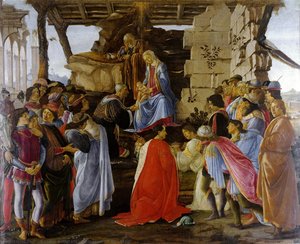
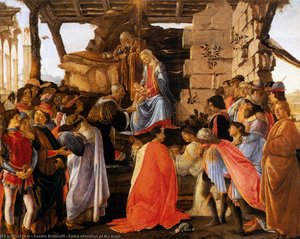
- Adoration of the Magi (1475-1476): Demonstrates early mastery of composition and perspective.
- Mystic Nativity (1501): Reflects a shift towards spiritual themes in his later career.
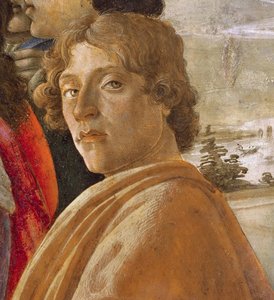
Sandro Botticelli
1445 - 1510 , Italy
Quick Facts
- Artistic Movement Or Style: Early Renaissance
- Artists Or Movements Influenced By This Artist: ['Pre-Raphaelites']
- Artists Who Influenced This Artist:
- Fra Angelico
- Paolo Uccello
- Date Of Birth: c. 1445
- Date Of Death: 1510
- Full Name: Alessandro di Mariano Filipepi
- Nationality: Italian
- Notable Artworks:
- Birth of Venus
- Primavera
- Adoration of the Magi
- Mystic Nativity
- Place Of Birth: Florence, Italy
Related Articles
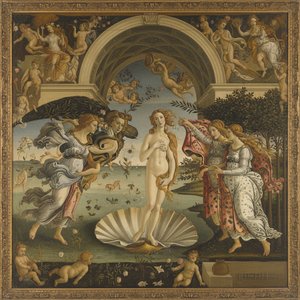
Botticelli's Masterpieces: Explore 25 Iconic Renaissance Paintings | ArtsDot
Journey through Botticelli's world with 25 iconic Renaissance paintings. Explore 'Birth of Venus,' 'Primavera,' and more—stories, techniques & timeless beauty. Find museum-quality art reproductions for your home at ArtsDot.com.
Uffizi's 25 Masterpieces: Renaissance Art & Timeless Decor Inspiration
Journey through the Uffizi Gallery's 25 most iconic Renaissance artworks! Explore Botticelli, Leonardo da Vinci & Michelangelo’s masterpieces. Find museum-quality art reproductions and curated decor ideas to bring timeless Italian beauty into your home. Discover all masterpieces on ArtsDot.com
Early Renaissance Masters: 10 Paintings That Changed Art History |
Journey through the Early Renaissance! Explore 10 iconic paintings by Botticelli, Leonardo da Vinci & Michelangelo. Discover their stories, techniques & lasting impact. Find museum-quality art reproductions and elevate your home decor with .
Raphael's Masterpieces: 25 Iconic Paintings & Renaissance Art for Your Home
Explore 25 breathtaking Raphael paintings! Journey through the Italian Renaissance with masterpieces like 'School of Athens' & iconic Madonnas. Find museum-quality art reproductions and elevate your home decor on ArtsDot.com.

James Sant: Capturing Victorian Childhood & the Evolving Landscape of British Genre Painting
Explore the life & art of James Sant (1820-1916), renowned Victorian portraitist to Queen Victoria. Discover his captivating depictions of childhood, landscapes, and aristocratic society. Learn about his legacy & find fine art reproductions.