

 Preview
 Send
Send Share
Share
 Details

 Download
 Similars
 X-Ray
X-Ray Diaporama
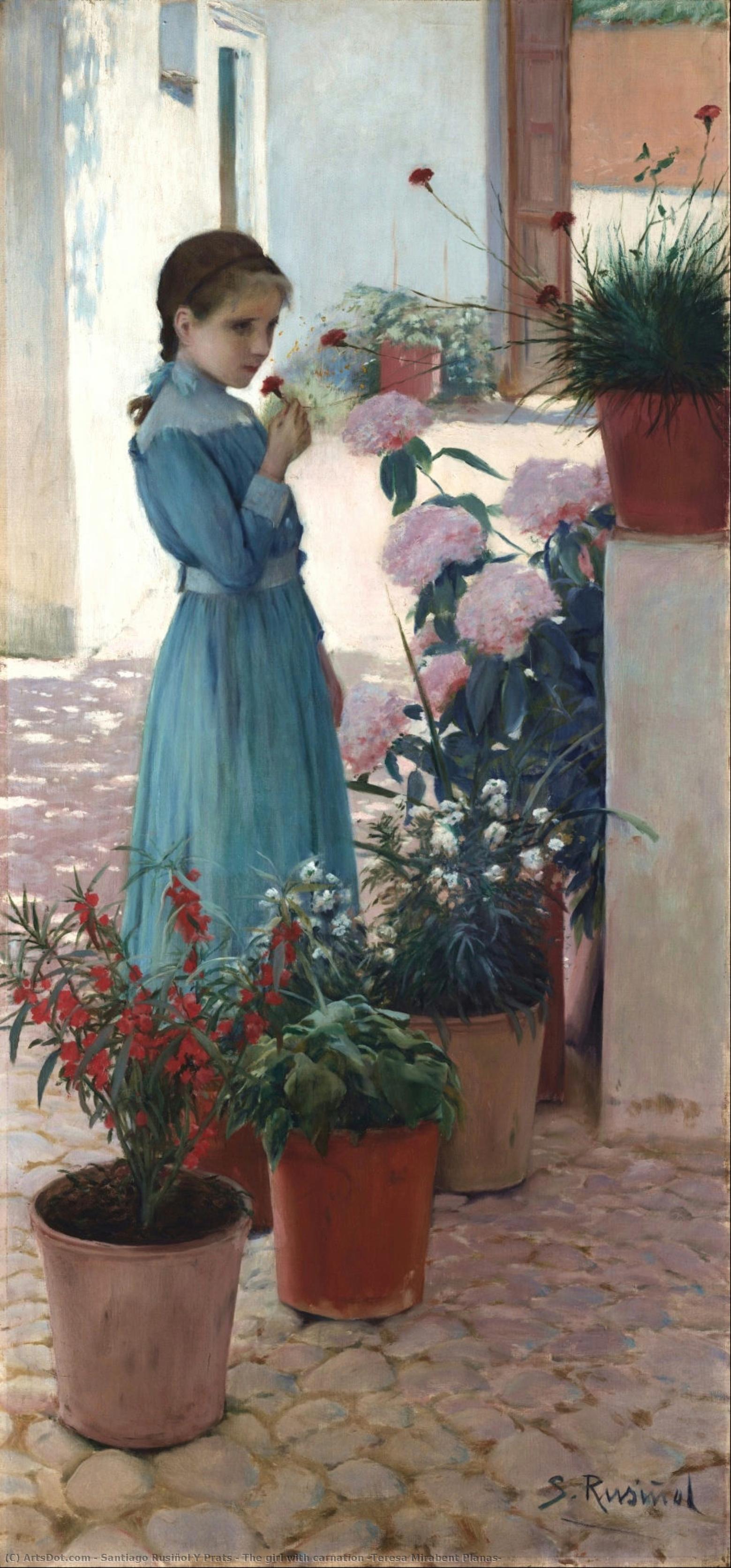
The girl with carnation (Teresa Mirabent Planas)
 Oil On Canvas
- WallArt
- Catalan Modernisme
 1893
1893- 19th Century
 153.0 x 71.0 cm
 Cau Ferrat Museum
 Read More
Purchase a high-resolution, enhanced digital image, far superior to the online preview.
Each file is meticulously prepared by our in-house specialists using advanced tools and expert manual retouching. We ensure every image has exceptional clarity, precise color accuracy, and fine detail.
The final file is delivered via email within 72 hours, optimized for immediate use in professional, editorial, and print environments. This is the same quality trusted by top-tier design studios, publishers, and galleries.
Digital Image
Download a high-resolution file for personal display, printing, and creative projects. ( Buy Print Buy Hand Made Painting)
Included in Every Digital Image Order
Expert Digital Delivery, Guaranteed
When you choose ArtsDot.com, you're not just getting an image - you're receiving a professionally enhanced digital artwork, crafted with precision and backed by a satisfaction guarantee. Here's everything that comes with your order, automatically:

Fast Email Delivery
Your high-resolution digital image file will be emailed to you within 72 hours of ordering - ready for immediate use.

AI-Enhanced Digital File
Your artwork is professionally optimized using advanced AI tools and manual editing, ensuring maximum detail, clarity, and color accuracy.

Free Lifetime Re-Delivery
Accidentally deleted or lost your file? No worries - we'll resend it to you anytime, free of charge.

No Import Fees - Ever
Enjoy your artwork instantly with zero customs, duties, or delivery fees - digital downloads are always tax-free.

Color Accuracy Guarantee
We ensure your digital image reflects the original colors as closely as possible using professional tools and color management.

60-Day Satisfaction Guarantee
If you're not satisfied with your digital image, we'll revise it or refund 100% within 60 days - no questions asked.

100% Money-Back Guarantee
Not satisfied? Get a full refund within 60 days of receiving your digital file - no questions asked.

Bulk Order Discounts
Buy 3 images, save 10% - Buy 5, save 15% - Buy 10+, save 20%. Great for creative projects, galleries, and agencies.
Santiago Rusiñol’s ‘The Girl with Carnation’: A Portrait of Catalan Modernisme
The girl with carnation, painted in 1893 by Santiago Rusiñol Prats, offers a poignant glimpse into the heart of Catalan Modernisme – a movement that sought to redefine Spanish art through a deeply rooted connection to regional identity and a profound engagement with natural beauty. This intimate portrait captures a young girl, seemingly lost in contemplation before a collection of potted plants, creating an atmosphere of quiet observation and delicate emotion. Rusiñol’s masterful handling of light and color immediately draws the viewer into this serene scene, hinting at the complexities beneath the surface of youthful innocence.
A Pioneer's Vision: Rusiñol and Catalan Modernisme
Santiago Rusiñol (1861-1931) was a pivotal figure in the Catalan Modernisme movement, born into an industrial family in Barcelona. His artistic journey began with formal training under Tomás Moragas, absorbing the realist traditions of the time. However, Rusiñol quickly distinguished himself through his unique vision – one that blended meticulous observation with a deeply expressive use of color and form. He wasn't simply depicting reality; he was striving to capture the *feeling* of it, particularly as experienced within the Catalan landscape and culture. This painting exemplifies this approach, showcasing a sensitivity to detail rarely seen in contemporary portraiture.
Technique and Composition
Executed in oil on canvas, The girl with carnation demonstrates Rusiñol’s refined technique. The brushwork is loose yet controlled, creating a sense of movement within the composition. Notice the subtle gradations of color used to render the fabrics of the girl's clothing and the textures of the plants – a hallmark of his approach. The placement of the girl in front of the potted plants creates a triangular composition, drawing the eye towards her face and adding depth to the scene. The inclusion of the partially visible figure on the left side subtly suggests a narrative, perhaps hinting at a shared moment or an unspoken connection.
Symbolism and Emotional Resonance
The presence of the carnation itself is significant. Flowers frequently held symbolic meaning in 19th-century art, often representing love, beauty, or remembrance. Here, it adds a layer of romanticism to the portrait, suggesting an appreciation for delicate beauty. The girl’s contemplative gaze and the tranquil setting evoke a sense of introspection and perhaps even melancholy – emotions that were frequently explored by Modernist artists seeking to capture the complexities of human experience. The bench in the background further reinforces this feeling of quiet contemplation, inviting the viewer to share in the girl's moment of stillness.
A Timeless Masterpiece
The girl with carnation is a remarkable example of Santiago Rusiñol’s artistic prowess and his contribution to Catalan Modernisme. This painting transcends mere portraiture; it’s a meditation on beauty, youth, and the quiet moments that shape our lives. A hand-painted reproduction offers an unparalleled opportunity to experience the full impact of this evocative artwork in your own space.
Related Artworks
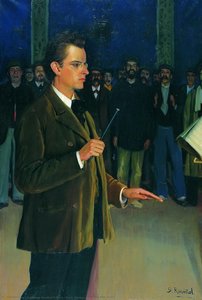
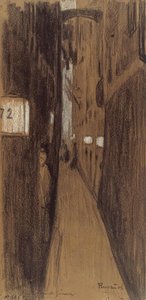
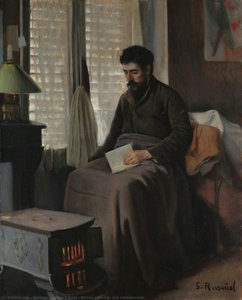
Artist Biography
The Visionary of Catalan Modernisme
Santiago Rusiñol i Prats was far more than a mere painter; he was a polymathic force of nature whose creative spirit breathed life into the Catalan Modernisme movement. Born in Barcelona in 1861 to a prosperous textile industrialist family, Rusiñol possessed a rare duality of means and passion. While his lineage was rooted in the industrious mills of Manlleu, his soul belonged to the ephemeral beauty of the canvas, poetry, and the stage. His early training under Tomás Moragas provided him with a foundation in realism, yet the rigid boundaries of traditional Spanish art could not contain his burgeoning curiosity. This restlessness eventually led him to the bohemian heart of Paris in 1889, a transformative sojourn that would forever alter the trajectory of his brushwork.
In the vibrant, smoke-filled cafes of Montmartre, Rusiñol found himself immersed in a whirlwind of new ideas. Alongside contemporaries like Ramón Casas and Ignacio Zuloaga, he absorbed the light-drenched techniques of Impressionism and the dreamlike, evocative depths of Symbolism. This period was not merely an education in style but a spiritual awakening. He began to move away from strict representation toward a more atmospheric approach, where color and form served to evoke mood rather than just document reality. It was during these formative years that he developed the ability to capture the quiet, often melancholic essence of landscapes and the psychological depth of his subjects, a skill that would later make him a pivotal figure in the European avant-garde.
A Tapestry of Light, Gardens, and Soul
The breadth of Rusiñol’s oeuvre is nothing short of extraordinary, spanning a thousand works that traverse the boundaries of different genres. He was a master of the garden scene, utilizing the aesthetic ideals of Art Nouveau to create tranquil, lush environments that seemed to breathe with life. In works such as Gardens of Aranjuez, one can witness his ability to weave vibrant colors into a peaceful tapestry, inviting the viewer into a sanctuary of stillness. His landscapes often carry a Romantic fervor, where the natural world is imbued with a sense of mystery and profound emotion, reflecting the shifting light of the Mediterranean coast.
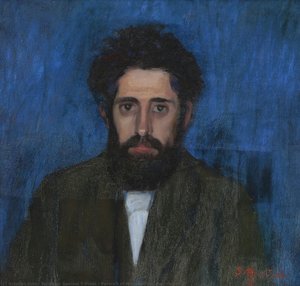
Beyond the landscape, Rusiñol’s portraits stand as enduring testaments to his psychological acuity. He possessed a unique talent for capturing the contemplative moods of his sitters, often imbuing them with a sense of quiet introspection. Whether it is the poignant The Girl with Carnation or the more somber Tirano (Portrait of Salvador Robert), his portraits are studies in human emotion and social nuance. His versatility extended into the realms of literature and theater, as he was equally adept at crafting words as he was at applying pigment, making him a true architect of the cultural renaissance occurring in Catalonia during his lifetime.
Legacy and Historical Significance
The historical importance of Santiago Rusiñol extends far beyond the borders of Spain. He acted as a vital bridge between the traditionalist roots of Spanish art and the radical innovations of the 20th century. His presence in the Parisian art scene and his role as a mentor and collaborator meant that he played an indirect yet profound role in the development of modern masters, most notably influencing the early artistic trajectory of Pablo Picasso. By fostering a spirit of experimentation and cross-pollination between cultures, Rusiñol helped prepare the ground for the seismic shifts of Cubism and beyond.
His commitment to the cultural identity of Catalonia is perhaps best immortalized in his dedication to the Cau Ferrat Museum in Sitges. This museum, which serves as a testament to his passion for collecting and preserving art, remains a sanctuary for the very spirit of Modernisme he helped define. As we look back upon his life—from the industrial roots of his youth to the bohemian heights of his maturity—we see an artist who refused to be confined by a single medium or movement. Rusiñol remains a luminous figure in art history, a painter of light and shadow whose work continues to enchant, haunt, and inspire.
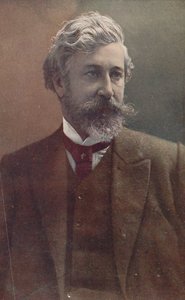
santiago rusiñol prats
1861 - 1931 , Spain
Quick Facts
- Artistic Movement Or Style: Modernisme
- Artists Or Movements Influenced By This Artist: ['Symbolism']
- Artists Who Influenced This Artist:
- Tomás Moragas
- Pablo Picasso
- Date Of Birth: Barcelona, Spain (1861)
- Date Of Death: 1931
- Full Name: Santiago Rusiñol y Prats
- Nationality: Spanish
- Notable Artworks:
- Gardens of Aranjuez
- Rouen
- Fulls de la vida
- Place Of Birth: Barcelona

