

 Preview
 Send
Send Share
Share
 Details

 Download
 Similars
 X-Ray
X-Ray Diaporama
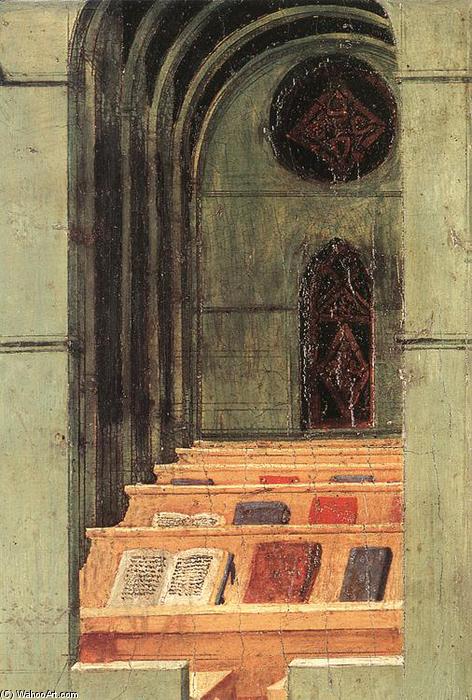
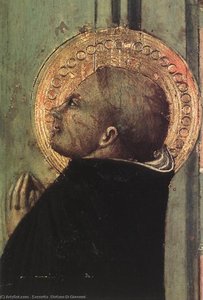
St Thomas Inspired by the Dove of the Holy Ghost (detail)


 Read More
Purchase a high-resolution, enhanced digital image, far superior to the online preview.
Each file is meticulously prepared by our in-house specialists using advanced tools and expert manual retouching. We ensure every image has exceptional clarity, precise color accuracy, and fine detail.
The final file is delivered via email within 72 hours, optimized for immediate use in professional, editorial, and print environments. This is the same quality trusted by top-tier design studios, publishers, and galleries.
Digital Image
Download a high-resolution file for personal display, printing, and creative projects. ( Buy Print Buy Hand Made Painting)
Included in Every Digital Image Order
Expert Digital Delivery, Guaranteed
When you choose ArtsDot.com, you're not just getting an image - you're receiving a professionally enhanced digital artwork, crafted with precision and backed by a satisfaction guarantee. Here's everything that comes with your order, automatically:

Fast Email Delivery
Your high-resolution digital image file will be emailed to you within 72 hours of ordering - ready for immediate use.

AI-Enhanced Digital File
Your artwork is professionally optimized using advanced AI tools and manual editing, ensuring maximum detail, clarity, and color accuracy.

Free Lifetime Re-Delivery
Accidentally deleted or lost your file? No worries - we'll resend it to you anytime, free of charge.

No Import Fees - Ever
Enjoy your artwork instantly with zero customs, duties, or delivery fees - digital downloads are always tax-free.

Color Accuracy Guarantee
We ensure your digital image reflects the original colors as closely as possible using professional tools and color management.

60-Day Satisfaction Guarantee
If you're not satisfied with your digital image, we'll revise it or refund 100% within 60 days - no questions asked.

100% Money-Back Guarantee
Not satisfied? Get a full refund within 60 days of receiving your digital file - no questions asked.

Bulk Order Discounts
Buy 3 images, save 10% - Buy 5, save 15% - Buy 10+, save 20%. Great for creative projects, galleries, and agencies.
A Moment of Reflection Amidst Sacred Geometry: Sassetta’s “St Thomas Inspired by the Dove of the Holy Ghost”
The painting "St Thomas Inspired by the Dove of the Holy Ghost," attributed to Stefano di Giovanni Sassetta (c. 1392-1450), stands as a remarkable testament to the artistic fervor of early Renaissance Siena. Executed around 1423, this masterpiece transcends mere depiction; it embodies a profound spiritual contemplation captured within meticulously crafted Gothic art principles. Examining its details reveals layers of symbolism and technique that continue to fascinate scholars and inspire artists today.The Architectural Setting: Echoes of Cathedral Grandeur
Sassetta’s canvas transports the viewer into an imagined ecclesiastical space—a cathedral interior bathed in diffused light. The architectural elements dominate the composition, immediately establishing a sense of solemn grandeur. Pointed arches ascend towards the vaulted ceiling, mirroring the soaring heights of Gothic cathedrals and symbolizing divine aspiration. Ribbed vaults crisscross the ceiling, creating intricate patterns that reinforce structural integrity while simultaneously conveying an impression of celestial order. Walls adorned with elaborate geometric designs—a prominent coat of arms positioned centrally—further emphasize the sacred context. These architectural motifs weren’t simply decorative; they served as visual representations of theological concepts prevalent during Sassetta's time – specifically, the belief in God’s omnipresence and transcendence.The Books: Vessels of Knowledge and Faith
Foregrounded on a wooden lectern or altar surface are several open books—a deliberate choice that speaks volumes about the painting’s intellectual and spiritual agenda. These texts likely represent religious scriptures, reflecting the humanist preoccupation with classical learning alongside Christian piety characteristic of the period. The positioning of the books suggests an act of scholarly contemplation, inviting viewers to engage in a similar process of reflection and understanding. Sassetta skillfully employs chiaroscuro—the dramatic interplay of light and shadow—to illuminate the pages and highlight their importance within the scene. This technique enhances the sense of depth and realism, drawing attention to the tactile qualities of the books themselves.Style and Technique: Gothic Precision Meets Renaissance Sensitivity
Sassetta’s artistic style blends the rigor of Gothic art with nascent Renaissance sensibilities. The meticulous detailing evident in the architectural elements—the arches, vaults, and heraldic symbol—demonstrates a mastery of Gothic craftsmanship. However, Sassetta introduces subtle nuances that foreshadow the humanist ideals gaining prominence during his lifetime. The muted color palette—dominated by earthy tones—creates an atmosphere of serenity and spirituality, aligning with the contemplative mood conveyed by the scene. Furthermore, Sassetta’s masterful use of perspective contributes to the illusionistic depth of the composition, elevating it beyond a mere representation of space to become a vehicle for conveying spiritual truth.Symbolism: Dove Imagery and Divine Inspiration
The central motif—the dove—immediately evokes biblical symbolism associated with the Holy Spirit—a pivotal figure in Christian theology representing divine grace and illumination. Sassetta’s depiction of the dove is understated yet powerful, subtly integrated into the architectural backdrop. This visual reference underscores the painting's overarching theme: the pursuit of spiritual enlightenment through contemplation and study. The inclusion of the books serves as a tangible reminder of the importance of intellectual inquiry in fostering faith and understanding—a concept that resonated deeply with artists and patrons alike during Sassetta’s era. Ultimately, “St Thomas Inspired by the Dove of the Holy Ghost” transcends its formal elements to offer viewers an experience of profound beauty and contemplation. Sassetta's achievement lies not only in his technical prowess but also in his ability to capture a moment of serene reflection within a sacred space—a testament to the enduring power of art to inspire awe and illuminate the human spirit.Related Artworks

Artist Biography
Lorenzo Ghiberti: The Sculptor of Florentine Light
Born in Pelago, near Florence, in 1378, Lorenzo di Cione Ghiberti’s life was a testament to the burgeoning artistic spirit of Renaissance Italy. His early training as a goldsmith under his father, Bartoluccio, laid the foundation for a career that would ultimately redefine the possibilities of sculpture and profoundly influence generations of artists. More than simply a craftsman, Ghiberti possessed an innate understanding of human form, light, and space—qualities he meticulously honed through relentless experimentation and a deep engagement with classical ideals.
Ghiberti’s early years were marked by both opportunity and challenge. Florence in the late 14th and early 15th centuries was a crucible of artistic innovation, fueled by the patronage of wealthy families like the Medici and the ambition of guilds seeking to enhance their prestige. Ghiberti's apprenticeship within the Silk and Gold Guild provided him with invaluable experience, but it also exposed him to the competitive pressures of the Florentine art market. His relocation to Rimini in 1400, prompted by a devastating plague, offered a crucial period of artistic development, allowing him to study under the renowned sculptor Andrea del Verrocchio—a master whose workshop served as a breeding ground for some of Florence’s most celebrated artists.
The Gates of Paradise: A Revolutionary Vision
Ghiberti's rise to prominence began with his triumph in the 1401 competition to design the north doors of the Baptistery of Florence. Against formidable rivals like Filippo Brunelleschi and Jacopo della Quercia, Ghiberti’s innovative approach—characterized by a masterful manipulation of perspective and an unprecedented naturalism—secured him the coveted commission. These doors, collectively known as the “Gates of Paradise,” represent a watershed moment in Renaissance sculpture. Unlike the predominantly Gothic style prevalent at the time, Ghiberti embraced a more open, airy aesthetic, drawing inspiration from classical models and employing techniques that created a remarkable illusion of depth and volume.
The sheer scale and complexity of the project demanded years of dedicated labor. Ghiberti’s meticulous attention to detail—from the delicate folds of drapery to the subtle expressions on the faces of his figures—is breathtaking. Each panel within the doors depicts scenes from the Old Testament, rendered with a vibrant palette and an almost photographic realism. The use of *chiaroscuro* – the interplay of light and shadow – further enhances the sense of three-dimensionality, imbuing the sculptures with a palpable sense of life.
Beyond the Baptistery: Expanding Horizons
Following his success with the Gates of Paradise, Ghiberti continued to receive prestigious commissions that showcased his versatility and artistic ambition. In 1412, he was entrusted with creating a monumental bronze statue of John the Baptist for the Orsanmichele, a civic monument in Florence. This ambitious undertaking required not only sculptural skill but also architectural expertise, as Ghiberti designed the surrounding niches and oversaw the construction of the entire structure. The statue itself—a powerful depiction of the prophet’s solemnity and spiritual intensity—became an instant icon.
Throughout his career, Ghiberti remained a prolific innovator, constantly pushing the boundaries of sculptural technique. He explored new methods of modeling, casting, and finishing bronze, refining his skills with each project. His work extended beyond monumental sculptures to include stained-glass windows for the Florence Cathedral and intricate relief panels adorning guildhalls and private residences. His influence can be seen in the works of numerous artists who followed him, including Donatello and Masaccio.
Legacy and Influence
Lorenzo Ghiberti’s legacy extends far beyond his individual masterpieces. He fundamentally altered the course of Renaissance sculpture by introducing a new emphasis on naturalism, perspective, and emotional expression. His pioneering use of *chiaroscuro* and his masterful manipulation of space created an unprecedented sense of realism that captivated audiences and inspired generations of artists. Ghiberti’s work stands as a testament to the transformative power of artistic innovation and the enduring beauty of Florentine art.
Ghiberti died in Florence in 1455, leaving behind a body of work that continues to inspire awe and admiration. His sculptures are housed in museums around the world, serving as reminders of his genius and his pivotal role in shaping the artistic landscape of the Renaissance.
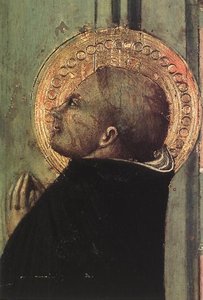
sassetta (stefano di giovanni)
1392 - 1450 , Italy
Quick Facts
- Artistic Movement Or Style: Early Renaissance
- Artists Or Movements Influenced By This Artist: ['Leon Battista Alberti']
- Artists Who Influenced This Artist: ['Alhazen']
- Date Of Birth: 1378
- Date Of Death: 1455
- Full Name: Lorenzo di Cione Ghiberti
- Nationality: Italian
- Notable Artworks:
- Gates of Paradise
- Baptistery Doors
- Place Of Birth: Pelago, Italy

