 Preview
 Send
Send Share
Share
 Details

 Download
 Similars
 X-Ray
X-Ray Diaporama
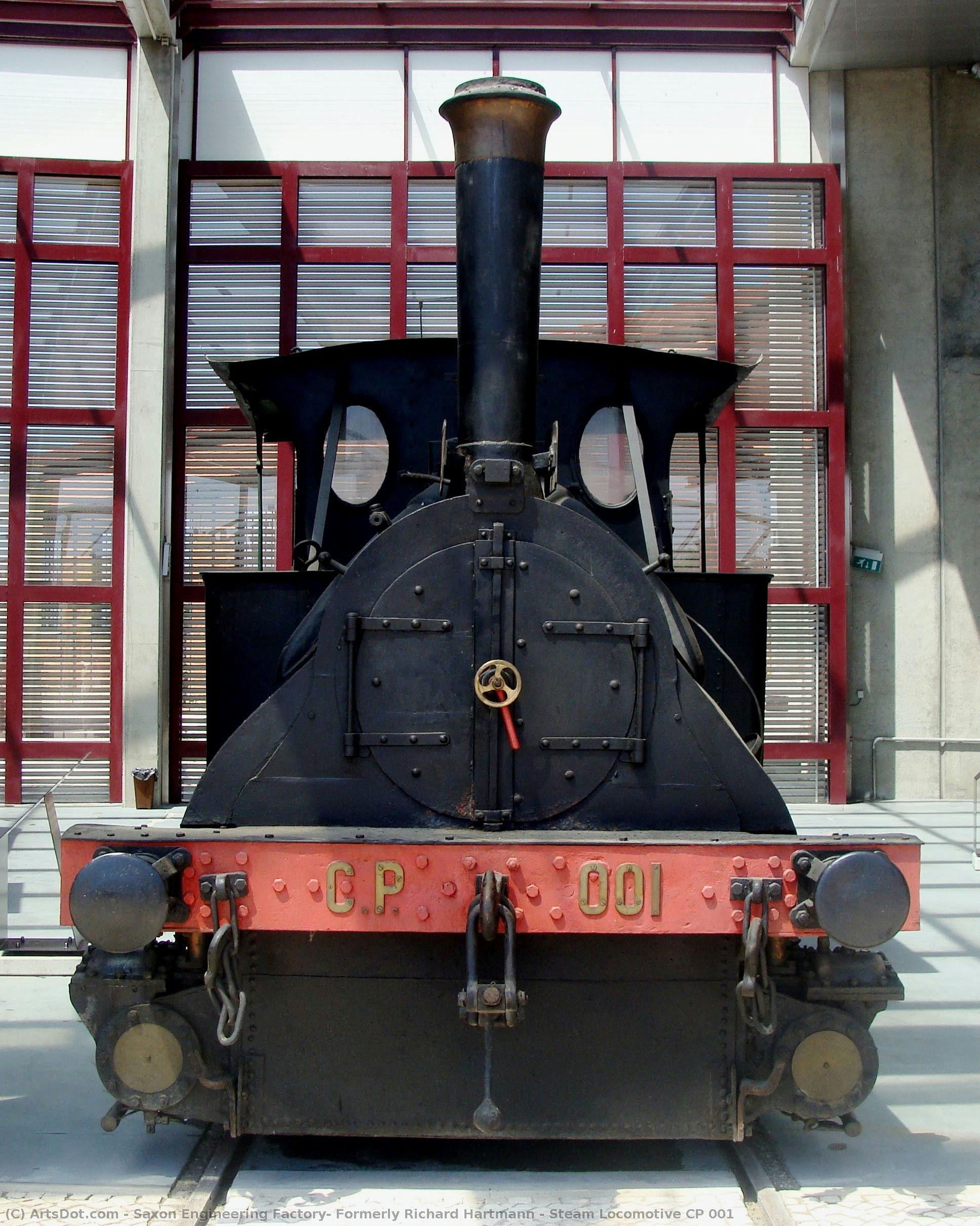
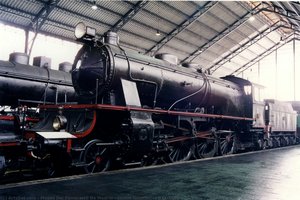
Steam Locomotive CP 001


 Read More
Purchase a high-resolution, enhanced digital image, far superior to the online preview.
Each file is meticulously prepared by our in-house specialists using advanced tools and expert manual retouching. We ensure every image has exceptional clarity, precise color accuracy, and fine detail.
The final file is delivered via email within 72 hours, optimized for immediate use in professional, editorial, and print environments. This is the same quality trusted by top-tier design studios, publishers, and galleries.
Digital Image
Download a high-resolution file for personal display, printing, and creative projects. ( Buy Print Buy Hand Made Painting)
Included in Every Digital Image Order
Expert Digital Delivery, Guaranteed
When you choose ArtsDot.com, you're not just getting an image - you're receiving a professionally enhanced digital artwork, crafted with precision and backed by a satisfaction guarantee. Here's everything that comes with your order, automatically:

Fast Email Delivery
Your high-resolution digital image file will be emailed to you within 72 hours of ordering - ready for immediate use.

AI-Enhanced Digital File
Your artwork is professionally optimized using advanced AI tools and manual editing, ensuring maximum detail, clarity, and color accuracy.

Free Lifetime Re-Delivery
Accidentally deleted or lost your file? No worries - we'll resend it to you anytime, free of charge.

No Import Fees - Ever
Enjoy your artwork instantly with zero customs, duties, or delivery fees - digital downloads are always tax-free.

Color Accuracy Guarantee
We ensure your digital image reflects the original colors as closely as possible using professional tools and color management.

60-Day Satisfaction Guarantee
If you're not satisfied with your digital image, we'll revise it or refund 100% within 60 days - no questions asked.

100% Money-Back Guarantee
Not satisfied? Get a full refund within 60 days of receiving your digital file - no questions asked.

Bulk Order Discounts
Buy 3 images, save 10% - Buy 5, save 15% - Buy 10+, save 20%. Great for creative projects, galleries, and agencies.
Collectible Description
Related Artworks







Artist Biography
From Railway Pioneers to Industrial Titans: The Legacy of Saxon Engineering Factory, Formerly Richard Hartmann
The story of the Saxon Engineering Factory, formerly Richard Hartmann, is more than a chronicle of industrial innovation; it’s a compelling narrative woven into the very fabric of Germany's 19th and 20th-century ascent. Founded in 1839 by Richard Hartmann in Chemnitz, Saxony, the enterprise began as a modest railway workshop, responding to the burgeoning demand for locomotives during Europe’s “railway mania.” Hartmann wasn’t merely building trains; he was constructing the arteries of progress, facilitating trade, connecting communities, and reshaping the economic landscape. His early success stemmed from a commitment to quality and precision engineering – hallmarks that would define the company for generations. The initial focus on locomotive construction quickly expanded to include railway cars, forging a reputation for reliability and durability that secured Hartmann’s position as a leading force in the German rail industry. This period wasn't simply about fulfilling orders; it was about mastering new technologies, refining manufacturing processes, and establishing a skilled workforce – laying the foundation for future diversification.Expansion, Innovation, and the Rise of a Manufacturing Powerhouse
As the railway network matured, Richard Hartmann astutely recognized the need to broaden his company’s scope. The latter half of the 19th century witnessed a remarkable period of expansion, driven by relentless innovation. While locomotives remained central, Hartmann ventured into the production of stationary engines, boilers, and increasingly complex industrial machinery. This diversification wasn't accidental; it was a strategic response to evolving market demands and a testament to the company’s engineering prowess. The factory became a crucible for technological advancement, attracting talented engineers and fostering a culture of experimentation. Crucially, Hartmann embraced steel production, establishing its own steelworks to ensure control over material quality and reduce reliance on external suppliers. This vertical integration proved pivotal, allowing the company to maintain competitive pricing and consistently deliver superior products. The factory’s growth mirrored Germany's own industrial revolution, becoming a symbol of national ambition and technological achievement. Hartmann’s locomotives weren’t just powering trains; they were propelling Germany towards economic dominance.Navigating War, Reconstruction, and the Challenges of the 20th Century
The 20th century presented unprecedented challenges for the Saxon Engineering Factory. The two World Wars demanded a shift in production priorities, with the factory contributing significantly to the German war effort – manufacturing locomotives for military transport, artillery pieces, and other wartime necessities. This period was marked by immense strain on resources and workforce, but also demonstrated the company’s adaptability and resilience. Following both wars, the factory faced the arduous task of reconstruction, grappling with economic instability, political upheaval, and the devastation of infrastructure. The post-war era saw a renewed focus on civilian production, albeit within the constraints of a changing geopolitical landscape. The nationalization of industries in East Germany after World War II profoundly impacted the company, transforming it into a state-owned enterprise known as VEB Lokomotivbau Karl Marx. Despite the limitations imposed by centralized planning, the factory continued to produce locomotives and railway equipment, albeit with reduced autonomy and innovation.Transformation and Legacy in a Unified Germany
The reunification of Germany in 1990 brought about another period of dramatic change for the Saxon Engineering Factory. The transition from a centrally planned economy to a market-based system was fraught with difficulties, requiring significant restructuring and modernization. Following privatization, the company underwent several ownership changes and strategic realignments. Today, while no longer operating under the Hartmann name, its legacy endures through various successor companies specializing in railway technology and industrial engineering within the Chemnitz region. The factory’s historical archives remain a valuable resource for understanding Germany's industrial past, documenting decades of innovation, craftsmanship, and entrepreneurial spirit.- The company played a vital role in establishing Saxony as a major industrial center.
- Hartmann’s commitment to quality engineering set a benchmark for the German railway industry.
- Its ability to adapt to changing market demands ensured its long-term survival through periods of significant upheaval.