Artist Biography
The Pioneering Vision of ScreenCraft Pictures
Founded in 1932, amidst the burgeoning era of sound cinema and the Great Depression, ScreenCraft Pictures emerged as a uniquely influential force in American filmmaking. While not a studio known for glamorous stars or lavish productions in its early years, ScreenCraft carved a niche by specializing in low-budget serials, educational shorts, and industrial films – a pragmatic approach that nonetheless fostered remarkable creativity and technical innovation. The company’s story is less about individual auteurs and more about the collective spirit of resourceful filmmakers adapting to challenging circumstances, ultimately shaping the landscape of visual communication for decades to come. ScreenCraft wasn't born from artistic ambition alone; it was a response to necessity, providing affordable film solutions to businesses, schools, and government agencies at a time when such resources were scarce. This focus on practical application instilled in its early productions a directness and clarity that would become hallmarks of the studio’s style.
Early Productions and the Rise of Industrial Filmmaking
The initial years saw ScreenCraft primarily engaged in producing training films for various industries, from manufacturing to agriculture. These weren't merely dry instructional videos; they were carefully constructed narratives designed to engage workers and improve efficiency. A key innovation was their use of dynamic camera work and editing techniques – previously reserved for feature films – to make complex processes more accessible. The studio quickly gained a reputation for delivering high-quality, cost-effective solutions, attracting clients across the nation. This success allowed ScreenCraft to expand into other areas, including public service announcements and short documentaries highlighting social issues of the time. The influence of the documentary movement, with filmmakers like Pare Lorentz championing socially conscious storytelling, is subtly visible in some of ScreenCraft’s early work. They weren't simply selling a product; they were communicating ideas, educating audiences, and contributing to a broader public discourse.
Serial Adventures and Cultivating a Dedicated Audience
As the studio matured, it ventured into the realm of adventure serials – short episodic films that captivated young audiences in movie theaters. These weren't the big-budget spectacles of rival studios; ScreenCraft’s serials relied on clever plotting, resourceful special effects (often achieved with limited means), and charismatic performers who quickly became fan favorites. Titles like “The Phantom Rider” and “Space Commandos” developed a devoted following, demonstrating that compelling storytelling could thrive even within budgetary constraints. These serials weren’t just entertainment; they instilled values of courage, ingenuity, and teamwork in a generation of viewers. The studio understood the power of cliffhangers and serialized narratives to build anticipation and foster loyalty – techniques that would later become staples of television programming.
Post-War Expansion and Educational Films
The post-World War II era brought new opportunities for ScreenCraft Pictures. With a renewed focus on education, the studio produced a vast library of instructional films for schools across the country. These covered a wide range of subjects, from science and history to civics and health. ScreenCraft’s educational films were notable for their clarity, accuracy, and engaging presentation. They often employed animation, live-action sequences, and expert narration to make learning accessible and enjoyable for students of all ages. The studio also embraced new technologies, experimenting with color film and improved sound recording techniques. This commitment to quality and innovation cemented ScreenCraft’s position as a leading provider of educational resources.
Legacy and Historical Significance
ScreenCraft Pictures may not be a household name like MGM or Warner Bros., but its impact on American visual culture is undeniable. The studio's pioneering work in industrial filmmaking established best practices for communicating complex information effectively, techniques that continue to be used today. Its serial adventures fostered a love of storytelling and adventure in generations of viewers, while its educational films played a vital role in shaping the minds of countless students. More than just a production company, ScreenCraft Pictures was a testament to the power of resourcefulness, creativity, and a commitment to serving diverse audiences. The studio’s legacy lies not in grand spectacle but in the quiet efficiency with which it communicated ideas, educated citizens, and entertained the nation – a remarkable achievement for a company born from necessity and driven by a pioneering vision.


 Preview
 Send
Send Share
Share
 Details

 Download
 Similars
 X-Ray
X-Ray Diaporama
 1933
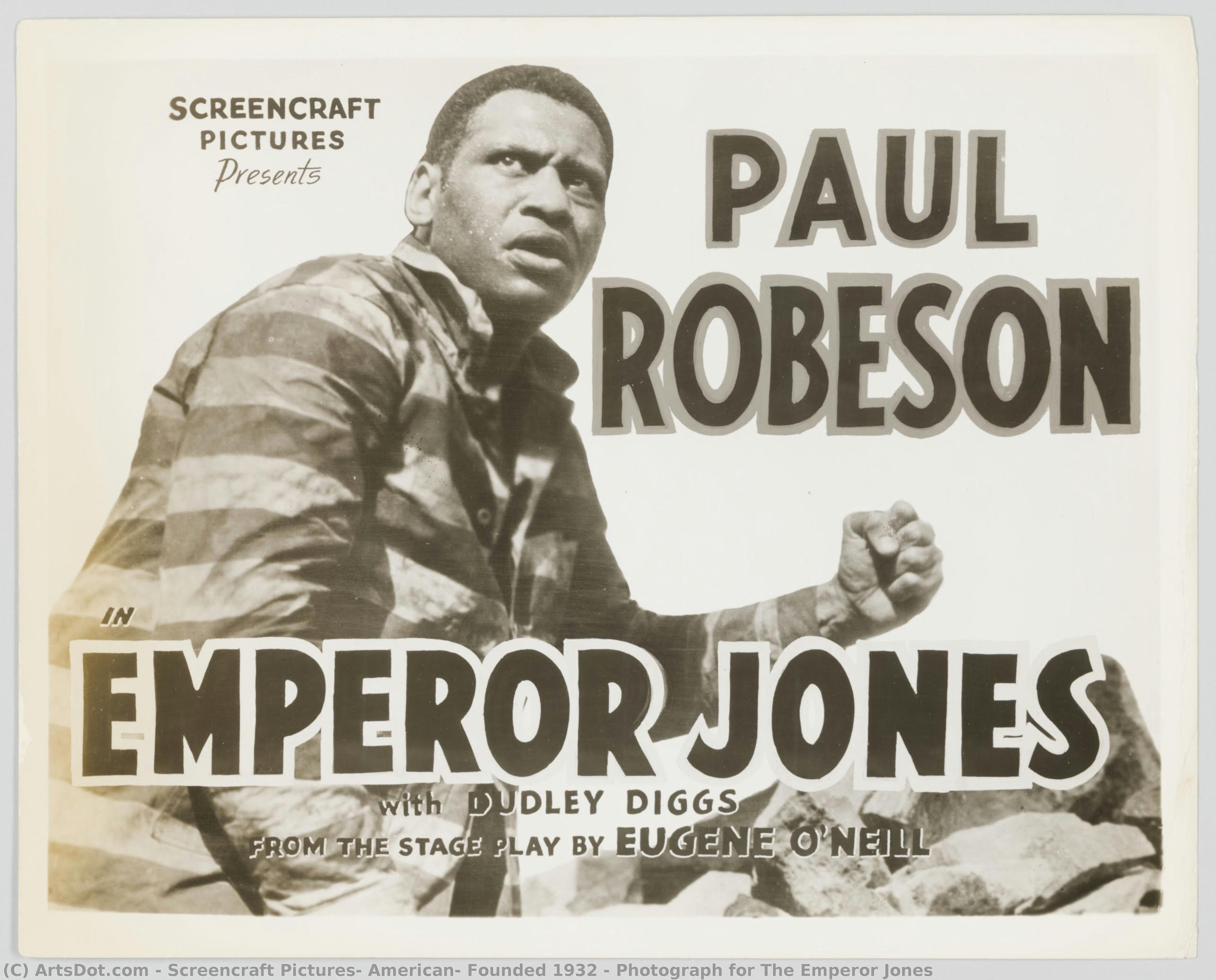
1933 20.0 x 25.0 cm
 National Museum of African American History and Culture
 Read More
 Buy Print





































 Glass option is only available in size under 110 CM