 Preview
 Send
Send Share
Share
 Details

 Download
 Similars
 X-Ray
X-Ray Diaporama
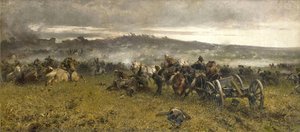
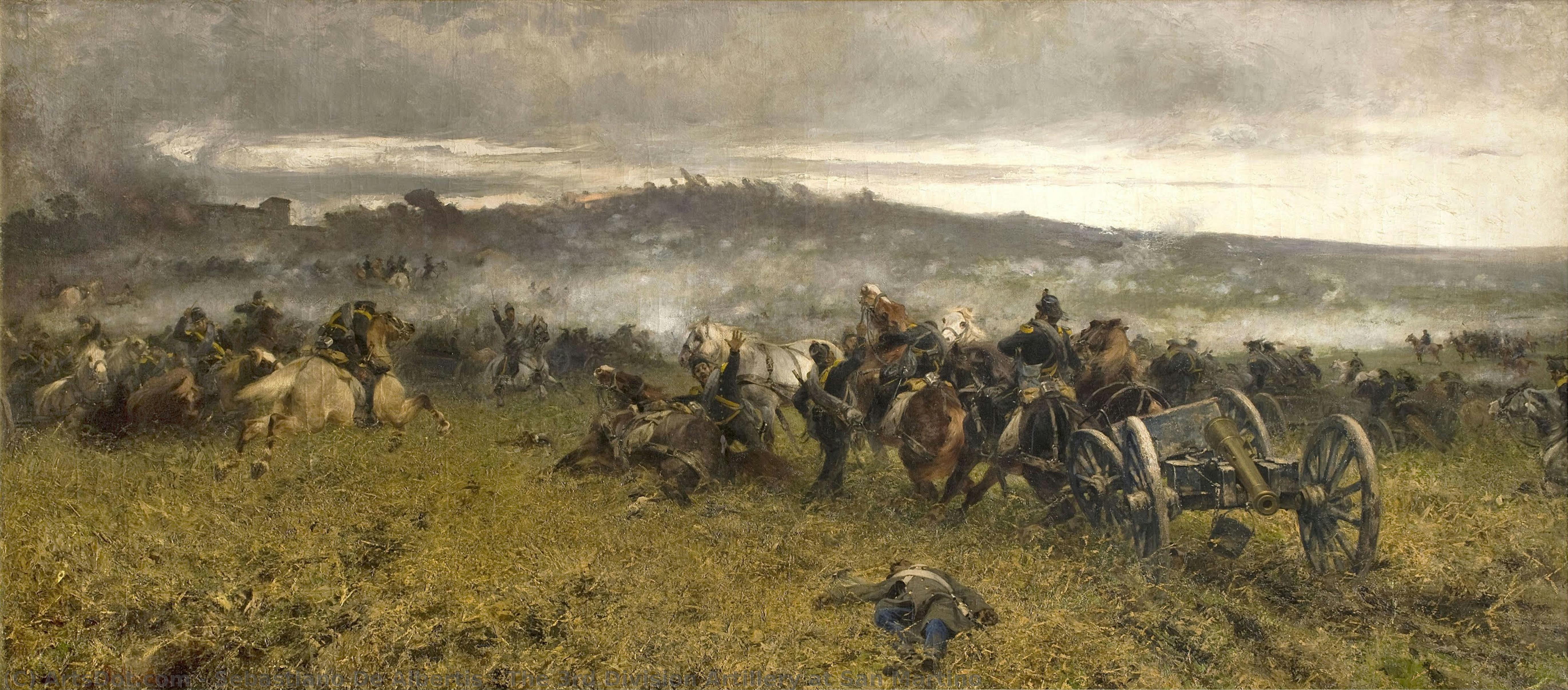
The 3rd Division Artillery at San Martino
 Oil On Canvas
- WallArt
- Verismo
 19th Century
 353.0 x 166.0 cm
 Fondazione Cariplo
 Read More
Hand Made Oil Reproduction
Hand-painted oil on canvas in your size and frame, made to order by our artists. ( Buy Print Buy Image)




P118B $10

P118H $10

P118W $10

P438Z $10

P508JH $12

P508YH $12

P805H $10

P805Z $10

P919BZ $10

P919G $10

P919XJ $10

P959ZH $10

P968JZ $12

W106C $8

W218G $10

W218JH $8

W218Y $10

W307PJ $10

W316G $10

W316PJ $8

W316Y $10

W398PJ $8

W4111J $10

W500HY $15

W500JH $15

W692G $12

W849H $8

W940BG $15

W953PJ $8




Pick from our preset sizes that match the artwork's original proportions.

You may enter your own dimensions to fit a specific frame or space. If your selected size does not match the original image's proportions, we will either crop the artwork or extend the painting with additional hand-painted elements. A digital mockup will be sent for your approval before production begins.
Please note that the on-screen preview does not reflect the actual cropping or extension. Only the mockup will accurately show the final composition.
While custom sizes are available, we recommend selecting a dimension from the predefined list to preserve the original proportions.
After order, ArtsDot.com team will email client for instructions and provide a mockup preview
Worldwide Delivery () in 3/4 weeks instead of standard 5 weeks. (23 August). No compromise on quality.

Free Worldwide Express Shipping

High-Quality Linen Canvas

Full Shipping Insurance

Customs Tax Refund Guarantee

True Color Matching Guarantee

60-Day Return Policy (Defects Only)

100% Money-Back Guarantee

Bulk Discount Offer
 Glass option is only available in size under 110 CM

The 3rd Division Artillery at San Martino
Reproduction Medium
Reproduction Size
-


Total Price
$ 263
Artwork Description
A Cinematic Encounter with History
In the sweeping expanse of Sebastiano De Albertis’s The 3rd Division Artillery at San Martino, the viewer is not merely an observer of history but a participant in its most harrowing moments. This monumental canvas, measuring an imposing 353 x 166 cm, captures the visceral tension of the Battle of San Martino fought on June 24, 1859. De Albertis masterfully positions us behind the front lines, thrust into the thick of the artillery division. The composition is defined by a striking horizontal shroud of dust that bisects the scene, obscuring the direct clash between the Piedmontese and Austrian forces. This clever use of atmospheric perspective creates a profound sense of mystery and dread; while we cannot see the enemy, we feel their presence through the frantic movements of the soldiers and the heavy, choking air of the battlefield.
The painting serves as a poignant tribute to the Risorgimento, the era of Italian unification that defined De Albertis’s life and soul. As a man who lived through the very uprisings he depicted, the artist imbues each brushstroke with an authenticity that transcends mere academic exercise. The scene is a masterclass in historical reportage, where the grandeur of classical history painting begins to yield to the raw, unvarnished reality of contemporary conflict. Through his lens, the heroic struggle for independence is stripped of romanticized glory and replaced with the gritty, sweating reality of war—a style that earned him immense critical acclaim during the 1887 Esposizione Nazionale Artistica di Venezia.
Technique, Realism, and Emotional Resonance
De Albertis employs a technique characterized by intense realism, reminiscent of a battlefield journalist capturing life as it unfolds. The artist’s ability to render textures—the heavy wood of the cannons, the muscular strain of the horses, and the coarse fabric of the uniforms—creates a tactile experience for the viewer. There is a deliberate, tragic weight to the foreground, where a fallen soldier lies amidst the chaos, serving as a somber reminder of the cost of liberty. This juxtaposition of the disciplined movement of the artillery units against the sudden, violent stillness of death creates a powerful emotional friction that pulls at the heartstrings of any onlooker.
For the discerning collector or interior designer, this piece offers more than just historical documentation; it provides a commanding focal point for any sophisticated space. The sheer scale of the work allows it to anchor a room, bringing with it an atmosphere of intellectual depth and dramatic energy. Whether placed in a private library, a formal gallery, or a grand living hall, a high-quality reproduction of this masterpiece invites conversation about courage, sacrifice, and the enduring spirit of national identity. It is an investment in a piece of art that does not just decorate a wall, but tells a story of human resilience that remains as relevant today as it was in the nineteenth century.
Related Artworks


Artist Biography
Sebastiano De Albertis: A Milanese Voice of the Risorgimento
Born in Milan in 1828, during a period of intense political and social transformation within the Austrian Empire, Sebastiano De Albertis’s life and artistic journey were inextricably linked to the burgeoning Italian nationalist movement – the Risorgimento. His early years were shaped by the intellectual and artistic currents of his city, studying at the prestigious Brera Academy of Fine Arts under masters like Roberto Focosi and Domenico & Gerolamo Induno, absorbing both classical techniques and a growing interest in historical narrative. However, De Albertis’s path wasn't solely defined by academic pursuits; he was a man of action, deeply involved as a volunteer in the nationalistic uprisings and wars of independence that gripped Italy throughout the 1850s.
Initially, his participation in Brera exhibitions – showcasing works depicting historical subjects with a strong social conscience – faced some resistance. His commitment to these themes, often reflecting the struggles and aspirations of ordinary Italians, clashed with the more conservative sensibilities prevalent at the time. Yet, it was precisely this engagement that would ultimately define his artistic focus. As from 1855, De Albertis shifted decisively towards the military and patriotic genre, a choice driven by both personal conviction and a desire to contribute visually to the cause of Italian unification. He developed a remarkable ability to depict battle scenes with striking realism and dramatic intensity, creating a vast repertoire of variations on recurring motifs – charging cavalry, desperate defenses, and moments of heroic sacrifice.
The Scapigliatura and Milanese Artistic Circles
Returning to Milan after the tumultuous years of war, De Albertis found himself immersed in a vibrant cultural scene centered around the *Scapigliatura* movement. This loosely defined group, characterized by its rebellious spirit, rejection of academic conventions, and embrace of raw emotion, provided a fertile ground for artistic experimentation. He joined the *Società della Confusion*, later formalized as the *Circolo degli Artisti* in 1875 – alongside figures like Tranquillo Cremona and Eleuterio Pagliano – creating a space where artists could freely exchange ideas and challenge established norms. This environment profoundly influenced his early work, moving beyond purely historical subjects to encompass contemporary life, particularly the thrilling spectacle of horse-racing, which he captured with an engaging blend of realism and anecdotal detail.
The premature death of his only son, Enrico, in 1874 proved a pivotal moment. The tragedy fueled a renewed sense of patriotic fervor within De Albertis, leading to a return to painting that was deeply imbued with social commitment and a poignant exploration of loss and remembrance. This period saw him producing works that resonated powerfully with the collective memory of Italy’s struggles for independence.
A Recognition of Merit and Legacy
De Albertis's dedication and artistic skill were widely recognized throughout his career, earning him numerous official awards and accolades. Notably, he was appointed a member of the committee tasked with establishing Milan’s Museo del Risorgimento in 1884 – a testament to his significant contribution to documenting and celebrating Italy’s unification. His work served as an inspiration for many young artists, including Emilio Gola, who studied under him. His “Scena militare” (1887), now housed at the Museo Cantonale d'Arte in Lugano, exemplifies his mastery of composition and dramatic storytelling.
Beyond his individual achievements, De Albertis’s art played a crucial role in shaping the visual narrative of the Risorgimento. His depictions of military campaigns, heroic figures, and everyday life during this transformative era offer invaluable insights into the social, political, and emotional landscape of 19th-century Italy. His work continues to be studied and appreciated for its historical significance, artistic merit, and enduring power to evoke a sense of national pride and collective memory.
Key Characteristics of De Albertis’s Art
- Genre Focus:** Primarily military and patriotic scenes, with recurring battle depictions.
- Historical Narrative:* Often depicted historical events with a strong social commentary.
- Technique:* Masterful use of composition, color, and detail to convey dramatic intensity and realism.
- Influence:* Heavily influenced by the Scapigliatura movement’s rejection of academic conventions.
- Subject Matter:* Included horse racing scenes, portraits, and depictions of Italian life during the Risorgimento era.
Further Research
For more in-depth information, consider exploring these resources:
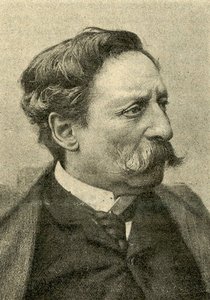
Sebastiano De Albertis
Italy
Quick Facts
- Artistic Movement Or Style: Scapigliatura, Military painting
- Artists Or Movements Influenced By This Artist: ['None specified']
- Artists Who Influenced This Artist:
- Roberto Focosi
- Domenico Induno
- Date Of Birth: 1828-01-14
- Date Of Death: 1897-11-29
- Full Name: Sebastiano De Albertis
- Nationality: Italian
- Notable Artworks:
- Military Scene
- Charge of Pastrengo
- Place Of Birth: Milan, Italy
Related Articles

Romantic Realism's Finest: 10 Masterpieces for Your Home | ArtsDot
Explore 10 defining masterpieces of Romantic Realism! Discover Courbet, Millet & Daumier's powerful paintings—capturing emotion and social realities. Find museum-quality reproductions for your home at ArtsDot.com.

Echoes of Society: Exploring Social Realism's Enduring Legacy in Art
Explore the powerful world of Social Realism art! Discover key artists, masterpieces & its profound social commentary. Expert insights into this influential movement's history and enduring legacy.

The Evocative Embrace of Reality: Exploring Romantic Realism in 19th-Century Painting
Explore the captivating world of Romantic Realism! Discover key artists like Courbet & Millet, masterpieces, and the social context behind this influential art movement. Expert insights for collectors at ArtsDot.

Academic Realism's Finest: 10 Masterpieces for Art Lovers & Home Decor
Explore 10 defining Academic Realism masterpieces by Bouguereau, Gérôme & Cabanel. Discover the stories behind these iconic paintings and bring timeless art into your home with museum-quality reproductions from ArtsDot.com. Explore the full collection online!

The Poetic Truth of Observation: Exploring 19th-Century Realism in Painting
Explore the captivating world of 19th-century Realism! Discover key artists like Courbet & Millet, masterpieces, and the powerful social commentary behind this influential art movement. Expert insights at ArtsDot.