 Preview
 Send
Send Share
Share
 Details

 Download
 Similars
 X-Ray
X-Ray Diaporama
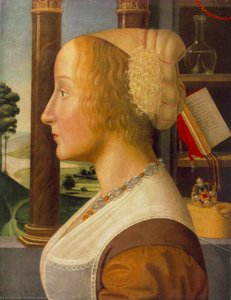
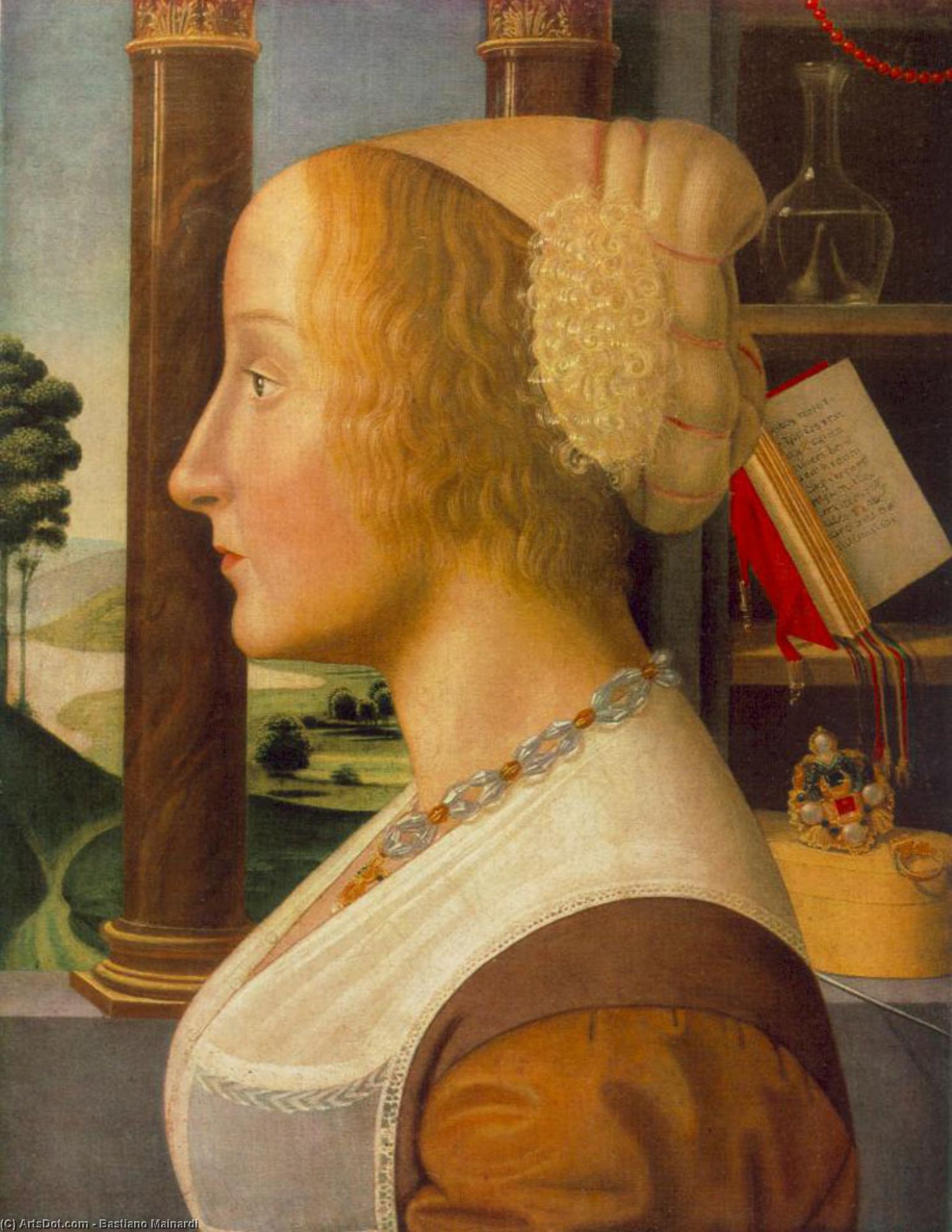
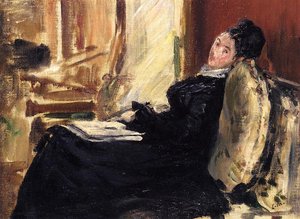
Portrait of a Woman
 Oil
Oil- WallArt
- Renaissance
 Renaissance
 44.0 x 33.0 cm
 Staatliche Museen
 Read More
Giclée / Art Print
Museum-quality giclée or canvas print with fast production and flexible finish options. ( Buy Hand Made Painting Buy Image)




P118B $10

P118H $10

P118W $10

P438Z $10

P508JH $12

P508YH $12

P805H $10

P805Z $10

P919BZ $10

P919G $10

P919XJ $10

P959ZH $10

P968JZ $12

W106C $8

W218G $10

W218JH $8

W218Y $10

W307PJ $10

W316G $10

W316PJ $8

W316Y $10

W398PJ $8

W4111J $10

W500HY $15

W500JH $15

W692G $12

W849H $8

W940BG $15

W953PJ $8




Pick from our preset sizes that match the artwork's original proportions.

You may enter your own dimensions to fit a specific frame or space. If your selected size does not match the original image's proportions, we will either crop the artwork or extend the image with a mirrored or solid-fill edge. A digital mockup will be sent for your approval before production begins.
Please note that the on-screen preview does not reflect the actual cropping or extension. Only the mockup will accurately show the final composition.
While custom sizes are available, we recommend selecting a dimension from the predefined list to preserve the original proportions.
Worldwide Delivery () in 2 weeks instead of standard 4/5 weeks. (28 August)

Free Worldwide Express Shipping

High-Quality Linen Canvas

Full Shipping Insurance

Customs Tax Refund Guarantee

True Color Matching Guarantee

60-Day Return Policy (Defects Only)

100% Money-Back Guarantee

Bulk Discount Offer
 Glass option is only available in size under 110 CM

Portrait of a Woman
Giclée / Art Print
Reproduction Size
-


Total Price
$ 63
A Moment of Quiet Contemplation
In the soft, amber glow of an era defined by intellectual awakening, Sebastiano Mainardi captures a profound moment of stillness in his Portrait of a Woman. This exquisite piece invites the viewer into a private sanctuary, where the boundaries between the internal soul and the external world begin to blur. The subject, a woman of grace and quiet dignity, is depicted with long, flowing brown hair that frames a face caught in a moment of deep introspection. As she gazie toward an unseen window, her expression suggests a mind wandering through distant landscapes or perhaps lost in the very pages of the book she holds. There is a palpable sense of intimacy here, as if we have stumbled upon a secret thought, making this portrait not merely a depiction of a person, but a window into a contemplative state of being.
The composition is a masterclass in the balanced harmony characteristic of the Florentine Renaissance. Mainardi, a pupil of the legendary Domenico Ghirlandaio, utilizes a refined technique that emphasizes clarity and light. The delicate ruffles of her collar and the subtle shimmer of her necklace are rendered with a meticulous attention to texture, drawing the eye to the fine craftsmanship of her attire. Surrounding her is an environment rich with narrative detail; scattered books and carefully placed vessels suggest a life steeped in learning and domestic refinement. This arrangement of objects creates a sense of depth and lived-in reality, where every element—from the shadows cast by the bookshelves to the glint on a glass bottle—contributes to a cohesive, atmospheric whole.
Symbolism and the Renaissance Spirit
Beyond its aesthetic beauty, the painting serves as a poignant symbol of the Renaissance ideal: the marriage of intellect and elegance. The presence of books is far from incidental; they represent the burgeoning humanism of the 15th and 16th centuries, signaling a world where literacy and philosophical inquiry were becoming central to the identity of the cultured individual. The woman’s engagement with literature, paired with her outward gaze, symbolizes the dual nature of the Renaissance spirit—the inward journey of the mind and the outward observation of the natural world. This interplay between the scholarly and the sensory creates a rich tapestry of meaning that continues to resonate with modern viewers.
For the discerning collector or interior designer, this reproduction offers more than just a decorative element; it provides a focal point of historical gravity and emotional depth. The warm, earthy palette and the soft, diffused lighting make it an ideal centerpiece for spaces designed for reflection, such as a private library, a study, or a sophisticated sitting room. To hang this work is to invite a sense of timelessness into a contemporary setting, bridging the gap between the storied past of San Gimignano and the modern pursuit of beauty and tranquility. It is a piece that does not merely occupy space but enriches it, offering a silent, beautiful dialogue with all who encounter it.
Related Artworks

Artist Biography
The Florentine Legacy of Sebastiano Mainardi
In the golden era of the Italian Renaissance, where the light of humanism began to illuminate the shadows of the Middle Ages, Sebastiano Mainardi emerged as a vital, though often understated, voice within the Florentine school. Born in the picturesque hilltop town of San Gimignano around 1460, Mainardi’s artistic journey was deeply rooted in the fertile soil of Tuscany. While history frequently shines its brightest spotlight on the titans of the era, it is through the meticulous work of artists like Mainardi that we truly grasp the cohesive texture of the Florentine Renaissance. His life and career were inextricably linked to the great masters of his time, most notably Domenico Ghirlandaio, whose influence acted as the foundational pillar for Mainardi’s developing style.
The apprenticeship of Mainardi under Ghirlandaio was more than a mere period of training; it was an immersion into a sophisticated visual language characterized by clarity, anatomical precision, and a profound sense of narrative grace. Through this lineage, Mainardi inherited a mastery of fresco technique and a penchant for harmonious color palettes that would define much of his oeuvre. This connection is perhaps most poignantly captured in the historical records of the Tornabuoni Chapel, where glimpses of Mainardi working alongside his master suggest a collaborative spirit that helped shape some of the most significant religious decorations in Florence. His ability to navigate the complexities of large-scale monumental painting allowed him to contribute to the very fabric of Florentine sacred spaces.
Devotion and Grace in Portraiture
While his contributions to fresco cycles demonstrate a command over grand, architectural narratives, Mainardi found a unique and enduring resonance in the intimate realm of devotional portraiture. He became particularly renowned for his depictions of the Madonna and Child, works that serve as windows into the spiritual tenderness of the period. In these paintings, one observes a delicate balance between the idealized beauty of the divine and a palpable, human warmth. His Madonnas are rarely distant or cold; instead, they possess a serene, tranquil expression that invites the viewer into a moment of quiet contemplation.
The technical execution of these portraits reveals a sophisticated understanding of light and drapery. Mainardi utilized subtle gradations of tone to give form to the soft features of the Virgin, while the heavy, rhythmic folds of her garments reflect the Ghirlandaio tradition of tactile realism. His compositions often include various saints, creating a celestial hierarchy that is both structurally balanced and emotionally accessible. Through these works, Mainardi achieved a specific type of artistic triumph:
- Mastery of Perspective: Integrating sacred figures into believable, three-dimensional spaces.
- Emotional Depth: Capturing the profound, maternal tenderness essential to Renaissance piety.
- Stylistic Refinement: Utilizing a palette that emphasizes clarity and luminous skin tones.
A Lasting Impression on Florentine Art
As the 15th century transitioned into the 16th, Mainardi’s involvement in significant projects, such as the decoration of the Abbey of Passignano, solidified his reputation as a reliable and skilled hand within the Tuscan artistic community. Though the specific details of his later years remain somewhat obscured by the passage of time, his historical significance is undeniable. He represents the essential bridge between the rigorous, observational style of the early Florentine masters and the more fluid, emotive developments that would follow in the High Renaissance.
Today, when we look upon the surviving fragments of his work—whether it be a detailed scene within a larger fresco or a solitary, hauntingly beautiful portrait of a saint—we see the enduring legacy of a man who helped define the visual identity of Florence. Sebastiano Mainardi remains a testament to the power of tradition and the beauty of devotion, reminding us that the greatness of an era is built not only by its most famous icons but by the dedicated masters who breathed life into its most sacred visions.
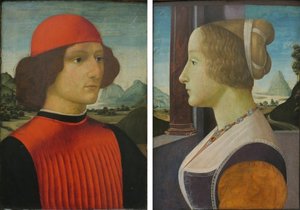
sebastiano mainardi
1460 - 1513 , Italy
Quick Facts
- Artistic Movement Or Style: Early Renaissance
- Artists Or Movements Influenced By This Artist: ['Renaissance']
- Artists Who Influenced This Artist: ['Domenico Ghirlandaio']
- Date Of Birth: c.1460
- Date Of Death: 1513
- Full Name: Sebastiano Mainardi
- Nationality: Italian
- Notable Artworks:
- St. Sebastiano fouri le Mura
- Appeals Tornabuoni
- Place Of Birth: San Gimignano, Italy
Related Articles
Serene Masterpieces: 10 Artworks for Peaceful Decor |
Find peace with 10 serene masterpieces! Explore calming landscapes by Monet & Van Gogh, tranquil Japanese art like Hokusai’s Great Wave, and more. Discover the stories behind these iconic paintings & bring museum-quality art to your home with . Explore the full collection online.
Monet's Masterpieces: 25 Iconic Artworks to Transform Your Home
Journey through 25 iconic Claude Monet masterpieces! Explore Impressionism’s beauty, from Water Lilies to Rouen Cathedral. Discover stunning art reproductions & curated decor ideas – explore the full collection online at ArtsDot.com.
Serene Visions: Exploring Themes of Tranquility in Art History & Contemporary Practice
Explore the history of serene landscape art & discover artists who evoke tranquility. Find the perfect calming artwork for your home with expert guidance from ArtsDot.
Raphael's Masterpieces: 25 Iconic Paintings & Renaissance Art for Your Home
Explore 25 breathtaking Raphael paintings! Journey through the Italian Renaissance with masterpieces like 'School of Athens' & iconic Madonnas. Find museum-quality art reproductions and elevate your home decor on ArtsDot.com.
Tranquil Masterpieces: 10 Artworks for Serene Decor & Emotional Well-being |
Find serenity with our Top 10 tranquil artworks! Explore masterpieces by Monet, Van Gogh & more. Discover the stories behind calming Impressionist landscapes and peaceful Japanese art. Museum-quality reproductions at .