

 Preview
 Send
Send Share
Share
 Details

 Download
 Similars
 X-Ray
X-Ray Diaporama
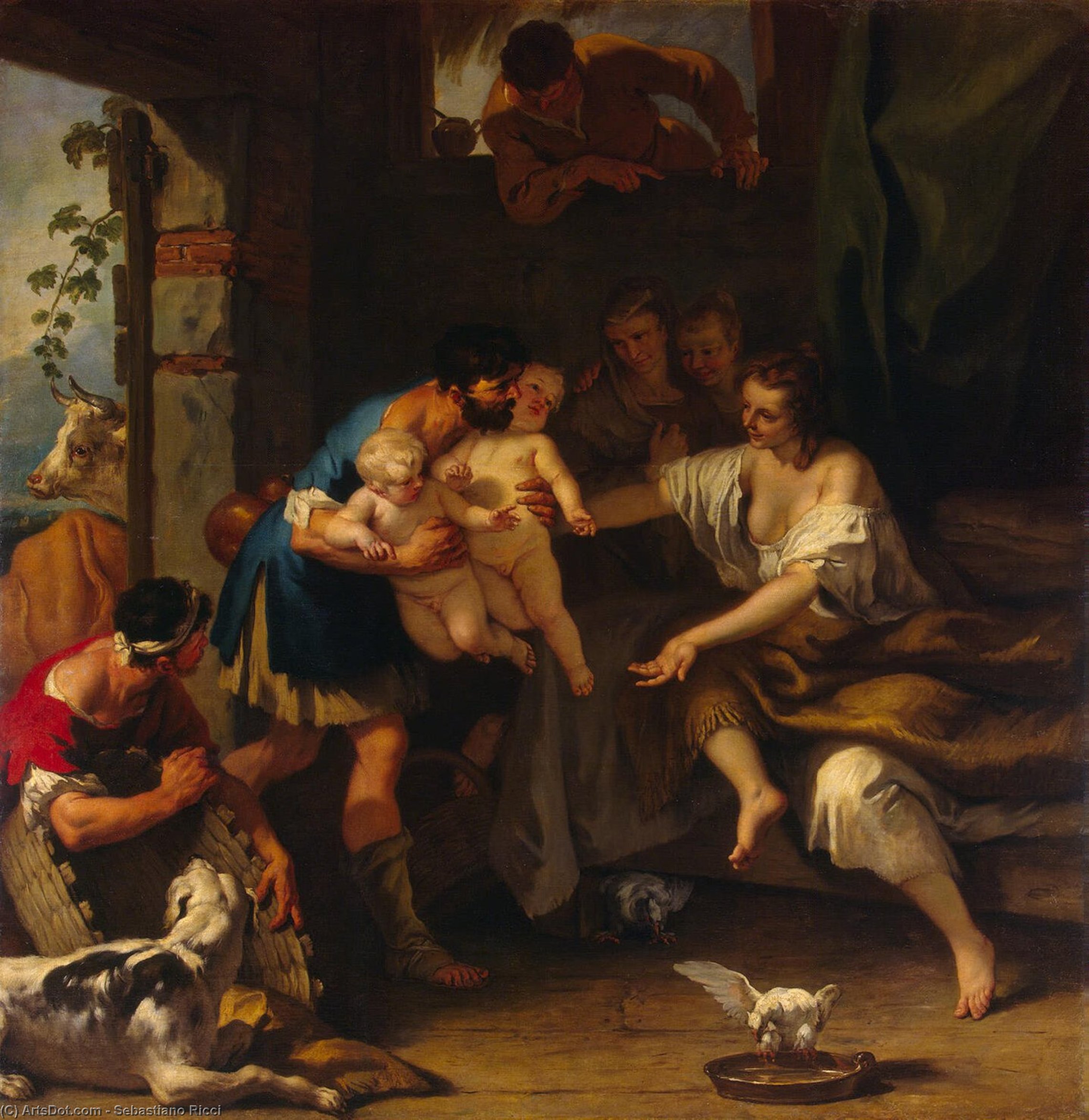
Childhood of Romulus and Remus
 Oil On Canvas
- WallArt
- Baroque
 1708
1708 185.0 x 170.0 cm
 Hermitage Museum
 Read More
Purchase a high-resolution, enhanced digital image, far superior to the online preview.
Each file is meticulously prepared by our in-house specialists using advanced tools and expert manual retouching. We ensure every image has exceptional clarity, precise color accuracy, and fine detail.
The final file is delivered via email within 72 hours, optimized for immediate use in professional, editorial, and print environments. This is the same quality trusted by top-tier design studios, publishers, and galleries.
Digital Image
Download a high-resolution file for personal display, printing, and creative projects. ( Buy Print Buy Hand Made Painting)
Included in Every Digital Image Order
Expert Digital Delivery, Guaranteed
When you choose ArtsDot.com, you're not just getting an image - you're receiving a professionally enhanced digital artwork, crafted with precision and backed by a satisfaction guarantee. Here's everything that comes with your order, automatically:

Fast Email Delivery
Your high-resolution digital image file will be emailed to you within 72 hours of ordering - ready for immediate use.

AI-Enhanced Digital File
Your artwork is professionally optimized using advanced AI tools and manual editing, ensuring maximum detail, clarity, and color accuracy.

Free Lifetime Re-Delivery
Accidentally deleted or lost your file? No worries - we'll resend it to you anytime, free of charge.

No Import Fees - Ever
Enjoy your artwork instantly with zero customs, duties, or delivery fees - digital downloads are always tax-free.

Color Accuracy Guarantee
We ensure your digital image reflects the original colors as closely as possible using professional tools and color management.

60-Day Satisfaction Guarantee
If you're not satisfied with your digital image, we'll revise it or refund 100% within 60 days - no questions asked.

100% Money-Back Guarantee
Not satisfied? Get a full refund within 60 days of receiving your digital file - no questions asked.

Bulk Order Discounts
Buy 3 images, save 10% - Buy 5, save 15% - Buy 10+, save 20%. Great for creative projects, galleries, and agencies.
Collectible Description
The Echoes of Myth: Sebastiano Ricci’s “Childhood of Romulus and Remus”
Sebastiano Ricci's "Childhood of Romulus and Remus," painted in 1708, is more than a mere depiction of legendary origins; it’s a vibrant tableau brimming with Baroque drama, psychological insight, and the nascent promise of Roman power. Housed within the venerable halls of The Hermitage Museum in St. Petersburg, this oil on canvas offers a captivating glimpse into a pivotal moment – the tender care provided to two infants destined to shape an empire. Ricci masterfully captures not just the physical appearance of Romulus and Remus, but also hints at their inner lives, imbuing the scene with a palpable sense of vulnerability and burgeoning strength.
The painting immediately draws the eye into a warmly lit interior, a rustic chamber suggesting a humble dwelling. Ricci employs a masterful use of chiaroscuro – dramatic contrasts between light and shadow – to sculpt the figures and create an atmosphere of intimacy and mystery. The mother, rendered with a serene yet watchful expression, cradles her children, while several other individuals—a nursemaid, a young boy, and perhaps a servant— surround them in a circle of protection. This composition isn’t simply observational; it's carefully constructed to emphasize the communal responsibility surrounding these two vulnerable lives.
Baroque Drama and Venetian Influence
Ricci was a leading figure within the late Baroque school of Venice, inheriting and expanding upon the traditions established by Giovanni Battista Tiepolo. His style is characterized by its luminous palette, dynamic compositions, and an almost theatrical intensity. Ricci’s work frequently features dramatic lighting effects, heightened emotions, and a sense of movement—qualities vividly present in “Childhood of Romulus and Remus.” The rich reds, deep blues, and earthy browns contribute to the painting's opulent yet grounded feel, reflecting the artistic sensibilities prevalent in Venice during this period.
The influence of Giovanni Gioseffo dal Sole is particularly evident in Ricci’s handling of color and his penchant for dramatic narratives. Dal Sole, a contemporary of Ricci, was renowned for his grand frescoes depicting mythological scenes; Ricci clearly absorbed many of his techniques, adapting them to the scale and intimacy of this particular subject. The painting's composition echoes those found in classical Roman art, subtly referencing the heroic ideals that would later underpin the Roman Empire.
Symbolism and the Seeds of Power
Beyond its immediate narrative, “Childhood of Romulus and Remus” is rich with symbolic meaning. The presence of multiple figures underscores the importance of community and nurture in shaping individuals. The act of breastfeeding symbolizes not only sustenance but also a profound connection between mother and child—a bond that will ultimately define the future of Rome. Even the seemingly simple details, such as the birds perched on the scene, can be interpreted symbolically; they might represent hope, freedom, or perhaps even divine guidance.
The painting’s focus on infancy is crucial. It highlights the vulnerability and dependence inherent in all human life, while simultaneously suggesting that even from the most humble beginnings, greatness can emerge. Ricci skillfully portrays this duality—the potential for both destruction and creation—laying the groundwork for the legend of Romulus and Remus, two brothers who would rise to found one of history’s greatest empires. The scene is a potent reminder that power isn't always born of conquest; sometimes, it begins with a mother’s love and a child’s innocent trust.
A Timeless Masterpiece – Reproduced for Your Home
ArtsDot offers meticulously crafted hand-painted reproductions of Sebastiano Ricci’s “Childhood of Romulus and Remus,” allowing you to bring this captivating artwork into your own space. Each reproduction is created by skilled artisans using the same techniques and materials as the original, ensuring an authentic representation of Ricci's masterful artistry. Whether displayed in a grand salon or a cozy study, this painting will undoubtedly serve as a conversation piece—a testament to the enduring power of myth, art, and human connection.
Related Artworks
Artist Biography
biography of a vigorous and luminous painter
sebastiano ricci, an italian painter from belluno, was born on august 1, 1659, and passed away on may 15, 1734. he was a prominent figure in the late baroque school of venice, known for his grand manner fresco painting style.
early life and training
ricci's artistic journey began at a young age. in 1671, he was apprenticed to federico cervelli of venice. however, some sources claim that his first master was sebastiano mazzoni.
notable works and commissions
* bacchus and ariadne (national gallery, london, united kingdom), a painting showcasing ricci's mastery of the baroque style. * memorial to admiral sir clowdisley shovell (oil on canvas), a testament to his ability to capture the essence of a moment. * the decoration of the oratory of the madonna of the seraglio (1685-1687) in collaboration with ferdinando galli-bibiena, receiving a payment of 4,482 lira.
artistic style and influences
ricci's work was influenced by giovanni gioseffo dal sole's style during his time in bologna. his paintings often featured grand, luminous, and vigorous themes, making him a representative of the late baroque school of venice.
legacy and later life
ricci's artistic career was marked by periods of turmoil, including imprisonment and scandals. however, he continued to produce notable works, such as venus takes leave from adonis, which showcased his skill in capturing heavenly depictions. he ultimately accepted foreign patronage in london, working on a commission for lord burlington.
- view sebastiano ricci's artwork on ArtsDot.com
- explore more about the baroque school of venice and its influences on wikipedia
- discover other notable artists from the same period, such as luigi bonazza, on ArtsDot.com
important: this article is based on the available information from ArtsDot.com and may be subject to change as more data becomes available.
Sebastiano Ricci
1659 - 1734 , Italy
Quick Facts
- Artistic Movement Or Style: Late Baroque
- Artists Or Movements Influenced By This Artist: ['Marco Ricci']
- Artists Who Influenced This Artist: ['Giovanni Gioseffo dal Sole']
- Date Of Birth: August 1, 1659
- Date Of Death: May 15, 1734
- Full Name: Sebastiano Ricci
- Nationality: Italian
- Notable Artworks:
- Bacchus and Ariadne
- Venus takes leave
- Dream of Aesculapius
- Place Of Birth: Belluno, Italy

