 Preview
 Send
Send Share
Share
 Details

 Download
 Similars
 X-Ray
X-Ray Diaporama
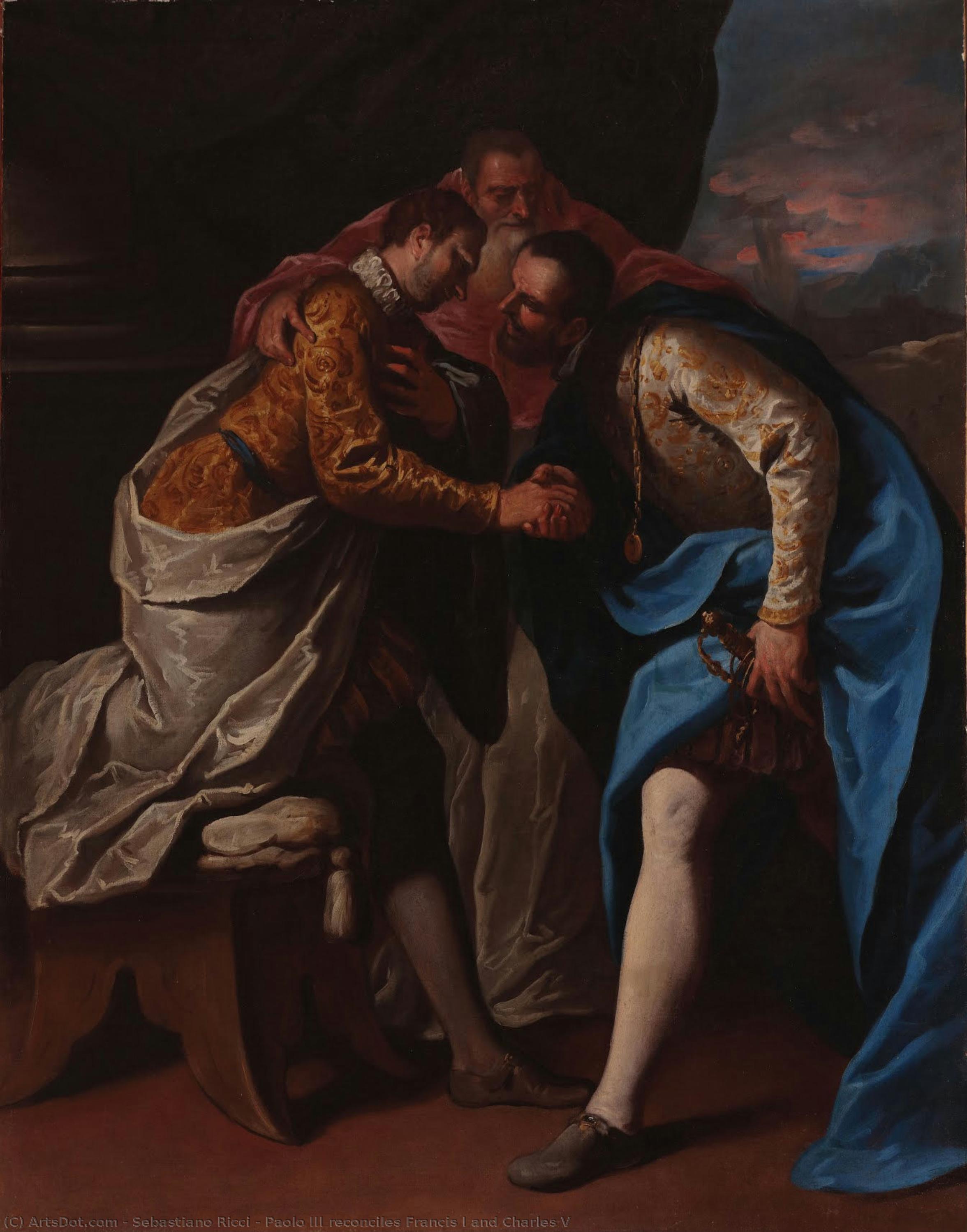
Paolo III reconciles Francis I and Charles V
 Oil On Canvas
- WallArt
- Baroque Painting
 Renaissance
 95.0 x 118.0 cm
 Musei Civici di Palazzo Farnese
 Read More
Hand Made Oil Reproduction
Hand-painted oil on canvas in your size and frame, made to order by our artists. ( Buy Print Buy Image)




P118B $10

P118H $10

P118W $10

P438Z $10

P508JH $12

P508YH $12

P805H $10

P805Z $10

P919BZ $10

P919G $10

P919XJ $10

P959ZH $10

P968JZ $12

W106C $8

W218G $10

W218JH $8

W218Y $10

W307PJ $10

W316G $10

W316PJ $8

W316Y $10

W398PJ $8

W4111J $10

W500HY $15

W500JH $15

W692G $12

W849H $8

W940BG $15

W953PJ $8




Pick from our preset sizes that match the artwork's original proportions.

You may enter your own dimensions to fit a specific frame or space. If your selected size does not match the original image's proportions, we will either crop the artwork or extend the painting with additional hand-painted elements. A digital mockup will be sent for your approval before production begins.
Please note that the on-screen preview does not reflect the actual cropping or extension. Only the mockup will accurately show the final composition.
While custom sizes are available, we recommend selecting a dimension from the predefined list to preserve the original proportions.
After order, ArtsDot.com team will email client for instructions and provide a mockup preview
Worldwide Delivery () in 3/4 weeks instead of standard 5 weeks. (17 August). No compromise on quality.

Free Worldwide Express Shipping

High-Quality Linen Canvas

Full Shipping Insurance

Customs Tax Refund Guarantee

True Color Matching Guarantee

60-Day Return Policy (Defects Only)

100% Money-Back Guarantee

Bulk Discount Offer
 Glass option is only available in size under 110 CM

Paolo III reconciles Francis I and Charles V
Reproduction Medium
Reproduction Size
-


Total Price
$ 263
Artwork Description
Paolo III Reconciles Francis I and Charles V: A Venetian Masterpiece of Diplomacy
Sebastiano Ricci’s “Paolo III reconciles Francis I and Charles V” is more than just a depiction of a historical event; it's a meticulously crafted tableau brimming with the political tensions and calculated diplomacy of 16th-century Europe. Executed in oil on canvas, this artwork, measuring 95 x 118 cm, transports us to a pivotal moment orchestrated by Pope Paul III – a shrewd mediator attempting to quell simmering rivalries between the ambitious French King Francis I and the Holy Roman Emperor Charles V. The scene unfolds with a remarkable sense of immediacy, capturing the very essence of negotiation and the fragile balance of power.
- Subject Matter: The painting’s core subject is the reconciliation between these three dominant European figures. Ricci skillfully portrays them engaged in conversation, their gestures suggesting both seriousness and a tentative agreement.
- Costume & Symbolism: Each figure's attire speaks volumes about their status and allegiance. Francis I, identifiable by his blue clothing, represents France’s burgeoning power. Charles V, distinguished by his yellow and black outfit, embodies the vast territories of the Holy Roman Empire. Pope Paul III, positioned centrally, wears a gold robe – a clear symbol of his authority and role as arbiter.
- Composition & Technique: Ricci's brushwork is characterized by its luminous quality, a hallmark of Venetian painting during this period. The use of chiaroscuro—the dramatic interplay of light and shadow—adds depth and intensity to the scene, focusing attention on the key figures while subtly suggesting the complexities of their interactions.
The Context of Papal Mediation
To fully appreciate “Paolo III reconciles Francis I and Charles V,” it’s crucial to understand the historical context in which it was created. The mid-16th century witnessed a period of intense rivalry between France and the Holy Roman Empire, fueled by territorial disputes and dynastic ambitions. Pope Paul III, recognizing the potential for devastating conflict, skillfully leveraged his position as a neutral mediator to bring these powerful figures together. Ricci’s painting serves as a visual record of this delicate diplomatic maneuver, highlighting the importance of papal influence in European affairs.
The scene isn't merely a portrait; it’s a carefully constructed narrative reflecting the political realities of the time. The act of hand-on-shoulder between Francis I and Charles V subtly suggests camaraderie and mutual respect – a testament to Paul III’s persuasive abilities. Ricci masterfully captures this nuanced interaction, elevating the painting beyond a simple depiction of a meeting.
Sebastiano Ricci: A Venetian Baroque Visionary
Painted by Sebastiano Ricci (1659-1734), a prominent figure in the late Baroque school of Venice, this work exemplifies his signature style – characterized by its vibrant colors, dynamic compositions, and masterful use of light. Ricci’s training under Federico Cervelli and possibly Sebastiano Mazzoni instilled in him a deep understanding of Venetian artistic traditions, which he skillfully blended with his own innovative approach. His works, such as “Bacchus and Ariadne,” demonstrate his ability to create visually arresting scenes filled with movement and emotion.
Ricci’s legacy extends beyond individual masterpieces; he played a significant role in shaping the trajectory of Venetian painting during a period of transition. His influence can be seen in the works of subsequent generations of artists, solidifying his place as one of Venice's most important Baroque painters. This particular piece offers a rare glimpse into his artistic vision and technical prowess.
Related Artworks
Artist Biography
biography of a vigorous and luminous painter
sebastiano ricci, an italian painter from belluno, was born on august 1, 1659, and passed away on may 15, 1734. he was a prominent figure in the late baroque school of venice, known for his grand manner fresco painting style.
early life and training
ricci's artistic journey began at a young age. in 1671, he was apprenticed to federico cervelli of venice. however, some sources claim that his first master was sebastiano mazzoni.
notable works and commissions
* bacchus and ariadne (national gallery, london, united kingdom), a painting showcasing ricci's mastery of the baroque style. * memorial to admiral sir clowdisley shovell (oil on canvas), a testament to his ability to capture the essence of a moment. * the decoration of the oratory of the madonna of the seraglio (1685-1687) in collaboration with ferdinando galli-bibiena, receiving a payment of 4,482 lira.
artistic style and influences
ricci's work was influenced by giovanni gioseffo dal sole's style during his time in bologna. his paintings often featured grand, luminous, and vigorous themes, making him a representative of the late baroque school of venice.
legacy and later life
ricci's artistic career was marked by periods of turmoil, including imprisonment and scandals. however, he continued to produce notable works, such as venus takes leave from adonis, which showcased his skill in capturing heavenly depictions. he ultimately accepted foreign patronage in london, working on a commission for lord burlington.
- view sebastiano ricci's artwork on ArtsDot.com
- explore more about the baroque school of venice and its influences on wikipedia
- discover other notable artists from the same period, such as luigi bonazza, on ArtsDot.com
important: this article is based on the available information from ArtsDot.com and may be subject to change as more data becomes available.
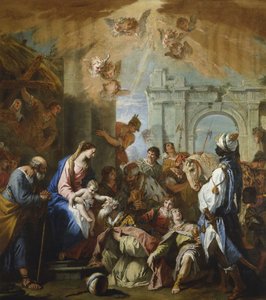
Sebastiano Ricci
1659 - 1734 , Italy
Quick Facts
- Artistic Movement Or Style: Late Baroque
- Artists Or Movements Influenced By This Artist: ['Marco Ricci']
- Artists Who Influenced This Artist: ['Giovanni Gioseffo dal Sole']
- Date Of Birth: August 1, 1659
- Date Of Death: May 15, 1734
- Full Name: Sebastiano Ricci
- Nationality: Italian
- Notable Artworks:
- Bacchus and Ariadne
- Venus takes leave
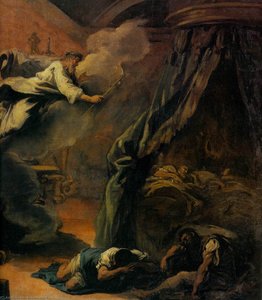
- Dream of Aesculapius
- Place Of Birth: Belluno, Italy
Related Articles
Francis Bacon's Masterpieces: Exploring 25 Iconic Paintings | ArtsDot
Delve into the haunting world of Francis Bacon with ArtsDot. Explore 25 iconic paintings, from his visceral portraits to powerful triptychs. Discover the stories behind these masterpieces & find museum-quality art reproductions for your home. Explore the full collection online!
Sebastiano Ricci: Venetian Master of Baroque Illusionism & Rococo Grace
Explore the captivating world of Sebastiano Ricci, a leading Venetian Baroque painter renowned for his luminous frescoes & illusionistic masterpieces. Discover his life, techniques, and lasting influence on art history.

Baroque Drama: Bringing Opulence & Emotion into Contemporary Interiors
Explore the opulent world of Baroque interior design! Discover key elements, modern applications & how to bring dramatic elegance into your home with 's authentic reproductions.

The Dramatic Flourish: Exploring the Baroque Movement's Enduring Legacy in Art History
Explore the dramatic world of Baroque art! Discover iconic artists like Caravaggio & Rubens, defining techniques, and its lasting impact on art history. Expert insights for collectors & enthusiasts at ArtsDot.

Baroque Masterpieces: 10 Paintings That Defined an Era |
Journey through the drama & grandeur of Baroque art! Explore 10 masterpieces by Caravaggio, Rembrandt, Rubens & more. Discover stunning oil paintings, rich colors & timeless stories. Find museum-quality reproductions at .