 Preview
 Send
Send Share
Share
 Details

 Download
 Similars
 X-Ray
X-Ray Diaporama
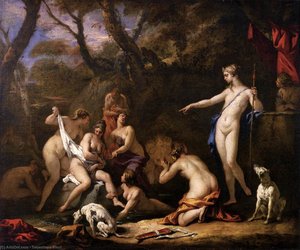
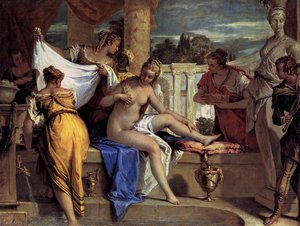
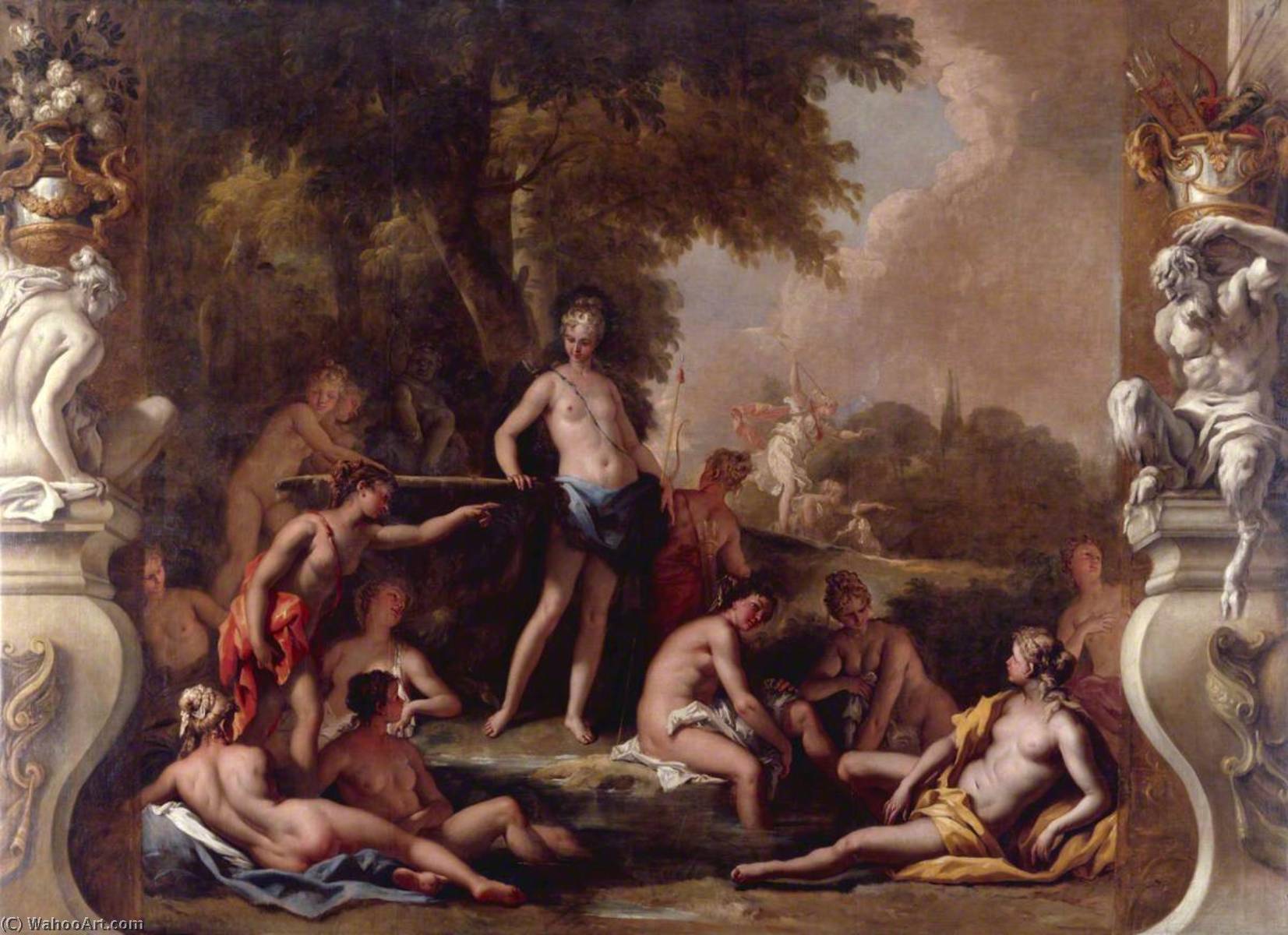
Diana and Her Nymphs Bathing
 Oil On Canvas
- WallArt
- Baroque
 1715
1715- Early Modern
 347.0 x 482.0 cm
 Read More
Hand Made Oil Reproduction
Hand-painted oil on canvas in your size and frame, made to order by our artists. ( Buy Print Buy Image)




P118B $10

P118H $10

P118W $10

P438Z $10

P508JH $12

P508YH $12

P805H $10

P805Z $10

P919BZ $10

P919G $10

P919XJ $10

P959ZH $10

P968JZ $12

W106C $8

W218G $10

W218JH $8

W218Y $10

W307PJ $10

W316G $10

W316PJ $8

W316Y $10

W398PJ $8

W4111J $10

W500HY $15

W500JH $15

W692G $12

W849H $8

W940BG $15

W953PJ $8




Pick from our preset sizes that match the artwork's original proportions.

You may enter your own dimensions to fit a specific frame or space. If your selected size does not match the original image's proportions, we will either crop the artwork or extend the painting with additional hand-painted elements. A digital mockup will be sent for your approval before production begins.
Please note that the on-screen preview does not reflect the actual cropping or extension. Only the mockup will accurately show the final composition.
While custom sizes are available, we recommend selecting a dimension from the predefined list to preserve the original proportions.
After order, ArtsDot.com team will email client for instructions and provide a mockup preview
Worldwide Delivery () in 3/4 weeks instead of standard 5 weeks. (17 August). No compromise on quality.

Free Worldwide Express Shipping

High-Quality Linen Canvas

Full Shipping Insurance

Customs Tax Refund Guarantee

True Color Matching Guarantee

60-Day Return Policy (Defects Only)

100% Money-Back Guarantee

Bulk Discount Offer
 Glass option is only available in size under 110 CM

Diana and Her Nymphs Bathing
Reproduction Medium
Reproduction Size
-


Total Price
$ 263
Artwork Description
A Vision of Rococo Splendor: The Enchanted World of Sebastiano Ricci
In the grand tapestry of the late Baroque period, few works capture the ethereal grace and luminous vitality of classical mythology quite like Sebastiano Ricci’s Diana and Her Nymphs Bathing. Painted in 1715, this monumental oil on canvas serves as a breathtaking window into a world where the divine and the earthly converge amidst the lush, untamed beauty of nature. As viewers approach this expansive masterpiece, they are immediately swept into a serene riverbank scene, where the goddess Diana and her retinue of nymphs find respite in a ritual of cleansing and repose. The composition is a masterclass in balance; figures are scattered across the canvas in a rhythmic dance of movement, with some reclining in quiet contemplation while others stand poised against a backdrop of verdant, sun-dappled foliage.
Ricci, a titan of the Venetian school, brings his signature grand manner to this piece, utilizing a technique that emphasizes light and atmosphere above all else. The painting is characterized by its rich, vibrant palette—deep forest greens, shimmering cerulean waters, and the warm, radiant tones of skin illuminated by filtered sunlight. His brushwork, though precise enough to capture the delicate textures of flowing water and soft drapery, possesses a fluid energy that breathes life into every nymph. This luminous quality is not merely a technical feat but an emotional one, inviting the observer to feel the warmth of the afternoon sun and the cool mist of the river, making the scene feel less like a static image and more like a captured moment in time.
Symbolism and the Elegance of Classical Myth
Beyond its sheer aesthetic splendor, the painting is steeped in the symbolic language of the 18th century. The depiction of Diana—the Roman goddess of the hunt and the moon—bathing with her nymphs evokes themes of purity, renewal, and the cyclical nature of life. The presence of men within this traditionally feminine sanctuary adds a layer of narrative complexity, perhaps suggesting the intrusion of the mortal world into the sacred realm of the gods, or acting as silent witnesses to the divine beauty on display. This interplay between the voyeuristic gaze and the sanctity of the scene creates a tension that is both captivating and sophisticated, making it a profound subject for intellectual contemplation.
For the discerning collector or interior designer, this artwork offers more than just visual beauty; it provides a focal point of immense historical and emotional gravity. A high-quality reproduction of this scale allows one to introduce a sense of classical grandeur into a contemporary space. Whether placed in a formal gallery setting or used to anchor a luxurious living area, the painting’s ability to evoke nostalgia for a lost era of elegance makes it an incomparable choice. It is a piece that does not merely decorate a wall but transforms an environment, infusing it with the timeless, shimmering light of Ricci’s Venetian mastery.
Related Artworks

Artist Biography
biography of a vigorous and luminous painter
sebastiano ricci, an italian painter from belluno, was born on august 1, 1659, and passed away on may 15, 1734. he was a prominent figure in the late baroque school of venice, known for his grand manner fresco painting style.
early life and training
ricci's artistic journey began at a young age. in 1671, he was apprenticed to federico cervelli of venice. however, some sources claim that his first master was sebastiano mazzoni.
notable works and commissions
* bacchus and ariadne (national gallery, london, united kingdom), a painting showcasing ricci's mastery of the baroque style. * memorial to admiral sir clowdisley shovell (oil on canvas), a testament to his ability to capture the essence of a moment. * the decoration of the oratory of the madonna of the seraglio (1685-1687) in collaboration with ferdinando galli-bibiena, receiving a payment of 4,482 lira.
artistic style and influences
ricci's work was influenced by giovanni gioseffo dal sole's style during his time in bologna. his paintings often featured grand, luminous, and vigorous themes, making him a representative of the late baroque school of venice.
legacy and later life
ricci's artistic career was marked by periods of turmoil, including imprisonment and scandals. however, he continued to produce notable works, such as venus takes leave from adonis, which showcased his skill in capturing heavenly depictions. he ultimately accepted foreign patronage in london, working on a commission for lord burlington.
- view sebastiano ricci's artwork on ArtsDot.com
- explore more about the baroque school of venice and its influences on wikipedia
- discover other notable artists from the same period, such as luigi bonazza, on ArtsDot.com
important: this article is based on the available information from ArtsDot.com and may be subject to change as more data becomes available.
Sebastiano Ricci
1659 - 1734 , Italy
Quick Facts
- Artistic Movement Or Style: Late Baroque
- Artists Or Movements Influenced By This Artist: ['Marco Ricci']
- Artists Who Influenced This Artist: ['Giovanni Gioseffo dal Sole']
- Date Of Birth: August 1, 1659
- Date Of Death: May 15, 1734
- Full Name: Sebastiano Ricci
- Nationality: Italian
- Notable Artworks:
- Bacchus and Ariadne
- Venus takes leave
- Dream of Aesculapius
- Place Of Birth: Belluno, Italy
Related Articles
Sebastiano Ricci: Venetian Master of Baroque Illusionism & Rococo Grace
Explore the captivating world of Sebastiano Ricci, a leading Venetian Baroque painter renowned for his luminous frescoes & illusionistic masterpieces. Discover his life, techniques, and lasting influence on art history.

Baroque Drama: Bringing Opulence & Emotion into Contemporary Interiors
Explore the opulent world of Baroque interior design! Discover key elements, modern applications & how to bring dramatic elegance into your home with 's authentic reproductions.

The Dramatic Flourish: Exploring the Baroque Movement's Enduring Legacy in Art History
Explore the dramatic world of Baroque art! Discover iconic artists like Caravaggio & Rubens, defining techniques, and its lasting impact on art history. Expert insights for collectors & enthusiasts at ArtsDot.

Baroque Masterpieces: 10 Paintings That Defined an Era |
Journey through the drama & grandeur of Baroque art! Explore 10 masterpieces by Caravaggio, Rembrandt, Rubens & more. Discover stunning oil paintings, rich colors & timeless stories. Find museum-quality reproductions at .

The Visceral Stage: Exploring Dramatic Narratives & Emotional Intensity in Baroque Art
Explore the dramatic world of Baroque art! Discover iconic masters like Caravaggio & Rembrandt, their techniques, and the movement's lasting impact. Expert insights for collectors & enthusiasts at ArtsDot.