 Preview
 Send
Send Share
Share
 Details

 Download
 Similars
 X-Ray
X-Ray Diaporama
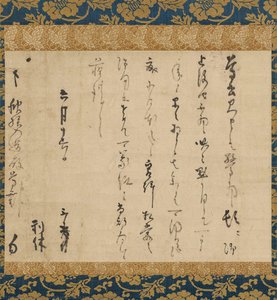
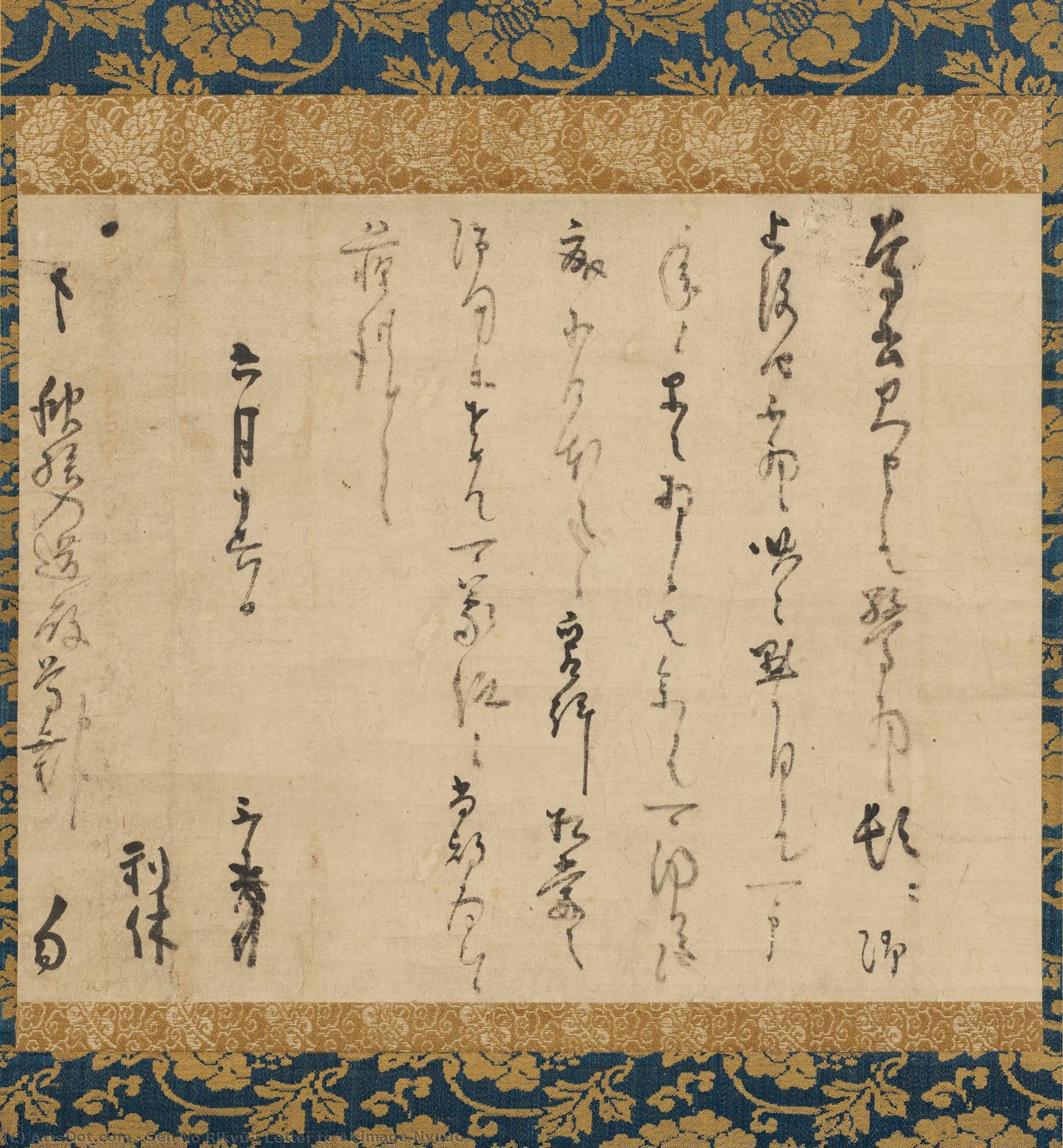
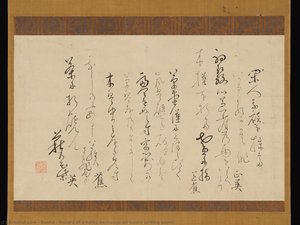
Letter to Akimago Nyudo

 Read More
Giclée / Art Print
Museum-quality giclée or canvas print with fast production and flexible finish options. ( Buy Hand Made Painting Buy Image)




































Pick from our preset sizes that match the artwork's original proportions.

You may enter your own dimensions to fit a specific frame or space. If your selected size does not match the original image's proportions, we will either crop the artwork or extend the image with a mirrored or solid-fill edge. A digital mockup will be sent for your approval before production begins.
Please note that the on-screen preview does not reflect the actual cropping or extension. Only the mockup will accurately show the final composition.
While custom sizes are available, we recommend selecting a dimension from the predefined list to preserve the original proportions.
Worldwide Delivery () in 2 weeks instead of standard 4/5 weeks. (26 August)

Free Worldwide Express Shipping

High-Quality Linen Canvas

Full Shipping Insurance

Customs Tax Refund Guarantee

True Color Matching Guarantee

60-Day Return Policy (Defects Only)

100% Money-Back Guarantee

Bulk Discount Offer
 Glass option is only available in size under 110 CM

Letter to Akimago Nyudo
Giclée / Art Print
Reproduction Size
-


Total Price
$ 63
Related Artworks




Artist Biography
The Architect of Stillness
In the vibrant, merchant-rich atmosphere of Sakai during the sixteenth century, a profound transformation was quietly unfolding. Sen no Rikyū, known simply as Rikyū, emerged not merely as a practitioner of tea but as the architect of a spiritual revolution. Born in 1522, his life coincided with one of Japan's most turbulent eras, yet within the intimate confines of the tea room, he sought to cultivate a stillness that transcended political chaos. Through his mastery of chanoyu, or the Japanese way of tea, Rikyū elevated a simple social ritual into a meditative practice deeply rooted in Zen Buddhism, forever altering the cultural landscape of Japan.The Beauty of the Imperfect
Rikyū’s greatest contribution to the world of aesthetics was his radical embrace of simplicity. Before his influence, tea gatherings often leaned toward the ostentatious, showcasing precious Chinese imports and gilded splendor. Rikyū, however, championed the concept of wabi-sabi—the beauty found in imperfection, impermanence, and the rustic. He taught that true elegance resided in the weathered texture of a handmade bowl, the quiet shadow in a corner, and the humble presence of seasonal wildflowers. This philosophy turned the tea ceremony into an exercise in mindfulness, where every movement and every object served to ground the practitioner in the present moment.- The celebration of the unrefined and the natural world.
- The intentional use of space and shadow to evoke profound depth.
- A focus on the spiritual connection between host and guest through shared silence.
An Enduring Legacy
Though his life reached its conclusion in 1591, Rikyū’s influence remains an unbreakable thread in the fabric of Japanese identity. He established a lineage that continues to breathe life into the tea ceremony through the three great iemoto, or head houses: the Omotesenke, Urasenke, and Mushakōjisenke. Collectively known as the San Senke, these schools serve as the guardians of his teachings, ensuring that the principles of harmony, respect, purity, and tranquility are passed down through generations. His life remains a testament to the power of finding profound meaning within the smallest, most deliberate acts of grace.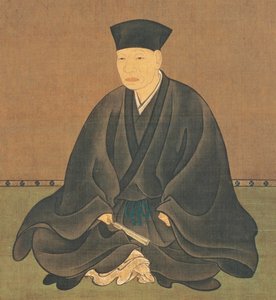
sen no rikyū
1522 - 1591 , Japan
Quick Facts
- Artistic Movement Or Style: Chanoyu (Way of Tea), Wabi-sabi
- Artists Or Movements Influenced By This Artist:
- Omotesenke
- Urasenke
- Mushakōjisenke
- Date Of Birth: 1522
- Date Of Death: 1591
- Full Name: Sen no Rikyū
- Nationality: Japanese
- Place Of Birth: Sakai, Japan