 Preview
 Send
Send Share
Share
 Details

 Download
 Similars
 X-Ray
X-Ray Diaporama
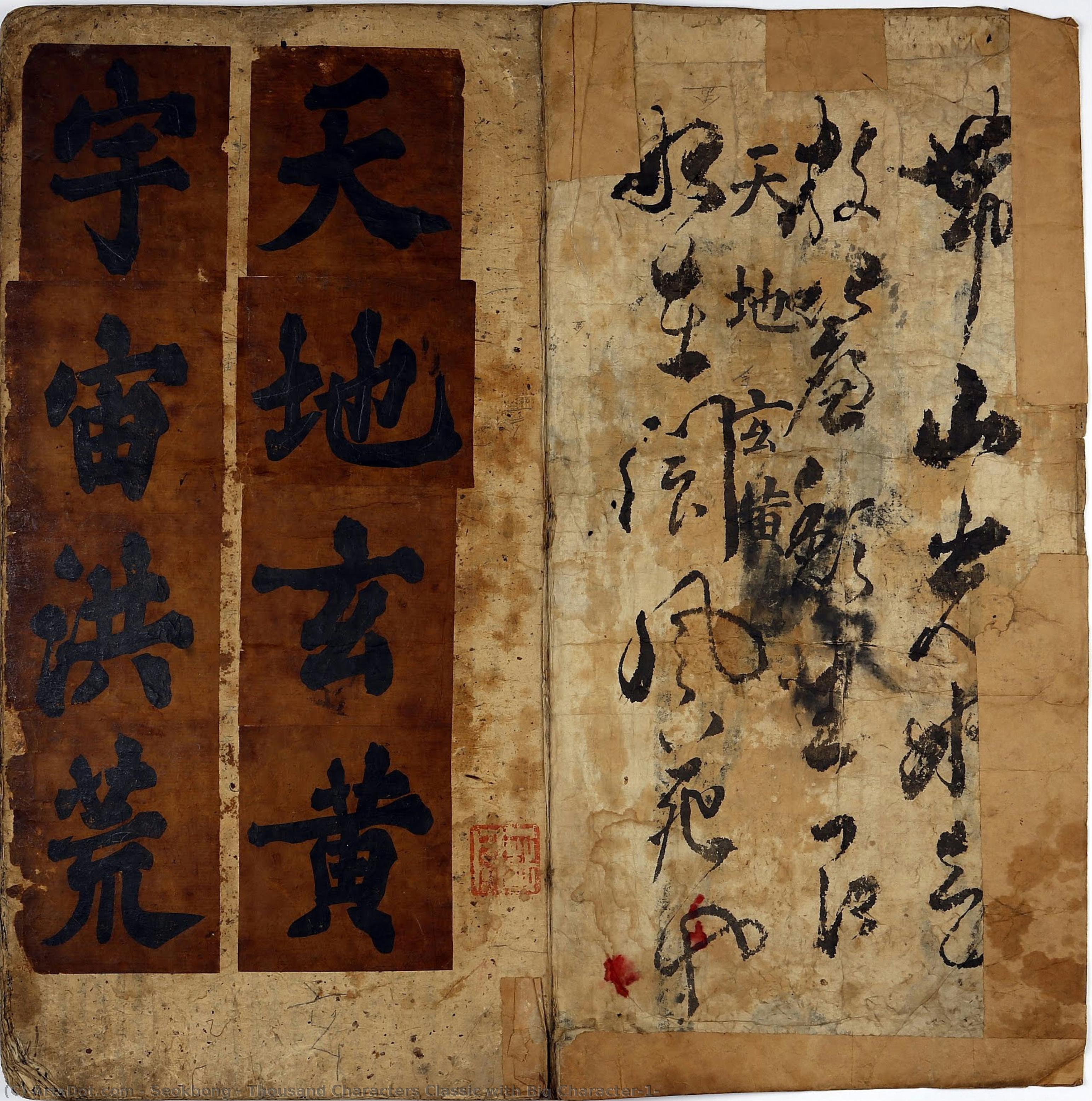
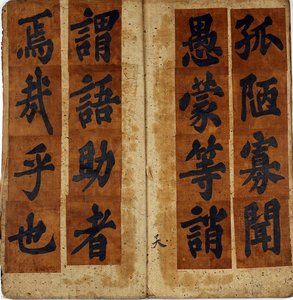
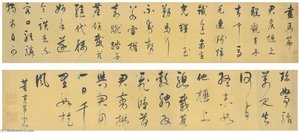
Thousand Characters Classic with Big Character(1)


 Read More
Hand Made Oil Reproduction
Hand-painted oil on canvas in your size and frame, made to order by our artists. ( Buy Print Buy Image)




P118B $10

P118H $10

P118W $10

P438Z $10

P508JH $12

P508YH $12

P805H $10

P805Z $10

P919BZ $10

P919G $10

P919XJ $10

P959ZH $10

P968JZ $12

W106C $8

W218G $10

W218JH $8

W218Y $10

W307PJ $10

W316G $10

W316PJ $8

W316Y $10

W398PJ $8

W4111J $10

W500HY $15

W500JH $15

W692G $12

W849H $8

W940BG $15

W953PJ $8




Pick from our preset sizes that match the artwork's original proportions.

You may enter your own dimensions to fit a specific frame or space. If your selected size does not match the original image's proportions, we will either crop the artwork or extend the painting with additional hand-painted elements. A digital mockup will be sent for your approval before production begins.
Please note that the on-screen preview does not reflect the actual cropping or extension. Only the mockup will accurately show the final composition.
While custom sizes are available, we recommend selecting a dimension from the predefined list to preserve the original proportions.
After order, ArtsDot.com team will email client for instructions and provide a mockup preview
Worldwide Delivery () in 3/4 weeks instead of standard 5 weeks. (17 August). No compromise on quality.

Free Worldwide Express Shipping

High-Quality Linen Canvas

Full Shipping Insurance

Customs Tax Refund Guarantee

True Color Matching Guarantee

60-Day Return Policy (Defects Only)

100% Money-Back Guarantee

Bulk Discount Offer
 Glass option is only available in size under 110 CM

Thousand Characters Classic with Big Character(1)
Reproduction Medium
Reproduction Size
-


Total Price
$ 263
Related Artworks

Artist Biography
Hans Holbein the Younger: A Master of Realism and Royal Portraiture
Born around 1497 in Augsburg, Germany – a date shrouded in some uncertainty, yet firmly rooted in the vibrant artistic landscape of the late German Renaissance – Hans Holbein the Younger rapidly ascended to become one of the most celebrated painters, draftsmen, and designers of his era. His legacy isn’t simply defined by technical brilliance, though that is undeniably present; it resides equally in his profound ability to capture the essence of his subjects, imbuing each portrait with a remarkable sense of psychological depth and an unparalleled realism. He was part of a distinguished artistic lineage, inheriting the traditions of his father, Hans Holbein the Elder, a respected figure known for his late Gothic style, but forging his own distinct path that would ultimately eclipse his predecessor’s fame.
Holbein's early training occurred within the bustling workshops of Augsburg and Basel. Initially apprenticed to his father, he quickly demonstrated an exceptional aptitude for drawing – a skill honed through meticulous observation and a deep understanding of anatomy. Basel, a hub of printing and artistic activity, provided him with invaluable experience in designing woodcuts and illuminated manuscripts, exposing him to diverse styles and techniques. This period saw the emergence of his distinctive style, characterized by precise detail, subtle shading, and an almost photographic quality in his renderings. He began experimenting with portraiture, initially producing works for local patrons, but soon attracting attention beyond Basel’s borders.
The Italian Influence and Artistic Evolution
A pivotal moment in Holbein's artistic development arrived during his travels to Italy between 1517 and 1519. These journeys were transformative, exposing him to the innovations of Renaissance masters like Leonardo da Vinci and Raphael. He absorbed their techniques for creating atmospheric perspective, mastering chiaroscuro (the dramatic use of light and shadow), and developing a more naturalistic approach to depicting human form. The influence is particularly evident in his religious works from this period, such as the Entombment of Christ (1521-23), which showcases a heightened sense of drama and emotional intensity compared to his earlier, more restrained style. The shift towards greater realism and psychological insight can be directly attributed to these formative experiences.
Returning to Basel in 1520, Holbein continued to diversify his output, tackling commissions for both religious institutions and secular clients. He designed elaborate murals for the town hall, demonstrating a growing mastery of fresco techniques. His work during this time reflected the turbulent atmosphere of the Reformation, with some portraits subtly conveying messages of loyalty to the Catholic Church while others aligned with reformist ideals. This period also saw him refining his portraiture skills, developing a distinctive approach that would later define his international reputation.
Royal Patronage and English Masterpieces
In 1526, Holbein embarked on a new chapter of his career when he secured the patronage of Thomas More, the humanist scholar and Lord Chancellor of England. This marked his arrival in London, where he would spend the majority of his remaining years. More’s introduction opened doors to a network of influential figures, including Erasmus, who further propelled Holbein's reputation. He quickly established himself as the court painter to Henry VIII, a position that afforded him unparalleled access to the royal family and provided him with some of his most iconic commissions.
Among his most celebrated works from this period are portraits of Henry VIII, Anne Boleyn, Catherine of Aragon, and Jane Seymour. The Portrait of Henry VIII (1538), often referred to as “The Ambassador,” is a particularly striking example of his skill – a monumental depiction of the king’s power and authority, imbued with an almost unsettling intensity. His meticulous attention to detail, combined with his ability to capture the sitter's personality, made these portraits invaluable historical records. The Ambassadors (1533), depicting two foreign dignitaries, is another masterpiece, renowned for its complex symbolism and intricate composition. It’s a testament to Holbein’s versatility, showcasing his skill in capturing both outward appearance and subtle psychological nuances.
Legacy and Lasting Influence
Hans Holbein the Younger died in London in 1543, leaving behind a remarkably diverse body of work that continues to captivate audiences today. His influence on subsequent generations of artists is undeniable; his meticulous draftsmanship and realistic portraiture set a new standard for the genre. Artists like Rembrandt and Ingres drew inspiration from his techniques, while his portraits have served as models for countless painters throughout history.
Beyond his technical skill, Holbein’s legacy lies in his ability to capture the human spirit – to reveal not just outward appearances but also inner thoughts and emotions. His portraits are windows into the lives of those he depicted, offering a glimpse into the political, social, and cultural landscape of 16th-century Europe. He remains one of the most admired and imitated portraitists in Western art history, a testament to his extraordinary talent and enduring artistic vision.

seokbong
1543 - 1605 , South Korea
Quick Facts
- Artistic Movement Or Style: Northern Renaissance
- Artists Or Movements Influenced By This Artist:
- Leonardo da Vinci
- Renaissance humanism
- Artists Who Influenced This Artist:
- Hans Holbein the Elder
- Albrecht Dürer
- Date Of Birth: 1497/98, Augsburg
- Date Of Death: 1543, London
- Full Name: Hans Holbein the Younger
- Nationality: German-Swiss
- Notable Artworks:
- The Ambassadors
- Henry VIII portrait
- Ruth and Boaz
- Place Of Birth: Augsburg, Germany
Related Articles
Ephemeral Expressions: Exploring the Nuances of Ink on Paper Through History & Contemporary Art
Explore the captivating world of ink wash painting – from its ancient origins to contemporary masters. Discover techniques, symbolism & conservation insights with ArtsDot.com.
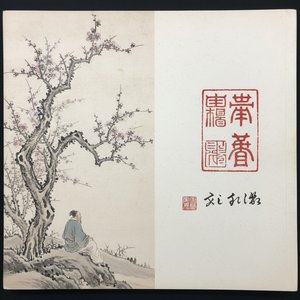
Xie Zhiliu: A Legacy of Ink Wash Painting & Modern Chinese Literati Tradition
Explore the legacy of Xie Zhiliu, a master of Chinese ink wash painting & prominent figure in modern art. Discover his techniques, influences, and contributions to literati tradition. A guide for discerning collectors.
Ephemeral Lines: Exploring Emotional Resonance in Ink Sketching Traditions
Explore the profound art of ink sketching! Discover techniques to express emotion, master line work, and cultivate artistic sensitivity. Learn from historical masters & unlock your creative potential.
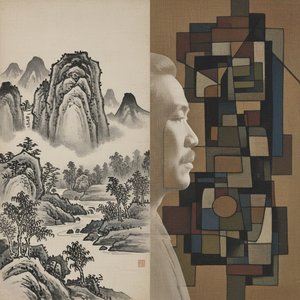
Yi Eungro: Bridging East & West in the Landscape of Korean Modernism
Explore the captivating world of Yi Eungro (Lee Ungno), a pivotal figure in Korean modernism. Discover his unique fusion of Eastern and Western artistic traditions, abstract masterpieces, and lasting legacy. A must-read for discerning art collectors.
Pu Xinyu's 'Puru': A Legacy of Literati Painting & Emotional Resonance
Explore the captivating world of Pu Xinyu (Puru), the last great literati painter. Discover his imperial heritage, masterful ink wash techniques & enduring legacy – a valuable addition to any discerning art collection.