 Preview
 Send
Send Share
Share
 Details

 Download
 Similars
 X-Ray
X-Ray Diaporama
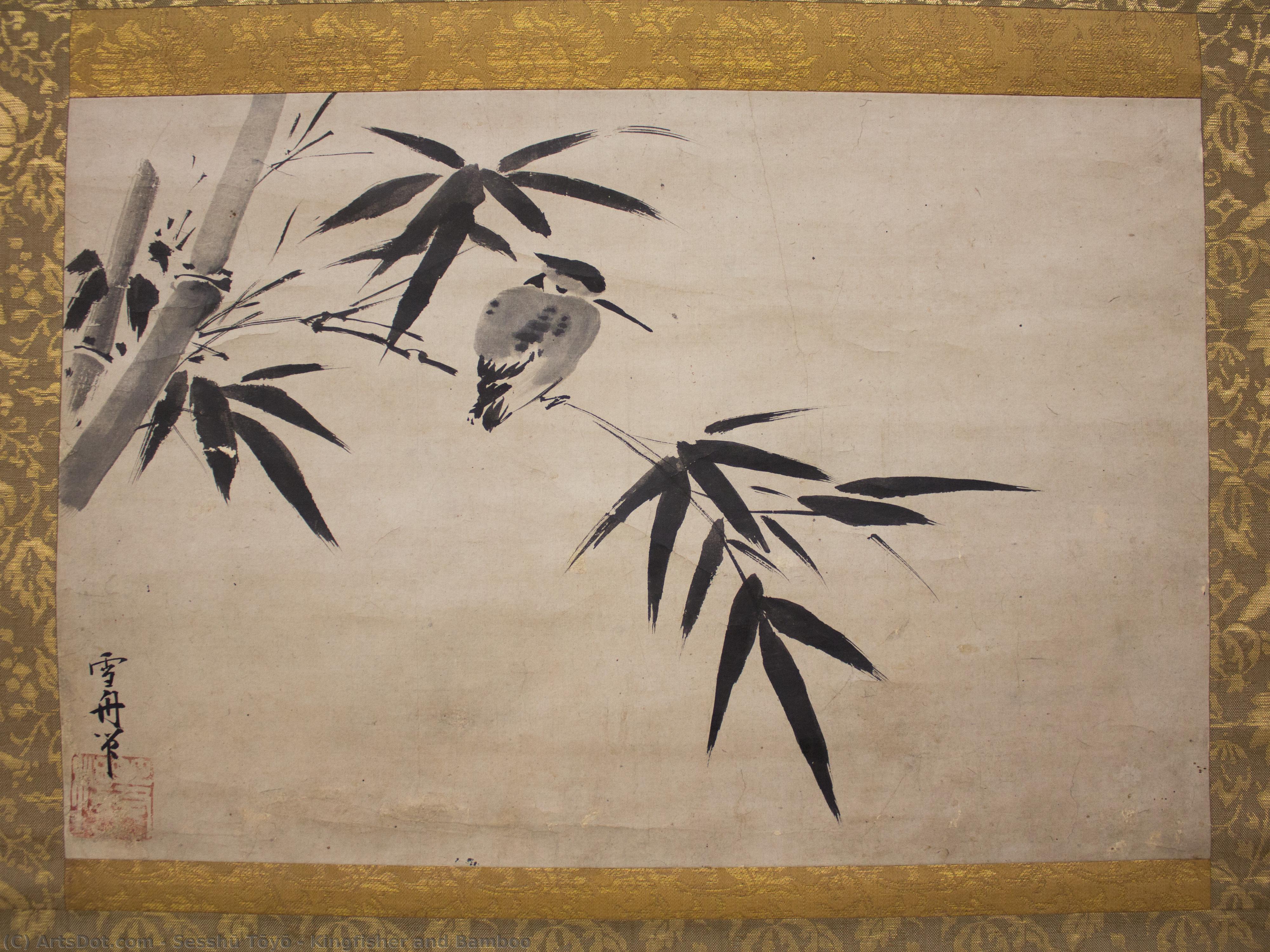
Kingfisher and Bamboo
 Zen Buddhism
 801
801 114.0cm x 57.0cm
 Read More
Hand Made Oil Reproduction
Hand-painted oil on canvas in your size and frame, made to order by our artists. ( Buy Print Buy Image)




P118B $10

P118H $10

P118W $10

P438Z $10

P508JH $12

P508YH $12

P805H $10

P805Z $10

P919BZ $10

P919G $10

P919XJ $10

P959ZH $10

P968JZ $12

W106C $8

W218G $10

W218JH $8

W218Y $10

W307PJ $10

W316G $10

W316PJ $8

W316Y $10

W398PJ $8

W4111J $10

W500HY $15

W500JH $15

W692G $12

W849H $8

W940BG $15

W953PJ $8




Pick from our preset sizes that match the artwork's original proportions.

You may enter your own dimensions to fit a specific frame or space. If your selected size does not match the original image's proportions, we will either crop the artwork or extend the painting with additional hand-painted elements. A digital mockup will be sent for your approval before production begins.
Please note that the on-screen preview does not reflect the actual cropping or extension. Only the mockup will accurately show the final composition.
While custom sizes are available, we recommend selecting a dimension from the predefined list to preserve the original proportions.
After order, ArtsDot.com team will email client for instructions and provide a mockup preview
Worldwide Delivery () in 3/4 weeks instead of standard 5 weeks. (17 August). No compromise on quality.

Free Worldwide Express Shipping

High-Quality Linen Canvas

Full Shipping Insurance

Customs Tax Refund Guarantee

True Color Matching Guarantee

60-Day Return Policy (Defects Only)

100% Money-Back Guarantee

Bulk Discount Offer
 Glass option is only available in size under 110 CM

Kingfisher and Bamboo
Reproduction Medium
Reproduction Size
-


Total Price
$ 263
Artwork Description
Related Artworks
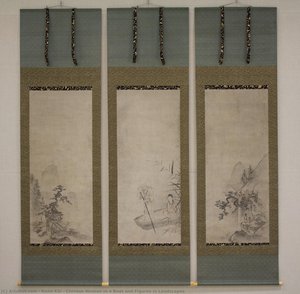
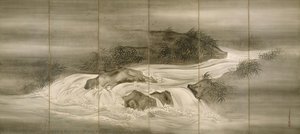
Artist Biography
The Monk-Painter's Genesis
Born into the prestigious Oda samurai clan around 1420, Sesshū Tōyō’s life began not with the sword, but with the brush and the sutra. His early years in Kyoto were defined by a profound spiritual redirection; rather than following the martial path of his lineage, he sought enlightenment within the walls of Shōkoku-ji temple. This monastic upbringing was far more than a religious retreat; it was the crucible in which his artistic soul was forged. Under the guidance of the esteemed Zen scholar and painter Tenshō Shūbun, Sesshū learned to see the world through the lens of sumi-e, where every stroke of ink carried the weight of spiritual intention. This period of apprenticeship instilled in him a reverence for minimalist aesthetics, teaching him that the most profound truths often reside in the simplest of forms.A Pilgrimage of Vision and Style
The trajectory of Sesshū’s artistry underwent a transformative shift when he ventured beyond the borders of Japan to the heart of China. This pilgrimage allowed him to immerse himself in the grand traditions of Chinese landscape painting, encountering the works of masters like Xing Beng and Zhu Da. He studied their use of bold, sweeping brushstrokes and their ability to capture the ephemeral essence of nature—the mist clinging to a mountain peak or the sudden movement of a bird through the reeds. Yet, Sesshū was no mere imitator. He possessed the rare genius required to synthesize these continental influences with a uniquely Japanese sensibility. By blending the structured dynamism of Chinese compositions with the Zen-inflected tranquility and flattened perspective characteristic of his homeland, he birthed an individualistic style that felt both cosmically vast and intimately serene.The Architecture of Ink and Emptiness
To gaze upon a Sesshū landscape is to witness a dialogue between presence and absence. His mastery of monochrome ink allowed him to manipulate the concept of emptiness—a core tenet of Zen Buddhism—as a physical element within his compositions. Through the use of emphatic lines and varying densities of ink wash, he created atmospheric depth that seemed to breathe with life. Whether depicting the delicate grace of a kingfisher amidst bamboo or the rugged permanence of pine trees against a misty shore, his work captures the transience of existence. His technique often oscillated between the meticulously delineated shin style and the more spontaneous, "splashed ink" hatsuboku method, demonstrating a technical range that could convey both the structural strength of the natural world and its fleeting, ghostly beauty.A Legacy Etched in Monochrome
The historical significance of Sesshū Tōyō cannot be overstated; he remains the definitive master of the Muromachi period. His ability to translate complex theological concepts into visual poetry ensured that his influence would ripple through Japanese art for centuries. Even as styles evolved, the demand for works in his tradition remained a constant, a testament to the enduring power of his vision. Sesshū did not merely paint landscapes; he painted the very soul of the natural world, leaving behind a legacy where every drop of ink serves as a meditation on the unity of all things. His life’s work stands as a monumental achievement, bridging the gap between the earthly and the divine through the simple, profound medium of black ink on paper.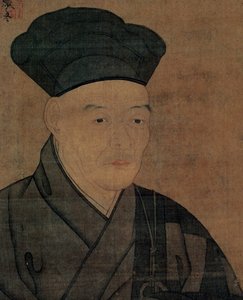
sesshū tōyō
1506 , Japan
Quick Facts
- Artistic Movement Or Style: Zen Art (Sumi-e)
- Artists Or Movements Influenced By This Artist: ['Chinese Art']
- Artists Who Influenced This Artist: ['Tenshō Shubun']
- Date Of Birth: Around 1420
- Date Of Death: 1506
- Full Name: Sesshū Tōyō
- Nationality: Japanese
- Notable Artworks:
- Winter Landscape
- Birds and Flowers
- Four Landscape Scrolls of the Seasons
- Place Of Birth: Kyoto, Japan
Related Articles

Hokusai's Masterpieces: 25 Iconic Prints & Paintings for Art Lovers | ArtsDot
Journey through Katsushika Hokusai’s 25 most iconic artworks, including *The Great Wave*. Explore the ukiyo-e master's history, style & timeless Japanese woodblock prints. Find museum-quality reproductions for your home at ArtsDot.com.

Beyond the Horizon: 10 Landscape Masterpieces for Your Home Decor
Journey through 10 breathtaking landscape paintings by Monet, Van Gogh & more! Explore iconic artworks, artistic techniques & find inspiration for your home decor. Museum-quality reproductions at ArtsDot.com. Discover all masterpieces on ArtsDot.com
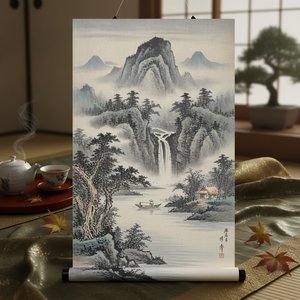
Serenity on Canvas: A Guide to the Timeless Beauty of Japanese Landscape Painting
Discover the serene beauty of Japanese landscape painting. From Hokusai's iconic woodblock prints to meditative sumi-e ink washes, explore a visual journey through the 'floating world' and learn how to bring this timeless Zen aesthetic into your modern home decor.
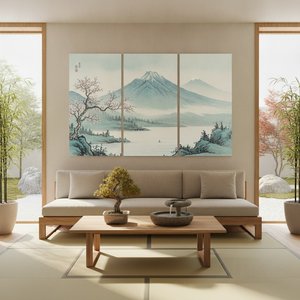
Serene Zen: Transforming Your New Home with the Timeless Elegance of Japanese Landscape Art
Transform your new home into a sanctuary of peace with stunning Japanese landscape art. Discover the beauty of Ukiyo-e and hand-painted Zen masterpieces designed to bring harmony and timeless elegance to your shared space. Expertly curated for modern lovers of fine art.

Romantic Landscapes: 10 Masterpieces for Your Home | ArtsDot
Journey through 10 Romantic landscape masterpieces by Friedrich, Turner & Cole. Explore emotional art, sublime nature scenes & iconic 19th-century paintings. Find museum-quality reproductions for your home at ArtsDot.com – discover the full collection online!