 Preview
 Send
Send Share
Share
 Details

 Download
 Similars
 X-Ray
X-Ray Diaporama
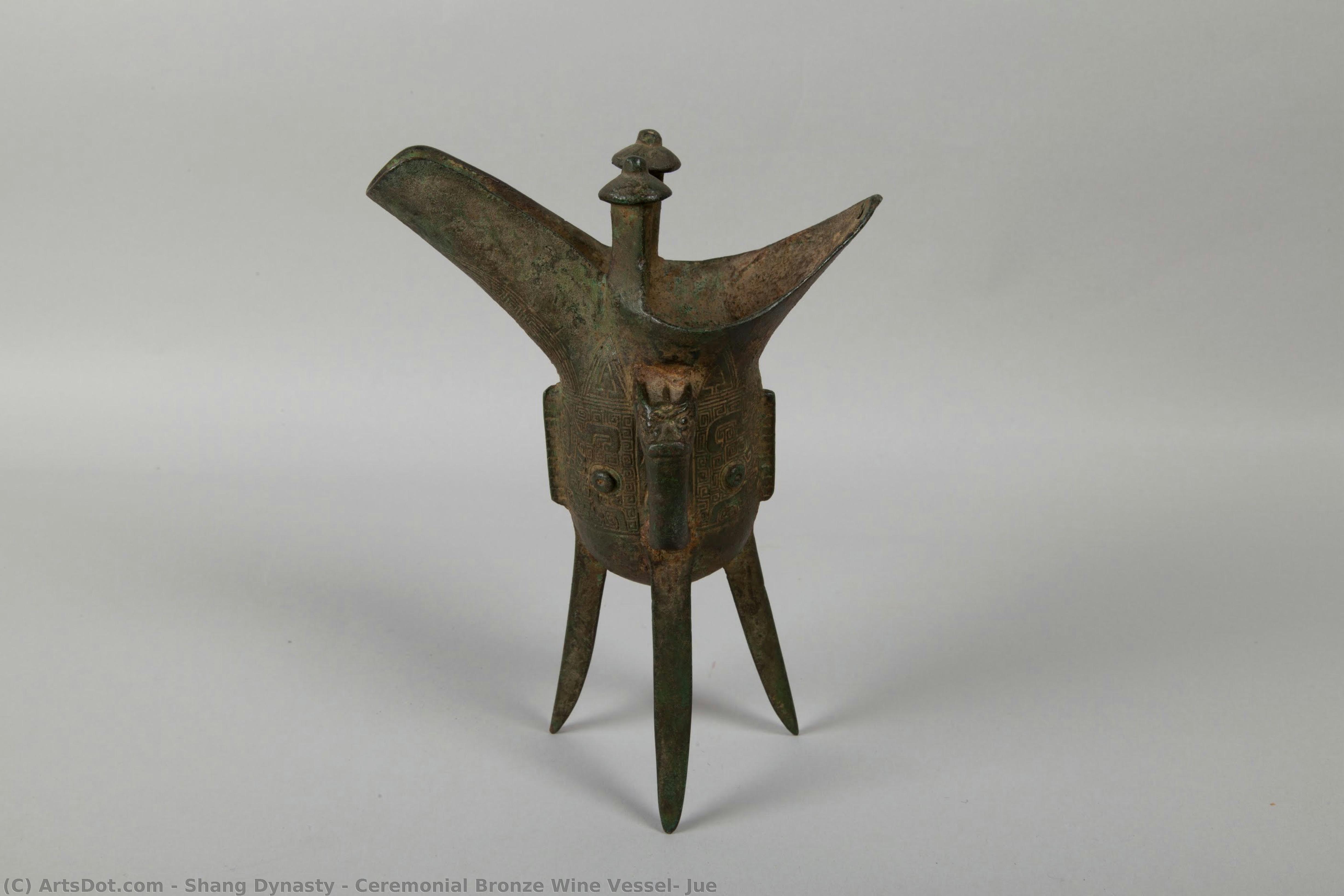
Ceremonial Bronze Wine Vessel, Jue


 Read More
Hand Made Oil Reproduction
Hand-painted oil on canvas in your size and frame, made to order by our artists. ( Buy Print Buy Image)




































Pick from our preset sizes that match the artwork's original proportions.

You may enter your own dimensions to fit a specific frame or space. If your selected size does not match the original image's proportions, we will either crop the artwork or extend the painting with additional hand-painted elements. A digital mockup will be sent for your approval before production begins.
Please note that the on-screen preview does not reflect the actual cropping or extension. Only the mockup will accurately show the final composition.
While custom sizes are available, we recommend selecting a dimension from the predefined list to preserve the original proportions.
After order, ArtsDot.com team will email client for instructions and provide a mockup preview
Worldwide Delivery () in 3/4 weeks instead of standard 5 weeks. (22 August). No compromise on quality.

Free Worldwide Express Shipping

High-Quality Linen Canvas

Full Shipping Insurance

Customs Tax Refund Guarantee

True Color Matching Guarantee

60-Day Return Policy (Defects Only)

100% Money-Back Guarantee

Bulk Discount Offer
 Glass option is only available in size under 110 CM

Ceremonial Bronze Wine Vessel, Jue
Reproduction Medium
Reproduction Size
-


Total Price
$ 263
Related Artworks






Artist Biography
Shang Dynasty: Echoes of Ritual and Bronze Mastery
The Shang dynasty (c. 1600 – c. 1046 BC), nestled in the fertile Yellow River valley, stands as a cornerstone of Chinese history—a civilization that birthed not only the earliest verifiable written language but also a profound spiritual worldview deeply intertwined with artistic expression. Unlike many preceding cultures shrouded in myth and legend, archaeological evidence provides tangible confirmation of Shang existence, allowing historians to reconstruct its society, beliefs, and achievements with remarkable precision. This article delves into the multifaceted legacy of the Shang, exploring its political organization, religious practices centered on divination and ancestor veneration, and most notably, its unparalleled mastery of bronze casting—a skill that continues to inspire awe and fascination today.Origins and Political Landscape
Emerging from the shadowy Xia dynasty (c. 2070 – c. 1600 BC), the Shang ascended to power through a protracted struggle for dominance, culminating in the decisive victory of Tang over Jie—the last Xia ruler—at Mingtiao Pass around 1298 BC. This triumph ushered in an era marked by centralized rule under Tang and his successors, who established their capital at Yin (later Anyang), transforming it into one of the largest urban centers of its time. The Shang kings exercised absolute authority, overseeing a complex bureaucracy staffed by officials appointed based on merit—a revolutionary concept for its age that foreshadowed later developments in Chinese governance. Furthermore, the Shang’s political structure was characterized by vassal states acknowledging the king's supremacy, fostering stability and facilitating trade across vast distances.Divination and Ritual: The Soul of Shang Belief
At the heart of Shang religion lay divination—a practice wherein priests consulted oracle bones (turtle shells or ox scapulae) inscribed with symbols representing Shang gods and ancestors to ascertain divine will. These bones were heated over an open flame, observing the cracks that appeared as smoke curled upwards—patterns interpreted by scribes according to established protocols. The Shang believed that spirits inhabited both the natural world and human beings, communicating through dreams and influencing earthly affairs. Ritual sacrifice—both animal sacrifices performed at royal shrines and offerings made to ancestral tombs—was considered essential for maintaining harmony between humans and gods. Elaborate bronze vessels adorned with intricate designs served as conduits for divine energy, symbolizing Shang kingship and reinforcing social cohesion. The Shang’s cosmology envisioned a hierarchical universe governed by Shangdi—the High God—who presided over a pantheon of deities representing celestial forces and ancestral spirits.Bronze Casting: An Artistic Revolution
The Shang dynasty revolutionized metalworking techniques, achieving unprecedented levels of sophistication in bronze casting—a skill that would dominate Chinese art for millennia to come. Shang artisans employed bellows to generate heat, utilizing molds crafted from clay and meticulously hammered bronze sheets into desired shapes. The resulting bronzes—ranging from ritual vessels like jue (wine goblets) and ding (tripods) to weapons and chariot fittings—were adorned with stylized depictions of animals, dragons, warriors, and mythological scenes—a visual language that reflected Shang cosmology and political ideology. These objects were not merely functional tools; they embodied symbolic representations of power, prestige, and divine authority. The stylistic conventions employed by Shang bronze casters—characterized by bilateral symmetry, stylized animal motifs, and geometric patterns—influenced subsequent artistic traditions throughout China and beyond.Legacy and Historical Significance
The Shang dynasty’s influence extends far beyond its immediate historical context. Its innovations in writing, governance, and metallurgy laid the groundwork for the development of Chinese civilization as we know it today. The Shang oracle bone script—the earliest known form of Chinese writing—provided invaluable insights into Shang religious beliefs, political practices, and social organization—a testament to the enduring power of archaeological evidence. Moreover, Shang bronze casting established a stylistic canon that persisted through dynastic cycles, shaping artistic aesthetics for centuries. As a society that embraced both ritual observance and technological advancement, the Shang dynasty stands as an emblem of Chinese cultural identity—a civilization whose achievements continue to inspire admiration and scholarly inquiry. Its legacy resonates in the grandeur of imperial tombs, the solemn beauty of Confucian temples, and the enduring fascination with bronze artistry—a testament to the indelible mark left by this formative epoch in Chinese history.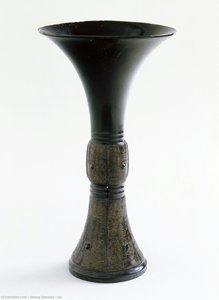
shang dynasty
China
Quick Facts
- Artistic Movement Or Style: Bronze Age China
- Artists Or Movements Influenced By This Artist: ['Zhou Dynasty']
- Artists Who Influenced This Artist: ['None Known']
- Full Name: Shang Dynasty
- Nationality: Chinese
- Notable Artworks:
- Erligang Culture Bronze Vessels
- Yanbu Assemblages
- Place Of Birth: China