 Preview
 Send
Send Share
Share
 Details

 Download
 Similars
 X-Ray
X-Ray Diaporama
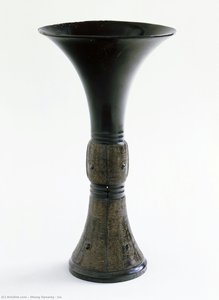
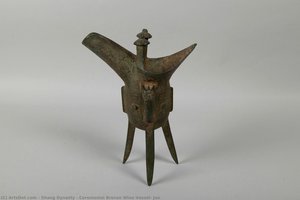
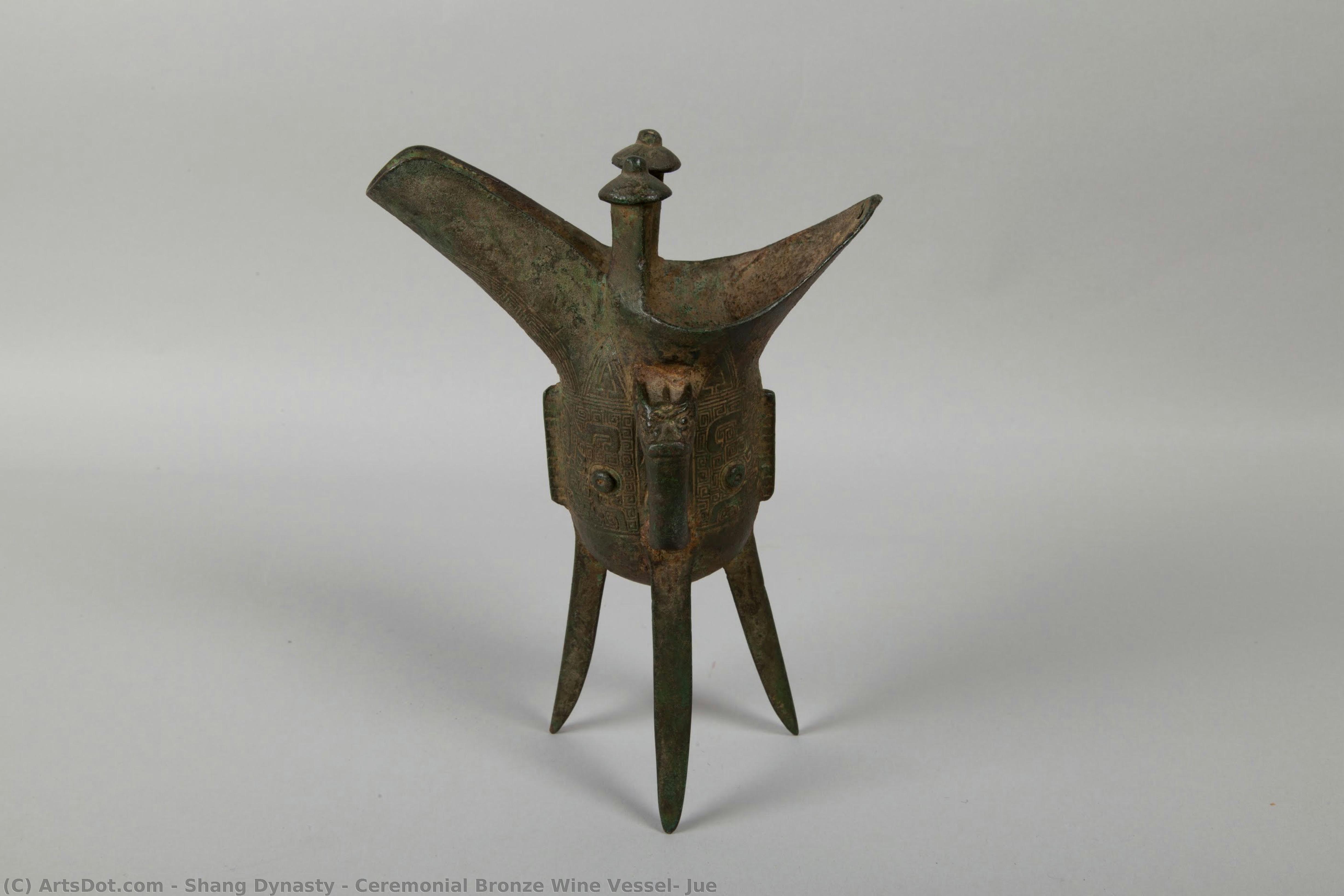
Ceremonial Bronze Wine Vessel, Jue


 Read More
Hand Made Oil Reproduction
Hand-painted oil on canvas in your size and frame, made to order by our artists. ( Buy Print Buy Image)




































Pick from our preset sizes that match the artwork's original proportions.

You may enter your own dimensions to fit a specific frame or space. If your selected size does not match the original image's proportions, we will either crop the artwork or extend the painting with additional hand-painted elements. A digital mockup will be sent for your approval before production begins.
Please note that the on-screen preview does not reflect the actual cropping or extension. Only the mockup will accurately show the final composition.
While custom sizes are available, we recommend selecting a dimension from the predefined list to preserve the original proportions.
After order, ArtsDot.com team will email client for instructions and provide a mockup preview
Worldwide Delivery () in 3/4 weeks instead of standard 5 weeks. (26 August). No compromise on quality.

Free Worldwide Express Shipping

High-Quality Linen Canvas

Full Shipping Insurance

Customs Tax Refund Guarantee

True Color Matching Guarantee

60-Day Return Policy (Defects Only)

100% Money-Back Guarantee

Bulk Discount Offer
 Glass option is only available in size under 110 CM

Ceremonial Bronze Wine Vessel, Jue
Reproduction Medium
Reproduction Size
-


Total Price
$ 263
Related Artworks







Artist Biography
The Bronze Echoes of the Shang Dynasty
To step into the world of the Shang Dynasty is to enter a realm where the boundaries between the earthly and the divine were forged in molten metal and inscribed upon bone. Nestled within the fertile embrace of the Yellow River valley, this civilization—often referred to as the Yin Dynasty—stands as the first true cornerstone of Chinese history, providing us with a tangible, written heartbeat from over three thousand years ago. Unlike the legends that preceded it, the Shang era offers a profound archaeological reality, where every shard of pottery and every heavy bronze vessel whispers stories of a complex society governed by ritual, lineage, and an unyielding devotion to the ancestors.
The essence of Shang artistry lies in its unparalleled mastery of bronze casting. This was not merely a technical achievement but a spiritual necessity. The artisans of this era developed sophisticated piece-mold casting techniques that allowed for incredibly intricate designs, characterized by the hauntingly beautiful taotie motifs—stylized, zoomorphic masks that seem to gaze from the depths of the metal. These vessels, such as the ceremonial jue wine vessels, were far more than containers; they were sacred instruments used in rituals to communicate with the high god, Di, and the spirits of deceased monarchs. The weight and complexity of these objects reflected the absolute authority of the Shang kings, whose power was inextricably linked to their ability to mediate between the heavens and the human realm.
Ritual, Divination, and the Written Word
At the soul of Shang culture lay the practice of divination, a mystical dialogue with the unseen. Through the use of oracle bones—typically turtle shells or ox scapulae—priests and shamans sought guidance on everything from military campaigns to the success of the harvest. The process was visceral: heat was applied to the bone until it cracked, and the resulting fissures were interpreted as messages from the ancestors. This practice birthed one of the most significant legacies of the dynasty: the Oracle Bone Script. This early form of Chinese writing represents the dawn of literacy in East Asia, a proto-script that would eventually evolve into the characters used by millions today.
This era was defined by a deep sense of continuity and ancestral veneration. The political landscape was a sophisticated web of centralized rule and vassal states, where the capital at Yin (modern-day Anyang) served as the ritualistic heart of the empire. The lives of the people were structured around the cycles of sacrifice and the maintenance of cosmic order. Through the meticulous creation of ritual objects and the recording of divinations, the Shang established a cultural blueprint—a way of seeing the world through the lens of lineage and ritualized duty—that would resonate through the subsequent millennia of Chinese imperial history.
A Legacy Cast in Time
The decline of the Shang dynasty, brought about by the conquest of the Zhou in the mid-11th century BC, did not signal the end of its influence. Instead, the foundations laid during this period—the mastery of metallurgy, the development of a writing system, and the profound religious focus on ancestor worship—became the bedrock upon which all future Chinese dynasties were built. The achievements of the Shang are not merely relics of a bygone age; they are the very echoes of a civilization that learned to capture the ephemeral spirit of the divine within the enduring strength of bronze.
- Historical Period: c. 1600 – c. 1046 BC
- Primary Mediums: Bronze casting, Oracle bone inscriptions, Jade carving
- Key Cultural Contributions: Earliest verifiable Chinese writing, Advanced metallurgy, Ancestor-centered religious structures
- Geographic Focus: Yellow River Valley, North China Plain
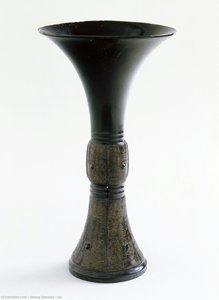
shang dynasty
China
Quick Facts
- Artistic Movement Or Style: Bronze Age China
- Artists Or Movements Influenced By This Artist: ['Zhou Dynasty']
- Artists Who Influenced This Artist: ['None Known']
- Full Name: Shang Dynasty
- Nationality: Chinese
- Notable Artworks:
- Erligang Culture Bronze Vessels
- Yanbu Assemblages
- Place Of Birth: China