 Preview
 Send
Send Share
Share
 Details

 Download
 Similars
 X-Ray
X-Ray Diaporama
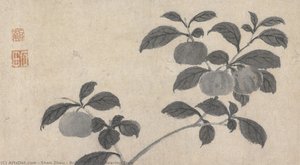
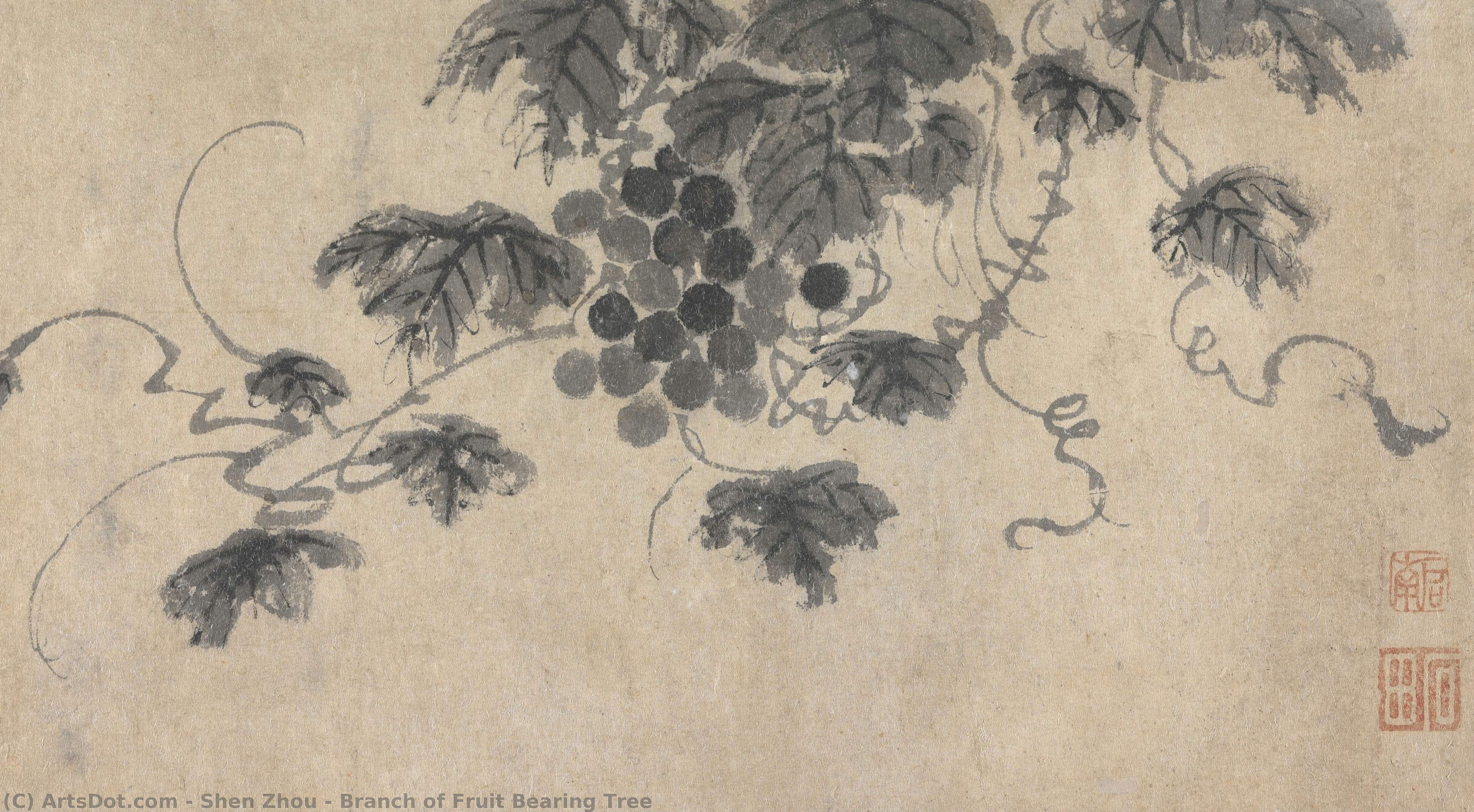
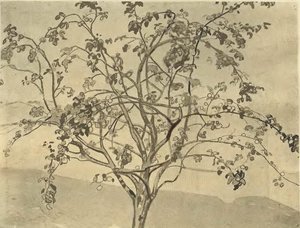
Branch of Fruit Bearing Tree


 Read More
Hand Made Oil Reproduction
Hand-painted oil on canvas in your size and frame, made to order by our artists. ( Buy Print Buy Image)




































Pick from our preset sizes that match the artwork's original proportions.

You may enter your own dimensions to fit a specific frame or space. If your selected size does not match the original image's proportions, we will either crop the artwork or extend the painting with additional hand-painted elements. A digital mockup will be sent for your approval before production begins.
Please note that the on-screen preview does not reflect the actual cropping or extension. Only the mockup will accurately show the final composition.
While custom sizes are available, we recommend selecting a dimension from the predefined list to preserve the original proportions.
After order, ArtsDot.com team will email client for instructions and provide a mockup preview
Worldwide Delivery () in 3/4 weeks instead of standard 5 weeks. (17 August). No compromise on quality.

Free Worldwide Express Shipping

High-Quality Linen Canvas

Full Shipping Insurance

Customs Tax Refund Guarantee

True Color Matching Guarantee

60-Day Return Policy (Defects Only)

100% Money-Back Guarantee

Bulk Discount Offer
 Glass option is only available in size under 110 CM

Branch of Fruit Bearing Tree
Reproduction Medium
Reproduction Size
-


Total Price
$ 263
Artwork Description
A Symphony of Nature in Monochrome
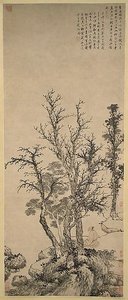
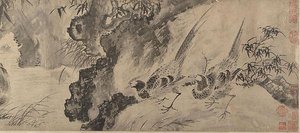
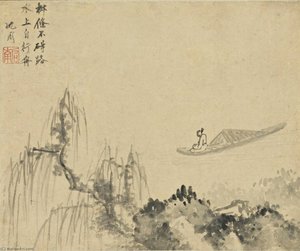
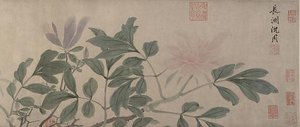
In the quietude of a single branch, Shen Zhou captures the very essence of vitality and the fleeting beauty of the natural world. Branch of Fruit Bearing Tree is not merely a botanical study; it is a profound meditation on life's abundance and the delicate balance of existence. Through a masterful command of monochrome tones, the artist invites the viewer into an intimate encounter with nature, where every curve of a stem and every weight of a ripening fruit tells a story of growth and seasonal grace. The painting breathes with a rhythmic elegance, as if one could almost hear the rustle of leaves in a gentle Ming dynasty breeze.
The composition draws the eye through a labyrinth of intricate details, where clusters of what appear to be plums or cherries hang with a heavy, luscious realism. The artist utilizes a sophisticated interplay of light and shadow, employing subtle gradations of ink to create a sense of three-dimensional volume. This technique allows the fruit to emerge from the darkness of the branches, appearing almost tactile to the touch. The stark contrast between the deep, velvety blacks and the luminous whites creates a dramatic tension that elevates the subject matter from a simple garden scene to a timeless masterpiece of classical artistry.
The Legacy of the Wu School
To understand this work, one must look toward the soul of the artist himself. Shen Zhou, a towering figure of the Ming Dynasty and the founder of the illustrious Wu School, lived a life defined by scholarly refinement and a deliberate retreat from the complexities of imperial bureaucracy. His art reflects this preference for the contemplative and the organic. Unlike the more rigid styles of his contemporaries, Shen Zhou’s approach embraced the "boneless" technique and a fluid, expressive line that prioritized the spirit of the subject over mere anatomical accuracy.
This piece serves as a quintessential example of the scholar-artist ideal, where the act of painting is an extension of one's moral and intellectual character. The meticulous attention to the texture of the bark and the translucency of the fruit reflects a deep respect for the natural order—a core tenet of the literati tradition. For the discerning collector or interior designer, this artwork offers more than just visual beauty; it provides a window into a historical era of profound philosophical depth, making it an exquisite centerpiece for any space dedicated to culture and tranquility.
An Eternal Presence for the Modern Interior
For those seeking to curate a space that evokes serenity and sophistication, Branch of Fruit Bearing Tree offers unparalleled versatility. Its monochromatic palette allows it to integrate seamlessly into a variety of high-end design aesthetics, from the minimalist grandeur of contemporary galleries to the warm, layered textures of a classical study. The artwork possesses a rare ability to command attention through its quiet strength rather than through loud or jarring colors.
As a reproduction, this piece brings the prestige of Chinese masterwork into the home, offering an emotional resonance that transcends time. It serves as a focal point for conversation and a source of daily inspiration, reminding the observer of the enduring beauty found in the smallest details of the earth. Whether placed in a sunlit salon or a quiet library, the painting radiates a sense of peace, making it an essential acquisition for anyone looking to infuse their environment with the timeless elegance of Shen Zhou’s vision.
Related Artworks
Artist Biography
A Life Dedicated to Art and Contemplation
Shen Zhou, a name synonymous with the flourishing of scholar-artist ideals in Ming dynasty China, was born in 1427 near Suzhou into a family whose wealth stemmed from both land ownership and service as tax collectors. This fortunate circumstance afforded him an upbringing steeped in learning and cultural refinement, yet he consciously chose a path diverging from the conventional expectations of his social standing. Rather than pursuing official examinations and a career within the imperial bureaucracy, Shen Zhou dedicated himself to filial piety, caring for his widowed mother, Chang Su-wan. This decision wasn’t one of resignation but rather a deliberate embrace of a reclusive life centered on artistic pursuits, intellectual exchange, and quiet contemplation – a lifestyle that would profoundly shape both his art and legacy. He lived a long life, dying in 1509, witnessing significant shifts within the Chinese political and artistic landscape, and ultimately becoming a pivotal figure in defining a new aesthetic direction.The Rise of the Wu School and a Revivalist Spirit
Shen Zhou’s artistic development unfolded during a period of considerable transition in Chinese painting history. The relocation of the Ming capital from Nanjing to Beijing created a cultural distance, lessening the direct influence of imperial tastes and allowing for regional styles to flourish. It was within this environment that Shen Zhou emerged as the founder of the Wu School, based in Suzhou. This wasn’t merely a geographical designation; it represented a conscious revival of artistic principles championed by scholar-painters of the preceding Yuan dynasty. These artists viewed painting not as a profession or a means to courtly favor, but as an integral part of self-cultivation – a meditative practice reflecting one's inner world and understanding of the universe. The Wu School painters deliberately distanced themselves from the more formal, technically precise style favored by the Ming court, seeking instead a return to the expressive freedom and individualistic spirit of earlier masters.Mastering Tradition, Forging a Unique Style
Shen Zhou’s artistic foundations were deeply rooted in the legacy of Yuan dynasty painters like Wang Meng, Huang Gongwang, and Wu Zhen. He meticulously studied their techniques, absorbing their compositional strategies and brushwork nuances. However, he wasn't simply an imitator; he possessed a remarkable ability to synthesize these influences with his own innovative sensibilities. His landscapes are particularly celebrated for their meticulous detail, reflecting both a reverence for Chinese history and the philosophical underpinnings of Confucianism. He also became renowned for his distinctive “boneless” flower paintings – delicate renderings of blossoms and foliage achieved without strong outlines, echoing the ethereal quality found in the works of Yuan masters. This technique demanded exceptional control over ink wash and an intuitive understanding of form. Beyond technical skill, Shen Zhou’s work is characterized by a harmonious integration of painting, poetry, and calligraphy. He frequently collaborated with fellow artists, engaging in gatherings where these art forms intertwined, creating holistic expressions of artistic vision. The accompanying poems were not mere embellishments but integral components of the artwork itself, adding layers of meaning and emotional resonance.A Lasting Legacy: The Four Masters and Beyond
Shen Zhou’s impact on Chinese art history is immeasurable. His establishment of the Wu School fostered a new generation of scholar-artists who carried forward his ideals of artistic independence and expressive freedom. He is rightfully regarded as one of the “Four Masters of Ming,” alongside Wen Zhengming, Tang Yin, and Qiu Ying – a testament to his enduring influence and exceptional talent. His art continues to be studied and admired for its technical brilliance, profound philosophical depth, and embodiment of the scholar-artist ideal. Shen Zhou’s work represents not just a revival of past traditions but a vital contribution to the ongoing evolution of Chinese painting, shaping the course of Ming dynasty aesthetics and leaving an indelible mark on subsequent generations of artists. He remains a significant figure whose serene landscapes and delicate floral studies continue to captivate and inspire.
Shen Zhou
1427 - 1509 , China
Quick Facts
- Artistic Movement Or Style: Wu School
- Artists Or Movements Influenced By This Artist:
- Wen Zhengming
- Tang Yin
- Qiu Ying
- Wu School
- Artists Who Influenced This Artist:
- Wang Meng
- Huang Gongwang
- Wu Zhen
- Date Of Birth: 1427
- Date Of Death: 1509
- Full Name: Shen Zhou
- Nationality: Chinese
- Notable Artworks:
- Landscape with Four Pines
- Marsh Scene with Birds
- Autumn Colors among Streams…
- Place Of Birth: Xiangcheng, China
Related Articles

Dark Masterpieces: 10 Iconic Paintings Dominated by Black Tones |
Explore 10 iconic paintings dominated by black tones, from Rembrandt’s chiaroscuro to Goya's dark expressions. Discover the stories behind these masterpieces & find museum-quality art reproductions for your home at .
Arboreal Echoes: A Historical & Artistic Exploration of Trees in Painting
Explore the rich history of trees in painting! Discover symbolism, Romantic masterpieces by Caspar David Friedrich & beyond. A curated journey for art enthusiasts.
Arboreal Echoes: A Historical & Artistic Exploration of Trees in Painting
Explore the rich history of trees in painting! Discover symbolism, Romantic masterpieces by Caspar David Friedrich & beyond. A curated journey for art enthusiasts.

Mars Black Masterpieces: 10 Iconic Paintings & Timeless Art Decor Ideas
Delve into the power of 'Mars Black' with 10 iconic paintings by masters like Rembrandt & Caravaggio. Explore dramatic chiaroscuro, gothic art, and timeless beauty. Find museum-quality reproductions & elevate your home decor on .
Lamp Black & Masterpieces: 10 Paintings That Define Shadow & Light |
Delve into the captivating world of 'Lamp Black' tones with 10 iconic paintings by masters like Rembrandt & Caravaggio. Explore Baroque chiaroscuro, dramatic lighting & shadow in art history. Find museum-quality reproductions at