 Preview
 Send
Send Share
Share
 Details

 Download
 Similars
 X-Ray
X-Ray Diaporama
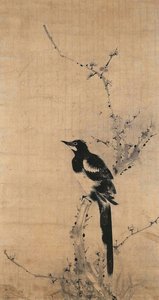
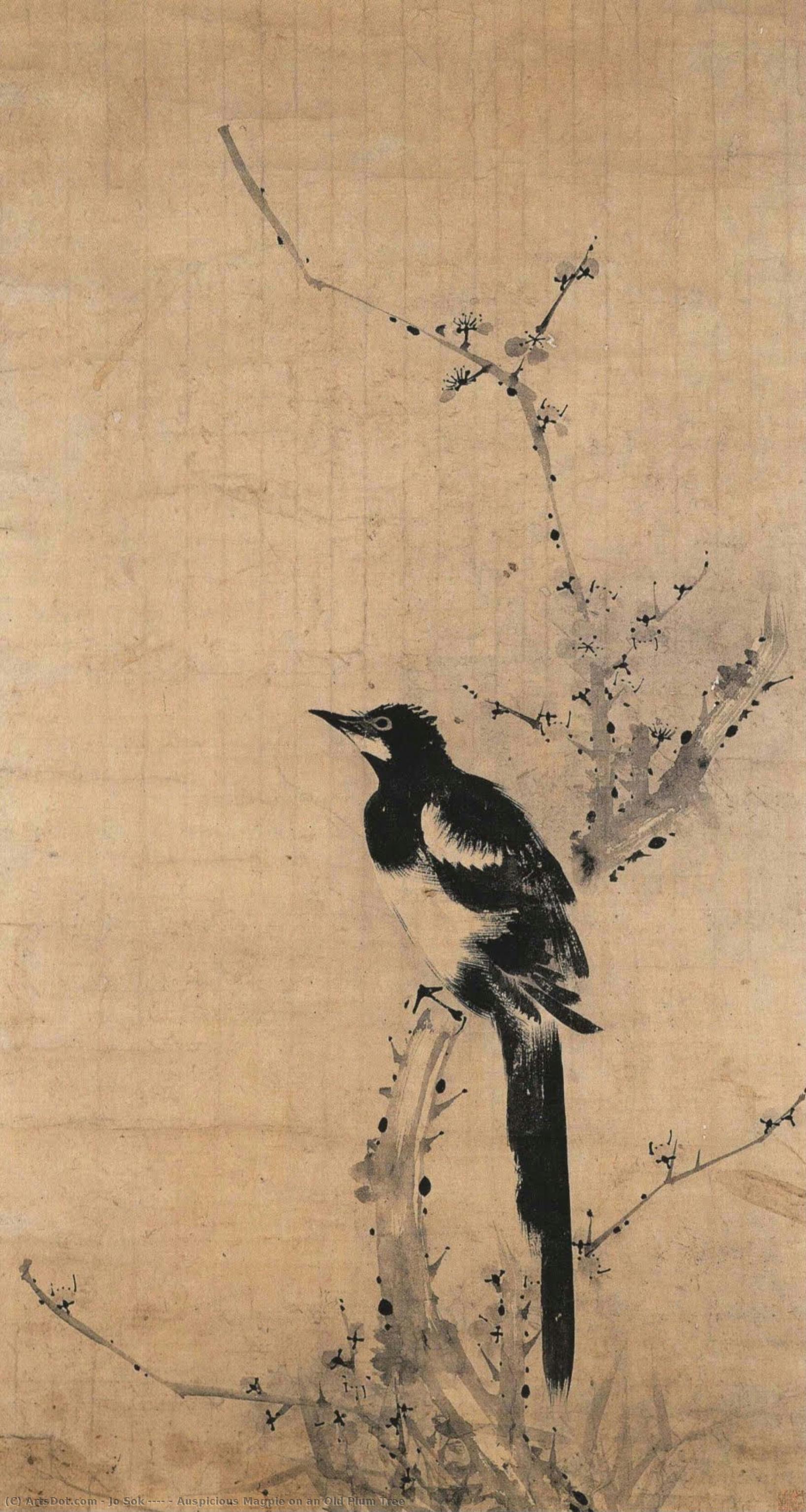
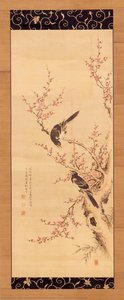
Auspicious Magpie on an Old Plum Tree
 Acrylic On Canvas
- WallArt
- Baroque
 55.0 x 100.0 cm
 National Museum of Korea
 Read More
Hand Made Oil Reproduction
Hand-painted oil on canvas in your size and frame, made to order by our artists. ( Buy Print Buy Image)




P118B $10

P118H $10

P118W $10

P438Z $10

P508JH $12

P508YH $12

P805H $10

P805Z $10

P919BZ $10

P919G $10

P919XJ $10

P959ZH $10

P968JZ $12

W106C $8

W218G $10

W218JH $8

W218Y $10

W307PJ $10

W316G $10

W316PJ $8

W316Y $10

W398PJ $8

W4111J $10

W500HY $15

W500JH $15

W692G $12

W849H $8

W940BG $15

W953PJ $8




Pick from our preset sizes that match the artwork's original proportions.

You may enter your own dimensions to fit a specific frame or space. If your selected size does not match the original image's proportions, we will either crop the artwork or extend the painting with additional hand-painted elements. A digital mockup will be sent for your approval before production begins.
Please note that the on-screen preview does not reflect the actual cropping or extension. Only the mockup will accurately show the final composition.
While custom sizes are available, we recommend selecting a dimension from the predefined list to preserve the original proportions.
After order, ArtsDot.com team will email client for instructions and provide a mockup preview
Worldwide Delivery () in 3/4 weeks instead of standard 5 weeks. (21 August). No compromise on quality.

Free Worldwide Express Shipping

High-Quality Linen Canvas

Full Shipping Insurance

Customs Tax Refund Guarantee

True Color Matching Guarantee

60-Day Return Policy (Defects Only)

100% Money-Back Guarantee

Bulk Discount Offer
 Glass option is only available in size under 110 CM

Auspicious Magpie on an Old Plum Tree
Reproduction Medium
Reproduction Size
-


Total Price
$ 263
Artwork Description
A Window Into Tranquility: Exploring Jo Sok’s ‘Auspicious Magpie on an Old Plum Tree’
Jo Sok (趙涑), born in Seoul in 1595 and tragically deceased in 1668, stands as a pivotal figure within the Korean artistic landscape of the Joseon Dynasty. While overshadowed by European masters like Caravaggio – whose dramatic chiaroscuro technique profoundly influenced artists across continents – Sok’s work possesses a quiet elegance and contemplative spirit that speaks volumes about his era and resonates powerfully with contemporary audiences. This meticulously crafted monochrome print, ‘Auspicious Magpie on an Old Plum Tree,’ exemplifies the artistic sensibilities of its time, offering a glimpse into Korean aesthetics and philosophical thought.The Essence of Monochrome Painting
Sok’s mastery lies in his unwavering dedication to the monochrome technique – a stylistic preference prevalent throughout Joseon Korea. Unlike vibrant color palettes favored by Western artists during Caravaggio's time, Sok opted for shades of grey, skillfully manipulating tonal variations to convey depth and emotion. This deliberate restraint wasn’t merely an aesthetic choice; it mirrored the Confucian ideals of simplicity and contemplation that underpinned Korean culture. The artist sought to distill the essence of his subject matter, prioritizing spiritual resonance over visual spectacle.A Symbolic Plum Tree: Resilience and Renewal
The central motif – a solitary magpie perched upon a venerable plum tree – is laden with symbolic significance. Plum blossoms are revered in Korea as emblems of perseverance and rebirth, representing resilience amidst adversity and the promise of springtime after winter’s dormancy. The magpie itself carries connotations of good fortune and wisdom, often associated with scholars and poets—a deliberate allusion to Zhao Shixiong, a celebrated Chinese poet who served as Sok's inspiration. This careful selection of imagery underscores Sok’s artistic intention: to capture not just a visual representation but also an intangible spirit of contemplation and hope.Technique and Craftsmanship: Precision and Detail
The print itself showcases remarkable craftsmanship—a testament to the meticulous techniques employed by Korean ukiyo-e artists. Using woodblocks carved with astonishing accuracy, Sok achieved unparalleled tonal gradation through multiple layers of ink applied with painstaking precision. The subtle nuances of grey – from palest washes to darkest shadows – create a breathtaking illusion of texture and form, drawing the viewer’s eye into the serene stillness of the scene. This dedication to detail reflects the Confucian emphasis on meticulousness and craftsmanship as virtues worthy of emulation.Emotional Resonance: Finding Beauty in Quietude
Ultimately, ‘Auspicious Magpie on an Old Plum Tree’ transcends mere visual representation; it evokes a profound emotional response. The muted palette invites introspection, prompting viewers to consider themes of solitude, contemplation, and the cyclical nature of existence. Like Caravaggio's masterful use of light and shadow, Sok skillfully employs tonal contrast to heighten dramatic effect—albeit in a restrained manner—creating an atmosphere of quiet solemnity that lingers long after viewing. It’s a piece designed not for immediate gratification but for sustained engagement with its contemplative beauty.Related Artworks





Artist Biography
Michelangelo Merisi da Caravaggio: A Life Painted in Shadow and Fire
Michelangelo Merisi da Caravaggio, more famously known simply as Caravaggio, remains one of the most enigmatic and influential figures in art history. Born in Milan in 1571, his life was a whirlwind of dramatic events—a volatile temper, frequent arrests, and a tragically short career—all interwoven with an unparalleled artistic vision that irrevocably altered the course of painting. His legacy rests not just on the beauty of his works but also on their raw emotional intensity, groundbreaking use of light and shadow, and the profound sense of realism he brought to religious subjects.
Caravaggio’s early life was marked by immense loss. Orphaned at the age of eleven following a devastating outbreak of the plague, he spent his formative years in Milan, an experience that profoundly shaped his worldview. He apprenticed under Simone Peterzano, but quickly abandoned conventional techniques, seeking instead to capture the gritty reality of everyday life and human emotion with startling immediacy. This pursuit led him to Rome around 1592, a city teeming with artistic ambition and rife with opportunity – and danger. It was in this vibrant, chaotic environment that Caravaggio’s distinctive style began to take shape.
The Revolutionary Technique: Chiaroscuro and Realism
Caravaggio's genius lay not just in his subject matter but fundamentally in his technique. He pioneered the use of chiaroscuro – a dramatic contrast between light and dark – to create an almost theatrical effect, pulling viewers directly into the heart of his scenes. He eschewed idealized depictions of saints and biblical figures, instead portraying them as ordinary people, often drawn from the streets of Rome—with their wrinkles, dirt, and imperfections. This radical departure from established artistic conventions was initially met with resistance but quickly gained him a devoted following.
His approach to composition was equally innovative. He frequently cropped his scenes tightly, filling the canvas with figures and creating an intimate, almost claustrophobic atmosphere. He employed a technique of *tenebrism*, where dark backgrounds dominate the scene, highlighting key figures in pools of light. This heightened sense of drama and immediacy became the hallmark of his style, influencing generations of artists who followed.
Key Works: A Testament to His Vision
Several paintings exemplify Caravaggio’s revolutionary approach. “The Musicians” (1595), commissioned by Cardinal Francesco Maria del Monte, is a prime example of his pioneering realism and masterful use of chiaroscuro. The painting depicts four male figures engaged in a musical performance, capturing the energy and spontaneity of the scene with remarkable detail. “David with the Head of Goliath” (1609-10) showcases his ability to imbue even violent scenes with profound emotional depth. “The Calling of St. Matthew” (1599-1600), part of the Contarelli Chapel cycle, is perhaps his most famous work, depicting the moment when Christ calls Matthew to follow him. The painting’s dramatic lighting and dynamic composition draw the viewer directly into the scene, creating a powerful sense of immediacy.
A Turbulent Life: Violence, Flight, and Redemption
Caravaggio's life was as turbulent as his art. He possessed a notoriously volatile temper, frequently engaging in brawls and earning numerous arrests for violent behavior. In 1606, he tragically killed a man named Ranuccio Tomassoni during a street fight, an event that led to his flight from Rome and a desperate search for redemption. He spent time in Naples, Sicily, and Malta, continuing to paint prolifically but always under the shadow of his past.
Despite his troubled life, Caravaggio’s artistic reputation continued to grow. He was eventually pardoned and returned to Rome in 1610, where he died shortly thereafter. His death, shrouded in mystery, only added to the legend surrounding this extraordinary artist. His legacy endures as a testament to the power of art to capture human emotion, challenge conventions, and transform our understanding of the world.
Caravaggio’s Influence: A Lasting Impact
Caravaggio's influence on subsequent generations of artists is immeasurable. His innovations in realism, chiaroscuro, and dramatic composition profoundly shaped the development of Baroque painting. Artists such as Rembrandt, Velázquez, and Gentileschi were all deeply influenced by his work. His emphasis on capturing human emotion and portraying everyday people with honesty and intensity continues to resonate with viewers today, solidifying Caravaggio’s place as one of the greatest painters in history.
jo sok (趙涑)
1595 - 1668 , South Korea
Quick Facts
- Artistic Movement Or Style: Baroque; Tenebrism
- Artists Or Movements Influenced By This Artist: ['Caravaggisti']
- Artists Who Influenced This Artist: ['Caravaggio']
- Date Of Birth: September 29, 1571
- Date Of Death: July 18, 1610
- Full Name: Michelangelo Merisi da Caravaggio
- Nationality: Italian
- Notable Artworks:
- The Musicians
- The Death of the Virgin
- David with the Head of Goliath
- Supper at Emmaus
- Place Of Birth: Milan, Italy
Related Articles

Giclée Prints: Archival Quality & Aesthetic Nuances for the Discerning Collector
Explore the world of giclée prints with ArtsDot. Learn about archival quality, aesthetic nuances & investment potential. Expert guidance for discerning art collectors seeking museum-quality reproductions and lasting value.

The Enduring Legacy of Fine Art Prints: Technique, History & Aesthetic Impact
Explore the rich history & techniques of fine art prints. Discover investment potential, assess authenticity, and learn how to preserve your collection with expert guidance. Trusted insights for discerning collectors.

Echoes of Time: Exploring the Enduring Appeal & Historical Context of Vintage Art Prints
Explore the captivating world of vintage art prints! Discover their history, collecting tips & enduring appeal. Expert insights on chromolithography and building a legacy collection with ArtsDot.
The Enduring Legacy of Printmaking: Techniques, Themes & Artistic Innovation Across Centuries
Explore the rich history of printmaking with ArtsDot. Discover techniques from intaglio to lithography, learn about collecting valuable prints & find museum-quality reproductions. Expert insights for art enthusiasts and collectors.
The Enduring Legacy of Woodblock Printmaking: Technique, History & Artistic Expression
Explore the rich history of woodblock printmaking – from ancient techniques to Ukiyo-e masterpieces. Discover expert insights on collecting, preserving & appreciating this enduring art form.