 Send
Send Share
Share
 Details

 Download
 Similars
 Diaporama
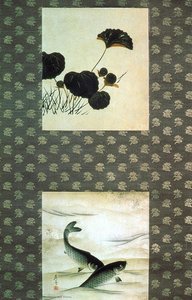
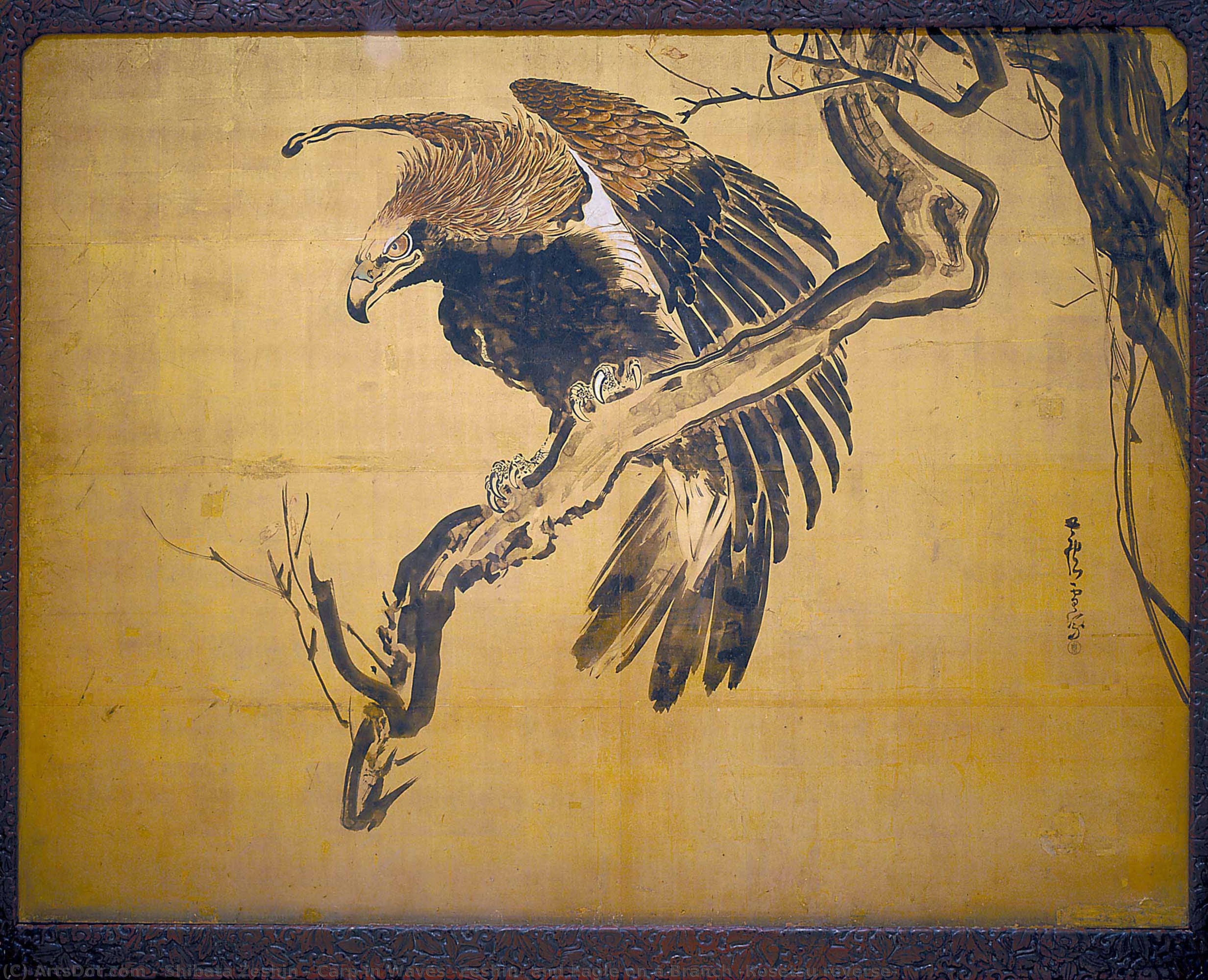
Carp in Waves (Zeshin) and Eagle on a Branch (Rosetsu reverse)


 Read More
Hand Made Oil Reproduction
Hand-painted oil on canvas in your size and frame, made to order by our artists. ( Buy Print Buy Image)




































Pick from our preset sizes that match the artwork's original proportions.

You may enter your own dimensions to fit a specific frame or space. If your selected size does not match the original image's proportions, we will either crop the artwork or extend the painting with additional hand-painted elements. A digital mockup will be sent for your approval before production begins.
Please note that the on-screen preview does not reflect the actual cropping or extension. Only the mockup will accurately show the final composition.
While custom sizes are available, we recommend selecting a dimension from the predefined list to preserve the original proportions.
After order, ArtsDot.com team will email client for instructions and provide a mockup preview
Worldwide Delivery () in 3/4 weeks instead of standard 5 weeks. (22 August). No compromise on quality.

Free Worldwide Express Shipping

High-Quality Linen Canvas

Full Shipping Insurance

Customs Tax Refund Guarantee

True Color Matching Guarantee

60-Day Return Policy (Defects Only)

100% Money-Back Guarantee

Bulk Discount Offer
 Glass option is only available in size under 110 CM

Carp in Waves (Zeshin) and Eagle on a Branch (Rosetsu reverse)
Reproduction Medium
Reproduction Size
-


Total Price
$ 263
Artwork Description
A Symphony of Nature and Craftsmanship
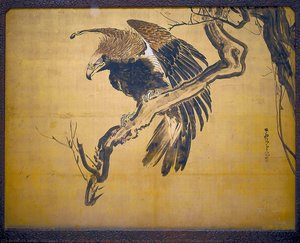
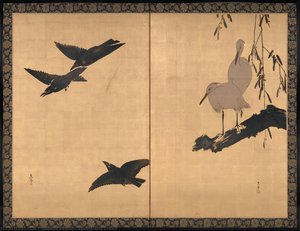
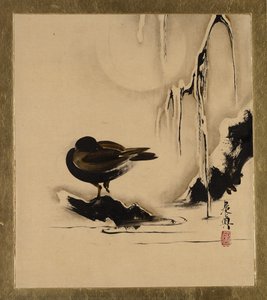
In the delicate dance between movement and stillness, Carp in Waves (Zeshin) and Eagle on a Branch (Rosetsu reverse) emerges as a breathtaking testament to the heights of Japanese artistry. This exquisite composition invites the viewer into a world where the raw power of nature is captured with unparalleled grace. At first glance, one is struck by the dramatic presence of an eagle, its wings unfurled in a moment of sudden, majestic motion. The bird’s sharp talons and formidable silhouette suggest a predator poised for flight, yet it remains anchored to a weathered branch, creating a tension that is both thrilling and serene. This duality—the explosive energy of life paired with the quietude of the natural landscape—is what makes this piece an enduring masterpiece for any discerning collector.
The visual splendor of the work is elevated by its masterful use of maki-e and gold leaf, techniques that lend a luminous, ethereal quality to the scene. The background, shimmering with gilded light, does more than merely provide a setting; it creates an atmosphere of divine radiance, as if the trees and sky are bathed in the eternal glow of a celestial dawn. This rich, vibrant application of gold allows the painting to transform any interior space, acting as a focal point that captures and reflects ambient light, bringing a sense of luxury and warmth to a room. For the interior designer, such a piece offers a profound opportunity to introduce texture and depth, bridging the gap between traditional heritage and contemporary elegance.
The Legacy of Shibata Zeshin
To understand the soul of this artwork, one must look to the hands that shaped it. The inclusion of Shibata Zeshin’s signature marks a connection to one of the most innovative figures of the Edo and Meiji eras. Zeshin was not merely a painter but a master lacquerer, a distinction that allowed him to manipulate materials with a precision rarely seen in his contemporaries. His ability to blend the meticulous discipline of woodworking and lacquerwork with the fluid, expressive strokes of ukiyo-e painting results in a texture that feels almost tactile. When viewing a reproduction of this work, one can sense the weight of history and the deliberate, rhythmic application of pigment that defines Zeshin’s singular vision.
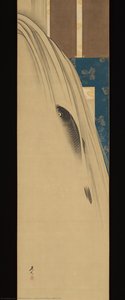
The symbolism embedded within the imagery offers layers of meaning for those who look closer. The carp, navigating through turbulent waves, has long been a symbol of perseverance, strength, and the ability to overcome great obstacles. When paired with the eagle, a creature representing courage and far-reaching vision, the artwork becomes a meditation on resilience and the soaring spirit of the human experience. It is this profound emotional resonance—the ability to evoke feelings of triumph and tranquility simultaneously—that makes this piece an incomparable choice for those seeking art that inspires contemplation and provides a sense of enduring strength within the home.
Related Artworks





Artist Biography
A Singular Vision: Shibata Zeshin (1807-1891)
Shibata Zeshin stands apart in the annals of Japanese art history—a figure simultaneously lauded as a revolutionary innovator and dismissed as stubbornly traditional. Born in Edo (modern Tokyo) in 1807, he descended from a lineage steeped in craftsmanship; his grandfather was a shrine carpenter, and his father, Ichigoro Shibata, possessed considerable skill as an ukiyo-e painter, having studied under Katsukawa Shunshō—a formative influence that instilled within him the values of meticulous observation and artistic discipline. This early exposure to both woodworking and painting would prove instrumental in shaping Zeshin’s distinctive oeuvre.- Early Apprenticeship & Suzuki Nanrei:
- The Pursuit of Mastery: Studying Under Nanrei
- Zeshin's Artistic Persona: “This Is True” – The Significance of His Name
Innovation Amidst Tradition: Zeshin’s Distinctive Style
Zeshin’s artistic style is characterized by a remarkable blend of meticulous realism and subtle expressive nuance. While adhering to established conventions of Sumi-e painting—particularly the depiction of landscapes and animals—he pushed boundaries through his masterful use of *maki-e*, a technique involving applying metallic pigments onto lacquer surfaces. This innovative approach allowed him to imbue his works with shimmering luminescence and textural depth, elevating them beyond mere representation into embodiments of spiritual contemplation. His paintings frequently explored themes of Buddhist serenity and harmony, reflecting the prevailing intellectual currents of the Meiji era.- Landscapes & Tigers: Capturing Nature’s Essence
- Maki-e Technique: Light & Texture in Japanese Lacquer Art
Legacy & Recognition: Zeshin’s Enduring Influence
Despite criticisms leveled against his perceived conservatism within Japan, Shibata Zeshin achieved considerable acclaim in the West, particularly in England and the United States. His works were exhibited internationally, garnering admiration for their aesthetic beauty and technical virtuosity—a testament to his artistic genius and a reflection of the burgeoning interest in Japanese art during the late nineteenth century. Today, Zeshin’s paintings continue to captivate audiences worldwide, serving as enduring symbols of Japan's artistic tradition and demonstrating the transformative power of blending meticulous observation with innovative technique. His legacy persists as an exemplar of artistic integrity and unwavering devotion to craft—a singular vision that resonates across time and culture.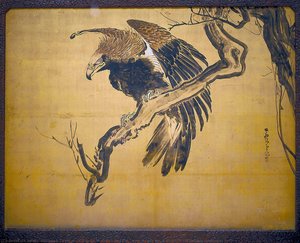
Shibata Zeshin
1807 - 1891
Quick Facts
- Artistic Movement Or Style: Sumi-e; Maki-e
- Artists Or Movements Influenced By This Artist: ['Japanese lacquer art']
- Artists Who Influenced This Artist:
- Suzuki Nanrei
- Katsukawa Shunshō
- Date Of Birth: March 15, 1807
- Date Of Death: July 13, 1891
- Full Name: Shibata Zeshin
- Nationality: Japanese
- Notable Artworks:
- Flowers (pink & white) and Leaves, Clappers
- Waterfall and Monkeys
- Garden Scene
- Place Of Birth: Tokyo, Japan
Related Articles

Golden Masterpieces: 10 Paintings That Define Art History | ArtsDot
Explore 10 breathtaking paintings where gold leaf shines! From Klimt to Byzantine icons, discover art history’s most gilded masterpieces. Find museum-quality reproductions & elevate your home decor with ArtsDot. Explore the full collection online.
The Allure of Gold in Art History: Symbolism, Technique & Cultural Significance
Explore the rich history of gold in art! Discover symbolism, techniques & cultural significance from ancient civilizations to Klimt's masterpieces. Expert insights for collectors at ArtsDot.
Golden Glow: How to Use Metallic Gold Artworks to Elevate Your Home Decor with Timeless Luxury
Discover how to elevate your home with the timeless elegance of metallic gold artworks. From sculptural metal pieces to gilded oil paintings, learn expert interior design tips for integrating luxurious gold accents into your space with sophistication and grace.

Hokusai's Masterpieces: 25 Iconic Prints & Paintings for Art Lovers | ArtsDot
Journey through Katsushika Hokusai’s 25 most iconic artworks, including *The Great Wave*. Explore the ukiyo-e master's history, style & timeless Japanese woodblock prints. Find museum-quality reproductions for your home at ArtsDot.com.
25 Klimt Masterpieces: A Journey Through Iconic Art & Decor
Delve into the world of Gustav Klimt with our top 25 masterpieces! Explore his iconic paintings – 'The Kiss,' 'Portrait of Adele,' and more. Discover museum-quality reproductions & curated decor ideas. Explore the full collection online at ArtsDot.com.