

 Preview
 Send
Send Share
Share
 Details

 Download
 Similars
 X-Ray
X-Ray Diaporama
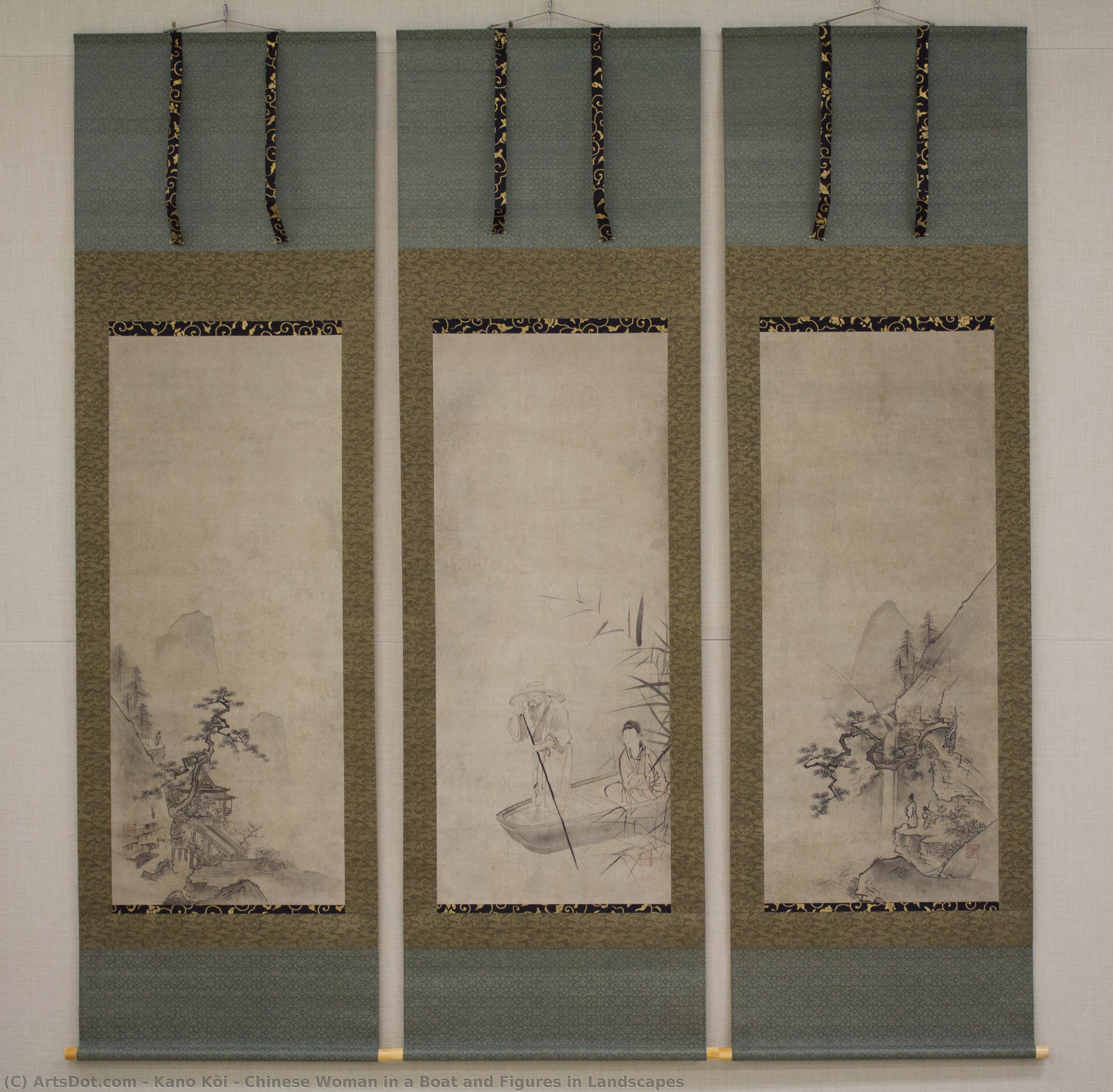
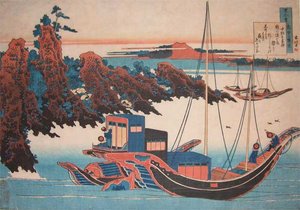
Chinese Woman in a Boat and Figures in Landscapes


 Read More
Hand Made Oil Reproduction
Hand-painted oil on canvas in your size and frame, made to order by our artists. ( Buy Print Buy Image)




































Pick from our preset sizes that match the artwork's original proportions.

You may enter your own dimensions to fit a specific frame or space. If your selected size does not match the original image's proportions, we will either crop the artwork or extend the painting with additional hand-painted elements. A digital mockup will be sent for your approval before production begins.
Please note that the on-screen preview does not reflect the actual cropping or extension. Only the mockup will accurately show the final composition.
While custom sizes are available, we recommend selecting a dimension from the predefined list to preserve the original proportions.
After order, ArtsDot.com team will email client for instructions and provide a mockup preview
Worldwide Delivery () in 3/4 weeks instead of standard 5 weeks. (18 August). No compromise on quality.

Free Worldwide Express Shipping

High-Quality Linen Canvas

Full Shipping Insurance

Customs Tax Refund Guarantee

True Color Matching Guarantee

60-Day Return Policy (Defects Only)

100% Money-Back Guarantee

Bulk Discount Offer
 Glass option is only available in size under 110 CM

Chinese Woman in a Boat and Figures in Landscapes
Reproduction Medium
Reproduction Size
-


Total Price
$ 288
Artwork Description
Introduction to Ukiyo-e Art Movement
Ukiyo-e, a genre of Japanese art that flourished from the 17th through 19th centuries, is renowned for its woodblock prints and paintings depicting various subjects such as female beauties, kabuki actors, sumo wrestlers, historical scenes, folk tales, travel landscapes, flora, fauna, and erotica. The term Ukiyo-e (浮世絵) translates to 'picture[s] of the floating world', reflecting the hedonistic lifestyle of Edo's chōnin class (merchants, craftsmen, and workers).Artist: Kano Kōi
Kano Kōi was a prominent Japanese painter who lived from 1801 to 1865. He belonged to the prestigious Kano school, which dominated Japanese painting for over four centuries. The Kano school was known for its refined and elegant style, often depicting traditional subjects in a decorative manner.Painting: Chinese Woman in a Boat and Figures in Landscapes
'Chinese Woman in a Boat and Figures in Landscapes' is an exquisite painting by Kano Kōi, showcasing his mastery of the Ukiyo-e style. The artwork features a Chinese woman gracefully rowing a boat amidst a serene landscape. The artist's use of vibrant colors and fluid brushwork creates a captivating scene that invites the viewer to explore the beauty of nature and the elegance of human figures.Historical Context
In 1603, Edo (present-day Tokyo) became the seat of the ruling Tokugawa shogunate, leading to rapid economic growth and the emergence of a new social class: the chōnin. The chōnin indulged in entertainment such as kabuki theatre, geisha, and courtesans, creating demand for ukiyo-e artworks that depicted their hedonistic lifestyle.Artistic Style and Techniques
Ukiyo-e artists used woodblock prints and paintings to create intricate compositions with a wide range of subjects. The printing process involved multiple woodblocks, each dedicated to a specific color or detail, resulting in richly layered images. Artists rarely carved their own woodblocks; instead, production was divided among the artist, carver, printer, and publisher.Conclusion
'Chinese Woman in a Boat and Figures in Landscapes' by Kano Kōi is an exceptional example of Ukiyo-e artistry. The painting showcases the artist's skillful use of color, composition, and subject matter to create a captivating work that embodies the essence of the floating world. To learn more about ukiyo-e or explore other masterpieces, visit ArtsDot.com.- Reference: The Ukiyo-e Art Movement
- Related Painting: Chinese Woman in a Boat and Figures in Landscapes
- Artist: Kano Kōi
Related Artworks
Artist Biography
Kanō Kōi (狩野興以, ?-1636): A Master of Tranquility and Tradition
Kanō Kōi (狩野興以), born around 1598 in Wenzhou, China, was a pivotal figure in Japanese painting during the Edo period (1615–1868). Though his birth place suggests Eastern influences, Kōi’s artistic journey firmly established him as one of the most celebrated practitioners of Kanō school painting—a style characterized by meticulous detail, serene landscapes, and profound spiritual contemplation. His legacy continues to inspire artists today, cementing his position as a cornerstone of Japanese art history.Early Life and Training
Little is known about Kōi’s formative years beyond confirming he was the son of Kanō Hansui (狩野漢水), one of Japan's foremost landscape painters and a pioneer in introducing Chinese artistic conventions into Japanese painting. Hansui recognized his son’s talent early on, initiating him into the rigorous training demanded by the Kanō school—a lineage dedicated to preserving and elevating Buddhist aesthetics through masterful brushwork and pigment application. This intensive apprenticeship instilled in Kōi a deep understanding of compositional principles, color theory, and the expressive power of ink and mineral pigments.The Kanō School’s Influence: Bridging East and West
The Kanō school's philosophy centered on synthesizing Chinese landscape painting techniques with Japanese sensibilities. Influenced by Tang Dynasty masters like Wang Wei (王維), Kōi embraced a contemplative approach, prioritizing harmony between nature and spirituality. He skillfully blended Chinese compositional strategies—such as the use of interlocking vistas—with Japanese aesthetic ideals—emphasizing subtlety and understated beauty—resulting in paintings that transcend mere representation to convey profound emotional resonance. This fusion represents a crucial moment in artistic exchange between East and West, demonstrating Japan’s ability to absorb and adapt foreign traditions while maintaining its distinctive cultural identity.Notable Works: Landscapes of Serenity and Symbolism
Kōi produced an impressive oeuvre encompassing landscapes, portraits, and decorative panels—primarily commissioned by Buddhist temples and aristocratic patrons. Among his most iconic works are “Chinese Woman in a Boat,” featuring a serene depiction of a woman seated in a boat amidst a tranquil landscape populated by pine trees—a motif symbolizing longevity and resilience—and “Pheasant and Pine,” which exemplifies Kōi’s masterful use of color and brushwork to capture the essence of autumn. These paintings are renowned for their meticulous detail, luminous pigments, and harmonious balance, reflecting Kōi's unwavering commitment to conveying spiritual contemplation through visual artistry. The subtle gradations of color and the delicate rendering of textures underscore his profound understanding of materiality and its expressive potential.Legacy and Historical Significance
Kanō Kōi’s influence extended far beyond his lifetime, shaping the artistic landscape of subsequent generations. His meticulous technique and philosophical outlook established a standard for landscape painting that endured throughout the Edo period and influenced artists who followed. Furthermore, he played an instrumental role in establishing the Kanō school as Japan's premier artistic institution—a tradition dedicated to upholding Buddhist ideals through exceptional craftsmanship. Kōi’s paintings continue to be studied and admired globally, serving as enduring symbols of Japanese artistic excellence and spiritual contemplation—a testament to his profound contribution to art history. His work embodies a timeless pursuit of beauty and harmony, resonating with viewers across cultures and eras.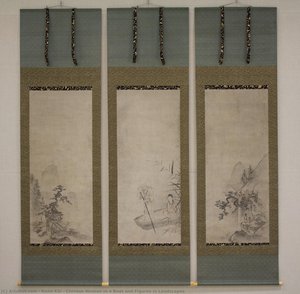
kanō kōi
1636 , China
Quick Facts
- Artistic Movement Or Style: Kanō school painter
- Artists Or Movements Influenced By This Artist: ['Japanese ink painting']
- Artists Who Influenced This Artist: ['Unknown Artist']
- Date Of Death: 1636
- Full Name: kanō kōi
- Nationality: Japanese
- Notable Artworks: ['Chinese Woman in a Boat and Figures in Landscapes']
- Place Of Birth: Wenzhou, China
Related Articles

Hokusai's Masterpieces: 25 Iconic Prints & Paintings for Art Lovers | ArtsDot
Journey through Katsushika Hokusai’s 25 most iconic artworks, including *The Great Wave*. Explore the ukiyo-e master's history, style & timeless Japanese woodblock prints. Find museum-quality reproductions for your home at ArtsDot.com.
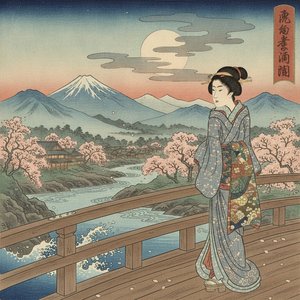
Ukiyo-e's Greatest Hits: 10 Masterpieces That Shaped a Movement | ArtsDot
Journey into Japan's 'Floating World'! Explore 10 Ukiyo-e masterpieces by Hokusai, Hiroshige & more. Discover the stories behind these iconic woodblock prints and bring timeless Japanese art to your home with ArtsDot.com. Explore the full collection online.
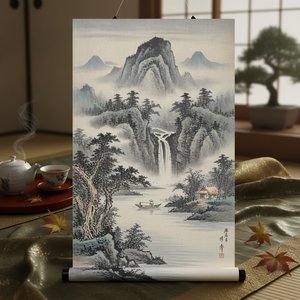
Serenity on Canvas: A Guide to the Timeless Beauty of Japanese Landscape Painting
Discover the serene beauty of Japanese landscape painting. From Hokusai's iconic woodblock prints to meditative sumi-e ink washes, explore a visual journey through the 'floating world' and learn how to bring this timeless Zen aesthetic into your modern home decor.

Floating World: The Captivating Art and Legacy of Japanese Ukiyo-e
Explore the profound beauty of Japanese Ukiyo-e. Discover the history, masters like Hokusai, and the enduring legacy of the 'Floating World' through an expert art-historical lens.

Ukiyo-e: Exploring Japan's Floating World & Enduring Artistic Legacy
Explore the captivating world of Ukiyo-e – Japan's iconic woodblock prints! Discover masters like Hokusai & Hiroshige, learn about Edo period culture, and find expert art collecting guidance at ArtsDot.


