 Send
Send Share
Share
 Details

 Download
 Similars
 Diaporama
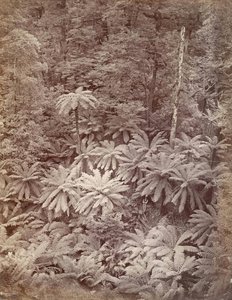
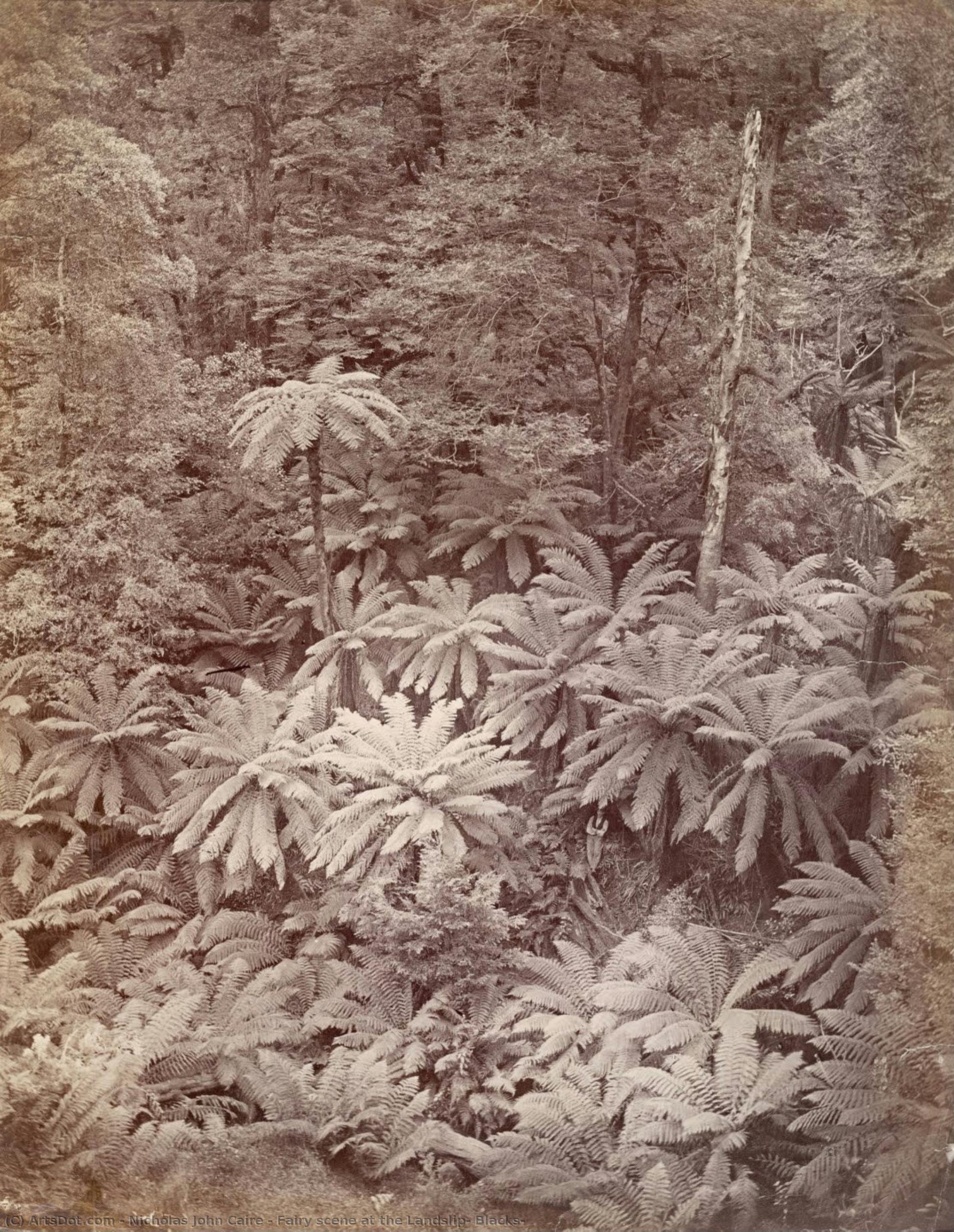
Fairy scene at the Landslip, Blacks
 Black and White Photography
- Photo
 1878
1878- 19th Century
 28.0 x 22.0 cm
 National Gallery of Victoria
 Read More
Hand Made Oil Reproduction
Hand-painted oil on canvas in your size and frame, made to order by our artists. ( Buy Print Buy Image)




































Pick from our preset sizes that match the artwork's original proportions.

You may enter your own dimensions to fit a specific frame or space. If your selected size does not match the original image's proportions, we will either crop the artwork or extend the painting with additional hand-painted elements. A digital mockup will be sent for your approval before production begins.
Please note that the on-screen preview does not reflect the actual cropping or extension. Only the mockup will accurately show the final composition.
While custom sizes are available, we recommend selecting a dimension from the predefined list to preserve the original proportions.
After order, ArtsDot.com team will email client for instructions and provide a mockup preview
Worldwide Delivery () in 3/4 weeks instead of standard 5 weeks. (18 August). No compromise on quality.

Free Worldwide Express Shipping

High-Quality Linen Canvas

Full Shipping Insurance

Customs Tax Refund Guarantee

True Color Matching Guarantee

60-Day Return Policy (Defects Only)

100% Money-Back Guarantee

Bulk Discount Offer
 Glass option is only available in size under 110 CM

Fairy scene at the Landslip, Blacks
Reproduction Medium
Reproduction Size
-


Total Price
$ 263
Artwork Description
A Portal to a Lost Wilderness
In the heart of the nineteenth century, as the world began to accelerate through industrial progress, there existed a profound longing for the untouched, the primordial, and the mystical. Nicholas John Caire, a master of the lens, captured this sentiment perfectly in his most celebrated work, Fairy scene at the Landslip, Blacks. This breathtaking image does more than merely document a landscape; it invites the viewer into a realm where the boundaries between reality and folklore dissolve. Through the delicate interplay of light and shadow, Caire presents a lush, verdant sanctuary dominated by towering tree ferns that dwarf the human presence within the frame. The composition creates an immediate sense of scale, reminding us of the ancient, prehistoric majesty of the Australian bush, where every frond and shadowed hollow seems to pulse with a hidden life.
The photograph serves as a quintessential example of the pteridomania—the fern fever—that swept through Victorian society. To the nineteenth-century eye, these graceful, flowing shapes were not merely botanical specimens but exotic relics of a bygone era, suggesting the very origins of our planet. Caire himself leaned into this romanticism, poetically noting that such fern gullies suggested the homes of fairies, capable of inducing a state of ecstatic bewilderment in any traveler. This sense of enchantment is palpable in the way the light filters through the dense canopy, casting a soft, ethereal glow upon the forest floor and transforming a simple landscape into a stage for the supernatural.
Mastery of Light and Historical Grandeur
Technically, this work represents a pinnacle of nineteenth-century photographic achievement. While many are familiar with the starkness of black and white prints, the most exquisite iterations of this scene were realized through advanced processes such as enlarged, colored photolithographs and even the rare, luxurious crystoleum—a hand-colored image on glass encased in velvet. These techniques allowed for a depth of color and a luminous quality that mimicked the richness of oil paintings, bridging the gap between the emerging science of photography and the traditional fine arts. The meticulous detail captured by Caire allows us to trace the intricate textures of the bark and the delicate, feathery edges of the ferns, creating a tactile experience for the observer.
For the discerning collector or interior designer, this piece offers an unparalleled opportunity to introduce a sense of historical depth and organic tranquility into a space. The artwork functions as a window into a vanished world, providing a focal point that is both intellectually stimulating and aesthetically soothing. Whether placed in a grand library or a contemporary living space, the Fairy scene at the Landslip brings with it an atmosphere of quiet wonder and timeless elegance. It is not merely a reproduction of a photograph; it is an invitation to rediscover the magic inherent in the natural world, making it a profound addition to any curated collection of fine art.
Related Artworks

Artist Biography
early life and career
nicholas john caire, a renowned photographer, was born in guernsey, channel islands, united kingdom in 1837. his parents, nicholas caire and hannah margeret, laid the foundation for his future endeavors. in 1860, caire migrated to adelaide, australia, where he found mentorship under townsend duryea. this marked the beginning of his photographic journey.establishing a studio and notable works
in 1867, nicholas john caire established his own studio in adelaide, cementing his presence in the australian photography scene. his marriage to louisa master in 1870 led to a move to talbot, victoria, where he continued to capture life through his lens.- the photographic work of nicholas john caire is characterized by its attention to detail and the ability to tell stories through images.
- his work has been exhibited in various museums, including the art gallery of south australia, which showcases a diverse collection of australian art. [https://ArtsDot.com/@/nicholas-john-caire](https://ArtsDot.com/@/nicholas-john-caire)
- caire's photography has been influential in the development of australian photographic culture, earning him a place among the country's most notable photographers.
legacy and later life
nicholas john caire's later years were marked by his continued contribution to the world of photography. he passed away in 1918 in armadale, victoria, leaving behind a legacy that continues to inspire photographers and artists. important works:- photograph by nicholas john caire, /en/art/show/art-d3cjwm-en/
- caire's photographs are also featured in the caernarfon record office, /en/art/show/art-d3bux7-en/
conclusion
nicholas john caire's life and work serve as a testament to his pioneering spirit in australian photography. through his lens, he captured the essence of a nation, leaving an indelible mark on the world of art.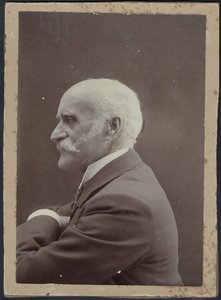
nicholas john caire
1837 - 1918 , United Kingdom
Quick Facts
- Artistic Movement Or Style: Romantic landscape painting
- Artists Or Movements Influenced By This Artist: ['Barbizon school']
- Artists Who Influenced This Artist: ['Charles Golding Constable']
- Date Of Birth: 11 June 1776
- Date Of Death: 31 March 1837
- Full Name: John Constable
- Nationality: English
- Notable Artworks:
- The Hay Wain
- Dedham Vale
- Wivenhoe Park
- Place Of Birth: East Bergholt, Suffolk
Related Articles

Beyond the Horizon: 10 Landscape Masterpieces for Your Home Decor
Journey through 10 breathtaking landscape paintings by Monet, Van Gogh & more! Explore iconic artworks, artistic techniques & find inspiration for your home decor. Museum-quality reproductions at ArtsDot.com. Discover all masterpieces on ArtsDot.com
Arboreal Echoes: A Historical & Artistic Exploration of Trees in Painting
Explore the rich history of trees in painting! Discover symbolism, Romantic masterpieces by Caspar David Friedrich & beyond. A curated journey for art enthusiasts.

Romantic Landscapes: 10 Masterpieces for Your Home | ArtsDot
Journey through 10 Romantic landscape masterpieces by Friedrich, Turner & Cole. Explore emotional art, sublime nature scenes & iconic 19th-century paintings. Find museum-quality reproductions for your home at ArtsDot.com – discover the full collection online!
Arboreal Echoes: A Historical & Artistic Exploration of Trees in Painting
Explore the rich history of trees in painting! Discover symbolism, Romantic masterpieces by Caspar David Friedrich & beyond. A curated journey for art enthusiasts.

John Constable's Masterpieces: Explore 25 Iconic Landscapes for Your Home
Journey through John Constable's 25 most celebrated landscapes. Explore Romanticism, Dedham Vale & his masterful use of light in iconic paintings like 'Hay Wain'. Find museum-quality art reproductions and elevate your home decor on ArtsDot.com.